
Sourcing waterproof fabric for your brand starts with a clear specification, not a swatch book. Every rain shell, workwear jacket, or outdoor pack depends on three decisions: hydrostatic head, breathability, and finishing chemistry. As of 2026, the most requested waterproof fabrics we export to North America and Europe range from ripstop styles at 5,000mm hydrostatic head to three-layer laminates at 30,000mm. This guide takes you through rating systems, material constructions, sustainability options, and the supplier checklist we use when preparing bulk orders.
Define Your Product’s Waterproof Rating First
The single most important figure to pin down is hydrostatic head—the height of a water column a fabric withstands before moisture penetrates. For a city commuter jacket, a 5,000mm rating can be enough. For a field expedition shell, 20,000mm or more gives real headroom. In our range, Ripstop Waterproof Fabric covers 5,000mm to 15,000mm, while 3 Layer Waterproof Fabric is rated at 20,000mm to 30,000mm. TPU Laminated Fabric delivers the same 20,000-30,000mm range with an MVTR of 8,000 to 18,000 g/m²/24h for breathability.
Compared with a basic PU-coated polyester at 5,000mm, a 3-layer TPU laminate at 20,000mm is built for prolonged exposure and high-motion users, though it adds weight and complexity. If your end use is a lightweight packable layer, a ripstop face fabric at 80-180gsm may be the better trade-off. We test each batch of these fabrics for hydrostatic head and breathability before shipping, so you know exactly where your product stands.
For marine applications, Marine UV Resistant Fabric offers 5,000-10,000mm water resistance plus UPF 50+ and Grade 5 color fastness for sun and salt exposure. That combination matters when a cover sits in direct sunlight as much as in rain.
Match Fabric Construction to Your Manufacturing Line
Waterproof performance comes from either a coating or a membrane, and construction affects how the fabric sews, drapes, and layers. A 2-layer construction leaves the membrane exposed inside and is normally lined; a 2.5-layer adds a protective print; a 3-layer bonds face, membrane, and backer for durability. Our Waterproof Breathable Fabric collection covers 2-layer, 2.5-layer, and 3-layer laminates at 10,000-20,000mm hydrostatic head.
When we prepare a 3 Layer Waterproof Fabric program, we check the full laminate stack: face fabric, micro-porous PU or TPU membrane from 15 to 30 microns, and a durable backer. Total weight is 180-280gsm, while TPU Laminated Fabric reaches adhesion strength above 20 N/5mm. Those numbers affect seam taping, zipper installation, and long-term durability in the field.
Compare an ultralight tent footprint at 80gsm with a technical ski shell at 240gsm. Outdoor Shell Fabric, from 100gsm to 300gsm and 150-180cm wide, gives you a windproof and DWR-treated base, but you still need a membrane or coating to create a waterproof seal. If you need a classic brand-look base for bags and covers, Oxford Fabric is another option—though we always specify the hydrostatic head required rather than relying on weave alone.
Decide Between PU, TPU, and PVC Before You Commit
Coating chemistry determines flexibility, hand feel, and performance life. PU coatings are common in Waterproof Polyester Fabric, which we offer at 5,000-10,000mm with an MVTR of 3,000-8,000 g/m²/24h. TPU membranes are more elastic and typically paired with nylon tricot for higher-performance laminates; TPU Laminated Fabric reaches 20,000-30,000mm and breathability up to 18,000 g/m²/24h.
PVC-coated fabric is heavier and less breathable, and we rarely recommend it for garments. Compared with PVC, TPU offers better low-temperature flexibility and a cleaner route to recycling, but it is a more technical construction. Your decision should be driven by end use: a heavy-duty work cover can tolerate a tougher hand, while a premium running jacket needs the pliability and moisture vapor transmission of a TPU or PU membrane system.
Factor In Recycled Content and PFC-Free Finishes
Brand-level sustainability goals are now part of the technical spec. Waterproof Polyester Fabric can be made from 100% recycled RPET, and GRS Certified Recycled Fabric verifies 20-100% recycled content with full chain-of-custody documentation from post-consumer waste to fabric roll. If your product sits in the Sustainable Fashion Industry or Outdoor & Adventure Industry, that documentation matters at retail and at audit.
Choose a PFC-free DWR where possible. Waterproof Polyester Fabric offers PFC-Free or standard DWR, and Eco Friendly Outdoor Fabric uses a PFC-Free DWR with UPF 50+ and high abrasion resistance verified under ISO 12947. As of 2026, PFC-free treatments are the default request for most outdoor apparel programs we produce.
Unlike conventional virgin-polyester waterproof fabrics, RPET-based options can be sourced in GSM ranges from 120 to 300 (or 120-250 for coated polyester), so you are not forced to sacrifice hand feel or tear strength for recycled content. We routinely run recycled face fabrics alongside standard polyester in the same waterproof laminate construction.
Supplier Qualification: Samples, Test Data, and Bulk Readiness
The best waterproof fabric specification in the world only helps if the supplier can repeat it at scale. Ask for a physical sample and the key technical values: hydrostatic head, MVTR, GSM, width, colorfastness, and DWR finish. Our range spans recycled fabrics from 120gsm to 300gsm across woven, knit, and technical blends, and we prepare sample swatches before any bulk commitment.
When comparing suppliers, check whether they can supply GRS chain-of-custody documents and water-resistance test reports. For production, we run rolls in 150-180cm widths and can fold or roll depending on your receiving line. Compared with buying from a trader who cannot show membrane construction or finishing chemistry, direct manufacturer sourcing means the coating, lamination, and recycled certification are documented in one spec.
We ship export quality to North America and Europe and can tailor width, GSM, and finish to your production line. Send us your target hydrostatic head, application, and sustainability requirements, and we will recommend the waterproof fabric construction that matches them.
Frequently Asked Questions
What is the difference between water-resistant and waterproof fabric?
Water-resistant fabrics rely on a DWR finish and shed light rain, while waterproof fabrics include a PU/TPU coating or membrane and are rated by hydrostatic head. In our catalog, Waterproof Polyester Fabric starts at 5,000mm, while 3 Layer Waterproof Fabric reaches 20,000-30,000mm. The right choice depends on how long your product must stay dry under pressure.
How do I choose between 2-layer, 2.5-layer, and 3-layer waterproof fabric?
A 2-layer fabric is typically lined and lighter; a 2.5-layer adds a protective print for packability; and a 3-layer bonds face, membrane, and backer for maximum durability. For a lightweight packable shell, Ripstop Waterproof Fabric at 80-180gsm and 5,000-15,000mm works well. For a technical alpine shell, 3 Layer Waterproof Fabric at 180-280gsm and 20,000-30,000mm offers the higher performance.
Can I source recycled waterproof fabric for my brand?
Yes. Waterproof Polyester Fabric can be produced from 100% recycled RPET, and GRS Certified Recycled Fabric verifies 20-100% recycled content with full chain-of-custody documentation. You can also pair recycled face fabrics with PFC-free DWR to reduce environmental impact without compromising water resistance.
What specifications should I include in a waterproof fabric inquiry?
Include your end use, required hydrostatic head (for example 10,000mm vs 20,000mm), breathability or MVTR target, GSM, width, DWR/PFC-free preference, roll or folded format, and any recycled-content goal. The more precise your spec, the faster we can match you to the right product from our range.
Related Resources
Related Products (4)
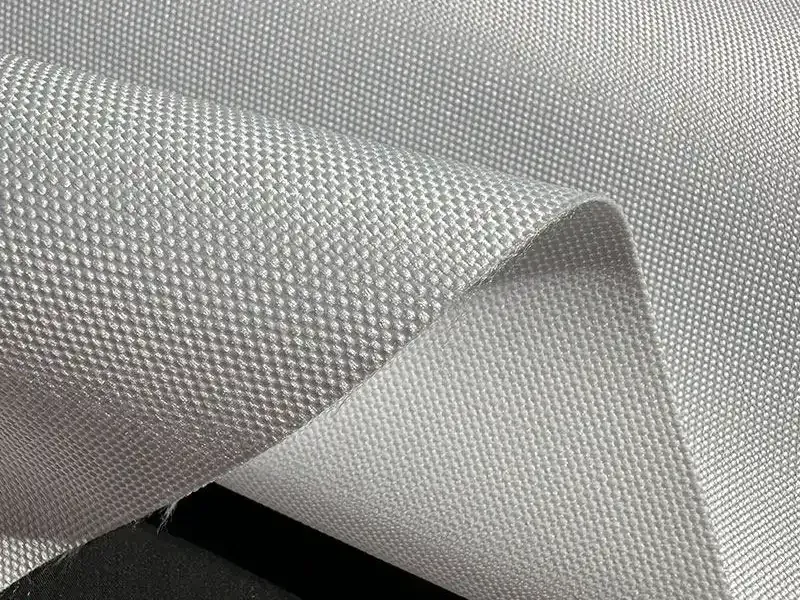
Oxford Fabric
Factory-direct Oxford fabric: 210D to 600D+, PU/PVC/PA coatings, waterproof options for bags, tents, workwear and covers. Low MOQ, free swatches, 24-hour quotes.
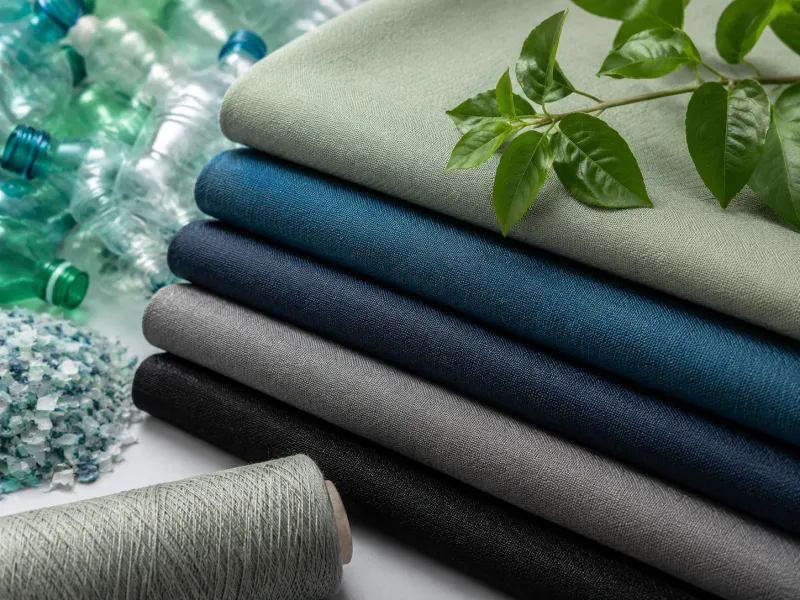
GRS Certified Recycled Fabric
Global Recycled Standard certified fabric providing traceable sustainability for international brands.
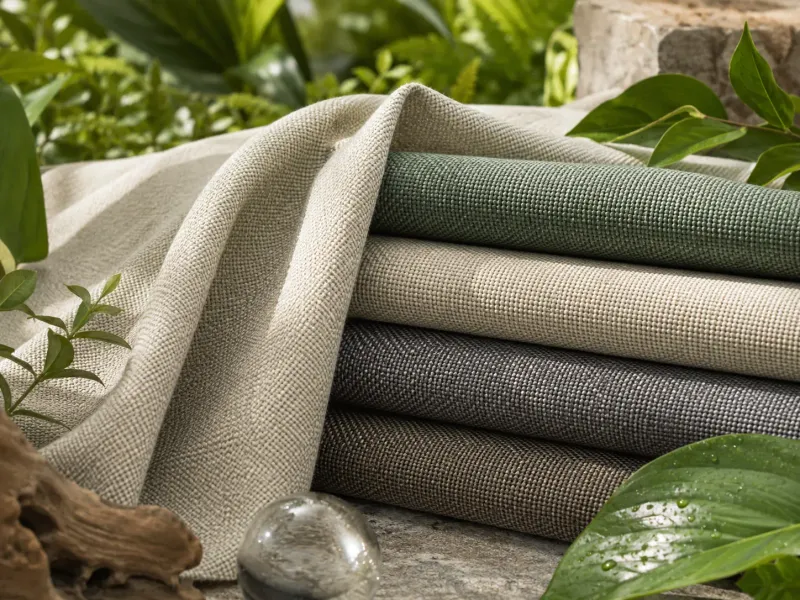
Eco Friendly Outdoor Fabric
Environmentally responsible outdoor fabric engineered for durability and sustainable performance.
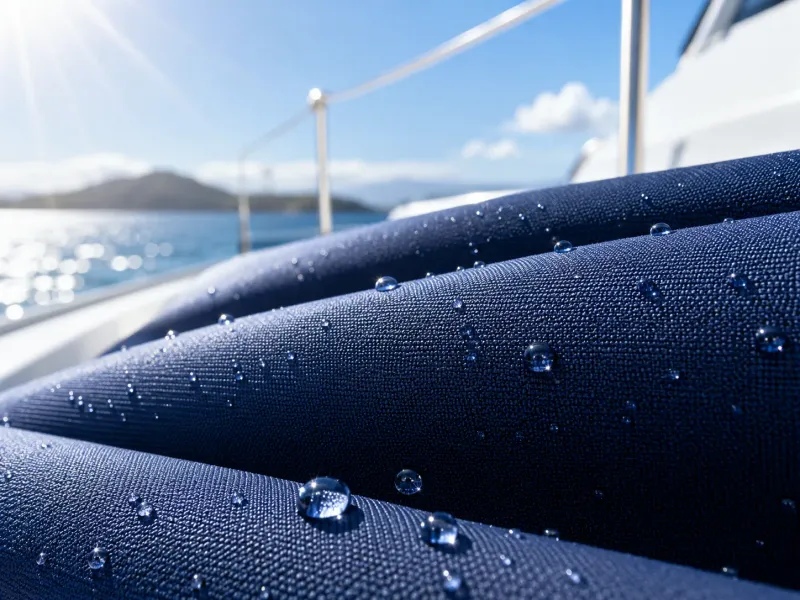
Marine UV Resistant Fabric
Marine-grade UV resistant fabric developed for harsh outdoor and coastal environments.
Related Categories
Related Applications
Related Industries
A practical sourcing guide for hydrostatic head, laminate construction, recycled options, and supplier qualification.
Request a Waterproof Fabric Quote