
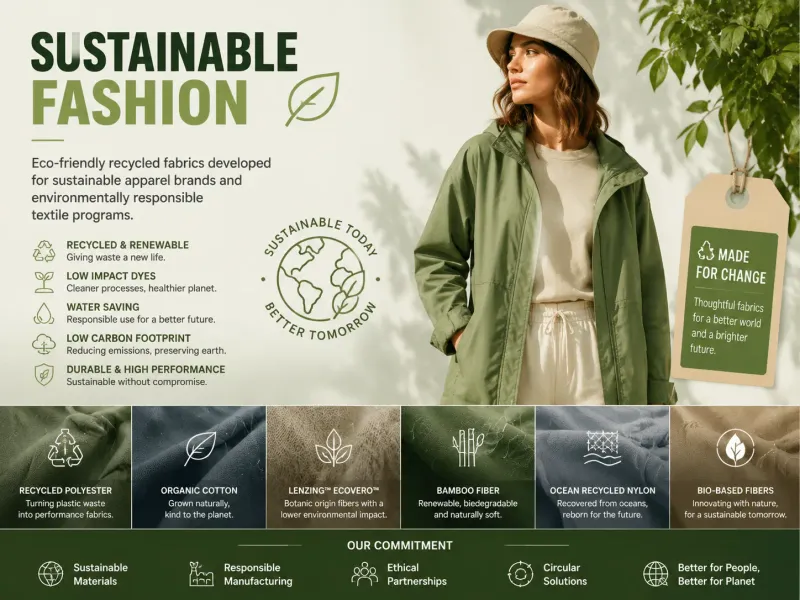
Sustainable Fashion Industry
Technical Description
Overview
The sustainable fashion industry has shifted from a niche segment to a mainstream procurement priority for global apparel brands, driven by consumer demand, extended producer responsibility regulations, and corporate net-zero commitments. The global sustainable fabric market was valued at approximately USD 45-50 billion in 2024 and is projected to grow at a CAGR of 9-11% through 2032, with recycled polyester (rPET) representing the largest single material category by volume. For wholesale and bulk buyers, the core challenge is sourcing recycled inputs that meet certification, traceability, and performance benchmarks equivalent to virgin synthetics while satisfying tightening import documentation requirements in the EU, North America, and Japan.
Key Fabric Requirements
Buyers specifying fabrics for sustainable fashion and performance apparel typically hold suppliers to measurable technical thresholds. The following ranges reflect standard bulk-order specifications:
- Fabric weight: 80-320 gsm depending on end use. Lightweight linings and shirting run 80-140 gsm, mid-weight activewear jersey runs 160-220 gsm, and outerwear shell fabrics run 220-320 gsm.
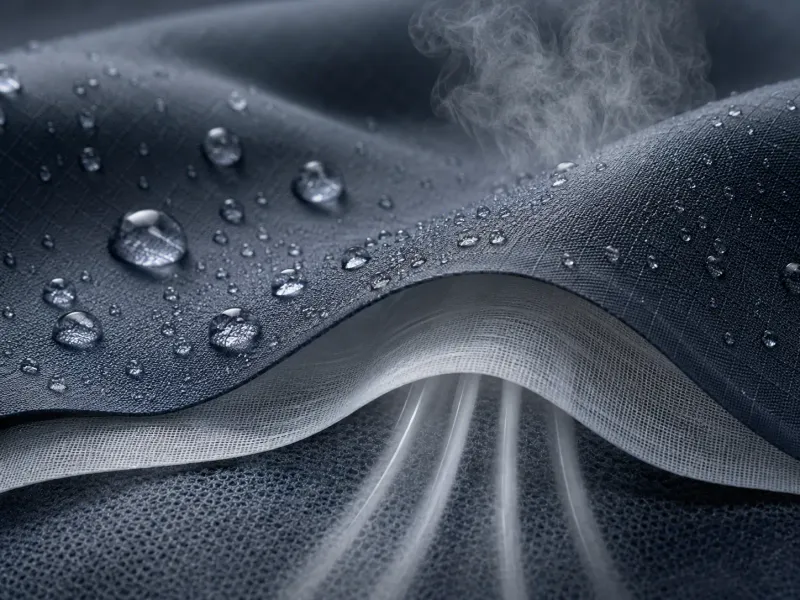
- Waterproof rating (water column): 5,000-20,000 mm hydrostatic head. Everyday water-resistant garments target 5,000-8,000 mm, while technical outdoor shells require 10,000-20,000 mm tested to ISO 811.
- Breathability (MVTR): 5,000-15,000 g/m²/24hr moisture vapor transmission rate, measured per JIS L1099 or ASTM E96, ensuring comfort in Sportswear & Activewear applications during sustained exertion.
- UV protection: UPF 30-50+ rated to AATCC 183 / AS/NZS 4399, achievable through tight rPET weave construction without chemical additives, relevant for outdoor and swim categories.
- Recycled content and certification: 50-100% recycled content verified under Global Recycled Standard (GRS 4.0), with GRS Certified Recycled Fabric requiring a minimum 20% recycled input for the standard and 50%+ for the "recycled" product claim. Recycled Claim Standard (RCS) and OEKO-TEX Standard 100 documentation are commonly required.
- Tensile and tear strength: 300-600 N tensile strength (ISO 13934-1) and 15-40 N tear strength (ISO 13937), ensuring recycled yarns match virgin polyester durability for repeated-use garments.
- Flame retardancy (where applicable): compliance with EN ISO 15025, NFPA 701, or CPAI-84 for workwear and specialty segments; standard fashion apparel generally requires only base flammability compliance to 16 CFR 1610 Class 1.
- Colorfastness: Grade 4-5 to washing and rubbing (ISO 105-C06 / ISO 105-X12) and dimensional stability within ±3% after five wash cycles.
Recommended Fabrics
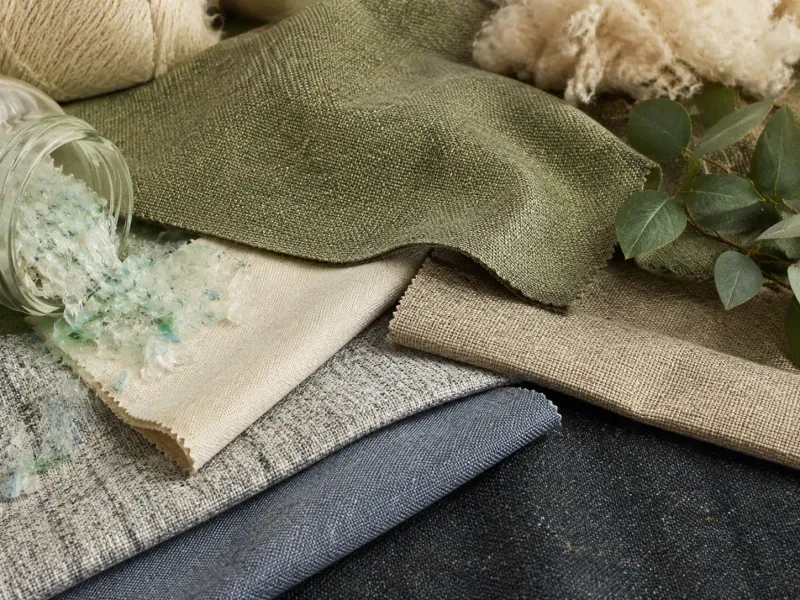
Recycled Polyester Fabric is the foundational offering, produced from post-consumer PET bottle flake and mechanically recycled fiber, suitable for fashion apparel, linings, and bags at 80-250 gsm. It delivers virgin-equivalent hand feel with a substantially lower carbon and water footprint.
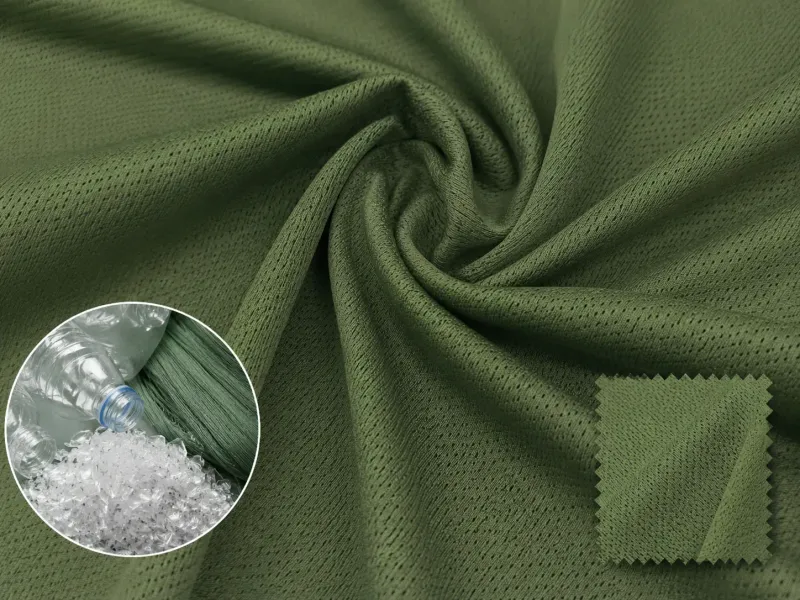
RPET Sports Fabric is engineered for moisture management and stretch recovery, typically constructed as a knit with elastane content for four-way stretch, targeting the Sportswear & Activewear segment where breathability and shape retention are critical.
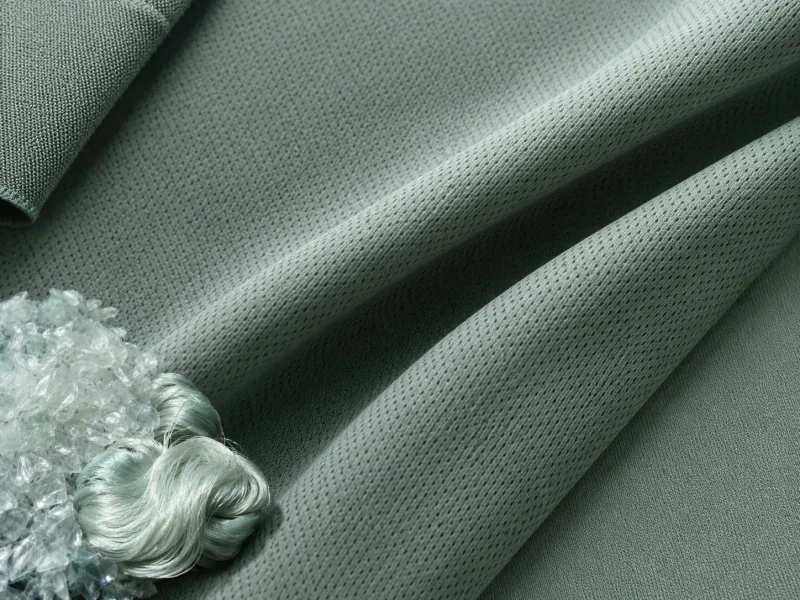
Sustainable Activewear Fabric extends the performance range with quick-dry finishes, anti-odor treatments, and 160-220 gsm knit constructions designed for leggings, base layers, and training tops that require both comfort and repeated-wash durability.
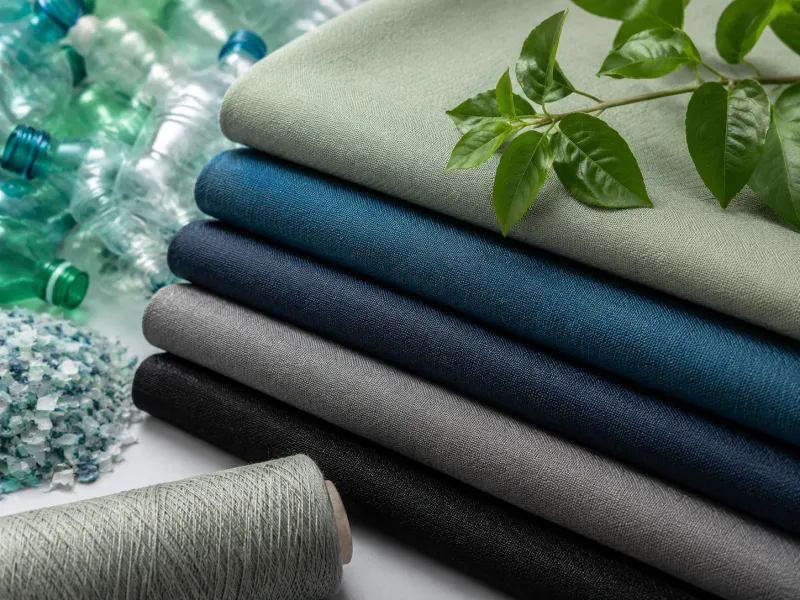
GRS Certified Recycled Fabric provides fully documented chain-of-custody traceability from recycled input to finished roll, enabling brands to substantiate recycled-content marketing claims and satisfy EU Green Claims Directive scrutiny.
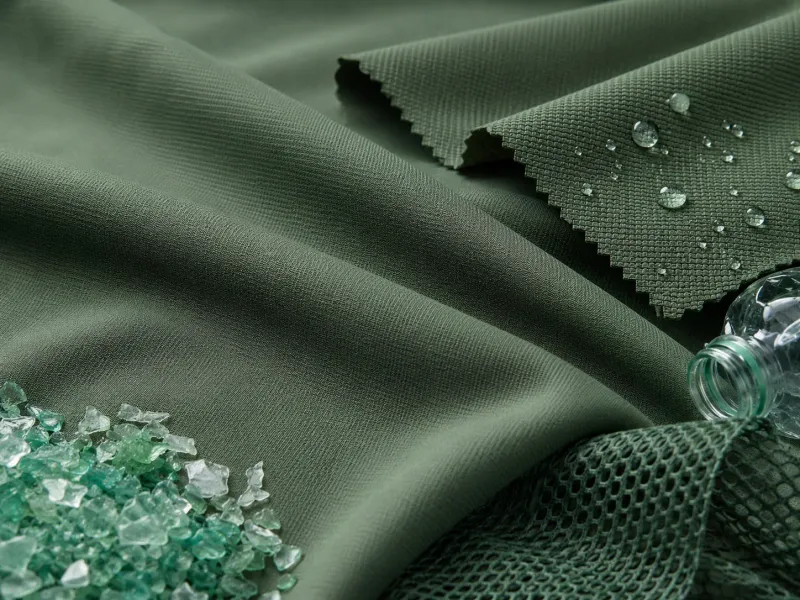
Recycled Performance Fabric combines recycled inputs with technical finishes such as DWR (durable water repellent), wicking, and UV resistance, bridging the gap between sustainability credentials and demanding functional specifications.
Eco Friendly Outdoor Fabric is the heavier-weight shell category within the Waterproof & Breathable Fabric range, built for jackets, packs, and outerwear that require 10,000 mm+ water columns alongside recycled construction.
These products draw from two core categories: the Recycled Sustainable Fabric line, which prioritizes verified recycled content and certification, and the Waterproof & Breathable Fabric line, which prioritizes membrane lamination, coating, and moisture-transfer performance. Many bulk orders combine attributes from both categories.
Applications & Use Cases
Sustainable Fashion collections: Brands building capsule or full seasonal lines use Recycled Polyester Fabric for outerwear, dresses, and linings where certified recycled content is the primary purchasing driver and 80-200 gsm weights suit varied silhouettes.
Sportswear & Activewear production: RPET Sports Fabric and Sustainable Activewear Fabric serve leggings, sports bras, cycling jerseys, and training apparel, where 160-220 gsm knits with 8-15% elastane deliver stretch, recovery, and MVTR above 8,000 g/m²/24hr.
Technical outerwear and rainwear: Eco Friendly Outdoor Fabric within the Waterproof & Breathable Fabric category supports rain jackets, hardshells, and windbreakers requiring 10,000-20,000 mm water columns and taped-seam compatibility.
Retail private-label programs: Wholesale buyers sourcing for supermarket, e-commerce, and department-store private labels use GRS Certified Recycled Fabric to meet retailer sustainability mandates and provide audit-ready documentation at scale.
Corporate and promotional uniforms: Recycled Performance Fabric supplies branded workwear, event apparel, and team kits where organizations require recycled content to meet internal ESG targets alongside durability for repeated wear.
Accessories and bags: Heavier 200-320 gsm recycled constructions from the Recycled Sustainable Fabric category serve totes, backpacks, and packing cubes, where abrasion resistance and structural integrity matter more than stretch.
Customization & Wholesale
FuncFabric operates as a bulk manufacturer for global wholesale buyers, with order structures designed around commercial-scale procurement rather than sample or retail quantities.
Minimum order quantity: Standard MOQ is 500-1,000 meters per color per construction for stock-base fabrics, and 3,000-5,000 meters for fully custom developments requiring dedicated dyeing or finishing runs. Trial and sampling yardage of 30-50 meters is available for pre-production approval.
Custom widths and constructions: Fabrics are produced in standard 150 cm and 160 cm finished widths, with custom widths from 110-220 cm available on made-to-order runs. Knit and woven constructions, denier counts, and gsm targets can be engineered to buyer specification.
Custom colors and printing: Pantone-matched dyeing (TCX/TPX references) is offered with a lab-dip approval process, typically 7-10 days. Printing options include sublimation, digital, and screen printing, with digital printing suited to lower-volume, high-color-count patterns and rotary printing suited to high-volume repeat orders.
Finishes and treatments: DWR, moisture-wicking, anti-microbial, anti-static, and UV-resistant finishes can be applied to order, with finish selection documented on the technical spec sheet for reorder consistency.
OEM and private-label services: Full OEM support includes custom rolls, edge printing, care-label integration, and buyer-specified packaging. Certification documentation (GRS, RCS, OEKO-TEX Standard 100) is provided per shipment with transaction certificates issued through the accredited certification body.
Lead time: Stock-base fabric ships within 7-15 days of order confirmation. Custom-dyed and finished orders run 25-40 days depending on volume, finish complexity, and certification requirements. Peak-season lead times may extend accordingly.
Export and logistics: FuncFabric ships worldwide under FOB, CIF, and EXW terms, with primary export ports in Shanghai, Ningbo, and Shenzhen. Standard documentation includes commercial invoice, packing list, certificate of origin, and applicable recycled-content transaction certificates. Consolidated LCL and full FCL container loading are both supported, and buyers can request third-party pre-shipment inspection.
For bulk buyers, the combination of verified recycled content, documented certification, and performance-grade technical specifications allows sustainable-fashion and activewear programs to scale without trading environmental credentials against functional requirements.
Related Products (6)
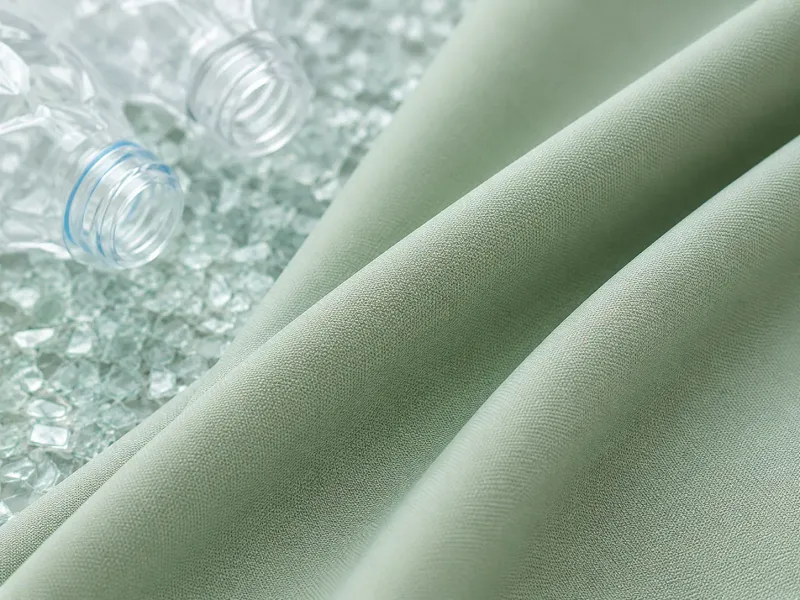
Recycled Polyester Fabric
High-performance recycled polyester fabric manufactured from post-consumer PET bottles for sustainable apparel and technical textile applications.
RPET Sports Fabric
Eco-friendly RPET sports fabric designed for activewear brands seeking sustainable performance textiles.
Sustainable Activewear Fabric
Sustainable performance fabric combining recycled materials with modern athletic apparel requirements.
GRS Certified Recycled Fabric
Global Recycled Standard certified fabric providing traceable sustainability for international brands.
Recycled Performance Fabric
Advanced recycled performance fabric combining sustainability with technical textile functionality.
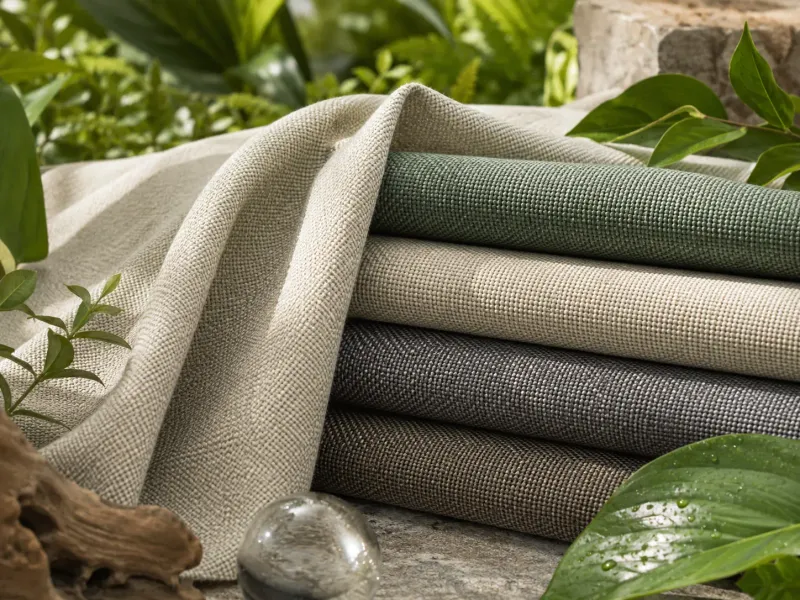
Eco Friendly Outdoor Fabric
Environmentally responsible outdoor fabric engineered for durability and sustainable performance.
Need Sustainable Fashion Industry Specs?
Tell us your target certifications, weight, and volume — our engineering team will follow up with certified options.