
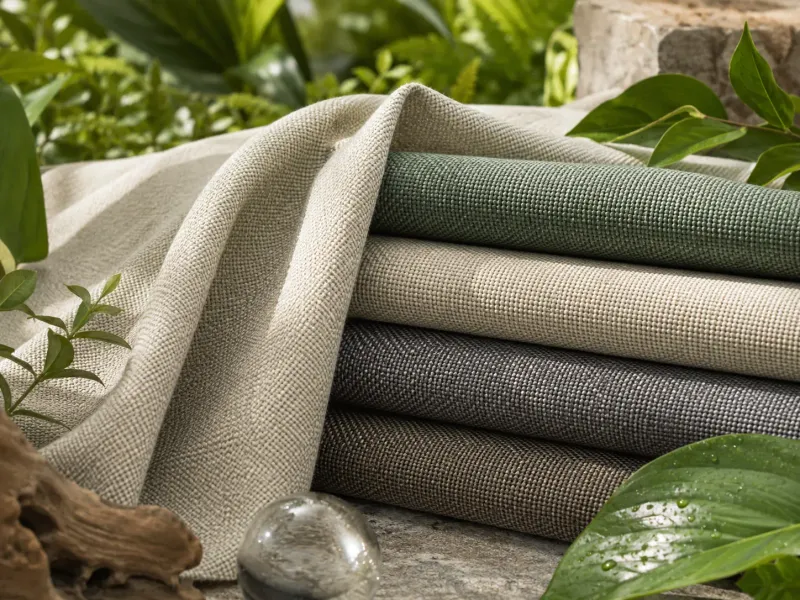
Outdoor & Adventure Industry
Technical Description
Overview
The outdoor and adventure industry encompasses fabrics engineered for hiking, mountaineering, camping, trail running, and technical expedition gear exposed to rain, wind, abrasion, and UV. The global outdoor apparel and equipment market was valued at roughly USD 18-20 billion in 2024, with a projected compound annual growth rate of 4-6% through 2030, driven by rising participation in outdoor recreation and demand for sustainable, high-performance materials. Wholesale and bulk buyers in this segment prioritize verifiable technical performance, consistent lot-to-lot quality, and compliance with international testing standards over aesthetics alone.
Key Fabric Requirements
Outdoor and adventure fabrics must satisfy measurable performance thresholds that vary by end use. Bulk buyers typically specify the following parameters when sourcing:
- Waterproof rating: A hydrostatic head (water column) of 10,000 mm is standard for general rain protection, while technical shell layers require 15,000-20,000 mm or higher. Entry-level water-resistant fabrics start around 5,000 mm.
- Breathability: Moisture vapor transmission rate (MVTR) of 8,000-20,000 g/m²/24hr, depending on activity intensity. High-output activities such as trail running and mountaineering favor the upper range to manage perspiration and prevent internal condensation.
- Fabric weight: Lightweight shells typically range from 40-90 gsm for packable layers, mid-weight outerwear falls between 100-180 gsm, and heavy-duty expedition or pack fabrics reach 200-400 gsm.
- UV protection: A UPF rating of 40-50+ blocks 97.5-98% or more of UVA and UVB radiation, tested per AATCC 183 or UV Standard 801. Sun-exposure garments for alpine and desert environments should meet UPF 50+.
- Tensile and tear strength: Warp/weft tensile strength of 400-900 N and tear strength of 15-40 N for ripstop constructions, tested to ISO 13934 and ISO 13937. Ripstop grid weaves resist propagation of tears under load.
- Abrasion resistance: Minimum 20,000-50,000 Martindale cycles (ISO 12947) for high-wear zones such as pack contact points, knees, and seat panels.
- Seam and coating durability: PU or PTFE membranes and DWR (durable water repellent) finishes should retain performance after 20+ home wash cycles. Free of PFOA/PFOS is increasingly mandatory, with C0 (fluorine-free) DWR now widely requested.
- Flame retardancy (where applicable): For campfire-adjacent or professional expedition use, compliance with EN ISO 14116 or NFPA 701 may be specified, though most recreational outdoor apparel does not require FR treatment.
Recommended Fabrics
FuncFabric supplies fabrics matched to each performance tier described above. The following categories and products align with common outdoor sourcing requirements:
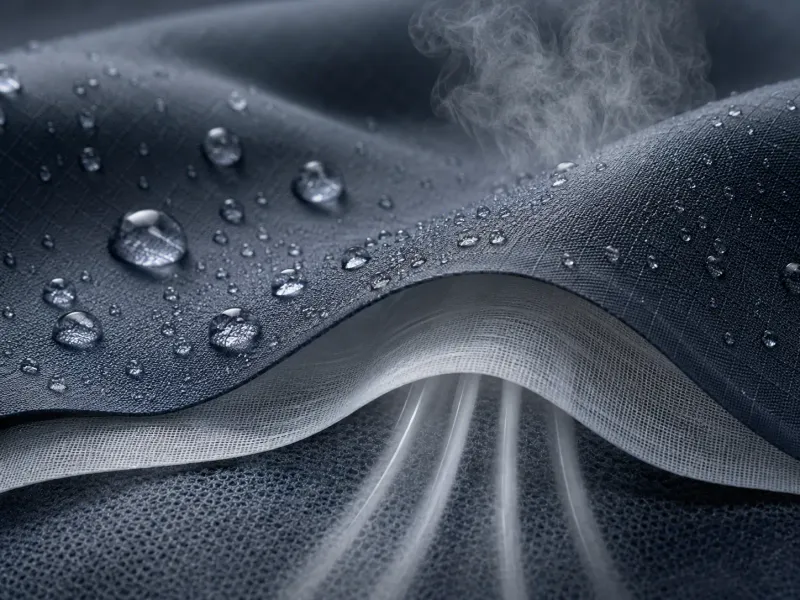
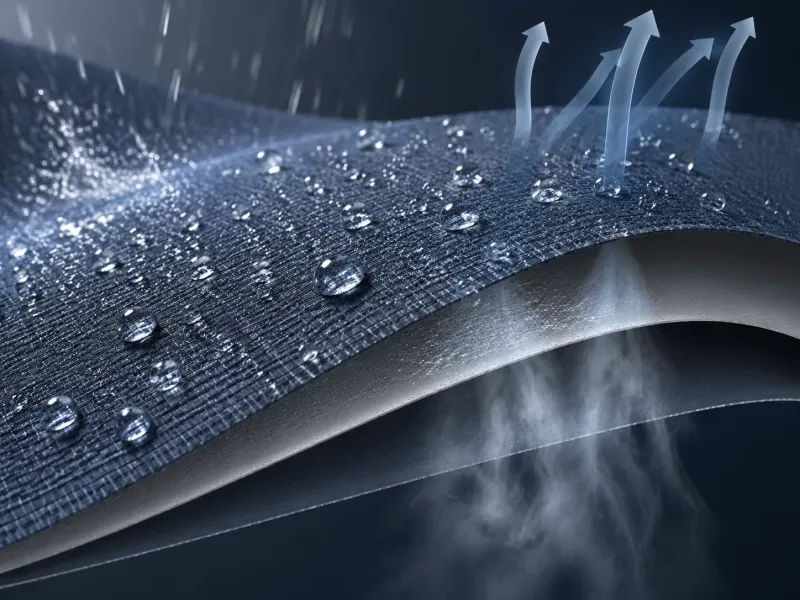
Waterproof & Breathable Fabric is the core category for shells and rain layers, engineered to combine hydrostatic resistance above 10,000 mm with MVTR values suitable for aerobic activity. This category anchors most technical outerwear programs.
Waterproof Breathable Fabric as a finished product offering delivers a laminated or coated construction balancing water column and vapor transfer, suitable for jackets, pants, and gaiters intended for sustained wet-weather use.
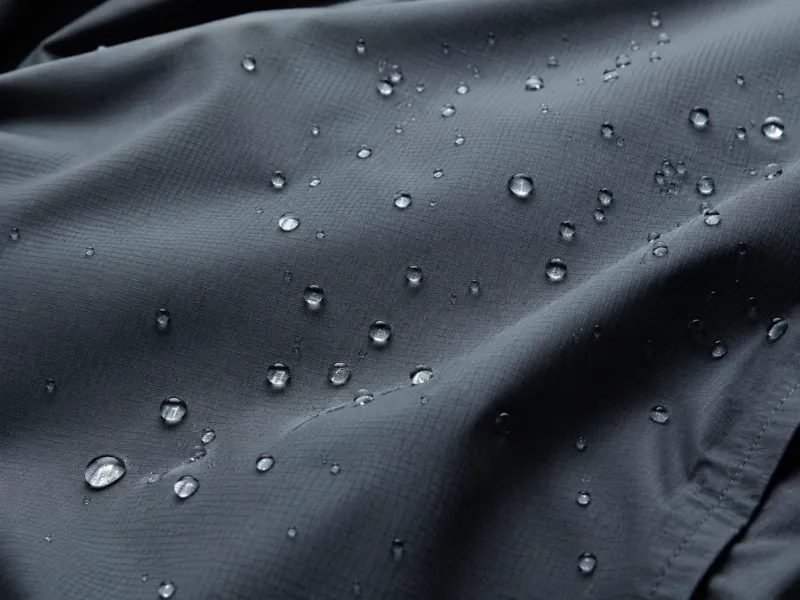
Outdoor Shell Fabric is designed for the outer face of hardshell and softshell garments, prioritizing wind resistance, abrasion durability, and DWR retention for exposed alpine and mountain conditions.
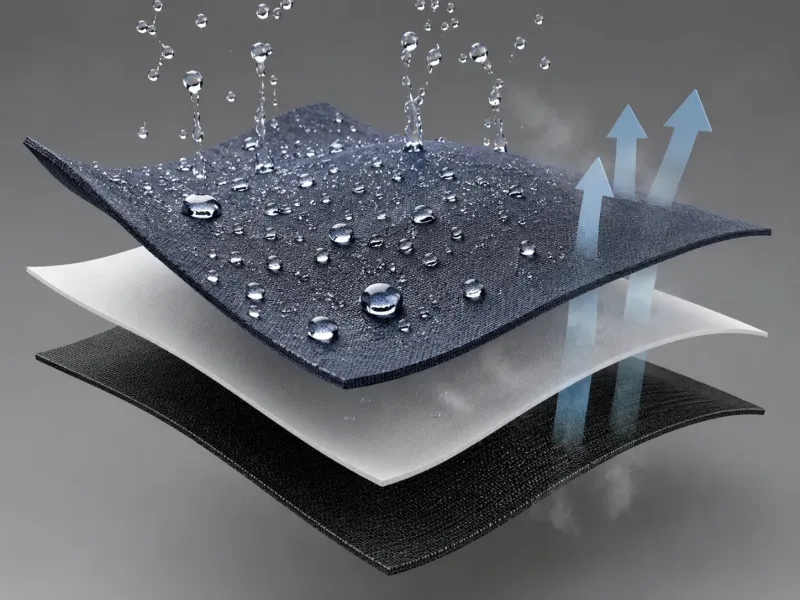
3 Layer Waterproof Fabric bonds a face fabric, membrane, and interior tricot into a single durable laminate, offering the highest weather protection and structural integrity for expedition-grade hardshells where longevity under pack straps and repeated flexing matters.
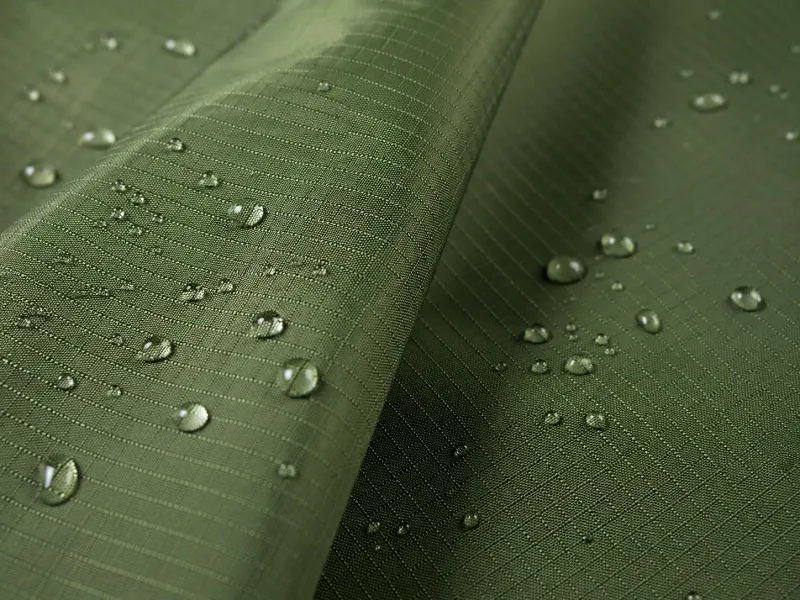
Ripstop Waterproof Fabric integrates a reinforcing grid weave to resist tearing while maintaining waterproof performance, making it appropriate for lightweight packable shells and gear exposed to snagging and mechanical stress.
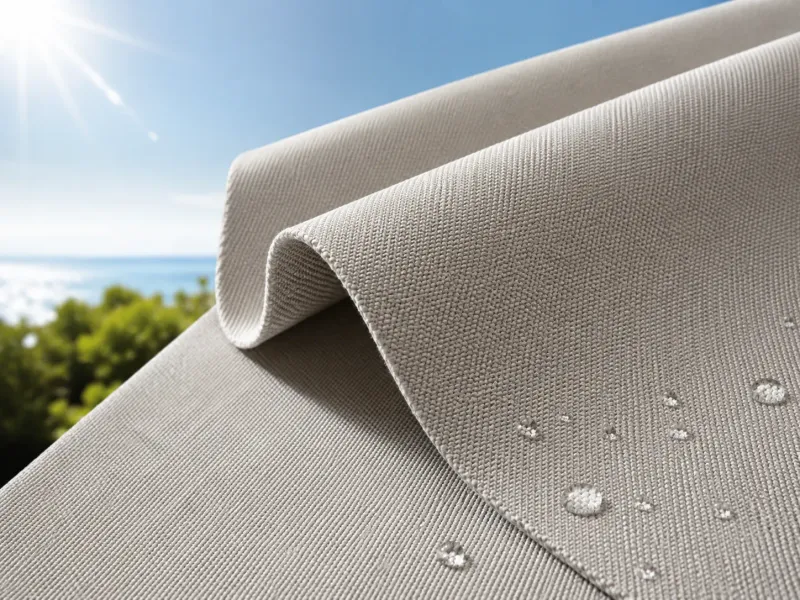
UV Protection Fabric, and its product form Outdoor UV Protection Fabric, addresses high-exposure environments with UPF 40-50+ ratings for sun hoodies, hiking shirts, and desert or high-altitude apparel where solar radiation is intense.
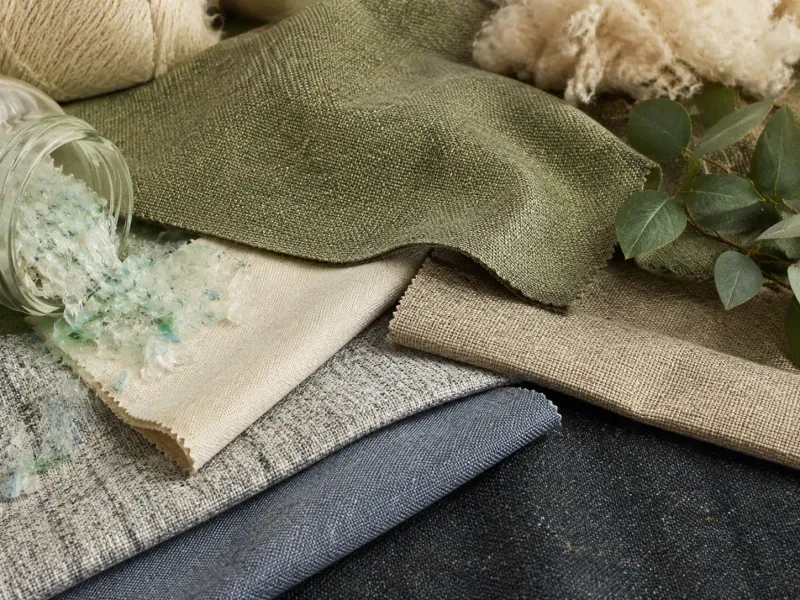
Recycled Sustainable Fabric and the corresponding Eco Friendly Outdoor Fabric product serve buyers with environmental sourcing mandates, using recycled polyester (rPET) or recycled nylon yarns that meet Global Recycled Standard (GRS) certification while retaining comparable durability and weather performance.
Applications & Use Cases
These fabrics support a range of finished-goods programs across the outdoor and adventure sector:
- Technical rain shells and hardshell jackets: Outdoor Apparel brands use 3 Layer Waterproof Fabric and Outdoor Shell Fabric for hiking and mountaineering jackets requiring 15,000-20,000 mm water columns and reliable breathability during ascent.
- Lightweight packable rainwear: Ripstop Waterproof Fabric in the 40-90 gsm range serves emergency shells, cycling capes, and ultralight backpacking layers where pack weight and compressibility are critical.
- Sun-protective activewear: Sportswear & Activewear producers apply Outdoor UV Protection Fabric to sun hoodies, long-sleeve trail shirts, and fishing apparel rated UPF 50+ for prolonged outdoor exposure.
- Softshell and stretch outerwear: Wind-resistant, breathable constructions support softshell jackets and hiking pants for variable conditions where full waterproofing is secondary to mobility and comfort.
- Expedition and heavy-use gear: Higher-weight fabrics (200-400 gsm) with 30,000-50,000 Martindale abrasion ratings supply mountaineering pants, gaiters, and reinforced panels subject to rock and ice contact.
Customization & Wholesale
FuncFabric operates as a manufacturer serving global wholesale and bulk buyers with OEM and ODM capabilities. Standard order and customization terms are as follows:
- Minimum order quantity: Typical MOQ is 1,000-3,000 meters per color and specification for standard constructions. Custom-developed fabrics or specialty finishes may carry higher MOQs of 3,000-5,000 meters to cover setup and dyeing lot economics. Sampling quantities of 30-50 meters are available for pre-production evaluation.
- Custom widths: Standard roll widths range from 145-150 cm, with 110 cm, 160 cm, and wider configurations available on request to match cutting efficiency for specific garment patterns.
- Color and dyeing: Custom color matching to Pantone or physical swatch standards is supported, with dye-lot consistency controlled through spectrophotometer verification. Solution-dyed options are available for improved colorfastness and reduced water usage.
- Printing and finishing: Sublimation, screen, and digital printing are offered for camouflage, brand graphics, and pattern applications. Functional finishes include DWR (fluorine-free C0 or C6), anti-UV, antibacterial, and PU/PTFE membrane lamination.
- Membrane and coating options: 2-layer, 2.5-layer, and 3-layer laminate constructions are available, allowing buyers to specify the exact balance of weight, waterproofing, and breathability their program requires.
- Certification and compliance: Fabrics can be supplied with test reports meeting ISO, AATCC, and OEKO-TEX Standard 100 requirements, plus GRS certification for recycled content and bluesign eligibility where specified.
- Lead time: Standard production lead time is 25-40 days after sample and order confirmation, depending on quantity, dyeing complexity, and finishing requirements. Sample lead time is typically 7-15 days.
- Export and logistics: Products ship to North America, Europe, Oceania, and Asia under FOB, CIF, or EXW terms. Standard export packaging uses rolled fabric in waterproof film with cardboard tubes, and full documentation including commercial invoice, packing list, and certificates of origin is provided for customs clearance.
Buyers are advised to confirm final specifications, MOQ, and certification requirements directly, as parameters vary by fabric construction and destination market regulations.

Related Products (6)
Waterproof Breathable Fabric
Advanced waterproof and breathable fabric engineered for high-performance outdoor garments.
Outdoor Shell Fabric
Weather-resistant shell fabric developed for outdoor jackets and protective outerwear.
3 Layer Waterproof Fabric
Premium 3-layer waterproof fabric for professional outdoor and technical apparel.
Ripstop Waterproof Fabric
Lightweight ripstop waterproof fabric with enhanced tear resistance for outdoor applications.
Outdoor UV Protection Fabric
Outdoor performance fabric engineered for UV protection and weather resistance.
Eco Friendly Outdoor Fabric
Environmentally responsible outdoor fabric engineered for durability and sustainable performance.
Need Outdoor & Adventure Industry Specs?
Tell us your target certifications, weight, and volume — our engineering team will follow up with certified options.