
Choosing between waterproof polyester fabric and waterproof nylon fabric directly affects performance, cost, and lifespan. In 2026, fabric buyers need more than generic claims: they need measurable data on hydrostatic head, weight, breathability, and UV resistance. At FuncFabric, we manufacture both options—from Waterproof Polyester Fabric with a 5,000–10,000 mm rating to nylon-based Ripstop Waterproof Fabric with up to 15,000 mm. This guide compares the two materials against real numbers so you can source the right fabric with confidence.
Why the Polyester vs Nylon Decision Is Harder Than It Looks
Most sourcing conversations start with the question: is polyester or nylon better? The truth is that neither works for every application. Polyester generally offers superior UV resistance and absorbs less water, while nylon provides higher tensile strength and abrasion resistance per gram of weight. Without clear performance requirements, teams often choose the wrong material and pay for it later.
The stakes are measurable: a waterproof shell with an insufficient hydrostatic head can leak at 5,000 mm, while a heavy-duty marine cover may need 10,000 mm or more. Similarly, a fabric that weighs 80 GSM may feel paper-thin, whereas a 500 GSM fabric will be far too heavy for packable rain gear. Understanding your pressure, weight, and environmental requirements is the first step.
A Data-Driven Comparison of Waterproof Polyester and Nylon Fabric
We compared our Waterproof Polyester Fabric and Ripstop Waterproof Fabric using published specifications. Waterproof Polyester Fabric is rated at 5,000–10,000 mm hydrostatic head, weighs 120–250 GSM, and delivers 3,000–8,000 g/m²/24h moisture vapor transmission rate (MVTR). Ripstop Waterproof Fabric, available in 100% polyester or nylon ripstop, ranges from 80–180 GSM, 5,000–15,000 mm, and 3,000–8,000 MVTR.
For extreme conditions, 3 Layer Waterproof Fabric (built on high-density nylon or polyester tricot) reaches 20,000–30,000 mm with 10,000–18,000 MVTR. This shows that the material family matters, but the construction and lamination matter just as much. As of 2026, fabric buyers should evaluate the whole stack—face cloth, membrane, and backer—not just whether it is polyester or nylon.
Key Performance Metrics for Waterproof Fabrics
Four metrics define the performance envelope. Hydrostatic head measures the water column pressure a fabric can withstand before leaking—measured in mm. Weight (GSM) determines packability and comfort. Breathability (MVTR) controls how quickly sweat vapor escapes. UV resistance is quantified by UPF rating; many waterproof fabrics from FuncFabric are tested to UPF 50+, blocking more than 98% of UVA/UVB radiation.
Surface finishes also matter. PFC-free durable water repellent (DWR) treatments are available on Eco Friendly Outdoor Fabric and Waterproof Breathable Fabric. Coatings differ as well: Waterproof Polyester Fabric uses PU or PVC coating, while TPU Laminated Fabric uses a thermoplastic polyurethane membrane bonded at 10–60 microns. These differences influence flexibility, durability, and environmental footprint.
Which Waterproof Fabric Should You Specify?
For ultralight backpacking shells and tents, nylon-based ripstop fabrics (80–140 GSM) offer an excellent strength-to-weight ratio. For marine covers, awnings, and industrial tarps, high-tenacity polyester such as Marine UV Resistant Fabric (280–500 GSM, 600D–1000D+) provides the UV stability and tear resistance required for years of sun exposure.
For outdoor apparel and workwear that demands both waterproofing and breathability, 3 Layer Waterproof Fabric or Waterproof Breathable Fabric provide hydrostatic heads of 20,000 mm or higher, which is far above the 10,000 mm often considered the minimum for serious rain gear. If sustainability is a priority, both polyester and nylon waterproof fabrics can be made from GRS Certified Recycled Fabric with 20%–100% recycled content and full chain-of-custody documentation.
How to Source the Right Waterproof Fabric in 2026
Start by defining your end use: outdoor apparel, cargo securement, medical textiles, or workwear. Then set minimum requirements for hydrostatic head, GSM, MVTR, and UV stability. Bring those requirements to a conversation with our technical team—we produce polyester and nylon constructions, including custom laminated and ripstop weaves, from 80 GSM to 320 GSM in customizable widths of 150–250 cm.
We also supply recycled options for sustainable fashion and outdoor brands. Send your specs and target performance levels, and we'll recommend the material and construction that meets them. Contact us to discuss your project.
Frequently Asked Questions
Is polyester or nylon more durable for waterproof fabrics?
It depends on the metric. Nylon ripstop has higher tear strength per gram, but polyester is more resistant to UV degradation. In our range, a nylon-based Ripstop Waterproof Fabric at 80–180 GSM can outperform polyester in abrasion, while polyester fabrics with UPF 50+ tend to hold color better in direct sun.
What does the hydrostatic head rating (mm) mean?
Hydrostatic head is the height of a water column a fabric can withstand before leaking. A rating of 5,000 mm means the fabric resisted 5,000 mm of water pressure. For everyday rain, 10,000 mm is a common benchmark; for extreme weather, 20,000–30,000 mm options like 3 Layer Waterproof Fabric are available.
Can waterproof fabric be made from recycled polyester?
Yes. Our GRS Certified Recycled Fabric uses 100% RPET from post-consumer PET bottles, with recycled content from 20% to 100%, verified by third-party audits. These can be combined with PFC-free DWR to produce waterproof and breathable constructions.
Which fabric is lighter: polyester or nylon?
For the same construction, nylon is often lighter because less material is needed to achieve the same strength. As a reference, our Ripstop Waterproof Fabric starts at 80 GSM, whereas our Waterproof Polyester Fabric starts at 120 GSM. However, the final weight depends on coatings, lamination, and backers, so compare the full stack.
What applications suit polyester waterproof fabric best?
Polyester waterproof fabric is a strong choice for awnings, boat covers, outdoor furniture, and branded apparel because of its UV resistance and color retention. For high-abrasion uses like backpacks or lifting, nylon ripstop is usually preferred. We supply both for Outdoor Apparel, Workwear & Protective Clothing, and logistics-related industries.
Related Resources
Related Products (4)
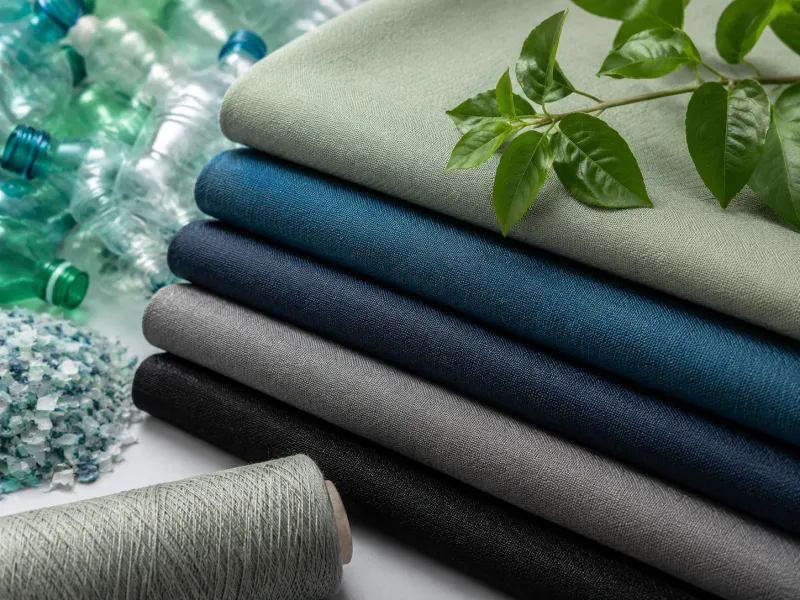
GRS Certified Recycled Fabric
Global Recycled Standard certified fabric providing traceable sustainability for international brands.
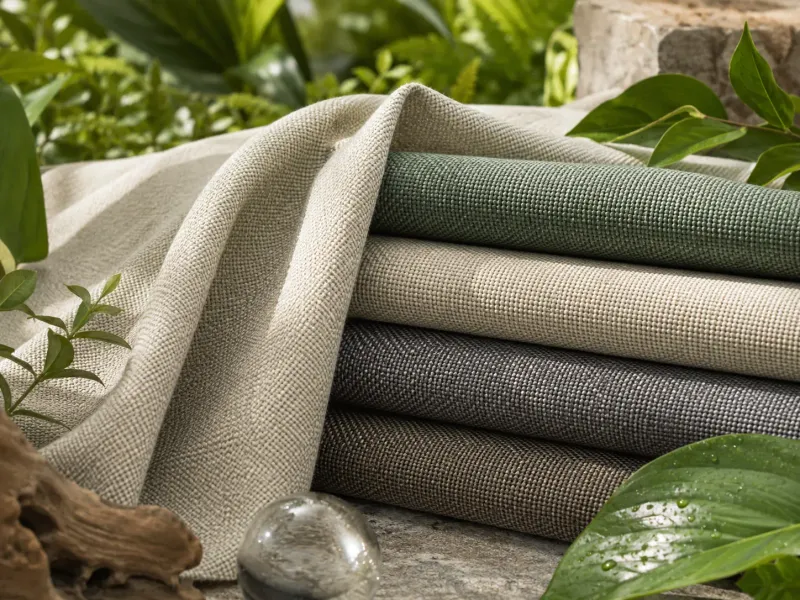
Eco Friendly Outdoor Fabric
Environmentally responsible outdoor fabric engineered for durability and sustainable performance.
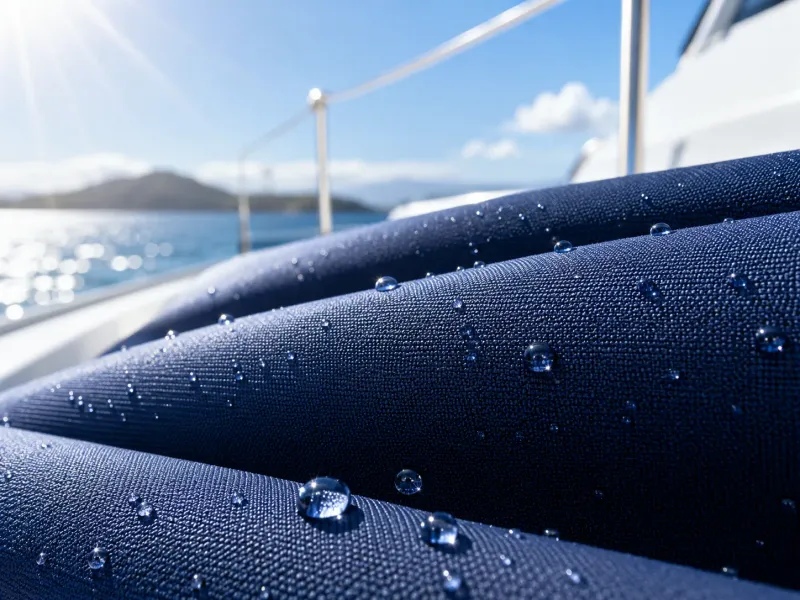
Marine UV Resistant Fabric
Marine-grade UV resistant fabric developed for harsh outdoor and coastal environments.
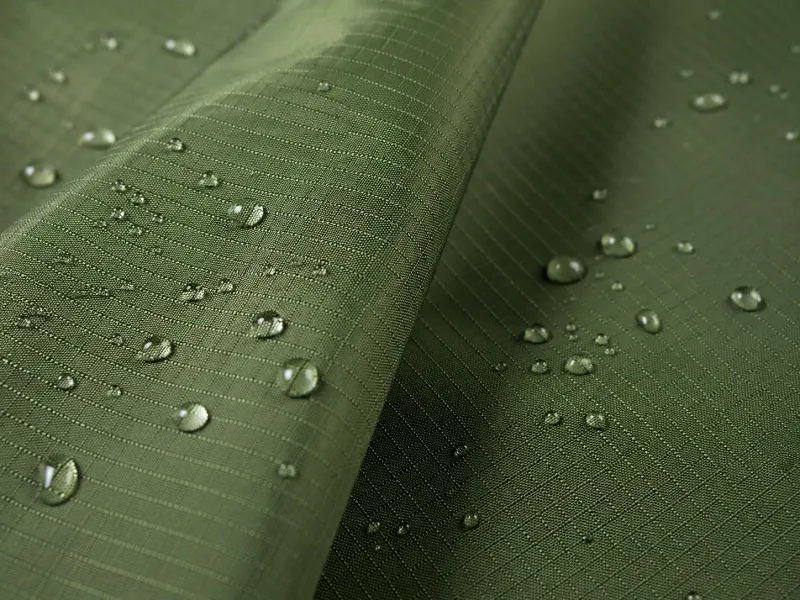
Ripstop Waterproof Fabric
Lightweight ripstop waterproof fabric with enhanced tear resistance for outdoor applications.
Related Categories
Related Applications
Data-backed comparison to help you choose the right waterproof material
Get a Fabric Recommendation