
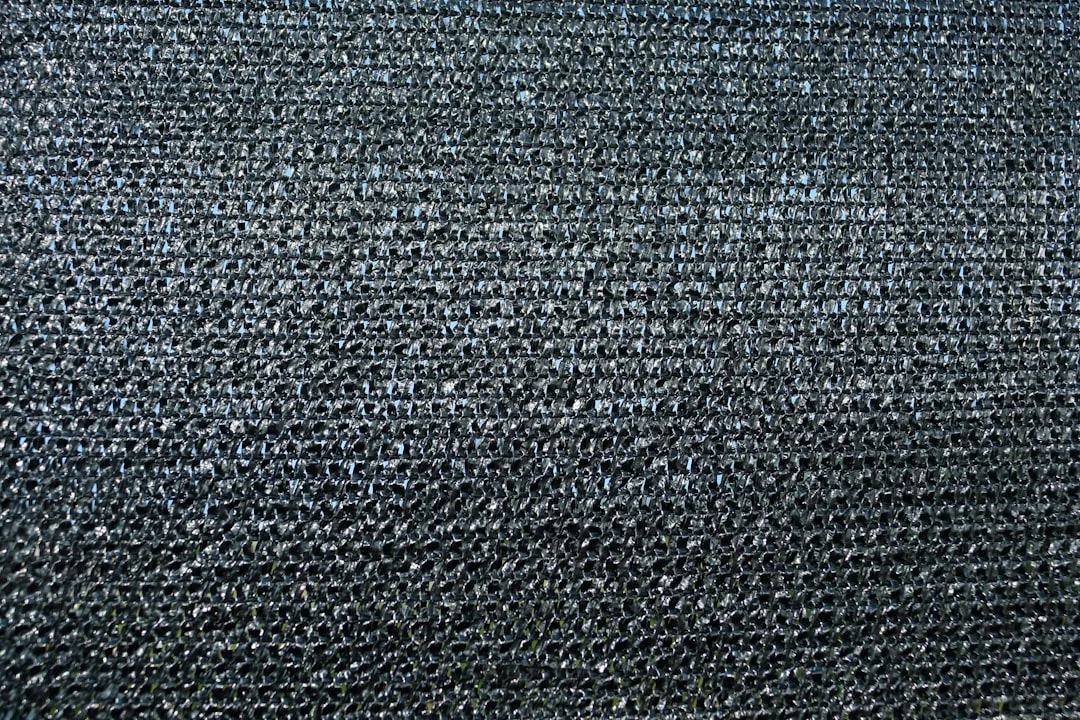
Choosing between ripstop waterproof fabric and oxford fabric is one of the most consequential decisions an outdoor gear designer or procurement buyer faces. Both fabrics are workhorses of the outdoor industry — widely specified for backpacks, tents, jackets, tarps, and utility pouches — yet they serve meaningfully different performance profiles. Ripstop constructions offer tear resistance and lightweight waterproof protection, while oxford weaves deliver abrasion resistance and robust structure for heavier-duty applications. As of 2026, demand for technically specified outdoor textiles continues to grow, driven by gear brands serving North America, Europe, and Asia-Pacific markets. This guide provides a factual, side-by-side comparison of both fabric types, grounded in real construction data, to help you source with confidence.
Understanding Ripstop Waterproof Fabric: Construction and Core Specs
What Is Ripstop Waterproof Fabric?
Ripstop fabric is defined by its reinforcement grid pattern — a thicker interlocking thread woven at regular intervals (typically 5mm–10mm apart) across a base of polyester or nylon. This grid arrests tear propagation: when a puncture or small tear begins, it stops at the nearest reinforcement thread rather than running across the full panel.
At FuncFabric, our Ripstop Waterproof Fabric is built on 100% Polyester or Nylon Ripstop Weave with the following verified specifications:
Key Specifications
| Property | Specification |
| Weight (GSM) | **80gsm – 180gsm** (customizable) |
| Waterproof Rating | **5,000mm – 15,000mm** (Hydrostatic Head) |
| Coating Type | PU (Polyurethane) or TPU (Thermoplastic Polyurethane) |
| Ripstop Grid | **5mm – 10mm** reinforcement spacing |
| Breathability (MVTR) | **3,000 – 8,000 g/m²/24h** |
Why the Weight Range Matters
At 80gsm, ripstop fabric is ultra-lightweight — ideal for ultralight backpacking shelters and packable rain jackets where every gram counts. At 180gsm, the same construction delivers meaningfully higher structural integrity for framepacks or bivouac shelters. Compared to heavier oxford constructions, even the heaviest ripstop variants remain 20–40% lighter by weight for equivalent panel coverage, which directly reduces finished product weight in bulk production runs.
Waterproof Performance
The PU or TPU coating applied to the ripstop base is what delivers waterproofing. A 10,000mm hydrostatic head rating, for example, means the fabric withstands a column of water 10 meters tall before leaking — sufficient for sustained heavy rain. For applications requiring higher protection (alpine tents, storm shells), our 3 Layer Waterproof Fabric extends ratings to 20,000mm – 30,000mm with a membrane laminate construction.
Understanding Oxford Fabric: Construction and Core Specs
What Is Oxford Fabric?
Oxford fabric takes its name from the Oxford weave structure — a basket-weave variant where two or more warp threads interlace with a single weft thread, producing a characteristically textured, visually pronounced grid surface. The result is a fabric with high surface abrasion resistance and structural stiffness, properties that have made it the default choice for bags, luggage, and equipment pouches globally.
Our Oxford Fabric is available in a range of denier weights commonly running from 150D to 1680D, with PU or PVC coatings for water resistance. Key construction characteristics include:
Typical Oxford Fabric Properties
| Property | Typical Range |
| Denier | **150D – 1680D** (light to heavy-duty) |
| Weave | Basket / Oxford (2x2 or higher) |
| Coating Options | PU, PVC, or uncoated |
| Surface Texture | Pronounced basket grid (high tactile stiffness) |
| Abrasion Resistance | High (superior to most ripstop at equivalent GSM) |
| Water Resistance | Water-resistant to waterproof depending on coating weight |
The Abrasion Advantage
For gear that contacts rough surfaces repeatedly — ground-contact tent floors, the base panel of backpacks, military pouches, and tool rolls — oxford fabric's dense basket weave outperforms ripstop in abrasion cycles. The interlocked weave structure distributes contact stress more evenly, making it the industry standard choice for high-wear zones. In our production experience, 600D Oxford with PU coating is one of the most frequently specified constructions for mid-range outdoor packs exported to North American and European markets.
Water Resistance vs Waterproofing
It is important to note the distinction: oxford fabric with a standard PU coating is typically water-resistant, not fully waterproof. Under prolonged hydrostatic pressure — as in heavy sustained rain or immersion — unlaminated coated oxford will eventually wet through. For waterproof requirements, a heavier PVC coat or a TPU laminate is needed, which adds weight and reduces breathability.
Head-to-Head Comparison: Ripstop Waterproof vs Oxford for Outdoor Gear
Direct Performance Comparison
The table below compares both fabrics across the properties most critical to outdoor gear specification decisions:
| Performance Property | Ripstop Waterproof Fabric | Oxford Fabric |
| **Weight** | Ultra-light: **80–180gsm** | Heavier: typically **150–500gsm** equivalent |
| **Tear Resistance** | **Excellent** — grid arrests propagation | Moderate — no dedicated tear-stop structure |
| **Abrasion Resistance** | Moderate (depends on base denier) | **High** — basket weave distributes stress |
| **Waterproof Rating** | **5,000–15,000mm** (with PU/TPU coating) | Varies; unlaminated often < 3,000mm |
| **Breathability (MVTR)** | **3,000–8,000 g/m²/24h** | Low to none (especially PVC-coated) |
| **Pack/Fold-Down** | Excellent — packs small | Moderate — stiffer hand |
| **Stiffness / Structure** | Low to moderate | Moderate to high |
| **Cost Profile** | Moderate | Lower at commodity denier weights |
| **Primary Outdoor Use** | Rain jackets, ultralight tents, stuff sacks | Backpacks, luggage, pouches, ground sheets |
Where Ripstop Wins
- Apparel and packable shelter where breathability (MVTR 3,000–8,000 g/m²/24h) matters and weight must be minimized.
- Applications with puncture/tear risk such as bushcraft tarps, bivy shelters, or technical climbing packs.
- High waterproof rating requirements: a PU-coated ripstop at 15,000mm outperforms most standard-coated oxford panels in sustained rain tests.
Where Oxford Wins
- High-cycle abrasion zones: pack base panels, laptop compartment interiors, and tool organizers that drag across surfaces daily.
- Structured gear requiring body and shape retention: camera bags, hard-sided luggage shells, and military MOLLE systems.
- Cost-sensitive bulk production: commodity 600D and 900D oxford remains widely available at competitive bulk pricing for standard outdoor accessories.
The Hybrid Approach
Many export-grade outdoor products combine both: oxford for the pack body and base, ripstop for the lid, rain cover, and apparel integration panels. This hybrid construction, which we prep and supply on a regular basis for wholesale clients, plays to each material's strengths without compromise.
Application Guide: Which Fabric for Which Outdoor Product?
Matching Fabric to Product Category
Based on the construction data above and export production experience serving the Outdoor & Adventure Industry, here is a practical application guide:
| Outdoor Product | Recommended Fabric | Key Reason |
| Rain Jacket / Hard Shell | Ripstop Waterproof Fabric | Breathability + light weight + waterproof rating |
| Ultralight Tent Body | Ripstop Waterproof Fabric | Tear resistance + **80–120gsm** weight |
| Tent Floor / Ground Sheet | Oxford Fabric (heavy PVC coat) | Abrasion resistance on ground contact |
| Trekking Backpack (main body) | Oxford Fabric (600D–900D) | Structural rigidity + abrasion cycles |
| Backpack Rain Cover | Ripstop Waterproof Fabric | Lightweight packability + waterproof |
| Stuff Sacks / Dry Bags | Ripstop Waterproof Fabric | Compressibility + moisture barrier |
| Military / Tactical Pouches | Oxford Fabric (1000D) | Maximum abrasion + structural strength |
| Bivouac Shelter / Tarp | Ripstop Waterproof Fabric | Tear arrest + **5,000–15,000mm** protection |
| Luggage / Duffle Bags | Oxford Fabric | Body, shape retention, abrasion |
Shell and Layering Options
For brands developing full outdoor shell systems, our Outdoor Shell Fabric covers ripstop weave, softshell knit, and hardshell woven constructions from 100gsm to 300gsm, with DWR (PFC-Free options available) and wind resistance rated at < 1 mm/s air permeability. For maximum waterproofing in premium gear, Waterproof Breathable Fabric with TPU membrane lamination reaches 10,000mm – 20,000mm hydrostatic ratings with MVTR of 5,000–15,000 g/m²/24h — bridging the gap between ripstop's lighter protection and full weatherproof membranes.
Sustainability Considerations
As of 2026, an increasing share of Outdoor Apparel brands sourcing globally require GRS-certified recycled inputs. Our Eco Friendly Outdoor Fabric offers 100% Recycled Polyester (RPET) or Recycled Nylon with PFC-Free DWR finish and UPF 50+ protection, providing an eco-aligned alternative to virgin-fiber ripstop or oxford constructions.
Sourcing Ripstop and Oxford Fabrics at Wholesale Scale
Wholesale and Bulk Supply Capabilities
FuncFabric supplies both ripstop waterproof and oxford fabrics at export-quality wholesale scale to brands and manufacturers across North America, Europe, and Asia-Pacific. Our production lines support full customization across the following parameters:
Customization Options
- GSM / Weight: Ripstop from 80gsm (ultralight) to 180gsm (heavy-duty); Oxford from light 150D to heavy 1680D constructions
- Coating: PU, TPU, or PVC — waterproof rating adjusted to specification
- Color: Custom Pantone matching across both fabric types
- Width: Standard 150cm–180cm rolls; wider formats available on request
- DWR Finish: PFC-Free Durable Water Repellent available on both constructions
- Recycled Content: RPET-based ripstop and oxford available with GRS traceability documentation
Quality and Documentation
Every production batch is QC-checked before shipment. We provide full material test reports on request, including hydrostatic head results, MVTR measurements, color fastness grades, and tensile/tear strength data. For buyers requiring third-party verification, we support GRS chain-of-custody documentation for recycled fabric orders.
MOQ and Ordering
Standard MOQ for custom-color or custom-spec ripstop and oxford fabric orders starts at 500 meters per SKU for catalog constructions. Highly specialized constructions or novel coating combinations may require higher minimums. Sample cuts are available for pre-production evaluation — contact our team to initiate a sample request.
For premium laminated constructions beyond standard coated ripstop, explore our TPU Laminated Fabric (waterproof rating 20,000mm–30,000mm, MVTR 8,000–18,000 g/m²/24h) and Waterproof Polyester Fabric lines for a complete waterproof fabric sourcing solution.
Frequently Asked Questions
Is ripstop waterproof fabric actually waterproof, or just water-resistant?
Ripstop fabric by itself — the woven base with its reinforcement grid — is not inherently waterproof. Waterproofing is delivered by the coating applied to the fabric: PU (Polyurethane) or TPU (Thermoplastic Polyurethane). A PU-coated ripstop with a hydrostatic head rating of 5,000mm is waterproof for typical rain conditions; at 10,000mm–15,000mm it handles sustained heavy rain. Without a coating, ripstop is merely water-resistant. Always confirm the hydrostatic head rating when specifying ripstop for waterproof applications.
Which fabric is more durable for backpacks — ripstop or oxford?
For backpack body panels, especially base panels and high-contact zones, oxford fabric (typically 600D–1000D with PU coating) generally offers superior abrasion resistance due to its dense basket weave construction. Ripstop fabric excels in tear resistance — if the pack is snagged on a branch, the ripstop grid arrests the tear — but it is less resistant to repetitive surface abrasion. Many export-grade pack designs use oxford for the body and base, and ripstop for lighter panels such as lids and hydration sleeves to balance durability and weight.
Can ripstop waterproof fabric be sourced in recycled (RPET) versions?
Yes. As of 2026, RPET-based ripstop is available with GRS (Global Recycled Standard) certification and full chain-of-custody documentation. The recycled polyester base is mechanically processed from post-consumer PET bottles into yarn before weaving. Performance specifications — including waterproof rating, MVTR, and tear resistance — are comparable to virgin polyester ripstop at equivalent GSM. Minimum order quantities and lead times may differ slightly from standard virgin constructions; request samples to confirm performance before finalizing specifications.
What waterproof rating do I need for outdoor gear fabric?
The required hydrostatic head rating depends on the application. As a general industry reference: 1,500mm–3,000mm is adequate for light rain and splash resistance (umbrellas, light covers); 5,000mm–10,000mm handles moderate to heavy rain (backpacks, casual outerwear, tents in mild climates); 10,000mm–20,000mm is appropriate for sustained alpine rain or snow (technical shelters, hardshell jackets); above 20,000mm is for extreme conditions (expedition tents, fully waterproof outer shells). Our Ripstop Waterproof Fabric covers 5,000mm–15,000mm; for higher ratings, 3 Layer Waterproof Fabric or TPU Laminated Fabric reaches 20,000mm–30,000mm.
What is the minimum order quantity for custom ripstop or oxford fabric?
For catalog constructions of both ripstop waterproof and oxford fabric, standard MOQ begins at 500 meters per SKU. Custom color, custom coating weight, or non-standard width specifications may require higher minimums depending on the construction complexity. Sample cuts are available prior to bulk orders to verify color, hand feel, and performance data. Contact FuncFabric directly with your full specification sheet to receive an accurate MOQ and lead time confirmation.
Related Resources
Related Products (3)
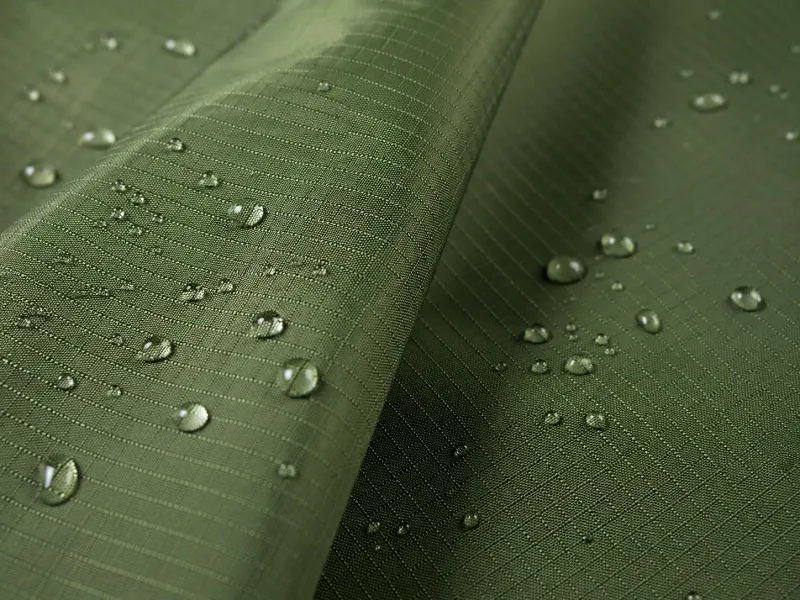
Ripstop Waterproof Fabric
Lightweight ripstop waterproof fabric with enhanced tear resistance for outdoor applications.
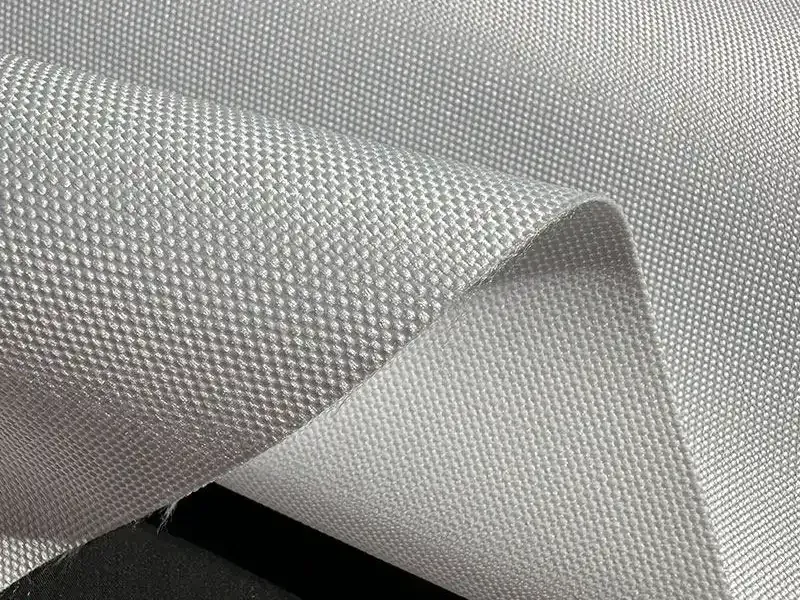
Oxford Fabric
Factory-direct Oxford fabric: 210D to 600D+, PU/PVC/PA coatings, waterproof options for bags, tents, workwear and covers. Low MOQ, free swatches, 24-hour quotes.
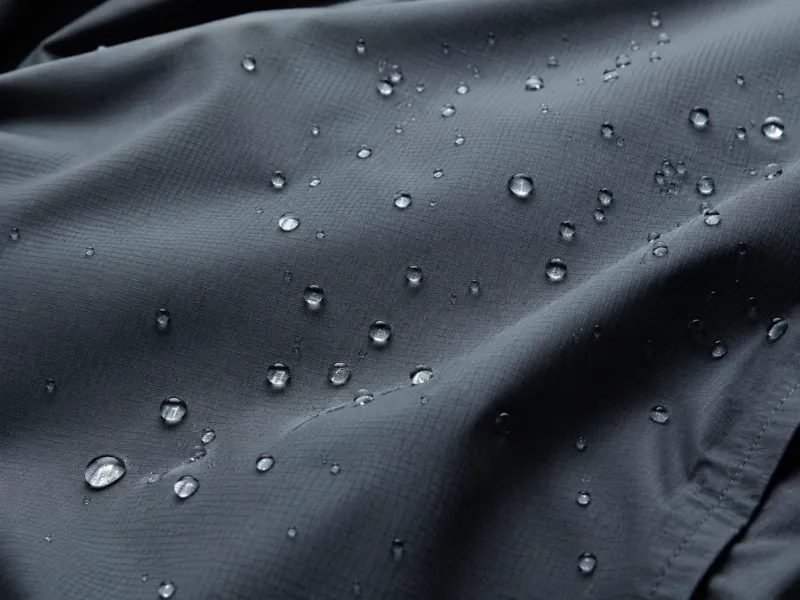
Outdoor Shell Fabric
Weather-resistant shell fabric developed for outdoor jackets and protective outerwear.
Related Categories
Related Applications
Related Industries
A technical comparison to help outdoor gear brands choose the right fabric for performance, durability, and application fit
Request Fabric Samples or a Wholesale Quote Today