
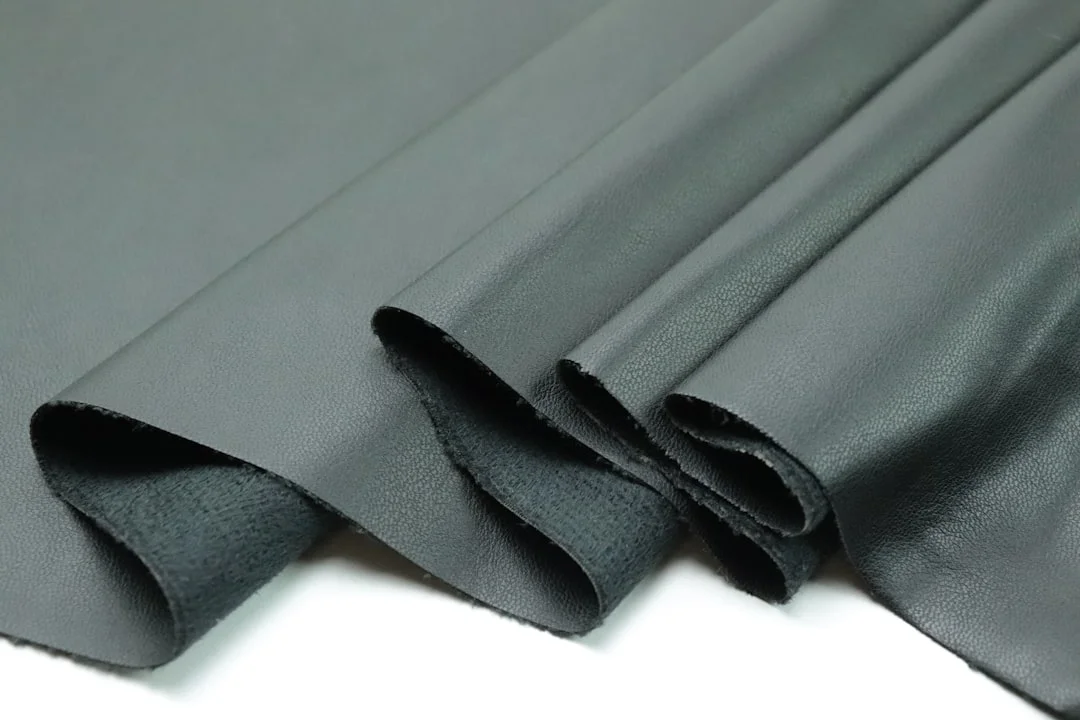
Independent activewear labels face a specific challenge that large brands rarely talk about: finding wholesale waterproof breathable fabric that meets technical performance benchmarks without demanding the kind of minimum order quantities that only enterprise-scale buyers can commit to. As of 2026, FuncFabric supplies export-quality waterproof breathable fabrics to small and growing activewear brands across North America, Europe, and beyond — with construction options ranging from 2-layer to full 3-layer laminates, hydrostatic head ratings from 10,000 mm to 30,000 mm, and MVTR breathability from 5,000 to 18,000 g/m²/24h. Whether you are developing a trail-running shell, a waterproof yoga outer layer, or a technical softshell, this page covers everything you need to know about sourcing the right fabric in the right quantities for your label.
The Small-Label Sourcing Problem: Why Standard Fabric Suppliers Fall Short
The Core Challenge for Independent Activewear Brands
Most fabric mills producing high-performance waterproof breathable textiles are structured to serve large-volume buyers. Their default MOQs — often 3,000 to 5,000 meters per colorway — price out small activewear labels before a conversation even begins. The result: independent designers either compromise on technical performance by sourcing generic coated polyester, or they overcommit to inventory they cannot move.
How FuncFabric Addresses This Gap
FuncFabric operates on a different model. Our wholesale waterproof breathable fabric range is accessible to labels at earlier growth stages, with structured ordering tiers that allow brands to validate a product line before scaling. Compared to purchasing finished outerwear blanks and private-labeling them, sourcing your own technical fabric gives you:
- Full control over construction (2-layer, 2.5-layer, or 3-layer laminate)
- Custom colorways and surface finishes aligned with your brand identity
- Significantly better unit economics at production scale
- IP ownership of your cut-and-sew patterns and fit
What "Waterproof Breathable" Actually Means in 2026
The two performance metrics that matter most are hydrostatic head (waterproofing) and MVTR (breathability). A garment rated at 10,000 mm hydrostatic head will resist sustained rainfall and pressure — adequate for urban commuter or light trail use. A 20,000 mm+ rating is appropriate for alpine or high-output activities where the wearer generates significant sweat vapor that must escape. MVTR values below 5,000 g/m²/24h will feel clammy in sustained aerobic output; our top-tier 3-layer constructions reach 18,000 g/m²/24h, which is on par with current industry standards for technical outerwear.
Fabric Construction Options: Choosing the Right Laminate for Your Application
Overview of Laminate Structures
Not every activewear application requires the same construction. Below is a practical comparison of the three laminate configurations available from FuncFabric, mapped to typical activewear use cases.
| Construction | Waterproof Rating | MVTR (g/m²/24h) | Weight (GSM) | Best For |
| 2-Layer Laminate | 10,000–15,000 mm | 5,000–10,000 | 140–200 gsm | Lifestyle shells, yoga outerwear, urban active |
| 2.5-Layer Laminate | 15,000–20,000 mm | 8,000–13,000 | 150–220 gsm | Running, cycling, light trail |
| 3-Layer Laminate | 20,000–30,000 mm | 10,000–18,000 | 180–280 gsm | Alpine, high-output trail, technical ski |
Key Product References
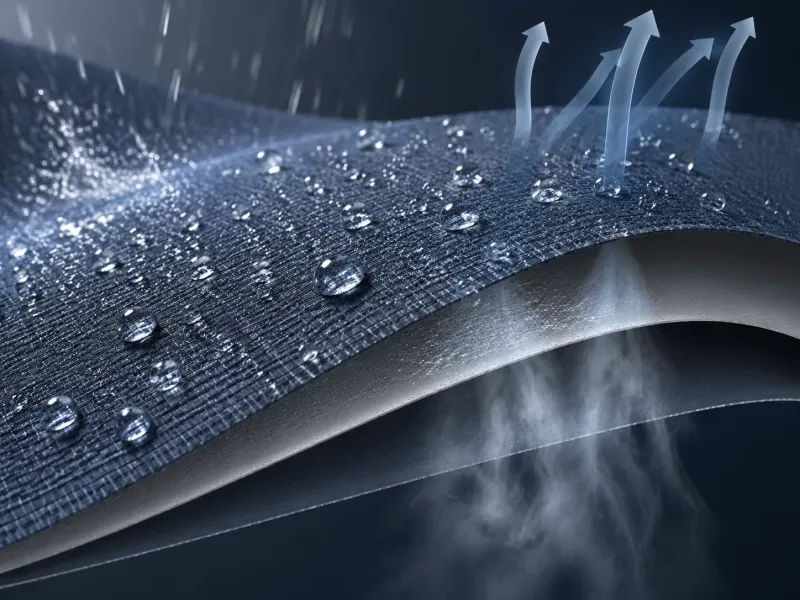
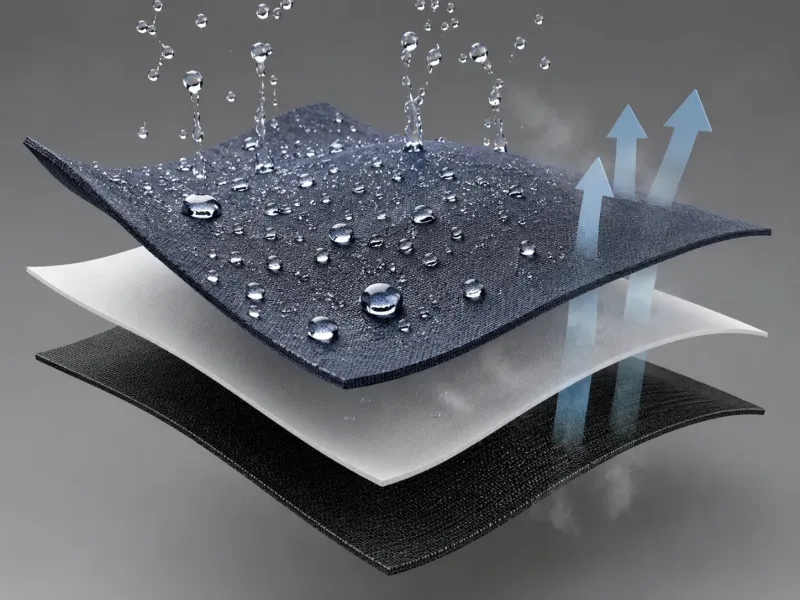
Our Waterproof Breathable Fabric covers the full range of 2-layer to 3-layer constructions with PU or TPU membranes. For brands that want maximum performance, the 3 Layer Waterproof Fabric uses a micro-porous TPU film (15–30 microns) bonded between a face fabric and a durable backer, achieving 20,000–30,000 mm hydrostatic head and MVTR up to 18,000 g/m²/24h.
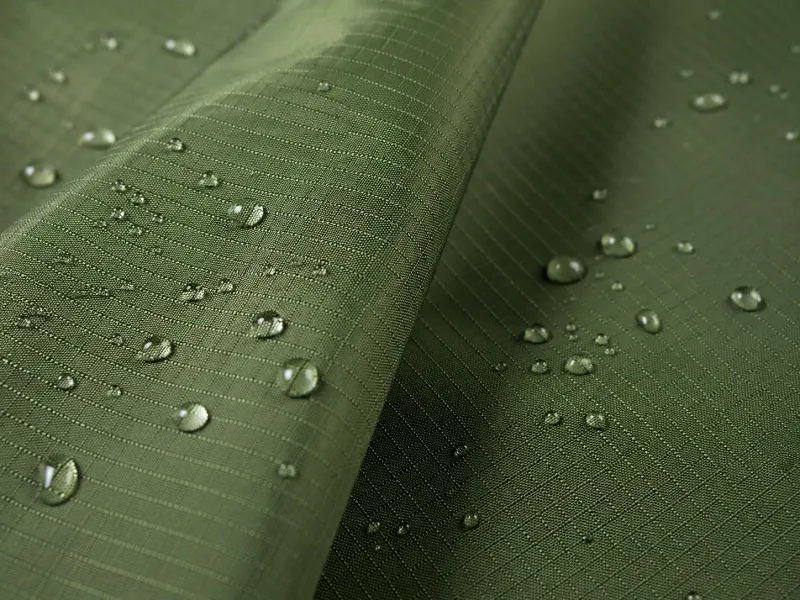
For lightweight trail and running applications where packability matters, the Ripstop Waterproof Fabric offers a 5,000–15,000 mm waterproof rating in weights as low as 80 gsm, with a 5–10 mm reinforcement grid that resists tearing under pack straps and branch snags.
Surface Finish & DWR Options
- PFC-Free DWR (current industry-preferred standard as of 2026, avoids PFAS regulatory exposure in EU and US markets)
- Standard fluorocarbon DWR available on request
- Matte, gloss, or natural hand-feel face options
- TPU Laminated Fabric offers adhesion strength > 20 N/5mm, ensuring the membrane bond survives repeated washing and compression
Technical Specifications: What to Verify Before You Order
Core Performance Specifications
When evaluating wholesale waterproof breathable fabric for activewear production, these are the specification fields that directly affect garment performance and compliance in your target markets.
| Specification | Entry-Level | Performance | Technical |
| Hydrostatic Head | 5,000–8,000 mm | 10,000–15,000 mm | 20,000–30,000 mm |
| MVTR | 3,000–5,000 g/m²/24h | 8,000–12,000 g/m²/24h | 15,000–18,000 g/m²/24h |
| Weight | 120–160 gsm | 160–220 gsm | 220–280 gsm |
| Membrane | PU Coating | PU Laminate | TPU Laminate |
Material Base Options
- 100% Polyester Tricot — cost-effective, high availability, good dyeability
- Nylon Tricot — superior abrasion resistance and a more premium hand feel; preferred for outerwear facing repeated contact (backpack hip belts, harnesses)
- Nylon/Polyester Blends — balance of economy and performance
Weight Guidance for Activewear
For garments that will be worn during aerobic activity, 140–200 gsm is the practical range. Heavier constructions (220–280 gsm) are better suited to ski shells or alpine use where insulation layers are worn beneath. We regularly supply fabrics in the 160–200 gsm band to running and trail brands — light enough to pack into a hand pocket but durable enough for technical use.
Fabric Width
Standard width from our rolls is 150 cm to 180 cm, which allows efficient marker making for both men's and women's patterns without excessive waste. Custom widths are available for specific cutting requirements.
Sustainable Options: Waterproof Breathable Fabric With Recycled Content
Why Sustainability Matters for Activewear Labels in 2026
Consumer expectations around sustainable production have shifted significantly. In the activewear segment specifically, brands that cannot speak credibly to their material sourcing are increasingly disadvantaged — particularly in European and North American retail channels. Regulatory pressure (EU Green Claims Directive, US FTC Green Guides update) means that claims like "eco-friendly" must now be substantiated with traceable documentation.
GRS-Certified Recycled Options
FuncFabric offers waterproof breathable constructions built on recycled polyester (RPET) and recycled nylon base fabrics. Our GRS Certified Recycled Fabric provides:
- Recycled content: 20%–100% (independently audited)
- Full Chain of Custody (COC) documentation from post-consumer waste to finished roll
- Fabric weights: 120–300 gsm (customizable)
- Compatible with PU and TPU membrane lamination processes
The Eco Friendly Outdoor Fabric combines 100% RPET or Recycled Nylon with a PFC-Free DWR surface finish and UPF 50+ UV protection — a combination that addresses waterproofing, sun protection, and sustainability in a single construction. This is particularly relevant for trail running and mountain biking apparel where UV exposure is significant.
Comparing Conventional vs. Recycled Base Fabrics
| Attribute | Conventional Polyester | RPET / Recycled Nylon |
| Carbon footprint | Baseline | ~30–50% lower (GRS data) |
| Performance parity | Full | Full (no performance penalty) |
| Documentation | Standard | COC + GRS Certificate |
| Regulatory positioning | Standard | EU/US sustainability claim compliant |
For labels building a sustainability narrative, the recycled base fabric option does not require any performance compromise — MVTR and hydrostatic head specifications are identical to conventional constructions.
Ordering Process, Sampling & What to Expect as a Small Label
How the Wholesale Process Works for Small Activewear Brands
Many of the activewear labels we work with are in the 50–500 unit production range per style. The fabric ordering process is structured to accommodate this reality without forcing you into inventory positions that don't match your sell-through.
Step-by-Step Sourcing Workflow
1. Specify your application — shell jacket, running vest, softshell, etc. This determines the laminate tier and weight range.
2. Request fabric samples — physical hand samples and lab test reports (hydrostatic head, MVTR, DWR performance) are available before any bulk commitment.
3. Confirm colorway and finish — standard colors are available from stock; custom colors require additional development lead time.
4. Place wholesale order — rolls are supplied at 150–180 cm width, enabling efficient cutting for standard activewear patterns.
5. Receive test reports — every production batch ships with full material certifications and test documentation.
What Small Labels Consistently Get Wrong
The most common sourcing mistake we see from early-stage activewear labels is selecting fabric based on waterproof rating alone, without verifying MVTR. A fabric rated at 20,000 mm hydrostatic head with an MVTR of only 3,000 g/m²/24h will trap moisture during aerobic activity — the garment waterproofs the wearer *in* as effectively as it keeps rain *out*. Always request both figures and match them to your intended activity intensity.
Export & Global Supply
FuncFabric supplies wholesale fabric to labels in North America, Europe, Australia, and across Asia-Pacific. All export shipments include material safety data, country of origin documentation, and composition certifications. The Waterproof & Breathable Fabric category covers the full range of constructions available for wholesale ordering.
Frequently Asked Questions
What is the minimum order quantity for wholesale waterproof breathable fabric at FuncFabric?
FuncFabric structures wholesale orders to accommodate small and growing activewear labels. MOQ varies by construction type and colorway. Stock colorways in standard constructions are accessible in smaller meter quantities, while custom colors and bespoke laminate specifications require higher minimums. We recommend contacting our team with your specific application requirements — shell jacket, running vest, softshell — so we can identify the most appropriate construction and confirm the applicable MOQ tier.
What is the difference between 2-layer, 2.5-layer, and 3-layer waterproof breathable fabric for activewear?
The layer count refers to how the membrane is integrated with the face fabric and, in some cases, a backer. A 2-layer laminate bonds the membrane to the face fabric only, leaving the interior exposed — usually requiring a loose liner in the finished garment. A 2.5-layer adds a printed or embossed dot pattern on the membrane interior to protect it without a full backer layer, saving weight. A 3-layer construction fully laminates a backer fabric to the membrane, creating a single integrated structure. The 3-layer approach achieves the highest performance — up to 30,000 mm hydrostatic head and 18,000 g/m²/24h MVTR — but at higher weight (180–280 gsm) and cost per meter. For high-output activewear like trail running or alpine use, the 3-layer is the correct choice.
Is PFC-free DWR available, and does it perform as well as fluorocarbon DWR?
Yes, PFC-free DWR is available across our waterproof breathable fabric range and is the current industry-standard choice as of 2026, driven by PFAS regulatory restrictions in the EU and increasing retailer requirements in North America. In standard rain and light precipitation conditions, current-generation PFC-free DWR performs comparably to fluorocarbon DWR. Under prolonged heavy rain or abrasive contact, fluorocarbon treatments have historically shown better persistence — but the gap has narrowed significantly with newer PFC-free chemistries. For most activewear label applications, PFC-free DWR is the appropriate and commercially safer choice.
Can I order waterproof breathable fabric with recycled content and still get performance certifications?
Yes. Our recycled-base waterproof breathable fabrics — built on 100% RPET or Recycled Nylon — carry GRS (Global Recycled Standard) certification with full Chain of Custody documentation. Performance specifications (hydrostatic head, MVTR, DWR) are equivalent to conventional constructions. You receive both the sustainability documentation needed to substantiate recycled-content claims and the technical test reports (hydrostatic head, MVTR) needed for garment performance marketing. There is no trade-off between certification and performance in these constructions.
What fabric weight should I specify for a waterproof running jacket versus a technical shell?
For a packable waterproof running jacket, the target weight range is 80–160 gsm — light enough to compress into a chest pocket while still delivering 10,000–15,000 mm waterproofing for rain events. A ripstop construction in this range also adds tear resistance without adding significant weight. For a technical alpine or ski shell intended to be worn over insulation layers, 180–280 gsm is appropriate, with a 3-layer laminate providing the durability and 20,000–30,000 mm waterproof rating needed for sustained exposure. Specifying the wrong weight is one of the most common early-stage development errors — a 280 gsm fabric in a running jacket will severely restrict packability and feel uncomfortably heavy in motion.
Related Resources
Related Products (4)
Waterproof Breathable Fabric
Advanced waterproof and breathable fabric engineered for high-performance outdoor garments.
3 Layer Waterproof Fabric
Premium 3-layer waterproof fabric for professional outdoor and technical apparel.
Ripstop Waterproof Fabric
Lightweight ripstop waterproof fabric with enhanced tear resistance for outdoor applications.
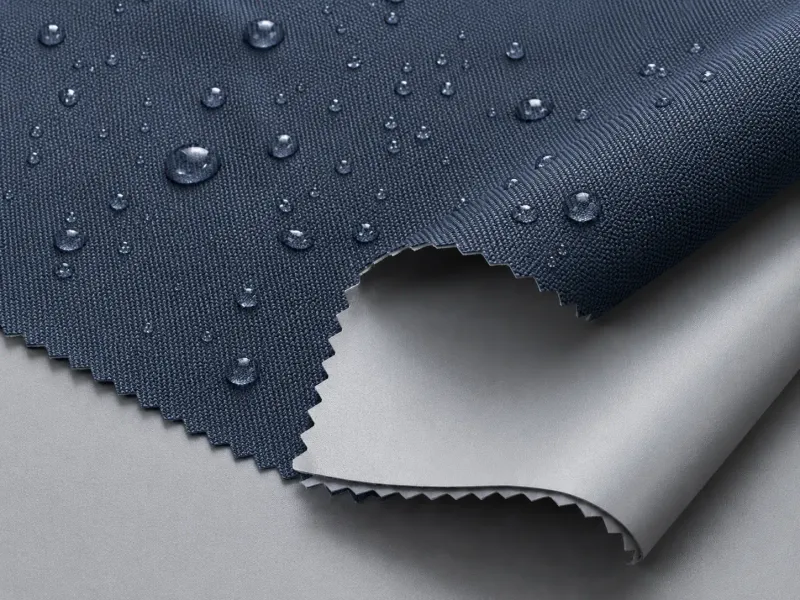
TPU Laminated Fabric
TPU laminated fabric providing superior waterproof performance and flexibility.
Related Categories
Related Applications
Related Industries
Export-quality technical fabrics with low MOQ — built for independent activewear brands scaling from sample to production
Request Wholesale Fabric Samples for Your Activewear Label