
3 layer waterproof fabric is a laminated technical textile built from three bonded layers: a durable outer face fabric, a micro-porous waterproof membrane, and a protective inner backer. As of 2026, it remains the performance benchmark for outdoor shells because it combines high hydrostatic-head protection with meaningful breathability in a single, durable construction. In this guide, we explain what counts as 3-layer construction, how it outperforms simpler 2-layer alternatives, and the exact specifications buyers should check when sourcing fabric for jackets, bibs, and expedition gear.
What Is 3 Layer Waterproof Fabric? Definition and Construction
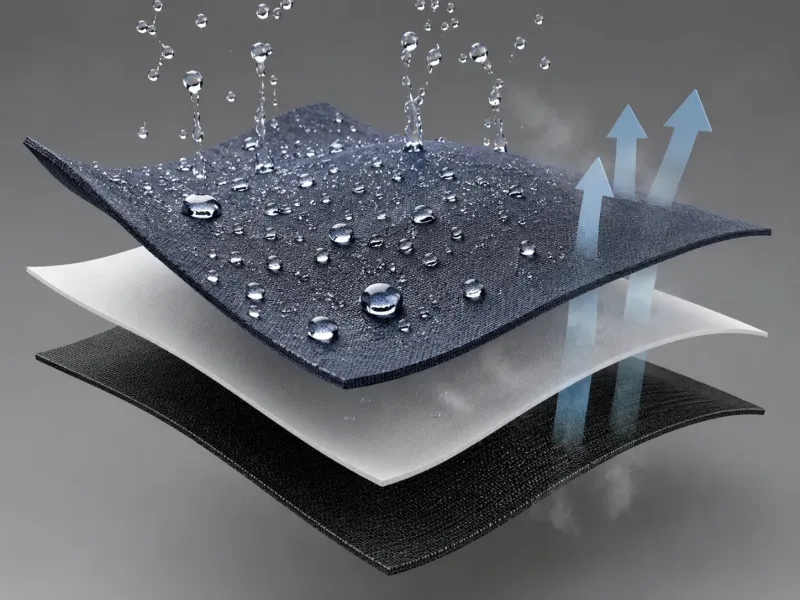
In practical terms, what is 3 layer waterproof fabric? It is a composite material made by permanently bonding three layers together: an outer face fabric, a micro-porous membrane, and a durable backer. Our 3 Layer Waterproof Fabric uses high-density nylon or polyester tricot for the face, a PU or TPU film between 15 and 30 microns thick as the membrane, and a robust inner layer to protect that membrane from wear.
The finished laminate weighs 180-280 GSM, making it heavier than a simple coated fabric but far more durable in the field. The backer is the key difference: it prevents the membrane from being abraded by base layers or skin contact, which is why 3-layer shells are the current industry standard for alpine and expedition apparel.
How the Face Fabric, Membrane, and Backer Work Together
During lamination, the membrane is bonded to both the face and backer. Each layer has a distinct job: the face handles abrasion and DWR, the membrane blocks liquid water, and the backer protects the membrane and improves drape. In our production QC, we check adhesion strength on TPU Laminated Fabric runs—the specification requires more than 20 N/5mm to ensure layers do not separate in repeated use.
The benefit of this sealed structure is reliability. While standard Waterproof Polyester Fabric with a PU coating typically reaches 5,000-10,000mm, the 3-layer membrane construction is engineered for 20,000-30,000mm hydrostatic head. That rating tells a buyer the fabric can handle a column of water 20 to 30 meters high before penetration, a meaningful safety margin for prolonged rain and snow.
Key Performance Specs: Waterproof Rating, MVTR, and Weight
The two numbers that matter most are waterproof rating and breathability. Our 3 Layer Waterproof Fabric delivers 20,000-30,000mm hydrostatic head and 10,000-18,000 g/m²/24h moisture vapor transmission rate (MVTR). That combination puts it ahead of 2-layer waterproof breathable fabrics, which typically range from 10,000-20,000mm, while maintaining a finished weight of 180-280 GSM.
Breathability is what stops a shell from turning into a sauna during high-output activities. For context, the 10,000-18,000 MVTR range is suitable for backpacking, ski touring, and trail running when the rest of the garment is designed correctly. We can adjust membrane type and backer GSM within that range to tune the hand-feel and comfort.
3-Layer vs. 2-Layer vs. 2.5-Layer: Which Construction Should You Use?
2-layer fabric laminates the face and membrane only; a hanging lining is used to protect the membrane. 2.5-layer construction adds a printed or fine protective layer, reducing weight but offering limited long-term durability. A true 3-layer laminate bonds face, membrane, and backer into one integrated textile.
Compared with 2-layer shells, 3-layer fabric reduces pack volume, eliminates liner wear, and gives the garment a cleaner next-to-skin feel. It is heavier—typically 180-280 GSM versus lighter alternatives—but that weight translates into abrasion resistance and service life. For lighter packable uses, Ripstop Waterproof Fabric offers an 80-180 GSM construction with 5,000-15,000mm waterproofing, so the right choice depends on your target environment.
Sourcing and Customizing 3 Layer Waterproof Fabric for Production
When planning a bulk order, define the face yarn (nylon or polyester tricot), membrane type (PU or TPU), backer material, and target GSM. Our 3 Layer Waterproof Fabric is customizable from 180-280 GSM, with 20,000-30,000mm waterproof and 10,000-18,000 MVTR breathability. We supply wholesale rolls for outdoor apparel manufacturing and support export orders, so your production team receives consistent material roll-to-roll.
To get started, send us your application—ski shell, hiking jacket, or rain bib—and your target performance range. We can also discuss DWR finishes, color, and roll format. Request a quote through the contact form, and we will match a 3-layer laminate to your performance and durability goals.
Frequently Asked Questions
What is 3 layer waterproof fabric?
3 layer waterproof fabric is a laminated textile made from three layers: a face fabric (often high-density nylon or polyester tricot), a micro-porous PU or TPU membrane (15-30 microns), and a durable backer. It offers a waterproof rating of 20,000-30,000mm hydrostatic head and breathability of 10,000-18,000 g/m²/24h in a 180-280 GSM package.
What is the difference between 2-layer and 3-layer waterproof fabric?
2-layer fabric bonds the membrane to the face fabric and relies on a separate lining to protect it, making the garment less packable. 3-layer fabric laminates face, membrane, and backer together, creating a more durable, streamlined shell. Compared with 2-layer, a 3-layer laminate typically offers higher initial waterproof performance—20,000-30,000mm versus 10,000-20,000mm for many standard waterproof breathable fabrics—and better long-term durability.
What waterproof rating should 3 layer fabric have?
Look for a hydrostatic head of at least 20,000mm for serious outdoor use. Our 3 Layer Waterproof Fabric ranges from 20,000-30,000mm, which is suitable for prolonged rain, snow, and alpine conditions. Breathability should be considered alongside waterproofing; this fabric delivers 10,000-18,000 g/m²/24h MVTR.
Can I buy 3 layer waterproof fabric in bulk for manufacturing?
Yes, we supply 3 layer waterproof fabric in rolls for wholesale and bulk outdoor apparel production. You can specify the face fabric construction, membrane type (PU or TPU), total GSM between 180-280, and backer material. Contact our team with your target application and size requirements.
What is the membrane in 3 layer waterproof fabric made of?
The membrane is typically micro-porous polyurethane (PU) or thermoplastic polyurethane (TPU) film, 15-30 microns thick. It blocks liquid water while allowing moisture vapor to escape, giving the fabric its waterproof and breathable performance. The same membrane technology is used in our TPU Laminated Fabric, with waterproof ratings up to 20,000-30,000mm.
Related Resources
Related Products (2)
Related Categories
Related Applications
Related Industries
The waterproof-breathable standard for serious outdoor gear, explained.
Request a 3 Layer Fabric Quote