
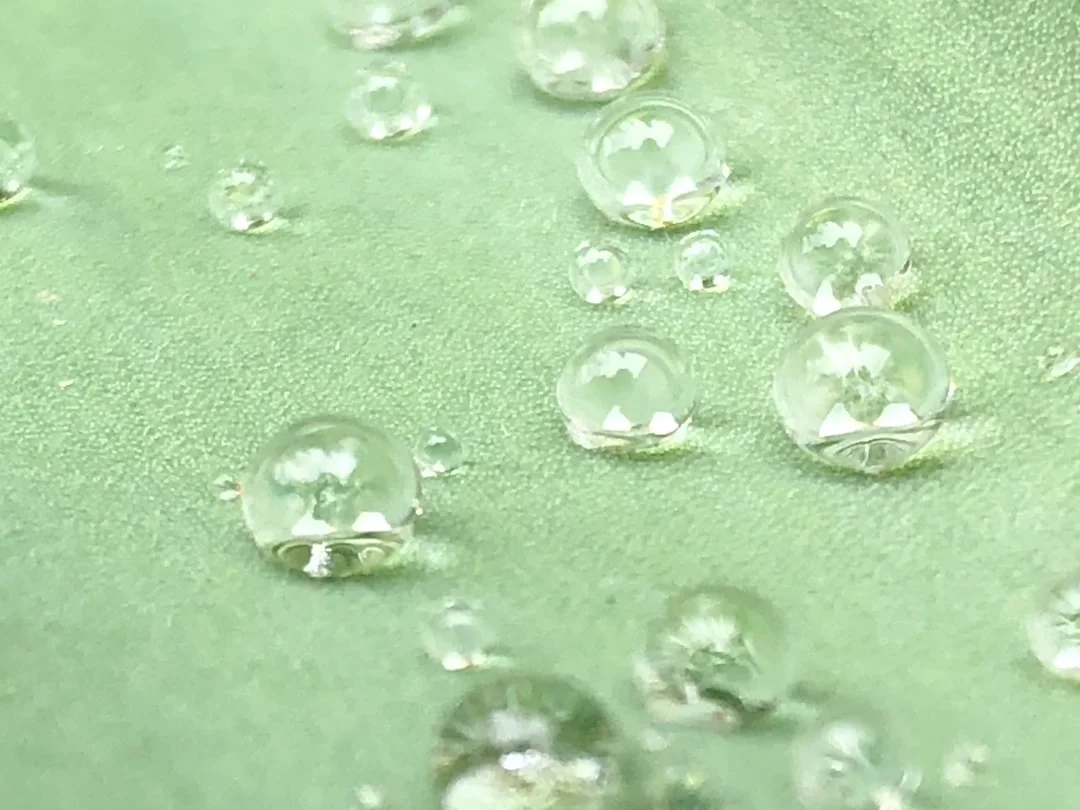
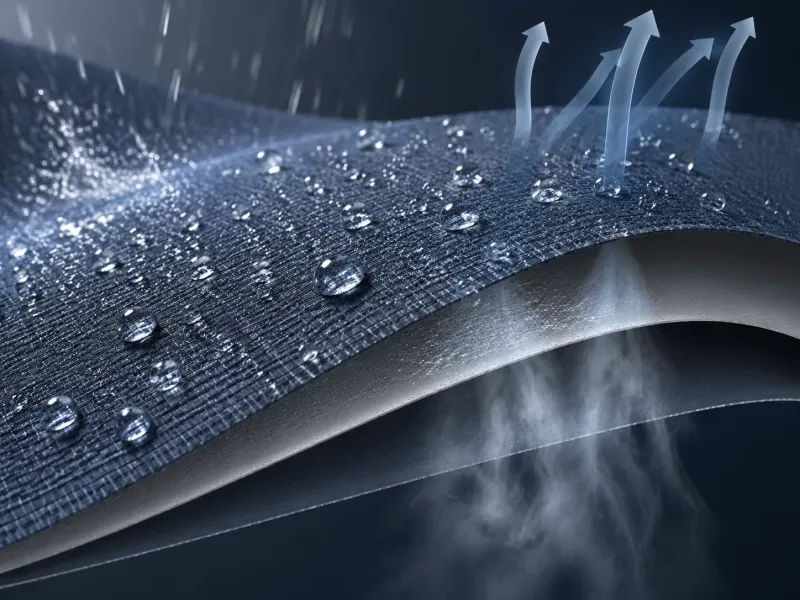
Waterproof fabrics are engineered with multiple layers to keep water out while allowing moisture vapor to escape. Understanding the test structure is crucial for manufacturers and brands to ensure product reliability. This guide breaks down the layers, the key performance metrics, and the testing methods used in the industry, helping you make informed decisions for your outdoor, workwear, or medical applications.
What is Waterproof Fabric Test Structure?
The test structure of waterproof fabric refers to the systematic evaluation of its layers and performance characteristics. A typical waterproof fabric consists of a face fabric, a membrane or coating, and sometimes a backer or inner lining. Each layer plays a role in durability, waterproofness, and breathability. Testing focuses on three main parameters: water resistance (hydrostatic head), breathability (MVTR), and durability (abrasion, flex, and lamination strength).
Key Layers of Waterproof Fabric
Face Fabric
- Provides durability and aesthetic.
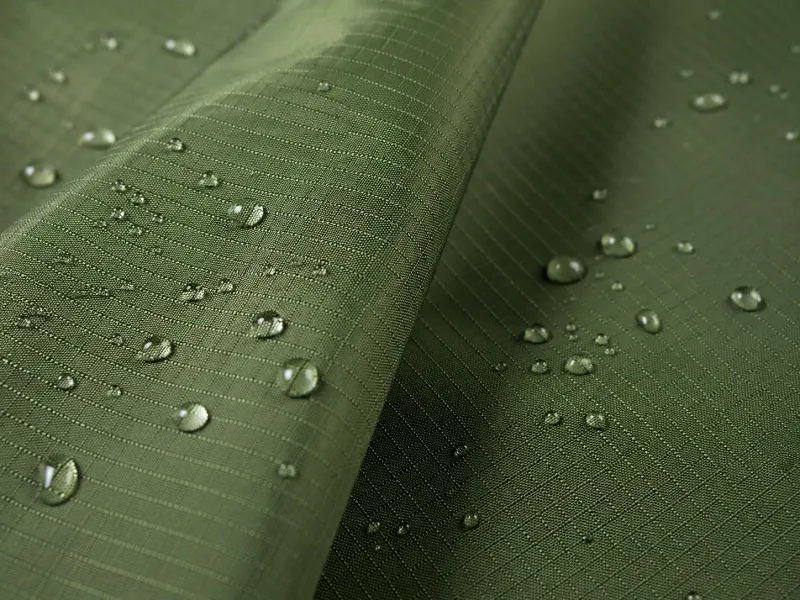
- Common materials: nylon or polyester, often with a ripstop weave.
Membrane or Coating
- Micro-porous PU or TPU films (15-60 microns) block water droplets but allow vapor.
- Coating types: PU, PVC, or TPU.
Backer or Lining
- Protects membrane, adds comfort.
- Can be a knit tricot or woven fabric.
Comparison: 2-layer fabrics have a free-hanging lining, while 3-layer laminates bond all layers for enhanced durability, often used in heavy-duty outerwear.
Hydrostatic Head Test: Measuring Water Resistance
The hydrostatic head test measures how much water pressure a fabric can withstand before leaking. The test involves a column of water applied to the fabric surface; the reading (in mm) indicates the pressure at which water penetrates.
| Rating (mm) | Application |
| 1,000 - 5,000 | Light rain, casual wear |
| 5,000 - 10,000 | Moderate rain, hiking |
| 10,000 - 20,000 | Heavy rain, professional outerwear |
| 20,000+ | Extreme conditions, mountaineering |
Our Ripstop Waterproof Fabric offers ratings from 5,000 to 15,000 mm, while 3 Layer Waterproof Fabric reaches 20,000-30,000 mm.
Breathability Test: MVTR and Moisture Management
Breathability is measured by Moisture Vapor Transmission Rate (MVTR) in g/m²/24h. Higher MVTR means better moisture escape, crucial for comfort in activewear.
- Standard MVTR: 3,000 - 8,000 g/m²/24h – suitable for moderate activity.
- High MVTR: 10,000 - 18,000 g/m²/24h – ideal for high-intensity sports.
Our TPU Laminated Fabric achieves MVTR of 8,000-18,000 g/m²/24h, balancing waterproofness and breathability.
Durability and Additional Tests
Beyond waterproofness and breathability, durability tests ensure long-term performance:
- Abrasion resistance: ISO 12947 – high ratings for repeated use.
- Lamination strength: >20 N/5cm for bonded fabrics.
- Flex test: ensures membrane integrity after repeated bending.
Additionally, DWR (Durable Water Repellent) treatment is tested for its ability to cause water to bead off the surface. Our Eco Friendly Outdoor Fabric uses PFC-free DWR, maintaining performance while meeting sustainability standards.
Frequently Asked Questions
What is a good hydrostatic head rating for waterproof fabric?
For most outdoor applications, a rating of 5,000 mm is sufficient for light rain, while 10,000 mm or higher is recommended for heavy downpours. Professional gear often uses 20,000 mm or more. Ratings above 20,000 mm are considered extreme weather protection.
How is breathability measured in waterproof fabrics?
Breathability is measured by MVTR (Moisture Vapor Transmission Rate) in grams per square meter per 24 hours. Higher MVTR indicates better moisture escape. For example, a fabric with MVTR of 10,000 g/m²/24h will keep you drier during exertion compared to one with 5,000.
What is the difference between waterproof and water-resistant?
Water-resistant fabrics have a DWR coating that causes water to bead off but cannot withstand prolonged pressure. Waterproof fabrics, with a hydrostatic head rating of at least 1,500 mm, prevent water penetration under pressure. Waterproof ratings are tested via hydrostatic head.
How does lamination affect waterproof fabric performance?
Lamination bonds the membrane to the face fabric and backer, enhancing durability and preventing delamination. 3-layer laminates are more robust and breathable than 2-layer constructions. Adhesion strength should be above 20 N/5cm to ensure long-lasting performance.
Can recycled polyester be waterproof?
Yes, recycled polyester (RPET) can be made waterproof by applying a PU or TPU coating or membrane. Our Recycled Performance Fabric can be customized with waterproof finishes, offering sustainability without compromising performance.
Related Resources
Related Products (4)
Ripstop Waterproof Fabric
Lightweight ripstop waterproof fabric with enhanced tear resistance for outdoor applications.
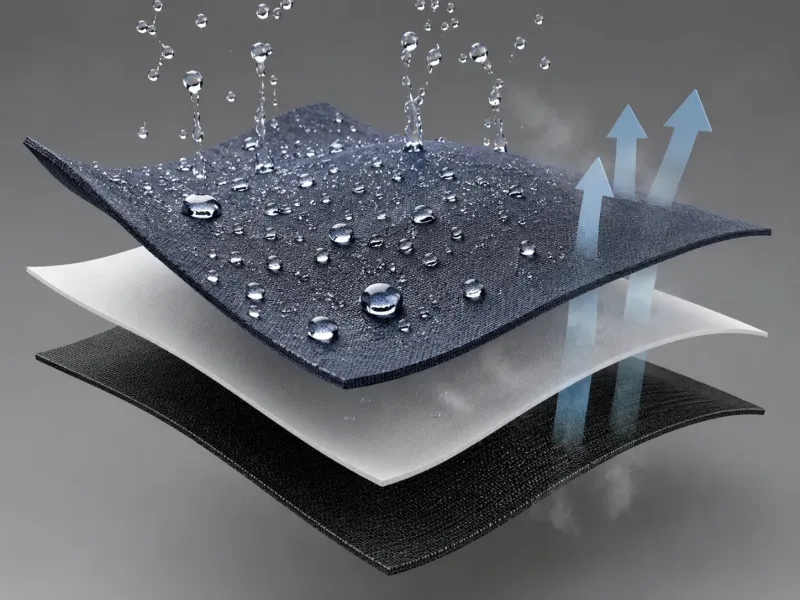
3 Layer Waterproof Fabric
Premium 3-layer waterproof fabric for professional outdoor and technical apparel.
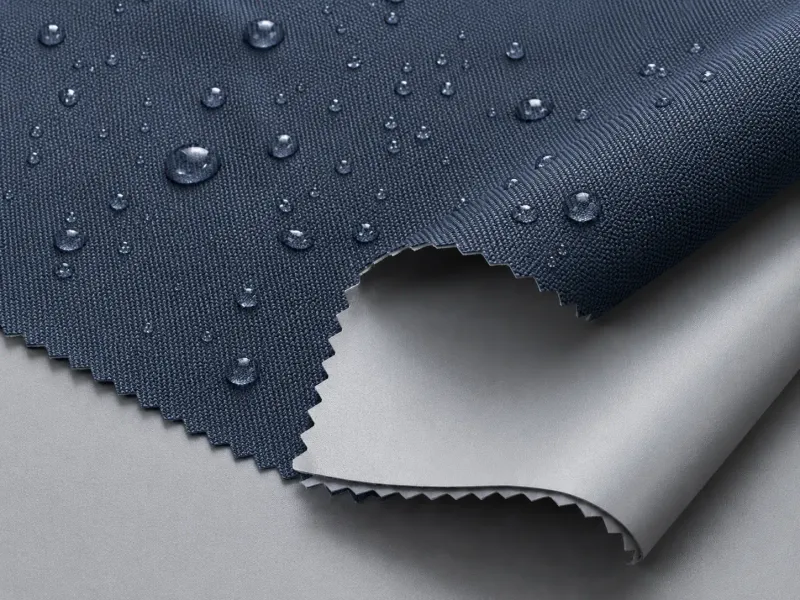
TPU Laminated Fabric
TPU laminated fabric providing superior waterproof performance and flexibility.
Waterproof Breathable Fabric
Advanced waterproof and breathable fabric engineered for high-performance outdoor garments.
Related Applications
Related Industries
Understand the anatomy of waterproof fabrics and how testing ensures performance
Request a Waterproof Fabric Quote