
You've probably compared two outdoor shells with the same ‘10,000mm waterproof’ claim and found one breathes and one turns into a sauna. Waterproofing is only half the spec — breathability is the other half, and cheap fabric skips it.
This page covers waterproof fabric for outdoor — how the two numbers that matter (hydrostatic head and MVTR) work, what the layer counts mean, and how we build shells that stay dry from both sides.
The Two Numbers That Matter
We steer active-outdoor brands to fabrics that hold both numbers high. A 10,000mm shell with poor breathability is fine for standing still and miserable for hiking. Get both, or the customer sweats through the inside.
Layer Counts — 2L, 2.5L, 3L
We recommend 3-layer for anything sold as technical outerwear — it survives packs, abrasion and repeat washing far better than 2L.
Membrane vs Coating
Two ways to get waterproof-breathable: a laminated membrane (ePTFE or PU) or a microporous coating. Membranes breathe better and cost more; coatings are budget-friendly. We build both — see our 3-Layer Waterproof Fabric, Waterproof Breathable Fabric and Outdoor Shell Fabric.
For coated (non-membrane) waterproofing, see our PU coated fabric guide; for tear-resistant ripstop shells, nylon ripstop fabric. Category home: waterproof breathable fabric.
Related Resources
Related Products (4)
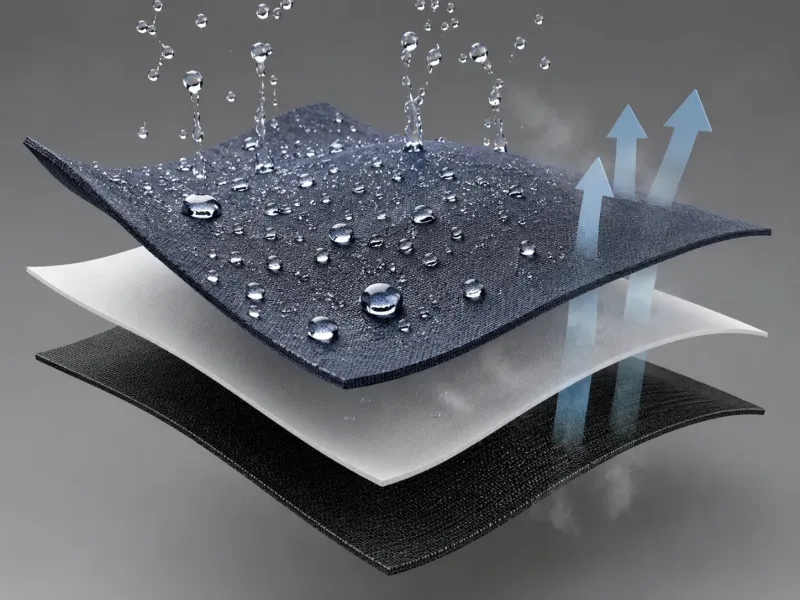
3 Layer Waterproof Fabric
Premium 3-layer waterproof fabric for professional outdoor and technical apparel.
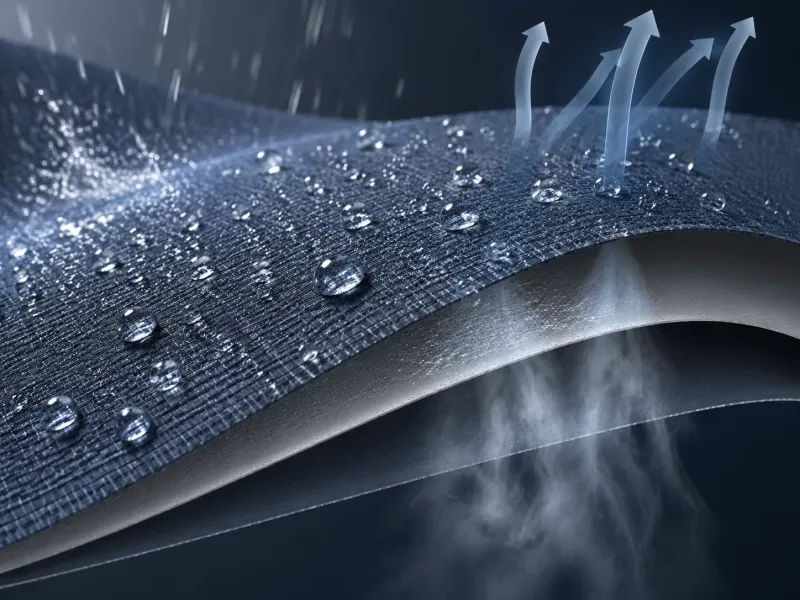
Waterproof Breathable Fabric
Advanced waterproof and breathable fabric engineered for high-performance outdoor garments.
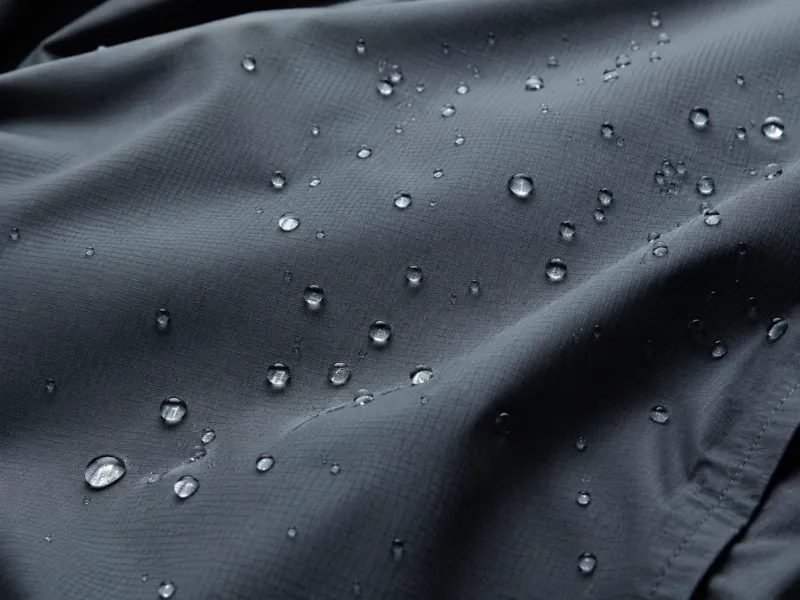
Outdoor Shell Fabric
Weather-resistant shell fabric developed for outdoor jackets and protective outerwear.
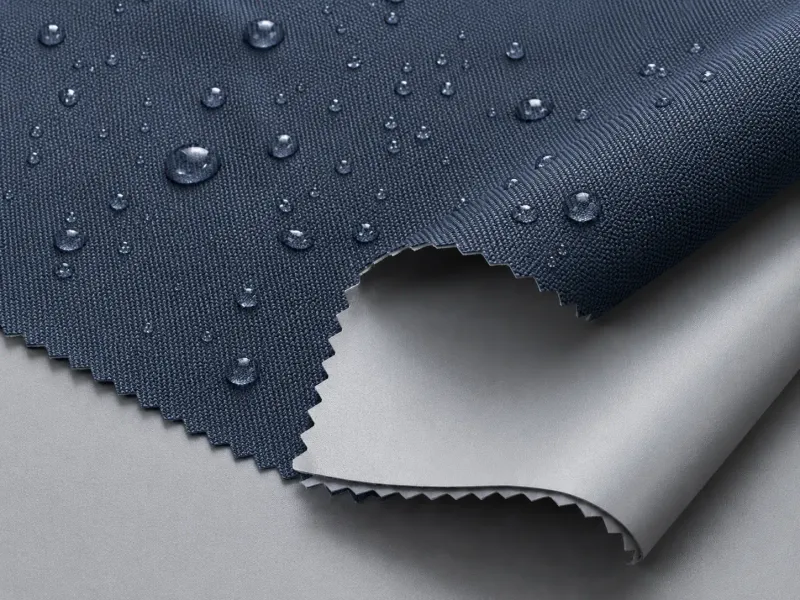
TPU Laminated Fabric
TPU laminated fabric providing superior waterproof performance and flexibility.
Related Categories
Related Applications
Related Industries
How to Read a Waterproof-Breathable Spec for Outdoor Gear
Request Shell Swatches