
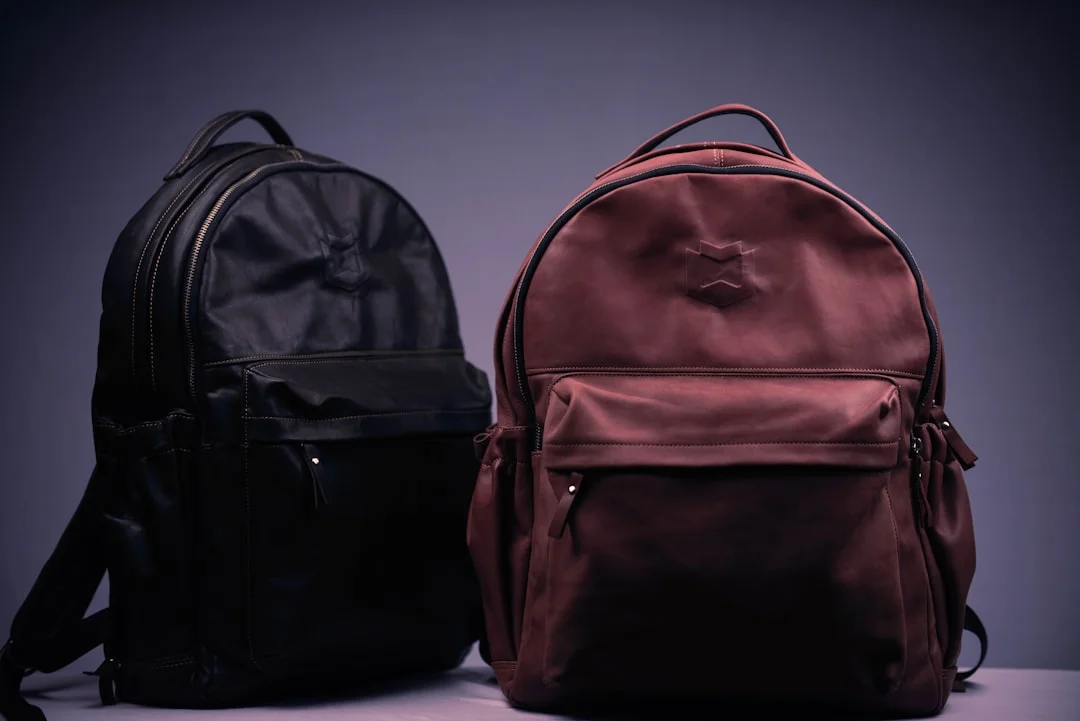
Choosing the wrong waterproof fabric is one of the most common—and costly—mistakes in backpack manufacturing. A shell that looks water-resistant on a spec sheet can still leak under sustained rain load, crack at fold lines, or trap moisture against the wearer's back. As a fabric supplier working directly with bag manufacturers, we evaluate hydrostatic head, coating type, and abrasion resistance for every backpack program, not just marketing claims. This guide breaks down the waterproof fabric options—Ripstop, 3-Layer, TPU Laminated, and Waterproof Polyester—that hold up in real production runs, so you can specify the right material with confidence, whether you are sourcing for daypacks, technical hiking packs, or urban commuter bags.
Why Generic Waterproof Fabric Fails in Backpack Applications
Common Failure Points We See in Bag Production
Backpacks endure different mechanical stress than jackets or tents—repeated abrasion at strap anchors, flex fatigue at fold seams, and prolonged ground contact. A fabric rated fine for light apparel often underperforms here.
Compared to general apparel textiles, backpack shell fabric faces meaningfully higher abrasion loads at zipper pulls, strap contact points, and base panels—so specification decisions need to account for mechanical durability, not just water resistance in isolation.
Top Waterproof Fabric Options for Backpacks
Fabric Comparison for Bag Manufacturing
We regularly supply four fabric families for backpack programs, each suited to a different pack tier and budget position:
For daypacks and commuter bags, Waterproof Polyester Fabric or Ripstop Waterproof Fabric typically balance cost and performance. For technical outdoor or expedition packs where sustained submersion or heavy rain exposure is expected, 3 Layer Waterproof Fabric or TPU Laminated Fabric, both rated up to 30,000mm hydrostatic head, are the more reliable specification.
Specifications & Testing Standards to Verify Before You Commit
What to Check on Every Fabric Spec Sheet
In our own QC process, every batch is checked for hydrostatic head and MVTR consistency before it ships, since coating uniformity can vary roll-to-roll if lamination parameters are not tightly controlled.
Benefits of Specifying the Right Fabric Tier
Why Fabric Selection Drives Product Performance
Unlike single-layer PU coated polyester, which is cost-efficient but tends to lose waterproof performance faster under repeated flexing, 3-layer and TPU laminated constructions retain their hydrostatic head rating over a longer functional life—an important factor for brands positioning packs as durable, multi-season products.
We supply these fabrics for bulk and wholesale backpack production, serving manufacturers across North America and Europe with export-quality rolls ready for cutting and sewing lines.
How to Source and Specify Backpack Fabric at Scale
A Practical Sourcing Workflow
This structured approach, compared to selecting fabric on price alone, reduces the risk of mid-production surprises like coating inconsistency or seam failure during quality inspection.
Frequently Asked Questions
What waterproof rating is best for backpacks?
For everyday and commuter backpacks, a 5,000-10,000mm hydrostatic head rating, found in Waterproof Polyester Fabric and Ripstop Waterproof Fabric, is generally sufficient. For technical outdoor packs exposed to sustained rain or ground contact, 15,000-30,000mm, as offered in 3 Layer Waterproof Fabric and TPU Laminated Fabric, is the more reliable choice.
What is the difference between PU coated and TPU laminated fabric for backpacks?
PU coated fabrics apply a polyurethane layer directly to the base textile and are typically more cost-efficient, while TPU Laminated Fabric bonds a separate membrane (10-60 microns) with adhesion strength above 20 N/5mm, giving it better resistance to delamination and cracking after repeated flexing at fold and seam areas.
Should backpack fabric be breathable?
Breathability matters most for back-panel and strap-lining sections rather than the outer shell. Fabrics like 3 Layer Waterproof Fabric offer MVTR of 10,000-18,000 g/m²/24h, which helps reduce moisture buildup against the wearer during extended carry.
What fabric width should I specify for backpack cutting patterns?
Most waterproof backpack fabrics, including Ripstop Waterproof Fabric and TPU Laminated Fabric, are supplied in 150cm-180cm widths, rolled or folded. Aligning your pattern layout to this width range helps minimize cutting waste at scale.
Is ripstop fabric durable enough for heavy-use backpacks?
Ripstop Waterproof Fabric uses a 5mm-10mm reinforcement grid woven into the base fabric, which stops small punctures from propagating into larger tears. It performs well for daypacks and mid-weight use; for heavy structured packs with higher abrasion exposure, a heavier 3 Layer Waterproof Fabric construction is generally a better fit.
Related Resources
Related Products (4)
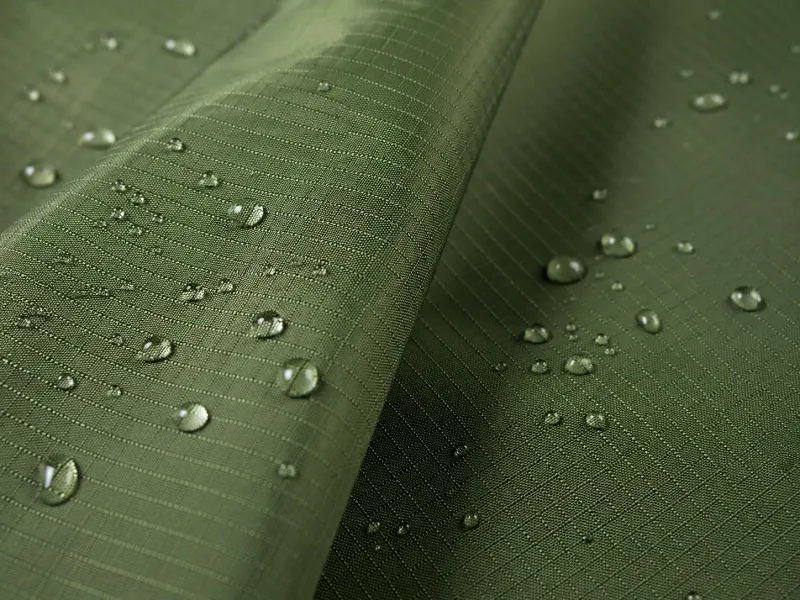
Ripstop Waterproof Fabric
Lightweight ripstop waterproof fabric with enhanced tear resistance for outdoor applications.
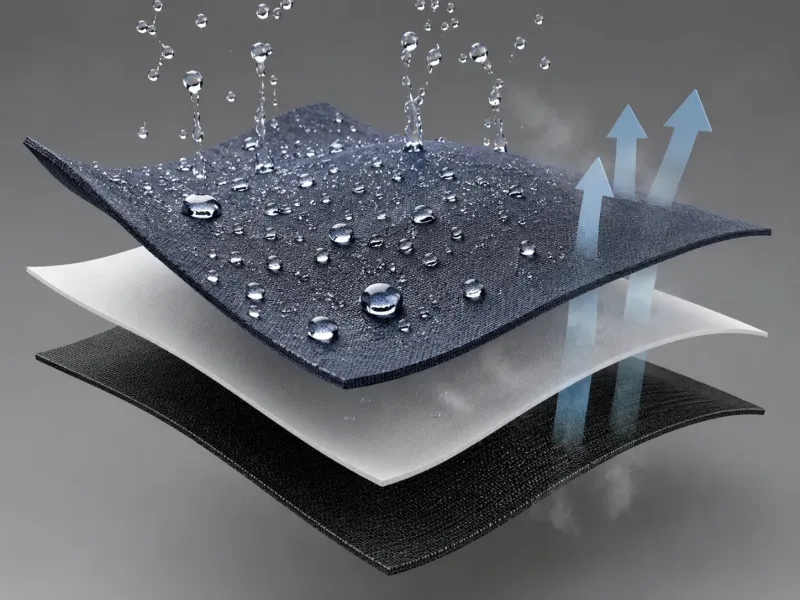
3 Layer Waterproof Fabric
Premium 3-layer waterproof fabric for professional outdoor and technical apparel.
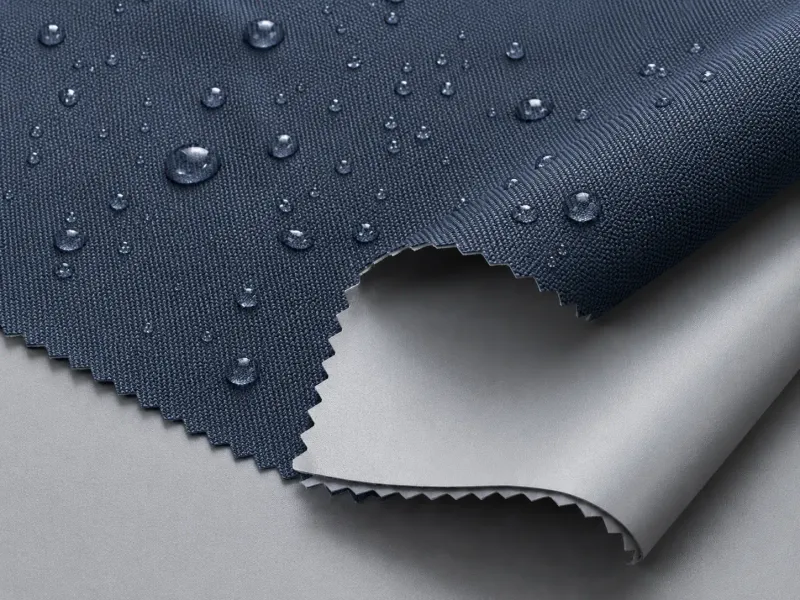
TPU Laminated Fabric
TPU laminated fabric providing superior waterproof performance and flexibility.
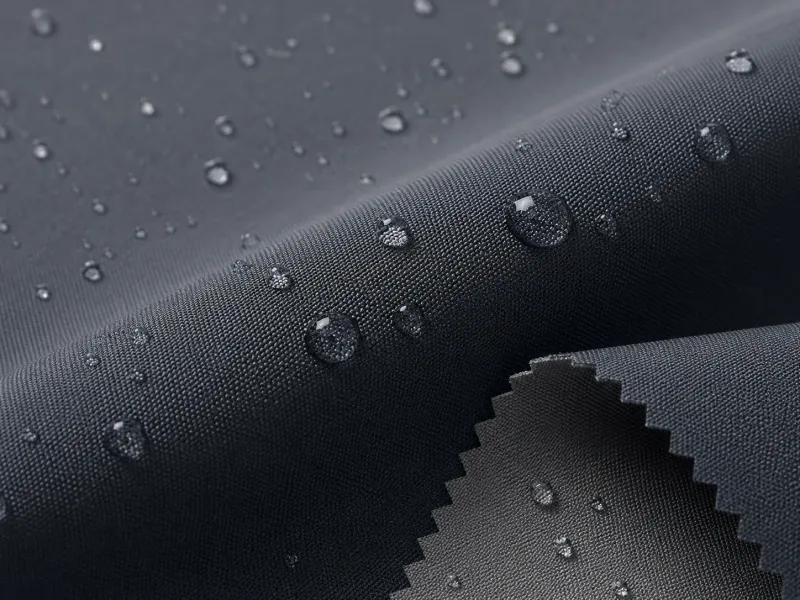
Waterproof Polyester Fabric
Durable waterproof polyester fabric designed for outdoor apparel, bags and weather-resistant textile applications.
Related Categories
Related Industries
Compare hydrostatic head, GSM & breathability specs to choose the right backpack shell fabric
Request Waterproof Fabric Samples