
Selecting between waterproof breathable fabric and waterproof non-breathable fabric is one of the most consequential decisions for outdoor, workwear, and sportswear products. The two categories look similar on the surface, but they behave very differently when users sweat, move, and face rain. This guide compares measurable specifications such as hydrostatic head, MVTR, lamination, and weight to help you choose the right material for your application.
At FuncFabric, we manufacture both breathable and non-breathable waterproof fabrics under one roof, from PU-coated polyester to 3-layer laminates. As of 2026, the industry standard for high-performance outdoor gear is moving toward breathable membranes that let moisture vapour escape while keeping water out. Below we break down the real performance differences backed by our laboratory test data.
Core Performance Differences: Breathable vs Non-Breathable
Waterproof non-breathable fabrics such as Waterproof Polyester Fabric rely on a continuous PU or PVC coating. They block rain with a hydrostatic head of 5,000 mm to 10,000 mm, but their MVTR ranges only from 3,000 to 8,000 g/m²/24h. In an active-use garment, that means sweat becomes trapped inside the jacket or overalls.
Waterproof breathable fabric, on the other hand, uses a micro-porous PU or TPU membrane that lets moisture vapour escape while maintaining a hydrostatic head of 10,000 mm to 20,000 mm and an MVTR of 5,000 to 15,000 g/m²/24h. Compared with a coated non-breathable construction, a breathable laminate can release two to three times more internal moisture, which is why it is the current industry standard for performance outerwear.
How to Read Waterproof and Breathability Specifications
Hydrostatic head is the standard way to quantify waterproofness. It is the height of a water column, in millimetres, that a fabric can withstand before leaking. MVTR measures how many grams of moisture vapour pass through one square metre of fabric over 24 hours. A higher MVTR means greater breathability.
In our lab, Waterproof Breathable Fabric is tested between 10,000-20,000 mm hydrostatic head and 5,000-15,000 g/m²/24h MVTR. TPU Laminated Fabric reaches 20,000-30,000 mm and 8,000-18,000 g/m²/24h with a membrane thickness of 10-60 microns and adhesion strength greater than 20 N/5mm. For comparison, non-breathable Waterproof Polyester Fabric typically achieves 5,000-10,000 mm hydrostatic head and only 3,000-8,000 g/m²/24h MVTR. These figures directly impact how a garment feels during physical activity.
Coating vs Lamination: Construction Differences
Non-breathable waterproof fabric is produced by applying a continuous PU or PVC coating directly onto the textile. This completely seals the pores, creating effective water resistance but sacrificing vapour transfer. Breathable versions are made by laminating a micro-porous membrane to the face fabric, allowing perspiration to pass through open pores.
Our lamination options include 2-layer, 2.5-layer, and 3-layer builds. For example, 3 Layer Waterproof Fabric layers a face fabric with a 15-30 micron PU or TPU membrane and a durable backer, achieving 20,000-30,000 mm hydrostatic head and 10,000-18,000 g/m²/24h MVTR at 180-280 GSM. Ripstop Waterproof Fabric integrates a 5-10 mm reinforcement grid and offers 5,000-15,000 mm waterproofness with MVTR of 3,000-8,000 g/m²/24h. Compared with a simple coating, lamination adds technical complexity but gives product designers more control over breathability and garment comfort.
Choosing by Application: Outdoor, Workwear, and Sportswear
Activity level is the main driver. For Outdoor Apparel and Sportswear & Activewear, breathable waterproof fabric is strongly recommended because wearers generate high internal heat and moisture. A 20,000 mm / 15,000 g/m²/24h shell fabric keeps out torrential rain while releasing sweat. For Workwear & Protective Clothing, breathable laminates reduce heat stress during physical labour.
Non-breathable waterproof polyester remains viable for tarpaulins, covers, and low-activity rainwear where sweat management is not critical. It also works when cost and simplicity outweigh comfort. However, in garments worn by active people, a non-breathable coating creates a clammy microclimate. We advise evaluating the user's sweat rate before deciding between coating and lamination.
Selection Checklist for Fabric Sourcing
As of 2026, high-performance sourcing increasingly specifies breathable waterproof fabric for garments. Start by deciding the minimum waterproof rating: 5,000-10,000 mm may be fine for urban rainwear, while 20,000-30,000 mm suits mountaineering and demanding marine conditions. Next set the MVTR target: above 8,000 g/m²/24h for activewear, and above 15,000 g/m²/24h for high-exertion work or endurance sport.
Consider weight and finish. Ripstop Waterproof Fabric can be as light as 80-180 GSM for packable jackets. Outdoor Shell Fabric ranges from 100-300 GSM for all-season durability. Waterproof Breathable Fabric is available with PFC-free DWR, and 3 Layer Waterproof Fabric provides the highest combined waterproof and breathability figures in our range. Request swatches and test reports before finalizing, and our technical team will help you compare performance against your exact application.
Frequently Asked Questions
What is the difference between waterproof breathable and waterproof non-breathable fabric?
Waterproof breathable fabric allows moisture vapour to escape through a micro-porous membrane while blocking liquid water, whereas non-breathable waterproof fabric uses a continuous coating that traps sweat. For example, our Waterproof Breathable Fabric offers 10,000-20,000 mm hydrostatic head and MVTR of 5,000-15,000 g/m²/24h; non-breathable Waterproof Polyester Fabric typically offers 5,000-10,000 mm and MVTR of 3,000-8,000 g/m²/24h.
Is non-breathable waterproof fabric suitable for jackets?
It depends on activity. For casual use and low sweat rates, a coated non-breathable fabric can work. For hiking, rain running, or physical work, breathable laminated fabric is strongly recommended. High-exertion users need MVTR above 8,000 g/m²/24h to avoid clamminess. Our 3 Layer Waterproof Fabric reaches 20,000-30,000 mm and 10,000-18,000 g/m²/24h, making it a better choice for performance shells.
What does hydrostatic head mean for waterproof fabric?
Hydrostatic head is the water column pressure a fabric withstands before leaking, measured in millimetres. A rating above 10,000 mm is generally considered highly waterproof. Our Waterproof Breathable Fabric is rated between 10,000-20,000 mm, while our TPU Laminated Fabric reaches 20,000-30,000 mm. MVTR complements this by measuring breathability.
What are the differences between PU and TPU membranes?
PU and TPU are both polymer membranes used for waterproof breathable laminates. PU membranes are micro-porous and common in mid-range products. TPU membranes can be made thinner (10-60 microns in our TPU Laminated Fabric) while delivering high hydrostatic head (20,000-30,000 mm) and MVTR (8,000-18,000 g/m²/24h). The right choice depends on desired weight, drape, and durability.
Can waterproof breathable fabric be used for workwear?
Yes. Workwear & Protective Clothing frequently uses breathable waterproof laminates for outdoor workers who need rain protection plus thermophysiological comfort. Our Waterproof Breathable Fabric at 140-280 GSM with MVTR of 5,000-15,000 g/m²/24h is adaptable for many occupational garments. Always verify the required MVTR with your end-user's activity level.
Related Resources
Related Products (4)
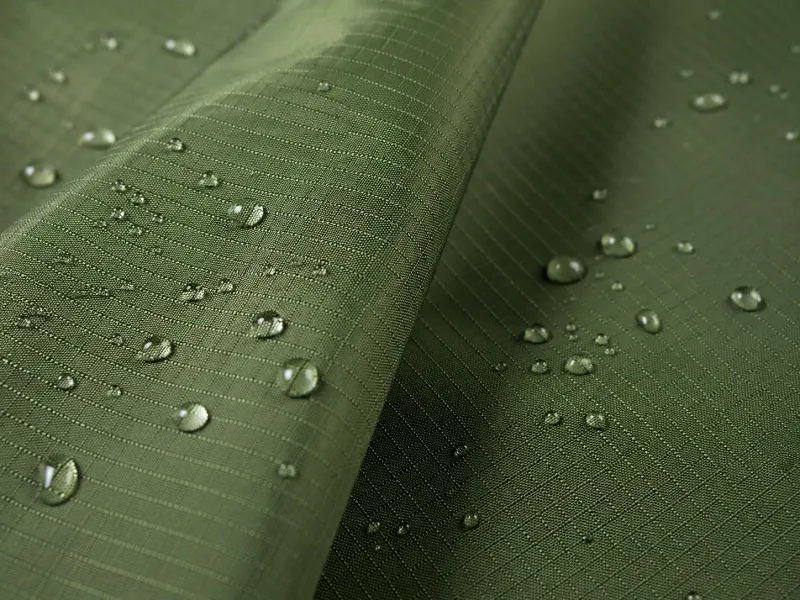
Ripstop Waterproof Fabric
Lightweight ripstop waterproof fabric with enhanced tear resistance for outdoor applications.
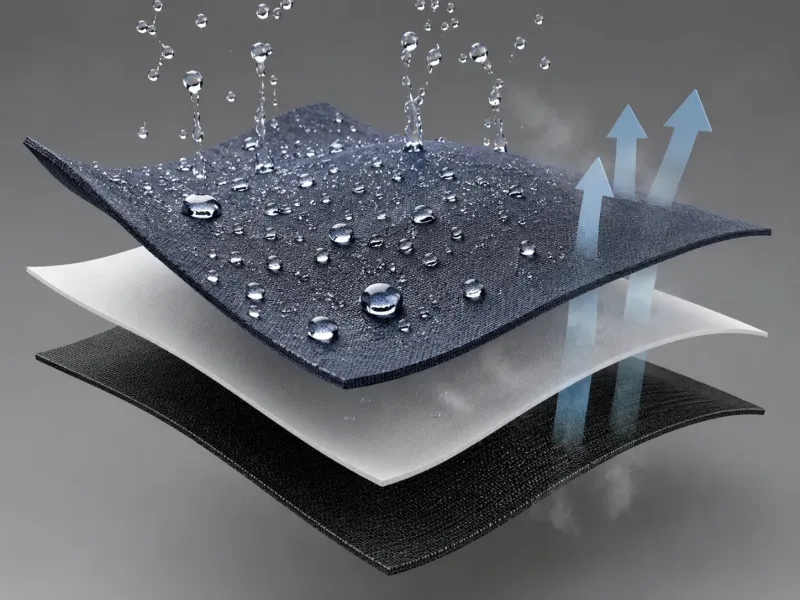
3 Layer Waterproof Fabric
Premium 3-layer waterproof fabric for professional outdoor and technical apparel.
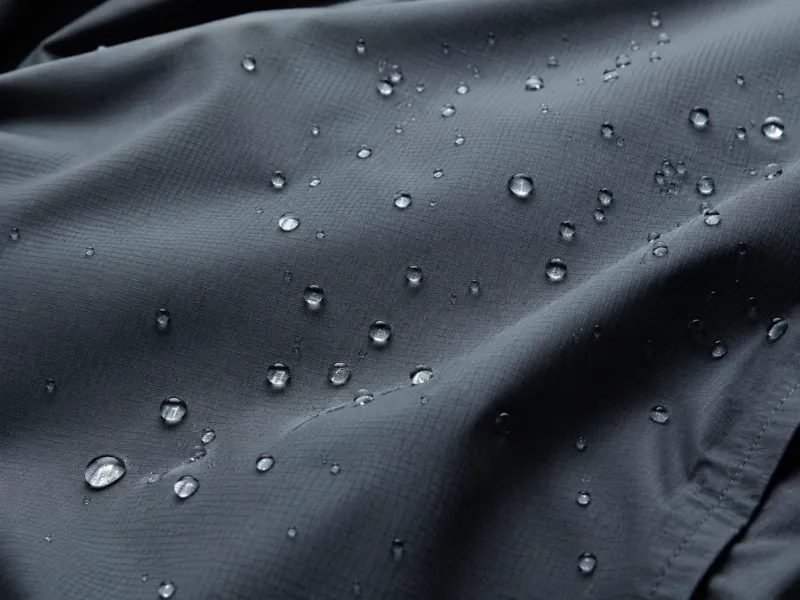
Outdoor Shell Fabric
Weather-resistant shell fabric developed for outdoor jackets and protective outerwear.
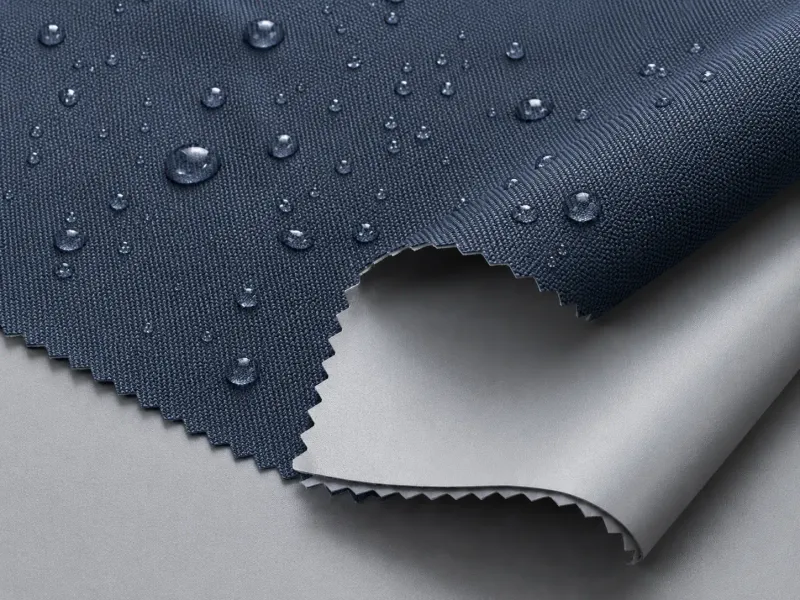
TPU Laminated Fabric
TPU laminated fabric providing superior waterproof performance and flexibility.
Related Categories
Related Applications
Compare hydrostatic head, MVTR, and construction to choose the right fabric
Request Fabric Samples & Specifications