
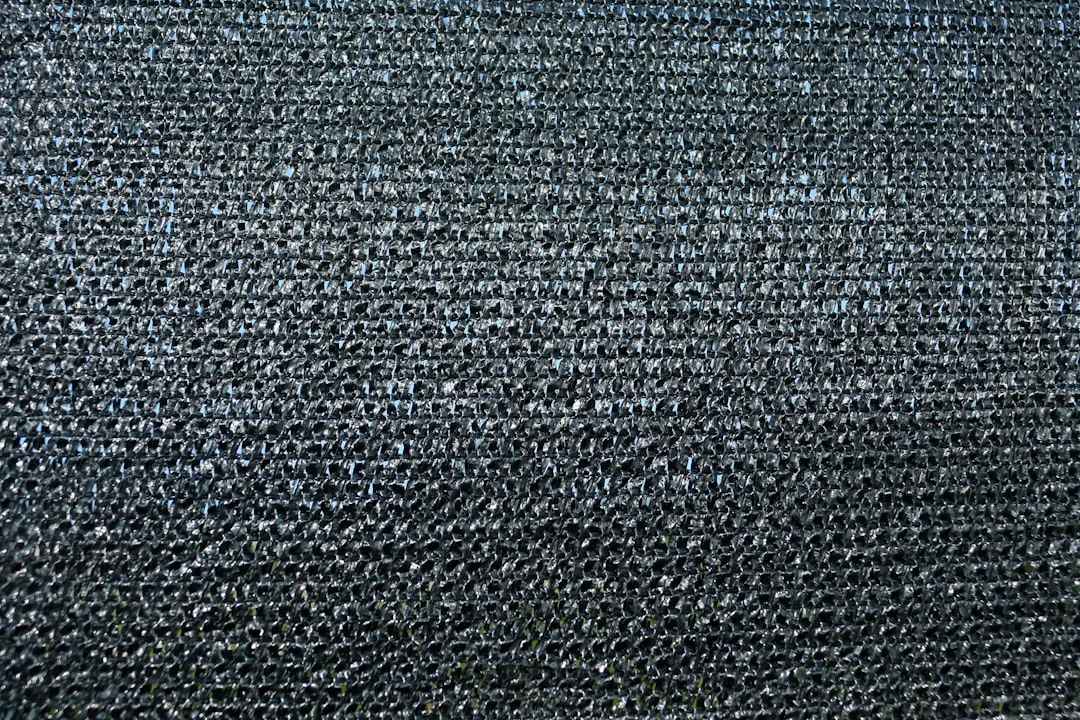
Sourcing the right ripstop waterproof fabric is one of the most consequential decisions in hiking gear development. A shell jacket, rain fly, or trail pack depends on a fabric that simultaneously resists tearing, repels water, and breathes well enough to keep wearers comfortable under exertion. As of 2026, the global outdoor apparel market demands increasingly technical materials — and not every supplier can deliver consistent specifications at export volume. This guide covers what separates capable manufacturers from the rest, the key specifications your product brief must include, and how FuncFabric's ripstop waterproof fabric range is built to meet the requirements of brands, OEM buyers, and wholesale distributors serving the outdoor and adventure industry worldwide.
What Makes Ripstop Waterproof Fabric Suitable for Hiking Gear
The Core Engineering Demands of Trail-Ready Fabric
Hiking gear operates in conditions that few other apparel categories face: sustained rain, abrasion from brush and rock, pack compression, and high-output exertion. A fabric that fails on any one axis — waterproofing, tear resistance, or breathability — produces a product that won't survive real-world use.
Ripstop construction addresses tear resistance directly. A 5mm–10mm reinforcement grid woven into the base fabric arrests small punctures and tears before they propagate. Without this grid, a single snag on a trail can compromise an entire jacket panel. Compared to plain-weave fabrics of equivalent weight, ripstop constructions reduce tear propagation by a significant margin, making them the current industry standard for hiking shells and backpacking gear.
Key Technical Parameters to Specify
- Base material: 100% Polyester or Nylon Ripstop Weave
- Weight range: 80 GSM – 180 GSM (customizable by application)
- Waterproof rating: 5,000mm – 15,000mm hydrostatic head
- Coating type: PU (Polyurethane) or TPU (Thermoplastic Polyurethane)
- Breathability (MVTR): 3,000 – 8,000 g/m²/24h
- Ripstop grid: 5mm – 10mm reinforcement pattern
| Specification | Entry-Level Hiking | Technical Hiking / Mountaineering |
| Waterproof Rating | 5,000mm–8,000mm | 10,000mm–15,000mm |
| MVTR (Breathability) | 3,000–5,000 g/m²/24h | 6,000–8,000 g/m²/24h |
| Fabric Weight | 80–120 GSM | 130–180 GSM |
| Coating | PU | TPU |
For buyers requiring higher waterproof thresholds — for example, mountaineering shells or alpine tent flies — 3 Layer Waterproof Fabric offers hydrostatic head ratings of 20,000mm–30,000mm with MVTR up to 18,000 g/m²/24h, combining a micro-porous PU or TPU membrane (15–30 microns) laminated between face fabric and backer.
How to Evaluate Ripstop Waterproof Fabric Manufacturers
Separating Capable Suppliers from Catalogue Vendors
Many online directories list hundreds of "fabric suppliers," but the number of manufacturers that can reliably hit technical specs at export volume is considerably smaller. When evaluating suppliers for hiking gear production, procurement teams should assess the following criteria systematically.
Evaluation Criteria
- Waterproofing consistency: Can the supplier demonstrate hydrostatic head test results across multiple production batches — not just a single sample?
- Coating process control: PU coatings and TPU lamination require precise application to maintain MVTR without sacrificing waterproofness. Ask for batch-level test data.
- Weight tolerance: For OEM orders, GSM deviation should be ±5% or tighter. Loose tolerances produce inconsistent cut-and-sew yields.
- Ripstop grid uniformity: The reinforcement grid should be consistent across the full fabric width (typically 150cm–180cm). Uneven grids indicate loom setup issues.
- DWR finish: Confirm whether the Durable Water Repellent treatment is PFC-free. As of 2026, PFC-based DWR is increasingly restricted by brand sustainability policies and EU regulation.
- Minimum order quantities and sampling: Reputable manufacturers offer pre-production samples before committing to bulk runs.
Comparing Fabric Construction Types for Hiking Applications
| Construction | Best For | Waterproof Rating | Weight |
| Ripstop Waterproof Fabric | Jackets, packs, tents | 5,000–15,000mm | 80–180 GSM |
| 3 Layer Waterproof Fabric | Alpine shells, hardshell jackets | 20,000–30,000mm | 180–280 GSM |
| Waterproof Breathable Fabric | Softshell/hardshell hybrids | 10,000–20,000mm | 140–280 GSM |
| TPU Laminated Fabric | High-flex stretch applications | 20,000–30,000mm | 150–300 GSM |
| Outdoor Shell Fabric | Wind layers, trail running | DWR treated | 100–300 GSM |
Unlike sourcing from a trading company, working directly with a manufacturing supplier means full access to production specs, coating formulations, and quality control documentation — reducing the risk of specification drift across re-orders.
FuncFabric's Waterproof Breathable Fabric offers 2-layer, 2.5-layer, and 3-layer lamination options with PFC-free DWR available, covering the spectrum from lightweight trail jackets to hardshell mountaineering gear.
FuncFabric's Ripstop Waterproof Fabric Range: Specifications & Capabilities
Our Core Ripstop & Waterproof Fabric Portfolio
We manufacture and export ripstop waterproof fabrics directly from our production facility, supplying brands, OEM manufacturers, and wholesale buyers across North America, Europe, and Asia-Pacific. Every roll ships with full material documentation.
PLACEHOLDER0
- Base: 100% Polyester or Nylon Ripstop Weave
- Weight: 80 GSM – 180 GSM (customizable)
- Waterproof rating: 5,000mm – 15,000mm hydrostatic head
- Coating: PU or TPU
- Grid pattern: 5mm – 10mm reinforcement
- Breathability: 3,000 – 8,000 g/m²/24h MVTR
This is the foundational fabric for hiking jackets, trail packs, gaiters, and bivy sacks. The nylon ripstop variant offers a higher strength-to-weight ratio compared to polyester, making it the preferred choice for ultralight gear where every gram is accounted for.
PLACEHOLDER1
- Base: Nylon, Polyester, or Nylon/Polyester Blends
- Construction: Ripstop Weave / Softshell Knit / Hardshell Woven
- Weight: 100 GSM – 300 GSM
- Wind resistance: 100% Windproof (Air Permeability < 1 mm/s)
- Surface finish: DWR Coating (PFC-Free options available)
- Width: 150cm – 180cm
PLACEHOLDER2
- TPU membrane thickness: 10 – 60 microns
- Waterproof rating: 20,000mm – 30,000mm
- Breathability: 8,000 – 18,000 g/m²/24h
- Adhesion strength: > 20 N/5mm
- Weight: 150 GSM – 300 GSM
TPU lamination is increasingly specified over PU for hiking gear because TPU membranes are more flexible, solvent-free in production, and recyclable — aligning with brand sustainability commitments without sacrificing waterproof performance.
Production & Export Capabilities
| Capability | Detail |
| Fabric width | 150cm – 180cm (standard roll) |
| GSM range | 80 GSM – 300 GSM across product lines |
| Coating options | PU, TPU, PFC-Free DWR |
| Color & print | Custom dyeing available |
| Documentation | Full test reports, COC, material certs |
| Markets served | North America, Europe, Asia-Pacific |
For eco-conscious outdoor brands, our Eco Friendly Outdoor Fabric combines 100% Recycled Polyester (RPET) or Recycled Nylon with PFC-Free DWR treatment, UPF 50+ protection, and ISO 12947-verified abrasion resistance — at weights between 150 GSM and 320 GSM.
Sustainability Standards in Outdoor Fabric Manufacturing
Why Sustainability Certification Matters for Hiking Gear Brands
As of 2026, outdoor apparel brands face mounting pressure from retail buyers, B2B procurement policies, and end consumers to demonstrate traceable, low-impact material sourcing. For ripstop and waterproof fabrics specifically, three sustainability areas are most scrutinized: fiber origin, chemical treatments, and end-of-life recyclability.
Certification Landscape
- GRS (Global Recycled Standard): Verifies recycled content from 20%–100% with full Chain of Custody documentation. Required by a growing number of major outdoor retailers.
- OEKO-TEX Standard 100: Confirms absence of harmful substances in the finished fabric.
- PFC-Free DWR: Replaces legacy fluorocarbon-based water repellency — now a practical requirement for EU market access under emerging PFAS restrictions.
- ISO 12947 Abrasion Resistance: Independently verified durability, relevant for gear longevity claims.
Compared to conventional virgin-polyester ripstop, RPET-based ripstop fabric reduces CO₂ emissions by approximately 30–50% per kilogram of fiber — a data point increasingly required in brand environmental impact reporting.
FuncFabric's GRS Certified Recycled Fabric provides independently audited recycled content from 20%–100%, with full Chain of Custody traceability from post-consumer waste to finished fabric roll, at weights from 120 GSM to 300 GSM. For brands building a full sustainable outdoor line, our Recycled Performance Fabric adds 4-way stretch, moisture wicking, and high abrasion resistance to the recycled fiber base.
Sustainability Spec Comparison
| Feature | Standard Ripstop | Eco/RPET Ripstop |
| Fiber origin | Virgin polyester/nylon | Post-consumer recycled PET/nylon |
| GRS certification | Not applicable | Available (20%–100% recycled content) |
| DWR type | PFC-based or PFC-free | PFC-Free |
| CO₂ impact | Baseline | ~30–50% lower per kg |
| Market access | Standard | EU/US sustainability-compliant |
Ordering Process: From Specification to Bulk Shipment
How We Work With Hiking Gear Brands and OEM Buyers
We work directly with outdoor brands, product developers, and contract manufacturers at every stage — from material selection through bulk production. Our process is designed to minimize specification risk and ensure first-order quality carries through to repeat runs.
Step-by-Step Process
1. Specification brief: Buyer submits target GSM, waterproof rating, coating type, color, and any certification requirements.
2. Sample development: Pre-production samples are prepared and dispatched for testing and approval.
3. Sample sign-off: Buyer confirms against physical sample and test data.
4. Bulk production: Production runs begin after sample approval, with in-process QC checks at loom and finishing stages.
5. Quality inspection: Each batch undergoes hydrostatic head testing, MVTR measurement, GSM verification, and dimensional inspection before dispatch.
6. Documentation: Full test reports, material certifications, and COC documentation shipped with every order.
What to Include in Your RFQ
- Target fabric weight (GSM)
- Required waterproof rating (hydrostatic head in mm)
- Coating preference (PU vs. TPU)
- Base fiber (polyester vs. nylon)
- DWR requirement (standard vs. PFC-free)
- Certification needs (GRS, OEKO-TEX, etc.)
- Required fabric width
- Intended application (jacket, pack, tent, etc.)
We prep bulk fabric orders weekly across our ripstop and waterproof lines. Our QC team checks each production batch against the agreed specification before release — not just at the point of complaint. For buyers requiring consistent supply across multiple seasons, we maintain production records to ensure batch-to-batch repeatability.
For trail-running and light hiking applications where moisture management is as critical as waterproofing, our Outdoor UV Protection Fabric at 150 GSM–280 GSM adds UPF 50+ and high MVTR breathability to DWR-treated constructions — covering multi-function outdoor fabric needs in a single material.
Frequently Asked Questions
What waterproof rating should hiking gear fabric have?
The minimum practical waterproof rating for hiking jacket and rain gear fabric is 5,000mm hydrostatic head for light-use trail applications. For sustained rainfall, multi-day backpacking, or alpine environments, 10,000mm–15,000mm is the current industry standard. Technical mountaineering shells typically specify 20,000mm–30,000mm, achieved through 3-layer laminate constructions with micro-porous TPU membranes. Always match waterproof rating to the end-use environment — over-specifying adds unnecessary weight; under-specifying produces gear that leaks in real conditions.
What is the difference between PU and TPU coating on ripstop fabric?
PU (Polyurethane) coating is applied as a liquid layer directly to the fabric surface or back. It is cost-effective, widely available, and suitable for waterproof ratings up to approximately 15,000mm. TPU (Thermoplastic Polyurethane) lamination bonds a solid membrane film to the fabric, offering higher waterproof ratings (20,000mm–30,000mm), better durability, improved breathability (MVTR up to 18,000 g/m²/24h), solvent-free production, and end-of-life recyclability. For premium hiking gear, TPU lamination is increasingly the specified choice; PU coatings remain standard for mid-range and volume-priced products.
Can ripstop waterproof fabric be made from recycled materials?
Yes. Ripstop waterproof fabric can be produced from 100% Recycled Polyester (RPET) derived from post-consumer PET bottles, or from recycled nylon. GRS (Global Recycled Standard) certification is available to verify recycled content from 20% to 100% with full Chain of Custody documentation. RPET-based ripstop delivers comparable performance to virgin-fiber alternatives while reducing CO₂ impact by approximately 30–50% per kilogram. PFC-free DWR treatments are compatible with recycled fiber constructions, making fully sustainable hiking gear fabric technically viable as of 2026.
What GSM is appropriate for hiking jacket fabric vs. backpack fabric?
For hiking jackets and rain shells, lightweight ripstop in the 80–130 GSM range is preferred — low weight keeps the garment packable without sacrificing tear resistance. For hardshell jackets intended for high-abrasion alpine use, 130–180 GSM constructions offer greater durability. Backpack panels and load-bearing fabric typically specify heavier constructions in the 180–280 GSM range, sometimes with additional abrasion-resistant coatings. Tent fly fabric commonly falls in the 70–120 GSM range where weight savings are critical. Confirm GSM requirements against your product's intended use before placing an OEM order.
How do I verify a ripstop fabric manufacturer's quality claims before ordering?
Request batch-level test reports — not just product datasheets — covering hydrostatic head (ISO 811), MVTR (ISO 15496 or JIS L1099), GSM (ISO 3801), and abrasion resistance (ISO 12947). For sustainability claims, ask for GRS or OEKO-TEX certificates with current validity dates and certificate numbers you can independently verify. Request a pre-production sample and have it tested at an accredited third-party lab before committing to bulk volume. Reputable manufacturers will supply this documentation without hesitation; reluctance to provide batch test data is a significant red flag for consistent quality.
Related Resources
Related Products (4)
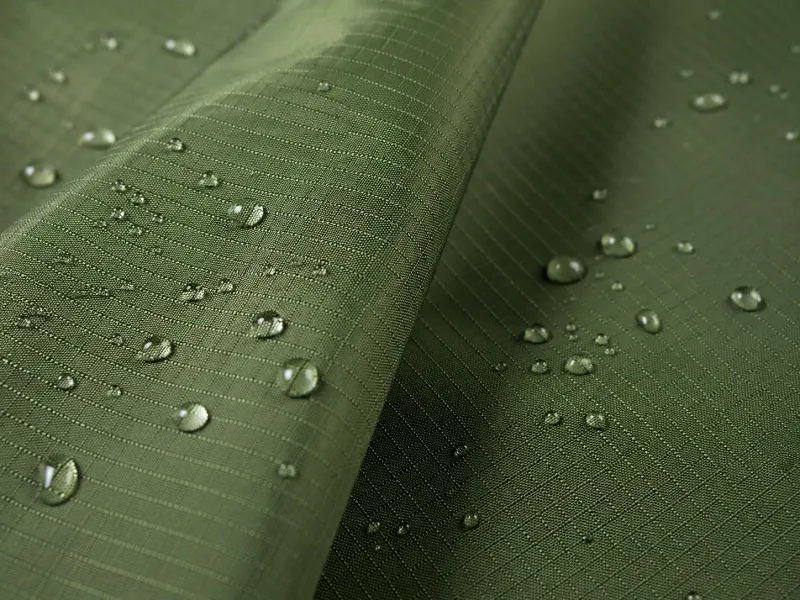
Ripstop Waterproof Fabric
Lightweight ripstop waterproof fabric with enhanced tear resistance for outdoor applications.
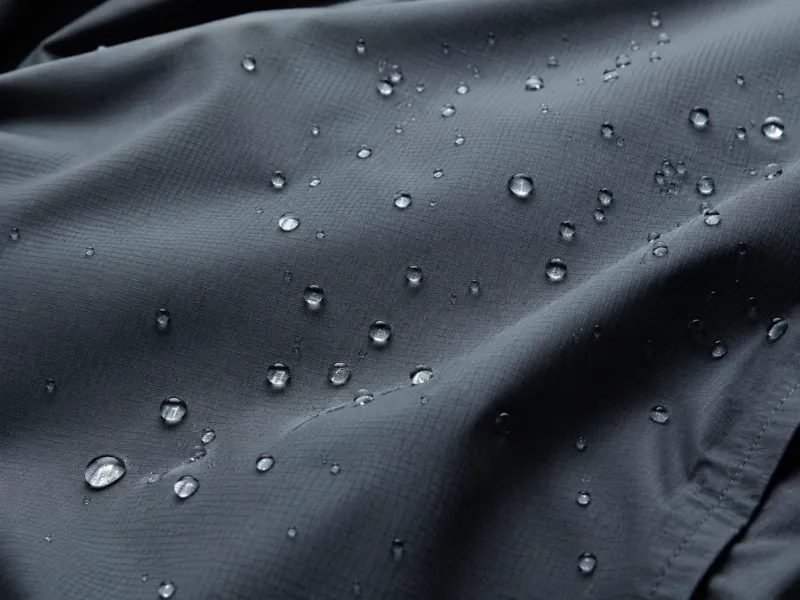
Outdoor Shell Fabric
Weather-resistant shell fabric developed for outdoor jackets and protective outerwear.
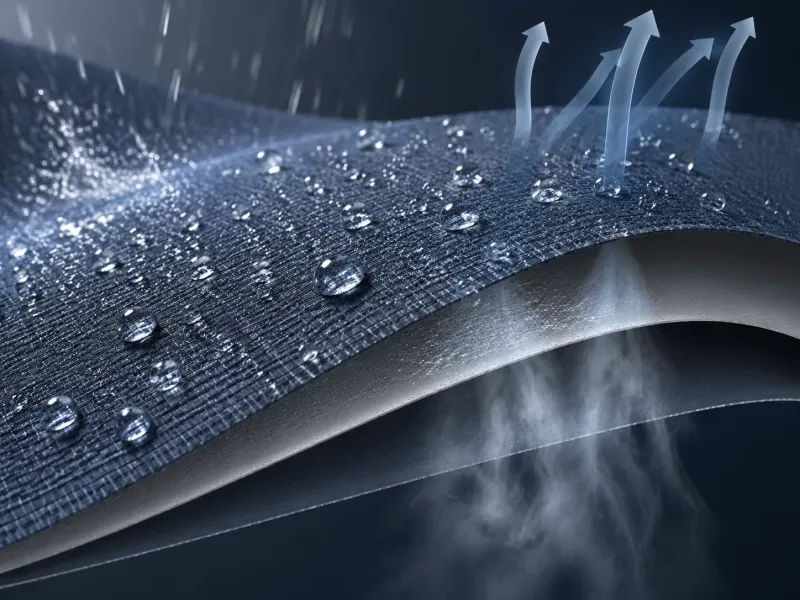
Waterproof Breathable Fabric
Advanced waterproof and breathable fabric engineered for high-performance outdoor garments.
TPU Laminated Fabric
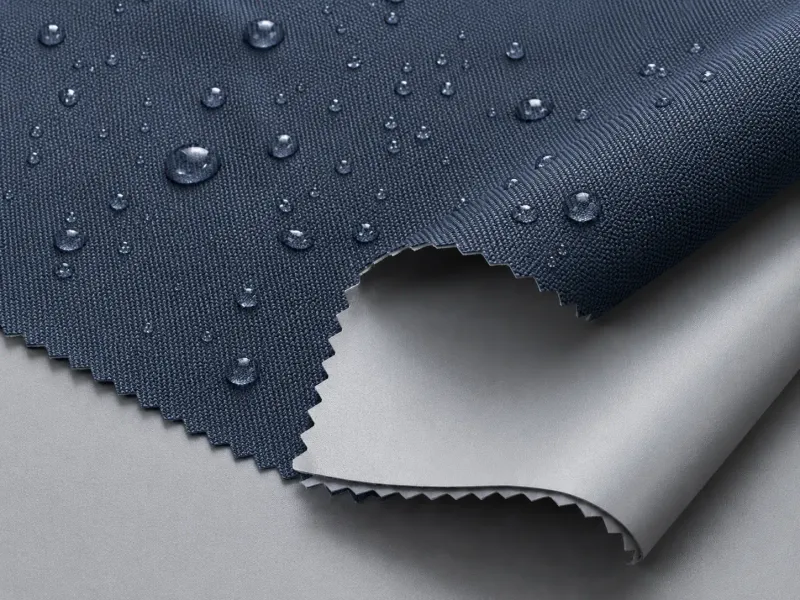
TPU laminated fabric providing superior waterproof performance and flexibility.
Related Categories
Related Applications
Related Industries
Export-grade ripstop waterproof fabrics engineered for outdoor performance — sourced direct from manufacturer
Request a Ripstop Waterproof Fabric Sample or Quote