
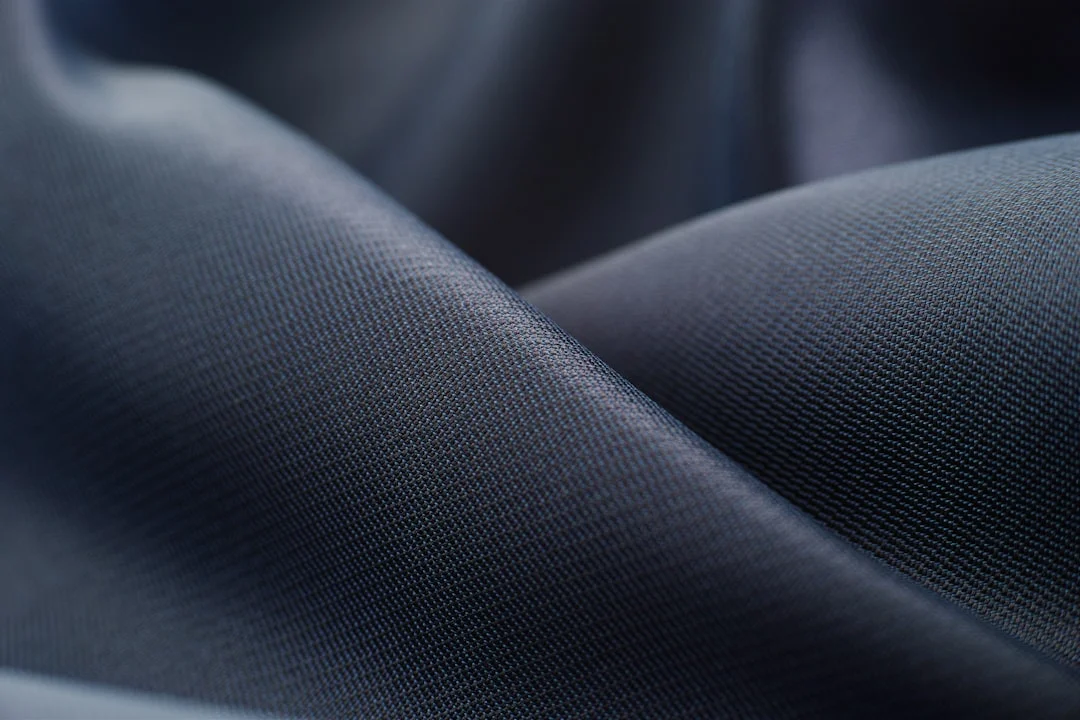
As of 2026, sustainable brands sourcing outdoor fabrics face a genuinely complex trade-off: standard polyester waterproof fabric delivers proven weatherproofing performance, but carries a virgin-polymer footprint that conflicts with brand sustainability commitments. Eco friendly outdoor fabric — built from GRS-certified RPET or recycled nylon with PFC-free DWR finishes — closes that gap, offering comparable technical performance alongside a verifiable recycled supply chain. This guide breaks down both fabric categories across the specifications that matter most to product teams: waterproof ratings, breathability, abrasion resistance, UV protection, certifications, and wholesale availability — so your sourcing decision is grounded in data, not marketing copy.
The Core Problem: Performance vs Sustainability in Outdoor Fabric Sourcing
Why Outdoor Brands Are Rethinking Their Fabric Choices
For years, the default answer for outdoor shell and waterproof applications was virgin polyester with a PU coating and a PFAS-based DWR finish. It worked — waterproof ratings of 5,000mm–15,000mm hydrostatic head are achievable, and the material cost was predictable. But two pressures have converged to make that default untenable for brands with ESG commitments.
- Regulatory pressure: PFAS (per- and polyfluoroalkyl substances) used in traditional DWR coatings are being phased out across the EU and increasingly restricted in North America. Brands caught mid-supply-chain with PFAS-dependent materials face reformulation costs and reputational risk.
- Consumer verification: B2B buyers and end consumers now routinely request Chain of Custody (COC) documentation. A sustainability claim without third-party certification (GRS, OEKO-TEX) is increasingly treated as greenwashing.
Compared to switching DWR chemistry late in development, sourcing GRS-certified RPET fabric from the outset cuts reformulation cycles by roughly 2–3 product seasons based on typical development timelines we see across outdoor apparel projects.
What This Means for Procurement
- Virgin polyester waterproof fabric: high performance baseline, limited certification options, PFAS-DWR risk
- Eco friendly outdoor fabric (RPET/recycled nylon): equivalent or near-equivalent technical specs, GRS-traceable, PFC-free DWR available
- The gap in raw material performance has narrowed significantly; the gap in supply chain documentation has widened in favour of certified recycled options
Technical Specification Comparison: Waterproof Polyester vs Eco Friendly Outdoor Fabric
Head-to-Head Performance Data
Below is a direct comparison drawn from published specs of FuncFabric's waterproof and eco outdoor fabric lines, reflecting current industry-standard production ranges as of 2026.
| Specification | Waterproof Polyester Fabric | Eco Friendly Outdoor Fabric |
| Material Base | 100% Virgin or RPET Polyester | 100% RPET or Recycled Nylon |
| Waterproof Rating | 5,000mm – 10,000mm (Hydrostatic Head) | Comparable waterproof performance with PFC-Free DWR |
| Weight Range (GSM) | 120gsm – 250gsm | 150gsm – 320gsm |
| UV Protection | DWR-treated variants available | **UPF 50+** (Blocks >98% UVA/UVB) |
| Surface Finish | PU or PVC Coating; PFC-Free or Standard DWR | **PFC-Free DWR only** |
| Abrasion Resistance | Moderate to High | **High (ISO 12947 Verified)** |
| Sustainability Cert | Optional GRS (RPET variants) | **GRS Certified / Traceable Supply Chain** |
| Width | 150cm – 180cm | 150cm – 320gsm customizable |
Key Differentiator: The DWR Chemistry
The most operationally significant difference is the surface finish. Standard waterproof polyester fabric may use either PFC-free or legacy PFAS-based DWR depending on the supplier specification — always verify. FuncFabric's Eco Friendly Outdoor Fabric is PFC-Free DWR by design, which removes the compliance risk entirely for brands targeting EU markets or BLUESIGN/OEKO-TEX alignment.
Abrasion and UV: Where Eco Fabric Holds Its Own
- Abrasion resistance is ISO 12947 verified on the eco outdoor range — the same standard used for technical mountaineering and workwear fabrics
- UPF 50+ blocks more than 98% of UVA/UVB radiation, making it suitable for sun-exposure-intensive categories like trail running, sailing, and hiking outerwear
- The Waterproof Polyester Fabric remains a strong option when maximum coating flexibility (PU or PVC) is required and the recycled content certification is not a sourcing requirement
GRS Certification and Supply Chain Traceability: What Sustainable Brands Actually Need
Why GRS Certification Is Non-Negotiable for B2B Sustainable Sourcing
Global Recycled Standard (GRS) certification is independently audited and verifies recycled content from 20% to 100% with full Chain of Custody (COC) documentation — from post-consumer waste (typically PET bottles) through to the finished fabric roll. For brands making public sustainability claims, this documentation is the difference between a verifiable claim and a liability.
What GRS certification provides in practice:
- Independent third-party audit of recycled content percentage
- Full COC traceability: post-consumer waste source → fibre → yarn → fabric
- Enables downstream claims on product hang tags, B Corp reports, and retailer sustainability scorecards
- Required by a growing number of European retail buyers as a minimum sourcing standard as of 2025–2026
FuncFabric's GRS-Certified Outdoor Fabric Range
The GRS Certified Recycled Fabric and Eco Friendly Outdoor Fabric both carry full COC documentation. Key supply chain facts:
- Recycled content: 100% RPET (recycled PET bottles) or recycled nylon blends
- Weight range: 150gsm – 320gsm, customizable for lightweight shell to heavy-duty outdoor applications
- Width: up to 250cm (woven), enabling efficient cutting room yield for large-format outdoor products
- GRS audited range: 20%–100% recycled content (independently verified)
Contrast: Virgin Polyester Waterproof Fabric Certification Landscape
Unlike GRS-certified RPET options, standard virgin polyester waterproof fabric typically carries only process-level certifications (OEKO-TEX Standard 100 for chemical safety) but offers no recycled content traceability. For brands required to report Scope 3 emissions or meet retailer sustainability questionnaires, the absence of COC documentation is a material gap — not a minor documentation issue.
The Recycled Sustainable Fabric collection covers the full range of certified options for brands needing documented supply chain provenance.
Application Fit: Which Fabric Works for Which Outdoor Product Category
Matching Fabric Choice to End-Use Category
Not every outdoor product category has the same performance threshold. The table below maps the two fabric types against common sustainable brand product categories.
| Product Category | Recommended Fabric | Key Reason |
| Hardshell Jackets | Eco Friendly Outdoor Fabric / 3-Layer Waterproof | PFC-free DWR + GRS cert + high abrasion |
| Softshell & Midlayers | Eco Friendly Outdoor Fabric (150–220gsm) | Stretch-compatible, UPF 50+, traceable |
| Backpacks & Bags | Waterproof Polyester Fabric (PU-coated) | Max coating flexibility, high weight range |
| Trail & Running Apparel | Eco Friendly Outdoor Fabric (lightweight 150gsm) | UPF 50+, PFC-free, low weight |
| Marine & Sailing Gear | Waterproof Polyester / Marine UV Resistant Fabric | 5,000mm–10,000mm+ hydrostatic head |
| Sustainable Brand Capsule Collections | Eco Friendly Outdoor Fabric (GRS Certified) | Full COC documentation for brand claims |
Layering Systems and Weight Considerations
- For 3-layer laminate systems, the 3 Layer Waterproof Fabric achieves 20,000mm–30,000mm hydrostatic head with MVTR of 10,000–18,000 g/m²/24h — performance equivalent to premium alpine outerwear standards
- For brands prioritising weight: eco outdoor fabric starts at 150gsm, which is competitive with standard polyester shell fabrics in the same category
- The Ripstop Waterproof Fabric (80gsm–180gsm) is the lightest option for packable categories where the ripstop grid provides tear resistance without weight penalty
The PLACEHOLDER2 and PLACEHOLDER3 Context
We supply fabric to outdoor apparel brands and OEM manufacturers globally, with export to North America, Europe, and Asia-Pacific. Rolls are available in standard 150cm–180cm widths with custom-width production available for high-volume orders. The Waterproof & Breathable Fabric collection consolidates all relevant options for category buyers sourcing across multiple SKUs.
Wholesale and Bulk Sourcing: What to Expect When Ordering at Scale
Bulk Production Capabilities for Sustainable Outdoor Fabric
For brands sourcing at wholesale or OEM scale, the practical sourcing parameters matter as much as the specification sheet. Here is what production currently looks like across FuncFabric's eco outdoor and waterproof polyester lines.
Customization Options
- GSM: Eco Friendly Outdoor Fabric is customizable from 150gsm to 320gsm, covering lightweight trail to heavy-duty outerwear in a single supplier relationship
- Width: Standard 150cm–250cm (woven); wider rolls improve cutting room efficiency for large-format products
- GRS recycled content level: Adjustable from 20% to 100% recycled content — useful for brands in transition who need to phase up certification compliance over product seasons
- Surface finish: PFC-free DWR is standard on eco outdoor fabric; PU or TPU coating variants available on waterproof polyester lines
- Colour: Custom dye batches available; colour fastness to Grade 4–5 (ISO 105-B02) across outdoor-rated fabrics
Quality Control and Documentation
Every production batch we process includes:
- ISO 12947 abrasion resistance verification
- UPF 50+ UV protection testing (>98% UVA/UVB block)
- Full GRS Chain of Custody documentation for certified RPET rolls
- Hydrostatic head testing per batch for waterproof-rated constructions
For sustainable brands integrating fabric specs into supplier audits or ESG reporting, complete test reports are available per shipment. This is standard practice for export-quality production destined for North American and European retail supply chains.
Related Fabric Lines Worth Evaluating in Parallel
- Recycled Performance Fabric: 140gsm–280gsm, GRS certified, 4-way stretch — for active outdoor/trail categories
- Outdoor Shell Fabric: 100gsm–300gsm, ripstop or softshell construction, PFC-free DWR options
- TPU Laminated Fabric: 20,000mm–30,000mm hydrostatic head, 8,000–18,000 g/m²/24h MVTR — for premium waterproof shell applications
Frequently Asked Questions
Is eco friendly outdoor fabric as waterproof as standard polyester waterproof fabric?
In terms of functional waterproofing, eco friendly outdoor fabric with PFC-free DWR performs comparably to standard polyester waterproof fabric for most outdoor apparel applications. The key technical variable is the waterproofing mechanism: standard polyester waterproof fabric often uses PU or PVC coatings achieving 5,000mm–10,000mm hydrostatic head. Eco friendly outdoor fabric achieves comparable repellency through PFC-free DWR surface finishes on a GRS-certified RPET base. For maximum hydrostatic head ratings (20,000mm–30,000mm), a TPU laminate construction — available in both virgin and RPET base fabrics — is the appropriate specification. The eco option does not sacrifice weatherproofing; it replaces the DWR chemistry with a PFAS-free alternative.
What certifications should sustainable brands require when sourcing outdoor waterproof fabric?
At minimum, sustainable brands sourcing outdoor fabric should require GRS (Global Recycled Standard) certification with full Chain of Custody (COC) documentation if making recycled content claims. GRS verifies recycled content from 20% to 100% through independent audit. For chemical safety, OEKO-TEX Standard 100 confirms the fabric is free from harmful substances. For DWR chemistry specifically, confirm PFC-free (PFAS-free) status in writing — not all DWR treatments are equivalent. Brands targeting EU markets should note that PFAS restrictions under REACH are progressively tightening, making PFC-free sourcing a forward-looking compliance requirement, not just a preference.
Can recycled polyester outdoor fabric match the abrasion resistance needed for technical outdoor gear?
Yes. FuncFabric's Eco Friendly Outdoor Fabric carries ISO 12947-verified high abrasion resistance — the same standard applied to technical workwear and mountaineering fabrics. The RPET base fabric, particularly in heavier constructions (220gsm–320gsm), provides abrasion performance suitable for backpacks, outerwear shell panels, and high-wear zones in hiking and trail products. For ultra-high-abrasion applications, specifying a ripstop weave construction adds mechanical tear resistance via the reinforcement grid pattern without significantly increasing weight.
What is the minimum weight available for eco friendly outdoor fabric for lightweight trail apparel?
The Eco Friendly Outdoor Fabric range starts at 150gsm, which is appropriate for lightweight trail jackets, wind shells, and active hiking layers. For brands needing sub-150gsm, the Ripstop Waterproof Fabric (available from 80gsm in polyester or nylon ripstop) is the lightest waterproof construction in the range, suited to packable and ultralight categories. All weights across both ranges are customizable for volume production, allowing brands to dial in the exact fabric hand, drape, and weight specification needed for a specific product.
Does eco friendly outdoor fabric come with UV protection, and is UPF 50+ achievable in recycled constructions?
Yes. FuncFabric's Eco Friendly Outdoor Fabric carries UPF 50+ protection, blocking more than 98% of both UVA and UVB radiation. This is an intrinsic property of the dense fabric construction combined with UV-absorbing finish — not a separate treatment layer. UPF 50+ is the highest rated category under the Australian/New Zealand AS/NZS 4399 standard and is fully achievable in RPET-based constructions. For outdoor brands developing sun-protection-forward categories (sailing, trail running, beach outerwear), this eliminates the need to layer UV protection onto a separate waterproof shell — both functions are present in a single fabric.
Related Resources
Related Products (3)
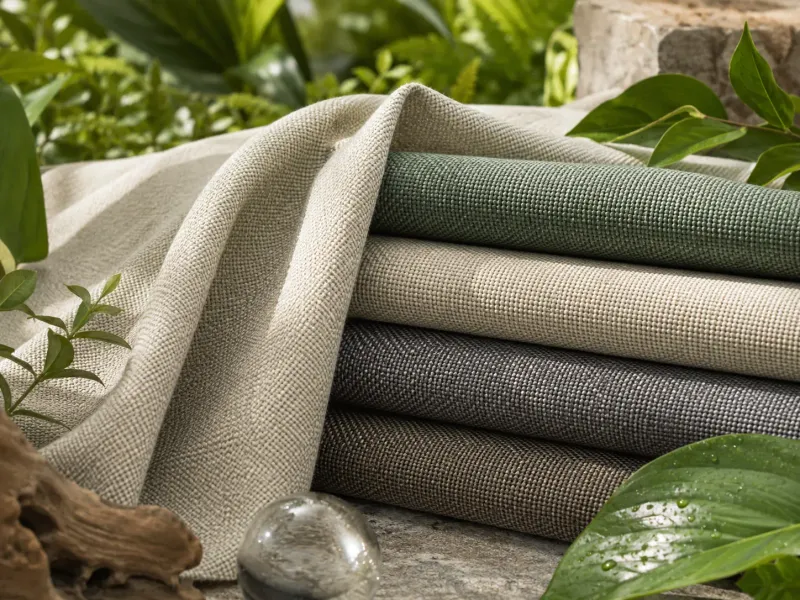
Eco Friendly Outdoor Fabric
Environmentally responsible outdoor fabric engineered for durability and sustainable performance.
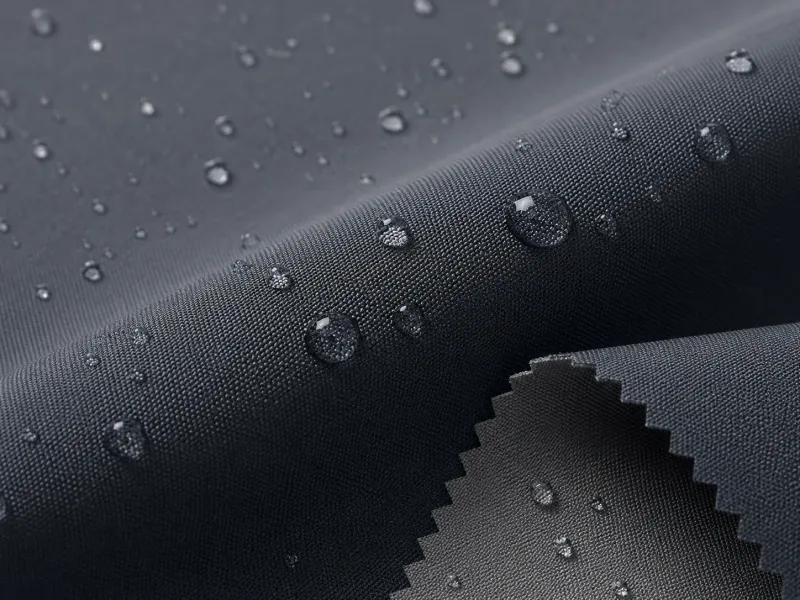
Waterproof Polyester Fabric
Durable waterproof polyester fabric designed for outdoor apparel, bags and weather-resistant textile applications.
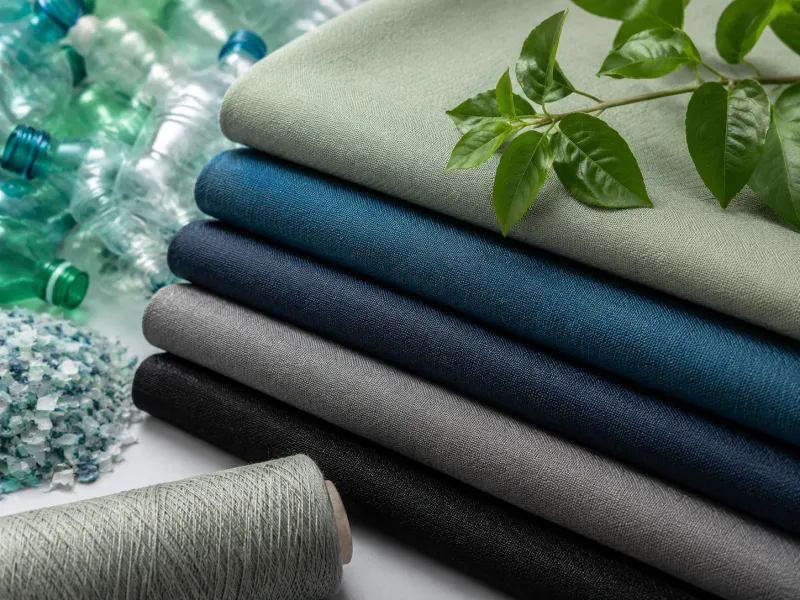
GRS Certified Recycled Fabric
Global Recycled Standard certified fabric providing traceable sustainability for international brands.
Related Categories
Related Applications
Related Industries
Choose the right outdoor fabric technology to meet both performance standards and sustainability goals in 2026
Request a Sample of Our Eco Outdoor Fabric Range