
You've probably seen ‘Oxford fabric’ on a spec sheet for a backpack, a tent and an office chair in the same week and wondered how one fabric does all three. It doesn't — Oxford is a family, and the denier and coating decide everything.
This is our working reference on Oxford fabric — what the weave actually is, how to read the D-number, which coating to specify, and where each build belongs. We weave and coat it at the mill in Keqiao, Shaoxing.
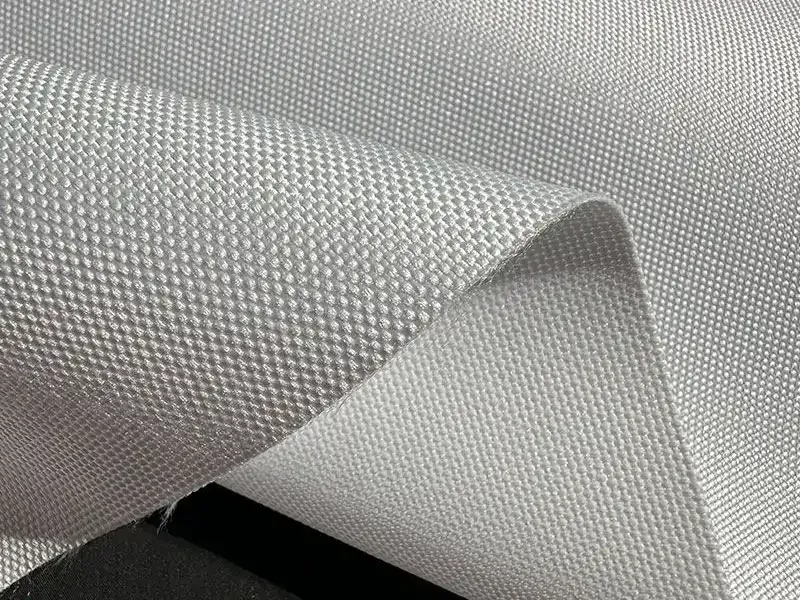
What Oxford Fabric Actually Is
Oxford is a basketweave: two or more warp yarns crossing a heavier weft, giving a fine basket texture with a soft sheen. It started as a shirting cloth, but the technical version — usually polyester or nylon — is what goes into bags, tents, workwear and covers. The weave gives it tear resistance and a smooth face that coats well.
Reading the D-Number (Denier)
The number before the D is denier — yarn thickness. Higher denier means a heavier, tougher, more abrasion-resistant cloth. This is the single most useful number on an Oxford spec:
| Denier | Weight feel | Where we point buyers |
| 210D | Light | Linings, light bags, stuff sacks |
| 420D | Mid | Backpacks, travel bags, foldable goods |
| 600D | Heavy | Luggage, workwear, outdoor covers, chair upholstery |
| 900D-1680D | Very heavy | Heavy-duty luggage, tactical, industrial |
We steer most bag and pack programs to 600D — it's the sweet spot for abrasion resistance versus weight. Go 420D only when weight is the priority.
Coatings — Where Waterproofing Lives
Bare Oxford is not waterproof. The coating on the back is what stops water, and it's a separate decision from the denier:
- PU (polyurethane) — flexible, breathable-ish, matte back. The default for bags and apparel-adjacent goods.
- PVC — fully waterproof, stiffer, wipes clean. Tarpaulins, heavy covers, outdoor furniture.
- PA (acrylic) — light water repellency, low cost, for linings and light goods.
- Silver / UV coating — added to awnings and tents for sun blocking.
For the coating trade-offs in depth, see our PU coated fabric guide. For genuinely waterproof outdoor shells with a hydrostatic-head rating, see waterproof fabric for outdoor, and for tear-proof ripstop builds, nylon ripstop fabric.
Polyester vs Nylon Oxford
Polyester Oxford holds colour and resists UV better and costs less — our default. Nylon Oxford is stronger for its weight and takes a softer hand, worth the premium for lightweight technical packs. Both coat the same way.
Our woven, coated Oxford is stocked as Oxford Fabric; for coated shells and covers see Waterproof Polyester Fabric and Outdoor Shell Fabric.
Related Resources
Related Products (4)
Oxford Fabric
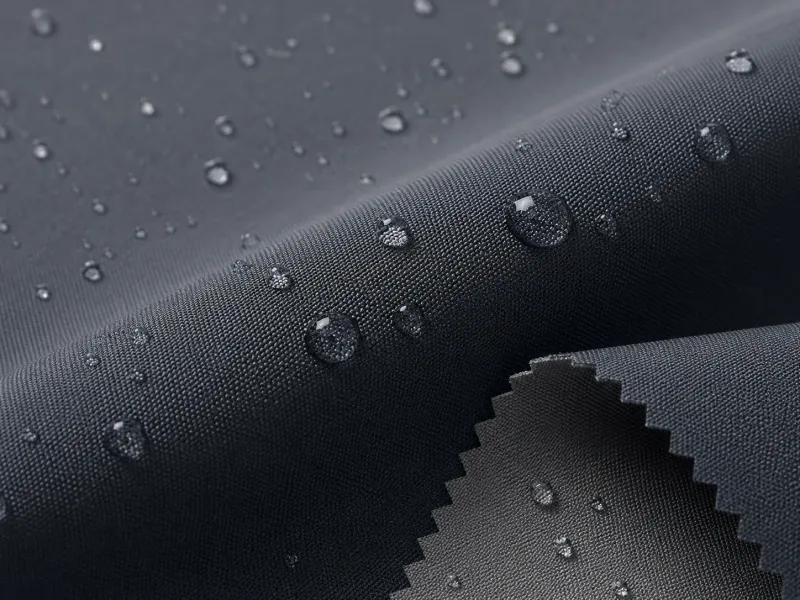
Waterproof Polyester Fabric
Durable waterproof polyester fabric designed for outdoor apparel, bags and weather-resistant textile applications.
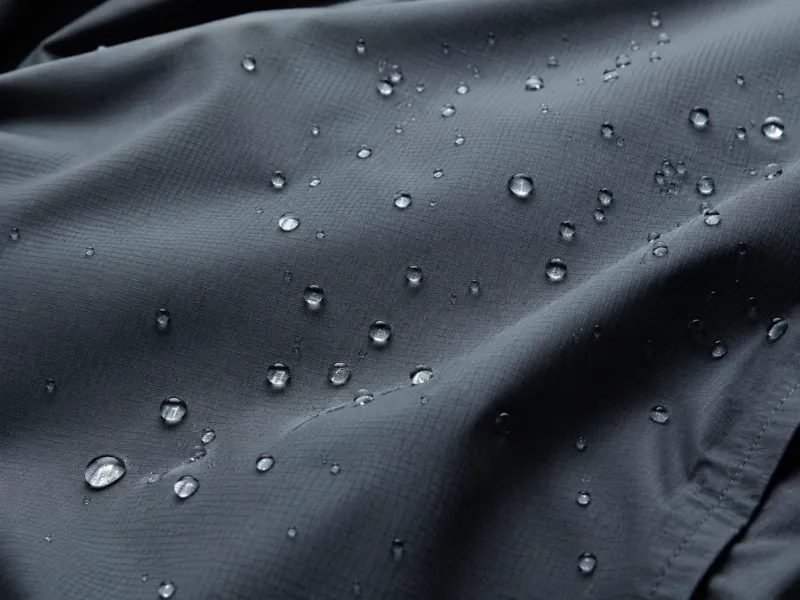
Outdoor Shell Fabric
Weather-resistant shell fabric developed for outdoor jackets and protective outerwear.
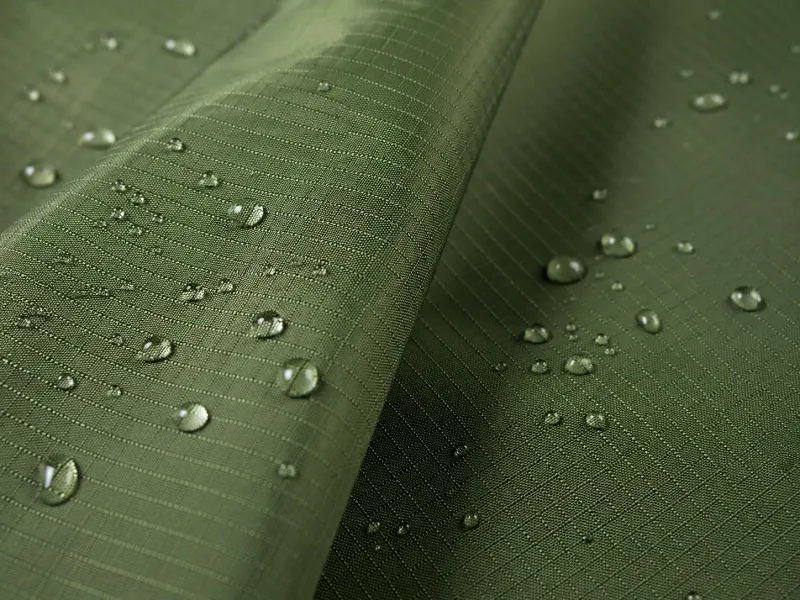
Ripstop Waterproof Fabric
Lightweight ripstop waterproof fabric with enhanced tear resistance for outdoor applications.
Related Categories
Related Applications
Related Industries
What Oxford Fabric Is, How to Read Denier, and Which Coating to Specify
Request Free Swatches