
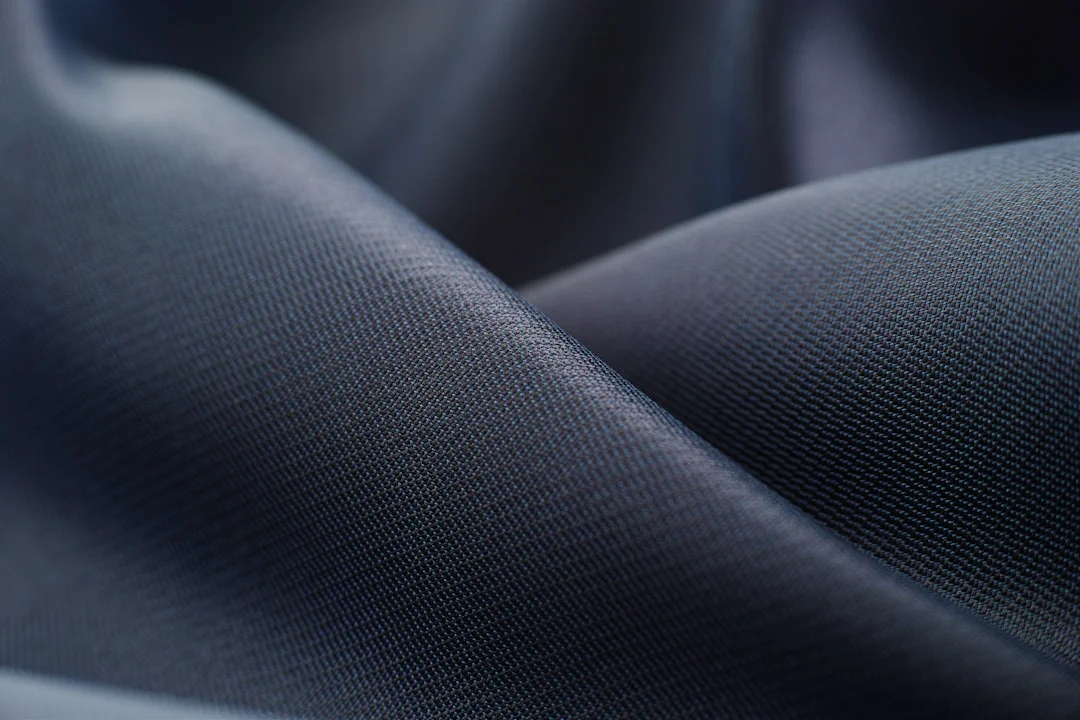
Outdoor gear brands and equipment manufacturers face a demanding brief: fabrics must simultaneously resist rain, block UV radiation, manage perspiration, endure abrasion, and — as of 2026 — meet rising sustainability expectations from retailers and end consumers alike. At FuncFabric, we supply functional fabric for outdoor gear to brands serving North America, Europe, and global export markets. Our range spans waterproof breathable laminates, ripstop constructions, UPF 50+ wovens, and GRS-certified recycled options, all available in customizable GSM ranges and widths suited for jackets, packs, tents, sleeping bag shells, and technical apparel. Whether you are sourcing a 3-layer hardshell for alpine wear or a lightweight ripstop for a packable windbreaker, this guide outlines the key fabric categories, technical benchmarks, and selection criteria that matter most to outdoor gear developers and wholesale buyers.
Why Standard Fabrics Fall Short for Outdoor Gear
The Performance Gap in Conventional Textiles
General-purpose polyester or nylon fabrics are engineered for cost and appearance, not field performance. When exposed to sustained rainfall, UV radiation, or high-exertion use, they fail in predictable ways — water saturates the face fabric, UV degrades the fiber structure over time, and moisture from perspiration has no escape route.
Functional fabrics solve this with engineered constructions and finishes:
- Hydrostatic head ratings from 5,000 mm to 30,000 mm determine how long a fabric resists water pressure
- MVTR (Moisture Vapor Transmission Rate) of 5,000–18,000 g/m²/24h governs breathability during exertion
- UPF 50+ blocks >98% of UVA/UVB radiation, critical for high-altitude and desert environments
- ISO 12947-verified abrasion resistance ensures the fabric survives pack straps, rock scrambles, and repeated folding
Compared to Standard Fabrics
Unlike a generic 150gsm polyester knit, a properly specified Waterproof Breathable Fabric with a PU or TPU membrane delivers simultaneous weather protection and active moisture management — two properties a single-layer commodity fabric cannot provide. Field testing consistently shows that gear built with functional constructions outlasts standard alternatives by 2–3 seasons under regular outdoor use, reducing replacement frequency and total lifecycle cost for the end user.
Core Fabric Categories for Outdoor Gear Applications
Waterproof & Breathable Fabrics
The most demanded category in the Outdoor & Adventure Industry, waterproof breathable constructions use micro-porous PU or TPU membranes laminated to a face fabric and optional backer.
| Construction | Waterproof Rating | Breathability (MVTR) | Typical Use |
| [Ripstop Waterproof Fabric](/products/ripstop-waterproof-fabric/) | 5,000–15,000 mm | 3,000–8,000 g/m²/24h | Packable jackets, groundsheets |
| [Waterproof Breathable Fabric](/products/waterproof-breathable-fabric/) | 10,000–20,000 mm | 5,000–15,000 g/m²/24h | Mid-layer shells, rain jackets |
| [3 Layer Waterproof Fabric](/products/3-layer-waterproof-fabric/) | 20,000–30,000 mm | 10,000–18,000 g/m²/24h | Alpine hardshells, expedition wear |
| [TPU Laminated Fabric](/products/tpu-laminated-fabric/) | 20,000–30,000 mm | 8,000–18,000 g/m²/24h | Technical shells, dry bags |
All options are available with PFC-free DWR surface treatment, meeting current EU and California restrictions on fluorinated compounds.
Outdoor Shell & Wind-Resistant Fabrics
Outdoor Shell Fabric covers a broad spectrum from 100gsm packable ripstops to 300gsm softshell constructions. Key specs include:
- Wind resistance: 100% windproof (air permeability < 1 mm/s) for hardshell constructions
- Weight: 100gsm–300gsm customizable across all-season use cases
- Width: 150cm–180cm rolled or folded for efficient cutting room yield
- Ripstop reinforcement grids: 5mm–10mm patterns that arrest tear propagation
UV Protection Fabrics
For sun shirts, hiking apparel, and equipment exposed to high solar loads, UV-rated fabrics are a current industry standard. Outdoor UV Protection Fabric delivers:
- UPF 50+ (blocks >98% UVA/UVB)
- DWR-treated face for light rain and wind resistance
- High MVTR breathability
- Weight range: 150gsm–280gsm
For ultralight sun-protective garments, Sun Protective Apparel Fabric is available from 80gsm, a significant weight advantage compared to heavier UV-rated wovens that can reach 200gsm+.
Performance Specifications That Outdoor Gear Buyers Must Evaluate
Key Technical Parameters
When specifying functional fabric for outdoor gear, procurement teams and product developers should evaluate each of the following against their end-use conditions:
Waterproofing & Weather Resistance
- Hydrostatic head (HH): A rating of 1,500mm covers light rain; 10,000mm+ is required for sustained alpine precipitation; 20,000mm–30,000mm suits expedition-grade hardshells
- DWR coating: PFC-free options now available and increasingly required by European retail chains as of 2026
- Seam sealability: TPU-laminated and 3-layer constructions support taped seams for full waterproofing
Breathability
- MVTR of 3,000–8,000 g/m²/24h suits low-exertion or casual outdoor use
- 10,000–18,000 g/m²/24h is required for high-output activities such as trail running, ski touring, or climbing
- Constructions: 2-layer, 2.5-layer, and 3-layer laminates, each with different weight and breathability tradeoffs
Durability & Structural Integrity
- Abrasion resistance (ISO 12947): High rating required for pack contact zones, knees, and elbows
- Ripstop grid (5mm–10mm): Arrests mechanical damage propagation — standard in expedition packs and technical shells
- Tensile strength: High warp/weft retention in UV Resistant Polyester Fabric and Waterproof Polyester Fabric ensures long-term structural integrity
Weight Benchmarks by Application
| Application | Recommended GSM | Key Property |
| Packable wind jacket | 80gsm–120gsm | Ultralight, compressible |
| Trail running shell | 100gsm–150gsm | Low weight, high MVTR |
| 3-season rain jacket | 150gsm–220gsm | Waterproof + breathable balance |
| Expedition hardshell | 220gsm–280gsm | Maximum protection, 3-layer |
| Gear bags & packs | 150gsm–300gsm | High abrasion, ripstop |
| Sun-protective shirt | 80gsm–140gsm | UPF 50+, quick-dry |
Sustainable & Recycled Options for Outdoor Brands
The Sustainability Shift in Outdoor Textiles
As of 2026, leading outdoor retailers and certification bodies (bluesign®, GOTS, GRS) are making recycled content and traceable supply chains a prerequisite for shelf placement in North American and European markets. FuncFabric addresses this directly with a dedicated range of certified sustainable fabrics.
GRS-Certified Recycled Fabrics
GRS Certified Recycled Fabric delivers:
- 20%–100% recycled content (independently audited)
- Full Chain of Custody (COC) documentation from post-consumer waste to fabric roll
- Weight range: 120gsm–300gsm
- Constructions: woven, knit (jersey/interlock/mesh), non-woven, and technical blends
- Width: 150cm–250cm
Eco Friendly Outdoor Fabric combines GRS-certified RPET or recycled nylon with:
- PFC-free DWR surface finish
- UPF 50+ (blocks >98% UVA/UVB)
- High abrasion resistance (ISO 12947 verified)
- Weight: 150gsm–320gsm
Recycled vs. Virgin Performance Comparison
| Property | Recycled (RPET/Recycled Nylon) | Virgin Polyester/Nylon |
| GRS Certification | Available (20%–100%) | Not applicable |
| COC Traceability | Full (post-consumer waste) | N/A |
| Performance (abrasion, tensile) | Comparable | Baseline |
| PFC-free DWR compatibility | Yes | Yes |
| Retail acceptance (EU/NA 2026) | High (preferred) | Declining for some SKUs |
Unlike brands sourcing undifferentiated commodity fabrics, outdoor gear developers working with GRS-certified materials can support retailer onboarding documentation, consumer-facing sustainability claims, and EPD (Environmental Product Declaration) requirements without sourcing from multiple supply chain tiers.
Recycled Performance Fabric is available in 140gsm–280gsm, in single jersey, interlock, mesh, or technical woven constructions, with 4-way stretch and high abrasion resistance — making it equally suitable for technical apparel and soft equipment panels.
Wholesale Sourcing Guide: How to Specify and Order Functional Outdoor Fabrics
Step-by-Step Sourcing Process
For brands and buyers new to technical fabric procurement, the following framework covers the key decision points from initial specification to bulk order.
Step 1 — Define End-Use Requirements
Start with the performance envelope your garment or gear must meet:
- Weather conditions: light rain, sustained precipitation, or full alpine exposure
- Activity level: low exertion (casual) vs. high exertion (climbing, skiing, running)
- UV exposure: standard vs. UPF 50+ required
- Sustainability mandate: GRS certification required or preferred
- Weight budget: ultralight (<120gsm) vs. durable (>200gsm)
Step 2 — Select Construction Type
| Requirement | Recommended Fabric |
| Maximum waterproofing + breathability | [3 Layer Waterproof Fabric](/products/3-layer-waterproof-fabric/) |
| Packable, lightweight shell | [Ripstop Waterproof Fabric](/products/ripstop-waterproof-fabric/) |
| UV protection + weather resistance | [Outdoor UV Protection Fabric](/products/outdoor-uv-protection-fabric/) |
| Sustainable + waterproof + UV | [Eco Friendly Outdoor Fabric](/products/eco-friendly-outdoor-fabric/) |
| Technical shell (all-season) | [Outdoor Shell Fabric](/products/outdoor-shell-fabric/) |
| High-performance laminate | [TPU Laminated Fabric](/products/tpu-laminated-fabric/) |
Step 3 — Confirm Customization Parameters
All fabrics in the FuncFabric outdoor range are customizable across:
- GSM: adjusted within each product's specified range
- Width: typically 150cm–180cm (up to 250cm for select constructions)
- Color: custom dyeing available (Pantone-matched)
- DWR: PFC-free or standard, depending on market requirement
- Certification documentation: GRS COC, test reports (ISO 12947, ISO 105-B02, AATCC), available on request
Step 4 — Sample and Bulk Ordering
We prepare bulk production orders for export to North America, Europe, and Asia-Pacific markets. Sample development is available ahead of bulk commitment. Our QC process checks each batch against the confirmed spec before shipment, with full test reports provided. For wholesale inquiries, complete specifications in the contact form to receive accurate lead time and MOQ information for your specific construction.
Frequently Asked Questions
What is the difference between a 2-layer, 2.5-layer, and 3-layer waterproof fabric for outdoor gear?
A 2-layer construction bonds the waterproof membrane to the face fabric, with a separate loose lining sewn in. A 2.5-layer adds a printed or embossed inner surface to the membrane, eliminating the separate lining while keeping weight low — common in packable rain jackets. A 3-layer laminate bonds the face fabric, membrane, and inner backer together as a single unit, offering the highest durability, breathability (10,000–18,000 g/m²/24h MVTR), and waterproof performance (up to 30,000mm hydrostatic head), making it the standard for expedition and alpine hardshells. The 3-layer option is heavier (180gsm–280gsm) but eliminates interior abrasion on the membrane and supports fully taped seam construction.
Are GRS-certified recycled fabrics suitable for technical outdoor gear, or do they sacrifice performance?
GRS-certified recycled fabrics — such as those made from 100% RPET or recycled nylon blends — perform comparably to virgin equivalents in key outdoor metrics including abrasion resistance (ISO 12947 verified), tensile strength, and colorfastness (Grade 4–5, ISO 105-B02). The GRS certification covers supply chain traceability and recycled content verification (20%–100%), not performance reduction. Eco Friendly Outdoor Fabric, for example, combines GRS certification with PFC-free DWR and UPF 50+ protection, making it fully suitable for technical jackets, packs, and outdoor apparel sold into environmentally conscious retail channels in North America and Europe.
What hydrostatic head rating do I need for outdoor gear fabric?
The required hydrostatic head rating depends on the intended use. A rating of 1,500mm–5,000mm covers light rain and wind-resistant casual outerwear. For sustained rain exposure in hiking or camping, 10,000mm–15,000mm is the current industry standard. Expedition-grade and alpine gear typically specifies 20,000mm–30,000mm, achievable with 3-layer or TPU laminated constructions. For gear bags, packs, and tarps where seam sealing is not practical, a ripstop construction with 5,000mm–10,000mm provides an effective balance of weight and water resistance.
Can outdoor fabric be customized for specific GSM, color, and DWR type?
Yes. FuncFabric's outdoor fabric range supports customization across GSM (within each product's specified range, typically 80gsm–320gsm depending on construction), fabric width (150cm–250cm), Pantone-matched dyeing, and DWR type (PFC-free or standard fluorinated). PFC-free DWR is increasingly required by EU retailers and California-based brands as of 2026. Certification documentation — including GRS Chain of Custody, ISO test reports, and AATCC compliance records — can be provided alongside bulk orders to support retailer onboarding and consumer-facing sustainability claims.
What fabrics are best suited for outdoor sun-protective apparel versus hard-shell jackets?
Sun-protective apparel prioritizes UPF 50+ protection, ultralight weight, and moisture management. Sun Protective Apparel Fabric starts from 80gsm, offers UPF 50+ (blocking >98% UVA/UVB), quick-dry wicking, and high air permeability — suited for hiking shirts, arm sleeves, and trail running tops. Hard-shell jackets require a fundamentally different spec: waterproof ratings of 10,000mm–30,000mm, MVTR breathability, and a laminated membrane construction (2-layer to 3-layer). Outdoor Shell Fabric and 3 Layer Waterproof Fabric serve this use case, with weights from 100gsm (packable) to 280gsm (expedition). Selecting the wrong category — for example, using a UV-only fabric where waterproofing is needed — is the most common specification error in outdoor gear development.
Related Resources
Related Products (3)
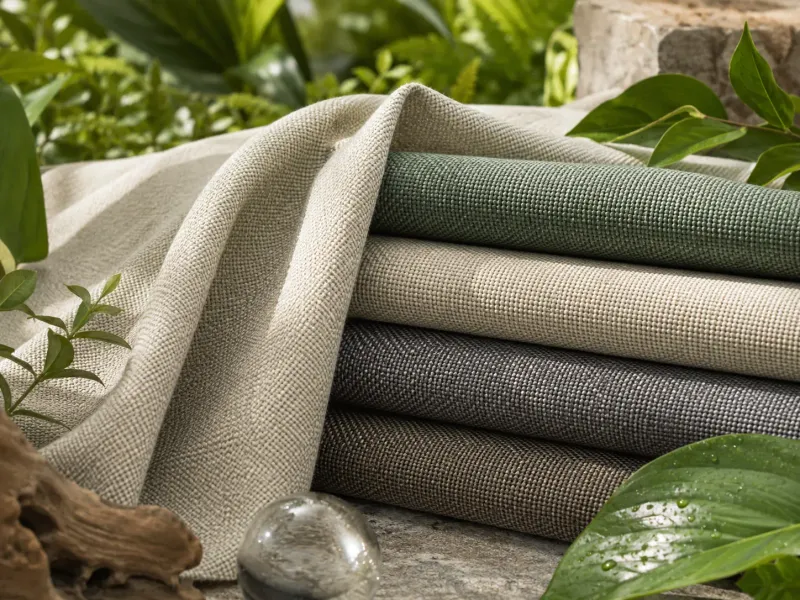
Eco Friendly Outdoor Fabric
Environmentally responsible outdoor fabric engineered for durability and sustainable performance.
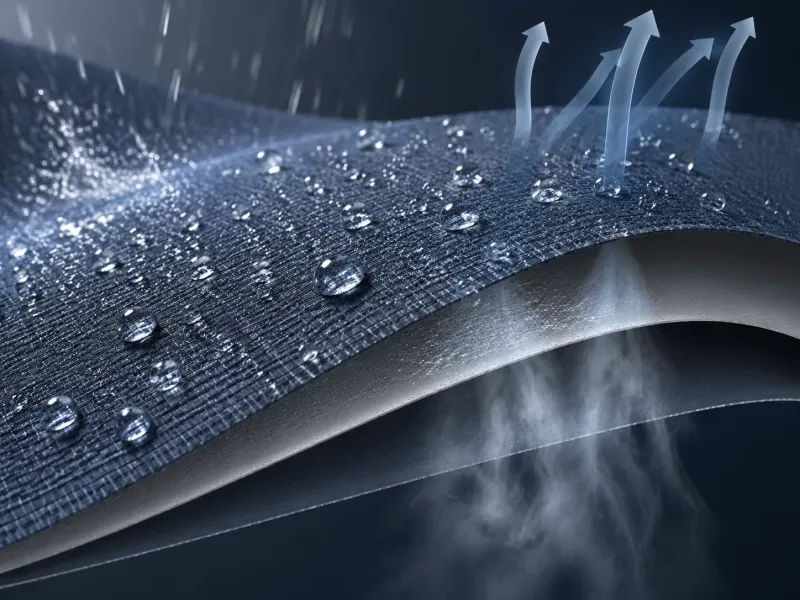
Waterproof Breathable Fabric
Advanced waterproof and breathable fabric engineered for high-performance outdoor garments.
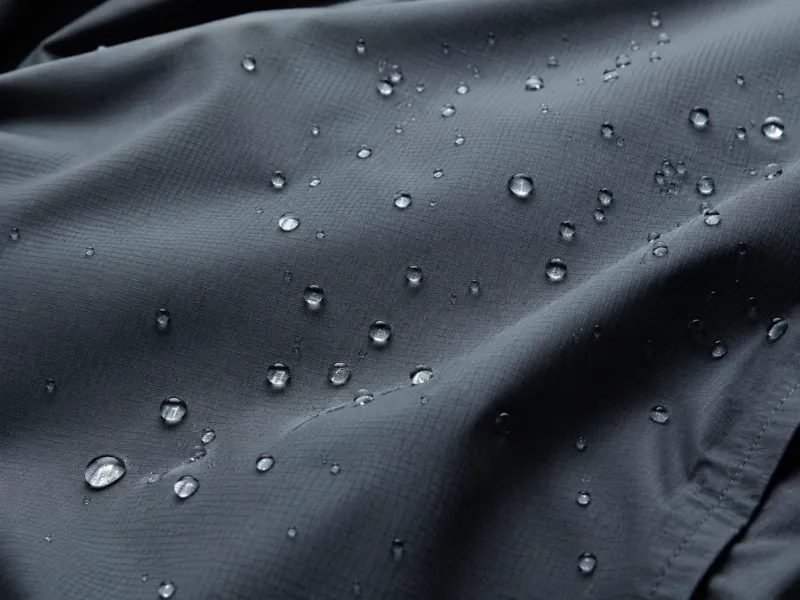
Outdoor Shell Fabric
Weather-resistant shell fabric developed for outdoor jackets and protective outerwear.
Related Categories
Related Applications
Related Industries
Engineered outdoor fabrics built for waterproofing, UV protection, breathability, and durability — wholesale and export-ready
Request a Wholesale Quote for Outdoor Fabrics