
When the application involves heat, flame, or arc flash, comparing workwear fabric vs inherent flame retardant fabric is not just a specification exercise; it is a safety decision. Standard workwear fabrics are often selected for comfort and durability, but they are not engineered to self-extinguish. Inherent flame retardant fabrics, such as aramid-based constructions, are designed so the fibre itself resists ignition and does not rely on a topical chemical finish. As of 2026, safety managers and procurement teams are evaluating fabric weight, composition, compliance standards, and industrial wash durability before committing to bulk orders. This guide is based on materials we manufacture and supply for global workwear and protective clothing programmes.
Standard Workwear Fabric vs Inherent Flame Retardant Fabric: The Core Difference
The phrase workwear fabric typically refers to everyday uniforms, corporate apparel, and general industrial clothing made from polyester, cotton, or poly-cotton blends. These fabrics are chosen for appearance, comfort, and abrasion resistance, but they do not have a certified flame-resistant property. For workwear that must protect against heat or flame, you need a Flame Retardant Fabric with a recognised standard.
Inherent flame retardant fabric is different at the fibre level. Our Inherent Flame Retardant Fabric is composed of 95% meta-aramid and 5% PPTA, which means the flame resistance is built into the polymer rather than applied as a coating. That distinction matters when you compare long-term performance with chemically treated cotton.
Comparing Composition, Weight, and Heat Performance
For typical industrial workwear, FR Workwear Fabric offers a modacrylic/cotton or polyester/modacrylic construction in 220-350 GSM, with self-extinguishing behaviour and a conductive yarn finish to prevent electrostatic discharges. Welding Protective Fabric is heavier at 260-420 GSM and is rated to EN ISO 11611 Class A1/A2 for spark and slag resistance. In contrast, Arc Flash Protection Fabric is rated at ATPV 12-45+ cal/cm² and is available in 220-360 GSM.
When extreme heat is the main hazard, Inherent Flame Retardant Fabric is specified for long-term exposure up to 360°C (680°F). Because the FR chemistry is part of the fibre, the protection will not be removed by industrial laundering. This is the main experiential difference we see in production: treated cotton may lose protection as the finish degrades, while aramid-based inherent FR fabric remains flame-resistant for the life of the garment.
How to Choose the Right FR Workwear Fabric for Your Application
Start with the hazard assessment. For welding, reference EN ISO 11611 and choose a heavier fabric such as Welding Protective Fabric at 260-420 GSM. For oil and gas operations, look for Oil & Gas Protective Fabric at 250-350 GSM, which combines self-extinguishing behaviour with oil and water repellency Grade 8-9 per AATCC 118 and antistatic resistance below 100 ohms per AATCC 76.
For general FR workwear, our FR Workwear Fabric at 220-350 GSM balances protection with mobility. If your risk assessment calls for maximum continuous heat resistance, Inherent Flame Retardant Fabric at 180-320 GSM is the appropriate route. All of these fabrics can be specified in 150-180 cm widths for cut-and-sew manufacturing, and we can align roll formats with your cutting plan.
Pitfalls to Avoid When Specifying Workwear Fabric
A common mistake is replacing an FR-certified style with standard workwear fabric because the visual texture looks similar. Non-FR polyester blends can melt or drip at high temperatures, which increases injury severity in a flash fire. Always verify the standard on the final specification sheet instead of relying on the hand feel of the fabric.
Another mistake is treating all flame retardant fabrics as identical. Cotton Flame Retardant Fabric uses an advanced phosphorus-based finish on 100% cotton and is available in 200-340 GSM with afterglow under 2 seconds. Inherent Flame Retardant Fabric, by comparison, uses aramid chemistry. If you choose treated cotton, verify dimensional stability; our Cotton Flame Retardant Fabric is engineered to <3% warp and <2% weft shrinkage so garments remain true to pattern after industrial washing.
Sourcing Workwear and FR Fabrics for Global Programmes
We manufacture and supply Flame Retardant Fabric for Workwear & Protective Clothing programmes, including welding, oil and gas, and arc flash applications. Our FR Workwear Fabric ranges from 220 to 350 GSM, while Inherent Flame Retardant Fabric spans 180-320 GSM. We also supply non-FR recycled workwear fabrics such as GRS Certified Recycled Fabric and Recycled Performance Fabric in weights from 140 to 280 GSM for teams that do not face heat hazards.
For export orders, we provide consistent roll widths from 150 to 180 cm, with fabrics rolled or folded to your specification. This is particularly useful for buyers who are standardising patterns across facilities. Share your end-use standard and weight target, and we will recommend the right fabric construction from our production range.
Frequently Asked Questions
What is the main difference between workwear fabric and inherent flame retardant fabric?
Standard workwear fabric is chosen for comfort, durability, and appearance, but it does not have a flame-resistant fibre. Inherent flame retardant fabric is made from fibres like meta-aramid and PPTA; for example, our Inherent Flame Retardant Fabric is 95% meta-aramid and 5% PPTA, so the FR property is part of the material itself rather than a chemical coating that can wash off.
Which standards should I check for FR workwear fabric?
Depending on the application, look for EN ISO 11612 for heat and flame, EN ISO 11611 for welding, NFPA 2112 for flash fire, and ASTM F1506 for arc flash. Our Inherent Flame Retardant Fabric is specified against EN ISO 11612, EN ISO 11611, NFPA 2112, and ASTM F1506, while Welding Protective Fabric is referenced to EN ISO 11611 Class A1/A2.
Is cotton flame retardant fabric the same as inherent FR fabric?
No. Cotton Flame Retardant Fabric is 100% cotton with a phosphorus-based chemical finish, available in 200-340 GSM with self-extinguishing behaviour and afterglow under 2 seconds. Inherent Flame Retardant Fabric uses aramid fibres and does not rely on a chemical coating. Both can meet relevant standards, but they behave differently after laundering, at high heat, and during long-term wear.
Can I use recycled polyester workwear fabric for flame-resistant clothing?
Recycled polyester fabrics are excellent for standard sportswear, uniforms, and sustainable fashion, but they are not inherently flame retardant. If your application requires FR protection, select a dedicated Flame Retardant Fabric style such as FR Workwear Fabric, Welding Protective Fabric, or Inherent Flame Retardant Fabric. Use recycled workwear fabrics only where the risk assessment does not require FR performance.
What fabric weights are available for FR workwear?
We supply FR workwear fabrics in weights ranging from 200 to 420 GSM depending on the product. Our Inherent Flame Retardant Fabric is available at 180-320 GSM, FR Workwear Fabric at 220-350 GSM, Oil & Gas Protective Fabric at 250-350 GSM, and Welding Protective Fabric at 260-420 GSM. The right weight depends on the hazard, climate, and worker comfort requirements.
Related Resources
Related Products (4)

Recycled Performance Fabric
Advanced recycled performance fabric combining sustainability with technical textile functionality.
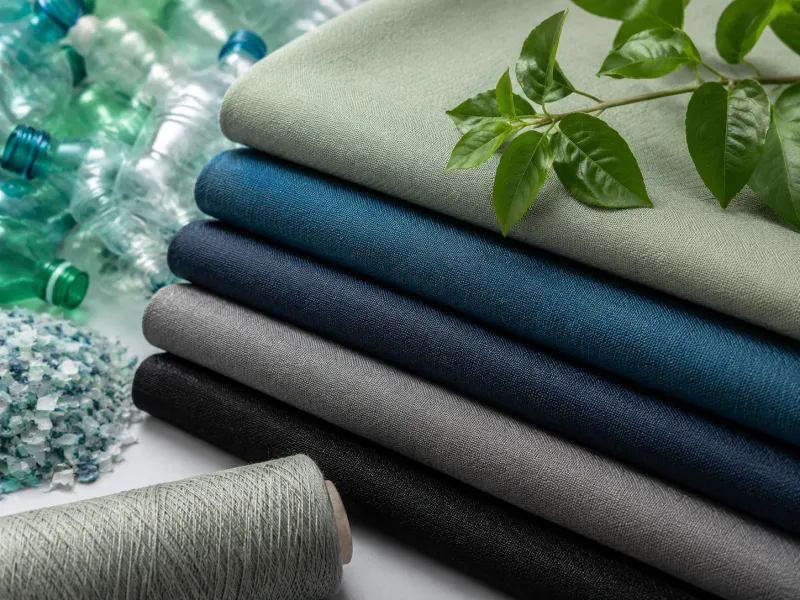
GRS Certified Recycled Fabric
Global Recycled Standard certified fabric providing traceable sustainability for international brands.
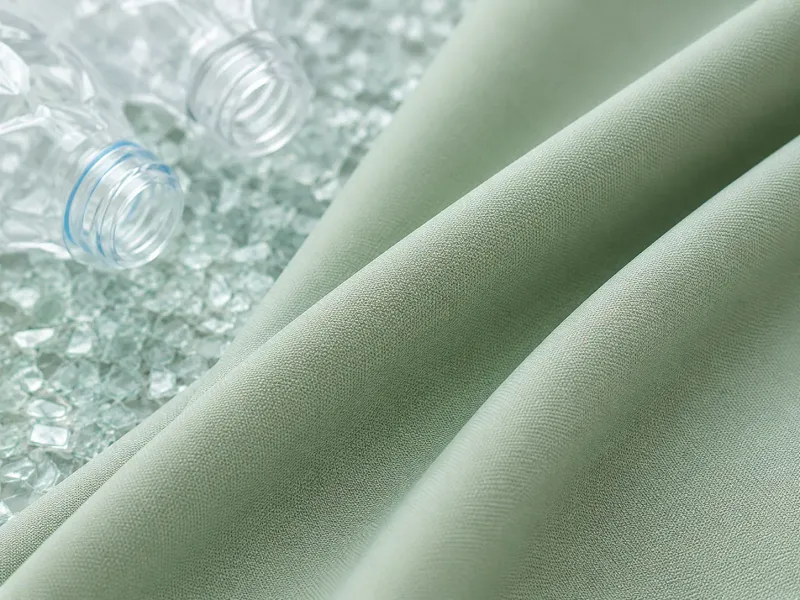
Recycled Polyester Fabric
High-performance recycled polyester fabric manufactured from post-consumer PET bottles for sustainable apparel and technical textile applications.
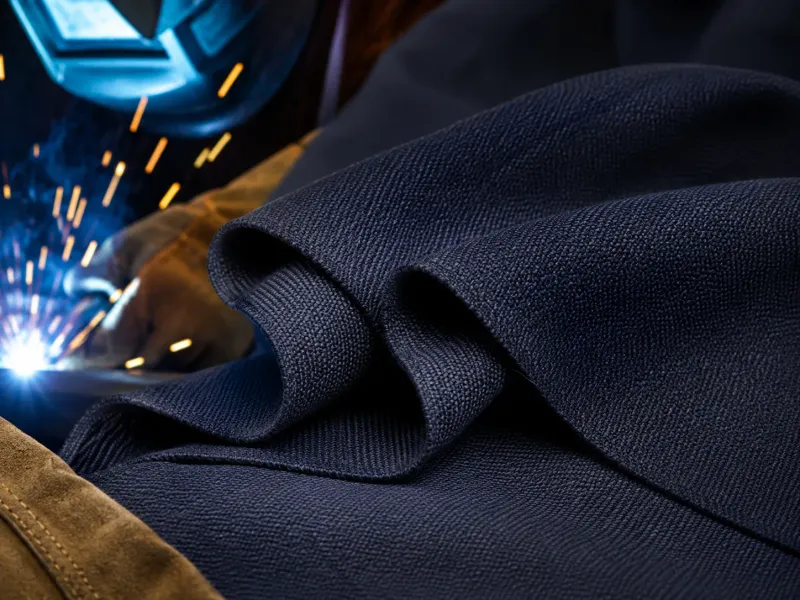
Welding Protective Fabric
Heat and spark resistant fabric designed for welding apparel and industrial protection.
Related Categories
Related Applications
Compare composition, weight, standards, and durability before you specify FR fabric.
Get FR Fabric Specifications