
Ripstop waterproof fabric is a technical textile engineered for applications that demand both tear resistance and reliable wet-weather protection. It combines a reinforcing grid—typically spaced 5mm to 10mm apart—with a waterproof coating or lamination such as PU (polyurethane) or TPU (thermoplastic polyurethane). As of 2026, this fabric category remains the standard for outdoor apparel, marquee tents, cargo covers, and protective workwear across North America and Europe.
Understanding Ripstop Waterproof Fabric
Ripstop waterproof fabric is a technical textile engineered for applications that demand both tear resistance and reliable wet-weather protection. The 'ripstop' structure uses a reinforcement grid—typically spaced 5mm to 10mm apart—to stop small punctures from propagating into long tears. This grid is woven into the base cloth during production, so the reinforcement is permanent rather than applied.
On its own, a ripstop weave does not block water. The fabric becomes waterproof through a subsequent coating or lamination step with a polymer such as PU (polyurethane) or TPU (thermoplastic polyurethane). Specified in our Ripstop Waterproof Fabric line, this textile is built from 100% polyester or nylon ripstop weave with weights from 80gsm to 180gsm and waterproof ratings of 5,000mm to 15,000mm hydrostatic head.
The Construction and Coating Process
The manufacturing process starts by weaving polyester or nylon yarns with heavier reinforcement threads crossing at regular intervals. After weaving, the fabric can be waterproofed in two primary ways. Direct coating applies a liquid PU solution that cures into a continuous film; this is the more economical route for most outdoor products. Lamination, by contrast, bonds a pre-formed TPU membrane (10–60 microns) to the face fabric, which yields higher hydrostatic head performance and better flex endurance.
For demanding garments, our 3 Layer Waterproof Fabric uses a micro-porous PU or TPU film of 15–30 microns to achieve 20,000–30,000mm waterproof ratings and MVTR breathability of 10,000–18,000 g/m²/24h. Meanwhile, a standard ripstop waterproof fabric with a PU coating offers 5,000–15,000mm and 3,000–8,000 g/m²/24h, making the trade-off between cost and performance clear.
Critical Performance Specifications
Reviewing a specification sheet for ripstop waterproof fabric, the most important values are the hydrostatic head rating, breathability, weight, and grid spacing. Our Ripstop Waterproof Fabric is available from 80gsm to 180gsm—light enough for packable shells, yet strong enough for protective covers. The waterproof rating, measured in millimeters of hydrostatic head, ranges from 5,000mm to 15,000mm, indicating how much water pressure the fabric can withstand.
Breathability is expressed as MVTR (moisture vapor transmission rate). For standard ripstop waterproof fabric, MVTR sits between 3,000 and 8,000 g/m²/24h. By comparison, a 3-layer laminate can reach 10,000–18,000 g/m²/24h while maintaining a 20,000–30,000mm waterproof rating. Compared with non-ripstop fabrics of equal weight, the 5–10mm ripstop grid confines tears to a small area, which is a critical differentiator in field conditions.
Real-World Applications and Industries
Ripstop waterproof fabric is specified across outdoor and industrial sectors. In Outdoor Apparel, lightweight shells, rain pants, and alpine gear use 80–120gsm ripstop to minimize pack volume. In the camping industry, tents and footprint tarps favor PU-coated ripstop for its balance of weight and abrasion resistance. The fabric also appears in luggage, technical backpacks, and cargo covers where puncture resistance is a priority.
For heavy-duty uses, the same base weave is paired with TPU lamination for marine covers, inflatable structures, and Lifting & Rigging components. As of 2026, export customers in North America and Europe increasingly request eco-friendly alternatives; our Recycled Polyester Fabric can be woven in a ripstop construction, is GRS-certified and traceable, and supports full supply-chain documentation—all while delivering weights of 120–280gsm.
Choosing the Right Ripstop Waterproof Fabric
Choosing the optimal ripstop waterproof fabric requires weighing performance against application. For high-output outerwear where comfort at high exertion matters, a 3-layer or TPU-laminated construction—such as our TPU Laminated Fabric—delivers 20,000–30,000mm hydrostatic head and MVTR up to 18,000 g/m²/24h. For value-driven products like packable rain shells, tarps, and industrial covers, a PU-coated Ripstop Waterproof Fabric in the 80–180gsm range offers reliable 5,000–15,000mm protection.
Consider the coating and lamination method, specific weight, and whether breathability or maximum waterproofness is more critical for the end environment. Always request a physical sample and verify the hydrostatic head and MVTR against your own test method before committing to bulk production.
Frequently Asked Questions
What is ripstop waterproof fabric?
Ripstop waterproof fabric is a woven technical textile with a reinforcement grid woven into the base cloth at regular 5mm–10mm intervals. When coated or laminated with a waterproof material such as PU or TPU, it blocks water penetration while preventing tears from spreading. Typical specifications include weights of 80–180gsm, waterproof ratings of 5,000–15,000mm hydrostatic head, and breathability of 3,000–8,000 g/m²/24h.
What does a 10,000mm waterproof rating mean?
The hydrostatic head test measures how much water pressure a fabric can withstand before leaking. A 10,000mm rating means a column of water 10 meters high can sit on the fabric for a defined period without penetration. For most outdoor apparel and tents, 5,000mm is treated as minimum protection, while 15,000mm and above suits extended rain and alpine conditions.
Is ripstop waterproof fabric breathable?
Standard PU-coated ripstop fabrics typically offer MVTR values of 3,000–8,000 g/m²/24h, which allow some moisture vapor to escape during moderate activity. For higher exertion levels, laminated versions such as TPU-based 3-layer fabrics can reach 10,000–18,000 g/m²/24h while retaining a 20,000–30,000mm waterproof rating.
Can ripstop waterproof fabric be recycled?
Sustainably-minded suppliers offer ripstop fabrics made from recycled polyester (RPET). Our Recycled Polyester Fabric can be constructed with a ripstop weave and is GRS-certified and traceable, with weights from 120–280gsm. Coating and lamination may affect recyclability, so it's important to confirm the full material composition and any coating separation processes with your supplier.
What are the main differences between PU and TPU coatings?
PU (polyurethane) coatings are the most common and cost-effective waterproofing option for ripstop fabrics, offering solid hydrostatic head performance up to 15,000mm. TPU (thermoplastic polyurethane) films are laminated rather than applied as a solution, providing higher durability, higher waterproof ratings up to 30,000mm, and often better long-term flexibility. For applications like marine covers or emergency shelters, TPU lamination tends to outperform PU-coated fabrics in abrasion and hydrolysis resistance.
Related Resources
Related Products (4)
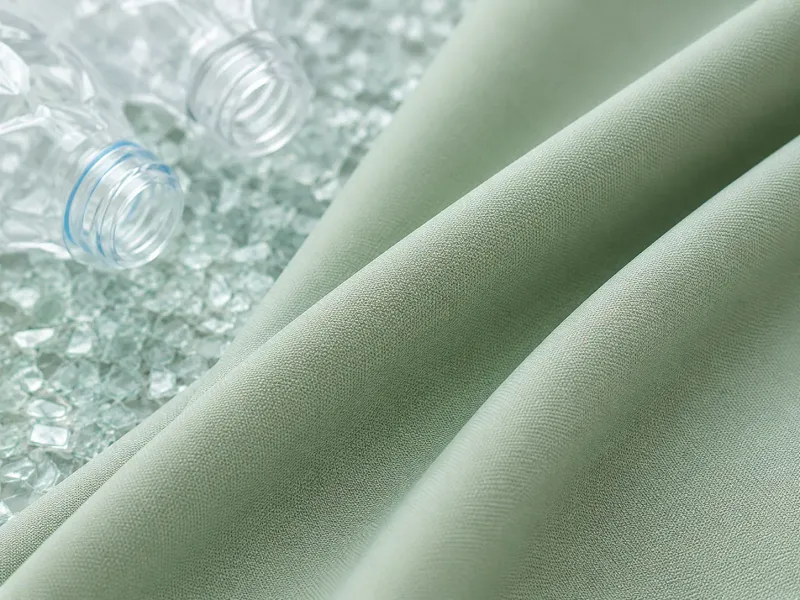
Recycled Polyester Fabric
High-performance recycled polyester fabric manufactured from post-consumer PET bottles for sustainable apparel and technical textile applications.
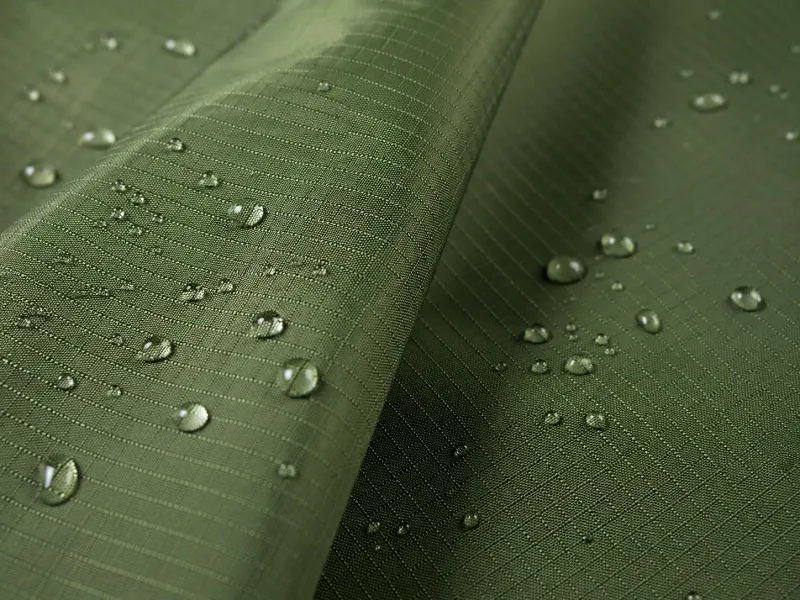
Ripstop Waterproof Fabric
Lightweight ripstop waterproof fabric with enhanced tear resistance for outdoor applications.
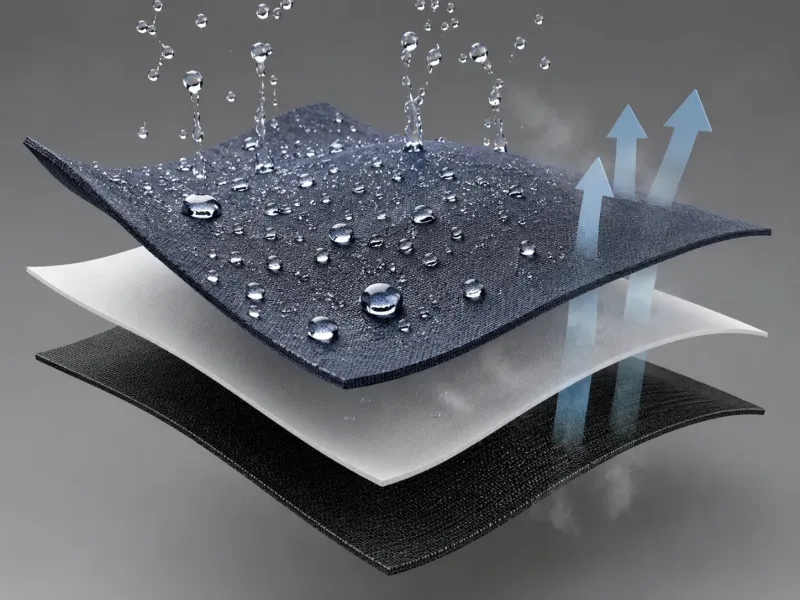
3 Layer Waterproof Fabric
Premium 3-layer waterproof fabric for professional outdoor and technical apparel.
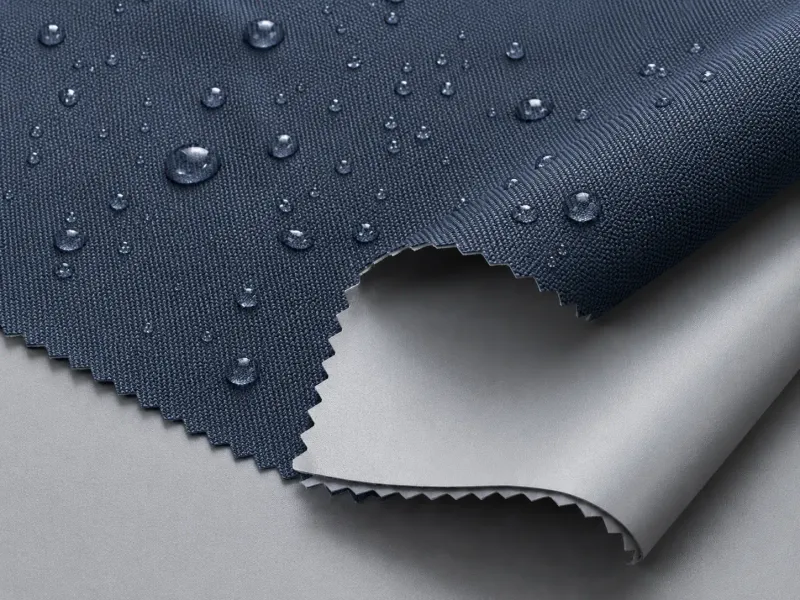
TPU Laminated Fabric
TPU laminated fabric providing superior waterproof performance and flexibility.
Related Applications
Ripstop weave, PU/TPU coatings, and performance specs explained
Request Ripstop Waterproof Fabric Specs