
You've probably bought a swimming costume that turned baggy at the seat after one summer of pool visits. That's a material choice, not a sewing fault.
This guide breaks down swimming costume material in plain language — the fibres, weights and finishes that decide how a costume fits, lasts and protects. We manufacture these fabrics, so the numbers are mill figures, not marketing.

What's Actually in a Swimming Costume
The elastane percentage is the number to watch. Below 15% and the recovery sags by the second season — we've dropped those blends from our swim range for exactly that reason.
Polyester or Nylon — How to Choose
One question settles it: pool or beach?
We walk through the chlorine side in depth on our chlorine-resistant swimwear fabric page.
Weight, Opacity and Comfort
A costume that turns see-through when wet is a returned costume. Weight is the fix:
Our core swim fabric is chlorine-resistant, UPF 50+ and four-way stretch — the full build sits on the Swimwear Fabric product page, and the wider sourcing picture is in our swimwear fabric buyer's guide.
Related Resources
Related Products (2)
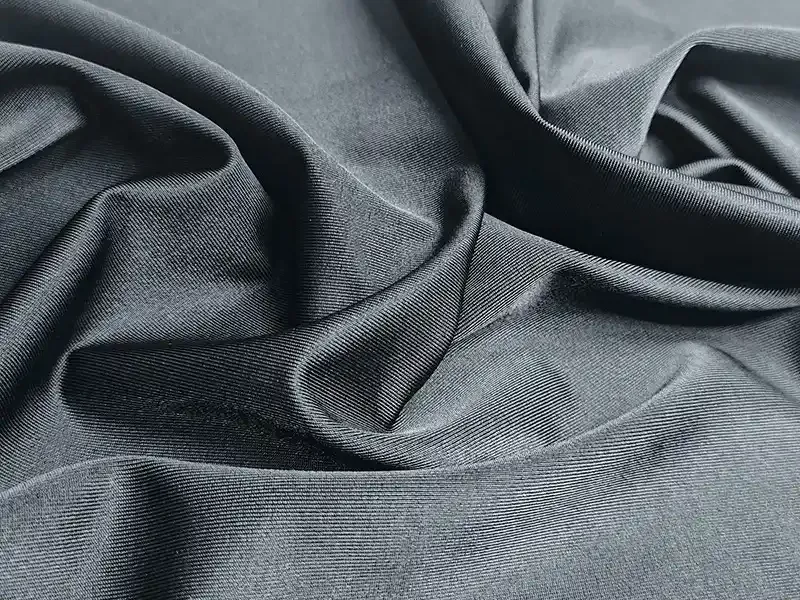
Swimwear Fabric
Chlorine-resistant, UPF 50+ four-way stretch swimwear fabric engineered for swimming costumes, swimsuits and performance beachwear.
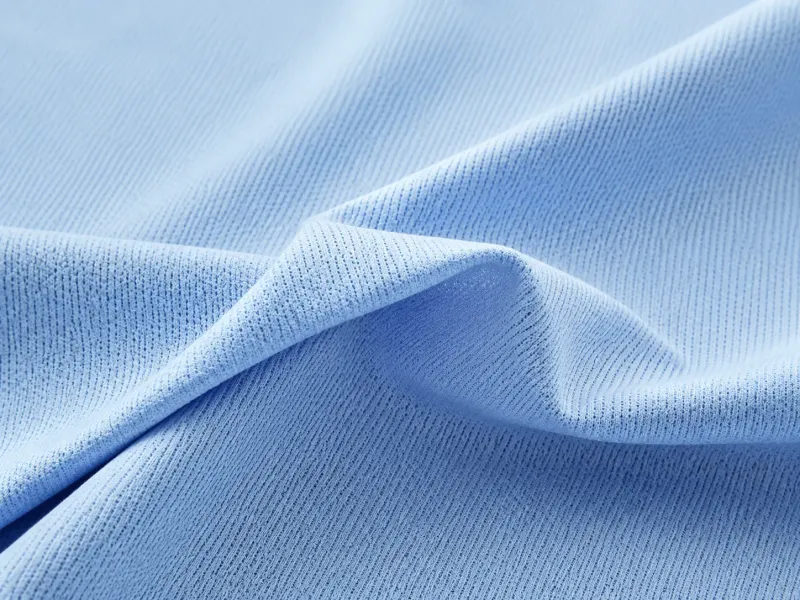
UPF 50+ Fabric
High-performance UPF 50+ fabric engineered to provide maximum ultraviolet protection for outdoor apparel and sun protection garments.
Related Categories
Related Applications
Related Industries
A Plain-Language Guide to Swim Costume Fabric
Get Free Swatches