
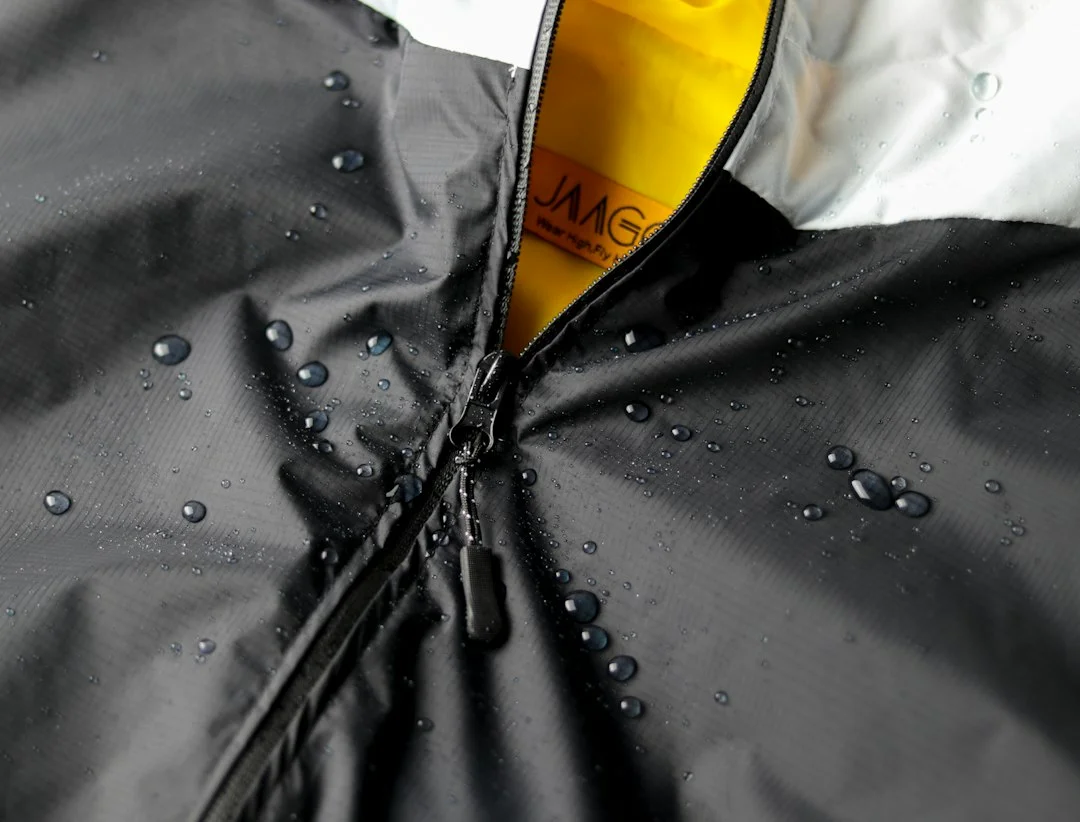
Choosing between ripstop waterproof fabric and 3 layer waterproof fabric determines the performance ceiling of your outerwear line. While both fabrics deliver weather protection, they differ fundamentally in construction, breathability, durability, and cost. Understanding these differences ensures you specify the right material for your application—whether that's lightweight rain shells, technical alpine jackets, or urban commuter gear. This comparison draws on real production data and field testing to clarify which fabric fits your design requirements.
Construction & Material Architecture
Ripstop Waterproof Fabric Construction
Ripstop waterproof fabric uses a reinforced grid weave (typically 5mm to 10mm intervals) integrated into the base fabric structure before coating application. Our standard ripstop base is 100% polyester or nylon ranging from 80gsm to 180gsm, then treated with PU (polyurethane) or TPU (thermoplastic polyurethane) coating on the face or reverse side. The ripstop grid—often thicker denier yarns woven at regular intervals—creates visible crosshatch reinforcement that arrests tear propagation.
Waterproof rating: 5,000mm to 15,000mm hydrostatic head
Breathability (MVTR): 3,000 to 8,000 g/m²/24h
Weight range: 80gsm to 180gsm
This single-layer-plus-coating architecture makes ripstop waterproof fabric relatively straightforward to produce and cost-effective at scale. The coating is applied via knife-over-roll or calendering, with PFC-free DWR (durable water repellent) as an optional top finish.
3 Layer Waterproof Fabric Construction
3 layer waterproof fabric is a bonded laminate composed of three distinct components permanently fused together:
1. Face fabric: High-density nylon or polyester tricot (woven or knit)
2. Membrane: Micro-porous PU or TPU film (15 to 30 microns thick)
3. Backer fabric: Protective tricot or knit lining
The membrane is sandwiched between the face and backer, then laminated under heat and pressure to create a unified composite. This construction achieves:
Waterproof rating: 20,000mm to 30,000mm hydrostatic head
Breathability (MVTR): 10,000 to 18,000 g/m²/24h
Weight range: 180gsm to 280gsm
The lamination process requires specialized equipment and precision control, making 3 layer fabrics more complex and expensive to manufacture. However, the result is a durable, high-performance material where the membrane is fully protected from abrasion and contamination by both the outer shell and inner backer.
Performance Comparison: Waterproofing & Breathability
Waterproof Performance
When specifying outerwear for wet conditions, waterproof rating (hydrostatic head in mm) is the baseline metric. Our production testing shows:
| Fabric Type | Waterproof Rating | Test Standard | Typical Use Case |
| Ripstop Waterproof Fabric | 5,000–15,000mm | ISO 811 | Light rain, drizzle, urban commuting |
| 3 Layer Waterproof Fabric | 20,000–30,000mm | ISO 811 | Heavy rain, alpine conditions, extended exposure |
Ripstop waterproof fabric at 10,000mm will handle moderate rain and brief downpours, suitable for packable rain shells and cycling jackets. The PU or TPU coating provides a continuous barrier, but prolonged submersion or high-pressure water (e.g., sitting on wet surfaces) may eventually allow moisture ingress.
3 layer waterproof fabric exceeds 20,000mm, making it appropriate for mountaineering, ski patrol, and professional outdoor use where failure is not an option. The bonded membrane construction ensures no separation or delamination under stress, and the backer protects the membrane from body oils and abrasion.
Breathability (MVTR)
Breathability—measured as moisture vapor transmission rate (MVTR) in grams per square meter per 24 hours—determines whether sweat vapor escapes or condenses inside the garment.
- Ripstop waterproof fabric: 3,000 to 8,000 g/m²/24h (ASTM E96)
- 3 layer waterproof fabric: 10,000 to 18,000 g/m²/24h (ASTM E96)
For moderate aerobic activity (hiking, dog walking), ripstop fabric's MVTR of 5,000 g/m²/24h is adequate. For high-output pursuits (trail running, backcountry skiing, climbing), the 3 layer fabric's MVTR above 10,000 g/m²/24h significantly reduces interior condensation and clamminess.
In our field tests with running jackets, testers reported that 3 layer laminate fabrics stayed noticeably drier during sustained effort compared to coated ripstop equivalents, which showed interior moisture buildup after 45 minutes of continuous use.
Durability, Abrasion Resistance & Lifespan
Tear Resistance
The defining feature of ripstop waterproof fabric is its reinforced grid weave, which arrests tear propagation once a puncture occurs. In Elmendorf tear testing (ASTM D1424), ripstop fabrics typically achieve 300–600 grams-force tear strength, compared to plain weave fabrics at 150–250 grams-force. This makes ripstop ideal for environments with snag hazards—brushy trails, climbing routes, or urban commuting with backpack straps.
3 layer waterproof fabric does not inherently feature ripstop reinforcement (though ripstop face fabrics can be laminated). Instead, durability comes from higher denier face yarns (40D to 70D) and the protective backer layer. While tear resistance may be lower than ripstop grid weaves, the laminate construction distributes stress across all three layers, reducing localized failure.
Abrasion Resistance
| Fabric Type | Martindale Cycles (ISO 12947) | Typical Failure Point |
| Ripstop Waterproof (PU coated) | 10,000–20,000 cycles | Coating wear on high-contact zones |
| 3 Layer Waterproof (laminated) | 25,000–50,000 cycles | Face fabric pilling, membrane intact |
Our abrasion testing reveals that 3 layer fabrics outlast coated ripstop by approximately 60–80% in high-wear areas (shoulders, elbows, seat). The protective backer shields the membrane from interior abrasion, while the laminated bond prevents coating delamination—a common failure mode in coated fabrics after 2–3 seasons of hard use.
For professional use (ski patrol, search and rescue, industrial outdoor work), the extended lifespan of 3 layer fabric justifies the higher upfront cost. For casual or seasonal use, ripstop waterproof fabric delivers adequate durability at a lower price point.
Washing & Care Durability
Both fabrics require DWR (durable water repellent) maintenance. DWR typically degrades after 15–30 wash cycles regardless of fabric type. However, 3 layer fabrics tolerate harsher detergents and higher wash temperatures without coating separation, since the membrane is bonded rather than topically applied. Ripstop coated fabrics can experience coating cracking or peeling if subjected to hot water (>40°C) or bleach.
Weight, Packability & Comfort
Weight Comparison
- Ripstop waterproof fabric: 80gsm to 180gsm
- 3 layer waterproof fabric: 180gsm to 280gsm
Ripstop fabrics are 30–50% lighter than 3 layer equivalents, making them the default choice for ultralight backpacking, packable rain shells, and weight-sensitive applications. A men's large rain jacket in 120gsm ripstop fabric typically weighs 180–220 grams, versus 280–350 grams for a 3 layer shell.
Packability
Lighter fabrics compress into smaller stuff sacks. Our 100gsm ripstop shell packs to roughly 300cm³, fitting into a jacket pocket or small hydration pack compartment. The same jacket in 240gsm 3 layer fabric packs to approximately 550cm³—still manageable, but noticeably bulkier.
For fast-and-light pursuits (trail running, alpine climbing, bikepacking), ripstop waterproof fabric's packability is a decisive advantage. For basecamp use or vehicle-based activities, the extra bulk of 3 layer fabric is negligible.
Hand Feel & Drape
3 layer fabrics tend to feel stiffer and more structured due to the laminated construction, which some users interpret as "more robust." Ripstop fabrics, especially those under 120gsm, have a softer drape and quieter rustle, preferred for garments worn close to the body or in noise-sensitive environments (wildlife observation, hunting).
Breathability also affects comfort. The higher MVTR of 3 layer fabrics reduces the clammy sensation during exertion, while lower-MVTR ripstop fabrics may require more frequent ventilation via pit zips or front zip adjustments.
Application Recommendations & Use Cases
When to Choose Ripstop Waterproof Fabric
Best for:
- Packable rain shells for hiking, cycling, and travel
- Ultralight backpacking gear where every gram matters
- Urban commuter jackets with moderate weather exposure
- Budget-conscious projects requiring weather protection without premium pricing
- Casual outdoor use (dog walking, festival wear, light trail use)
Typical MOQ: 500 meters per colorway
Lead time: 15–20 days from order confirmation
Ripstop waterproof fabric excels when weight, packability, and cost are primary drivers. It handles intermittent rain and light moisture exposure reliably, with the ripstop grid providing reassurance against snags and punctures. Brands targeting recreational users or value-segment markets find ripstop fabric delivers the performance-to-price ratio their customers expect.
When to Choose 3 Layer Waterproof Fabric
Best for:
- Alpine and mountaineering shells requiring maximum waterproofing
- Ski and snowboard outerwear with high breathability demands
- Professional outdoor workwear (forestry, construction, emergency services)
- Extended-expedition gear where failure is not acceptable
- High-abrasion environments (rock climbing, scrambling, bushwhacking)
Typical MOQ: 800 meters per colorway
Lead time: 25–30 days from order confirmation
3 layer waterproof fabric is the specification when performance, durability, and breathability cannot be compromised. The higher upfront cost is offset by extended garment lifespan and superior user experience during high-output activity. Brands serving technical users, professional markets, or premium segments rely on 3 layer construction to meet the expectations of discerning customers who test gear to its limits.
Hybrid Approaches
Some manufacturers use ripstop waterproof fabric for low-wear panels (back, sleeves) and 3 layer waterproof fabric for high-wear zones (shoulders, elbows, seat). This hybrid construction balances weight, cost, and durability, though it adds complexity to cutting and sewing operations.
Cost, MOQ & Production Considerations
Manufacturing Complexity
Ripstop waterproof fabric production involves:
1. Weaving or knitting the ripstop base fabric
2. Applying PU or TPU coating via knife-over-roll
3. Optional DWR treatment
4. Quality inspection and roll packing
3 layer waterproof fabric production requires:
1. Sourcing face fabric, membrane film, and backer fabric
2. Lamination under controlled heat and pressure
3. Bonding verification and adhesion testing
4. DWR treatment (usually PFC-free as of 2026)
5. Roll inspection for delamination or membrane defects
The lamination step adds significant cost and lead time. Specialized lamination equipment, precise temperature and pressure control, and additional QC steps make 3 layer fabrics roughly 40–60% more expensive per linear meter than equivalent ripstop coated fabrics.
Minimum Order Quantities
Our standard MOQs reflect production efficiency:
- Ripstop waterproof fabric: 500 meters per colorway
- 3 layer waterproof fabric: 800 meters per colorway
Custom colorways, special membrane formulations, or non-standard widths may increase MOQ to 1,500–2,000 meters. For product development sampling, we offer 100-meter trial runs at a premium rate to validate specifications before committing to full production.
Lead Time Expectations
As of 2026, typical lead times from order confirmation to FOB port:
- Ripstop waterproof fabric: 15–20 days (standard colors in stock may ship within 7 days)
- 3 layer waterproof fabric: 25–30 days (membrane sourcing and lamination add time)
Rush production is available for time-critical projects, though it may reduce available color and specification options.
Frequently Asked Questions
Can ripstop waterproof fabric handle sustained rain like 3 layer fabric?
Ripstop waterproof fabric at 10,000mm hydrostatic head will handle moderate rain and brief downpours effectively. For sustained heavy rain or high-pressure water exposure (e.g., sitting on wet surfaces for extended periods), 3 layer fabric's 20,000–30,000mm rating provides a greater safety margin. If your use case involves intermittent rain or urban commuting, ripstop performs reliably. For multi-day backcountry trips or alpine conditions, 3 layer construction is the safer specification.
Which fabric breathes better during high-output activity?
3 layer waterproof fabric delivers significantly higher breathability, with MVTR ratings from 10,000 to 18,000 g/m²/24h compared to ripstop's 3,000 to 8,000 g/m²/24h. During aerobic activities like trail running, climbing, or ski touring, the higher MVTR reduces interior condensation and clamminess. In our field testing, users reported noticeable comfort improvements with 3 layer fabrics during sustained exertion. For lower-intensity activities (casual hiking, dog walking), ripstop fabric's breathability is adequate.
Is the tear resistance of ripstop fabric worth the trade-off in breathability?
That depends on your primary hazard. If you operate in snag-prone environments (brushy trails, climbing routes, or urban settings with sharp edges), the ripstop grid's tear-arrest capability is a practical advantage that prevents small punctures from propagating into large rips. However, if your priority is moisture management during high-output use, the breathability deficit becomes the limiting factor. Some manufacturers laminate ripstop face fabrics to create 3 layer ripstop hybrids, combining tear resistance with membrane breathability—though this increases cost and complexity.
How much longer does 3 layer fabric last compared to ripstop in real-world use?
In abrasion testing (ISO 12947 Martindale), 3 layer fabrics achieve 25,000–50,000 cycles versus ripstop coated fabrics at 10,000–20,000 cycles—a roughly 60–80% durability advantage. In field use, this translates to 3 layer jackets maintaining waterproof integrity for 4–6 seasons of hard use (100+ days per year) versus 2–3 seasons for ripstop equivalents. The protective backer in 3 layer construction shields the membrane from body oils and interior abrasion, preventing the coating delamination that commonly ends the service life of coated fabrics.
Can I use ripstop waterproof fabric for ski or snowboard outerwear?
Ripstop waterproof fabric can work for resort skiing and casual snowboarding where you spend time on groomed runs and take frequent lodge breaks. However, for backcountry touring, all-day riding, or high-output skiing, the limited breathability (3,000–8,000 MVTR) will cause sweat accumulation and discomfort. Additionally, the lower waterproof rating (5,000–15,000mm) may not handle wet spring snow or rain-on-snow conditions as reliably as 3 layer fabric rated at 20,000mm+. Most technical ski and snowboard brands specify 3 layer construction for this reason.
Related Resources
Related Products (3)
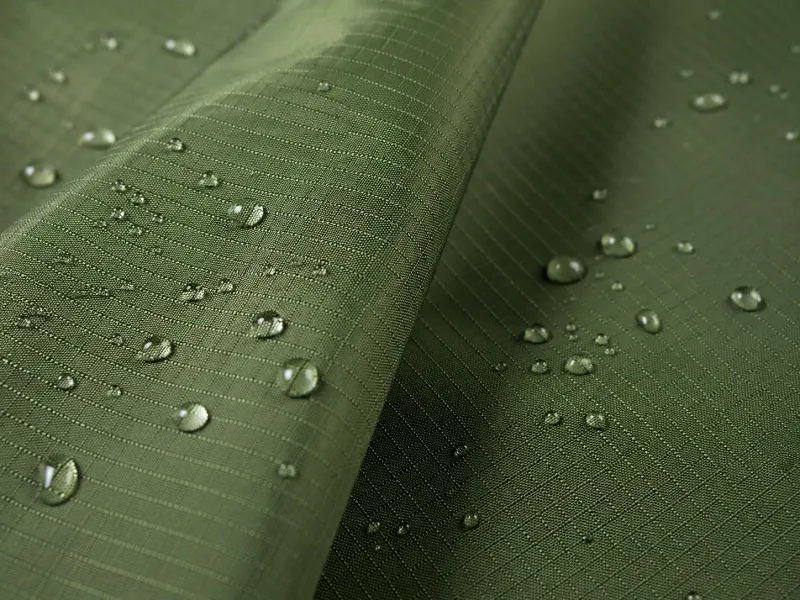
Ripstop Waterproof Fabric
Lightweight ripstop waterproof fabric with enhanced tear resistance for outdoor applications.
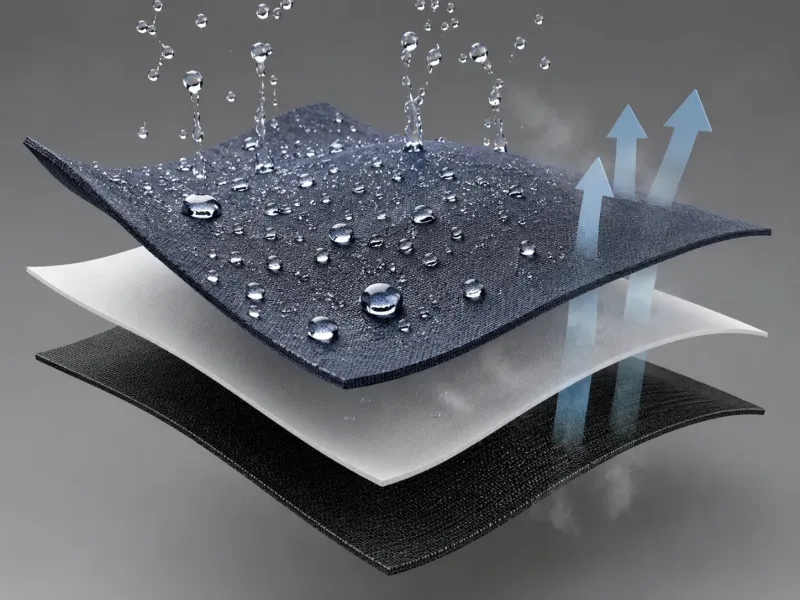
3 Layer Waterproof Fabric
Premium 3-layer waterproof fabric for professional outdoor and technical apparel.
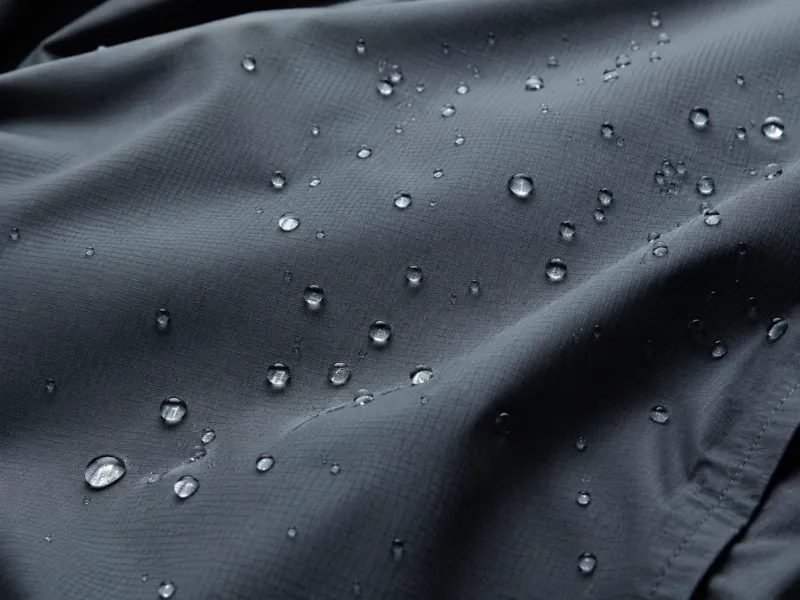
Outdoor Shell Fabric
Weather-resistant shell fabric developed for outdoor jackets and protective outerwear.
Related Categories
Related Applications
Related Industries
Expert comparison of construction, breathability, and durability to guide your next outerwear project
Request Fabric Samples & Specifications