
What is recycled polyester fabric made from? In most RPET textile programs, the feedstock is post-consumer PET bottles that are collected, sorted, cleaned, processed into recycled PET, and converted into yarn. For sourcing teams, the question is not only about the original waste stream; it is also about recycled-content percentage, construction, weight, performance finish, and traceability. At FuncFabric, we help B2B buyers evaluate recycled polyester options for bulk, wholesale, and export-oriented fabric programs serving North America, Europe, and other global markets.
The Raw Material Behind Recycled Polyester
From PET Bottles to RPET
Recycled polyester fabric is commonly made from post-consumer PET bottles. PET, short for polyethylene terephthalate, is a polyester-based plastic used in beverage packaging. After collection, suitable PET is separated from other materials and prepared as recycled PET (RPET) feedstock for fibre and yarn production.
- Input material: post-consumer PET bottles
- Output material: recycled PET polymer, recycled polyester fibre, and yarn
- Typical fabric content: 20% to 100% recycled content, depending on the fabric program
- Common constructions: jersey, interlock, mesh, woven twill, ripstop, and technical blends
| Material route | Starting feedstock | Typical sourcing consideration |
| Virgin polyester | Newly produced polyester polymer | Does not use post-consumer PET bottle feedstock |
| Recycled polyester (RPET) | Post-consumer PET bottles | Requires clear recycled-content and chain-of-custody review |
Unlike generic polyester descriptions, an RPET specification should identify both the recycled-content level and the documentation available for the finished fabric. As of 2026, this distinction remains important for product teams building substantiated sustainability claims.
How Bottles Become Recycled Polyester Fabric
The RPET Conversion Path
The production sequence moves from recovered PET material to textile yarn, then into a knit or woven fabric. The exact equipment and processing controls vary by mill, but buyers can use the following 5-stage framework when reviewing a recycled polyester program.
1. Collection and sorting — PET bottles are separated from unsuitable plastics, labels, and contaminants.
2. Cleaning and size reduction — sorted material is washed and processed into smaller PET pieces or flakes.
3. Reprocessing — the recovered PET is converted into material suitable for polyester fibre production.
4. Spinning — recycled polyester is formed into filament or staple yarn.
5. Fabric formation and finishing — yarn is knitted or woven, then dyed and finished for the intended end use.
| Stage | Buyer checkpoint | Why it matters |
| Feedstock | Confirm post-consumer PET origin | Connects the fabric to the stated recycled source |
| Yarn | Confirm RPET composition | Supports accurate bill-of-materials records |
| Fabric roll | Confirm GSM, width, and construction | Ensures suitability for sampling and bulk cutting |
For example, Recycled Polyester Fabric is specified as 100% Recycled Polyester (RPET) from Post-Consumer PET Bottles, with 120gsm to 280gsm options and 150cm to 180cm width. That is more actionable for a sourcing brief than a broad claim that a fabric is simply “eco” or “green.”
What Changes After RPET Becomes Fabric
Construction Determines End Use
The source material explains where recycled polyester begins, but fabric construction determines how it performs in a finished product. RPET can be made into lightweight mesh, stretch knit, structured woven fabric, and other technical formats. We assess this at the specification stage rather than treating all recycled polyester as interchangeable.
- Single jersey and interlock: commonly selected for apparel and linings
- Open mesh: useful where airflow and low weight are priorities
- Woven twill or ripstop: suited to more structured or abrasion-focused applications
- Technical woven and blend options: selected when a project needs targeted stretch, handle, or durability
| Product option | Composition | Weight range | Width range |
| Recycled Performance Fabric | 100% RPET or recycled nylon blends | **140gsm–280gsm** | **150cm–180cm** |
| RPET Sports Fabric | 100% RPET from post-consumer PET bottles | **130gsm–240gsm** | **150cm–180cm** |
| GRS Certified Recycled Fabric | 100% RPET or recycled nylon blends | **120gsm–300gsm** | **150cm–250cm** |
Compared with a standard non-performance polyester selection, a recycled performance program can combine RPET content with specified moisture-wicking, quick-dry, stretch-compatible, or abrasion-resistance requirements. These functions should be confirmed against the chosen construction and finished fabric, not assumed from recycled content alone.
How to Source Recycled Polyester for Bulk Programs
A Practical Buyer Checklist
For wholesale and export fabric purchasing, request a concise technical pack before approving a sample or bulk order. A material statement alone is not enough to define a usable fabric roll.
- Specify the target recycled content, from 20% to 100% where applicable.
- Select a construction: knit, mesh, woven, non-woven, or technical blend.
- Set the required weight; available recycled options span 120gsm to 320gsm across the listed product range.
- Confirm usable width, which can range from 150cm to 250cm depending on the construction.
- Identify required performance features, such as 4-way stretch, moisture management, high abrasion resistance, or PFC-free DWR.
- Request chain-of-custody documentation when your program requires verified recycled-content records.
Matching Fabric to Application
| Application | Relevant RPET direction | Specification focus |
| Sportswear & Activewear | RPET knit or mesh | **130gsm–260gsm**, wicking, quick-dry, stretch compatibility |
| Outdoor Apparel | Recycled outdoor woven | **150gsm–320gsm**, abrasion resistance, PFC-free DWR option |
| Sustainable Fashion | Jersey, interlock, woven, or mesh | Recycled-content target, hand feel, color, and width |
Eco Friendly Outdoor Fabric offers 150gsm to 320gsm options with a PFC-free durable water-repellent finish and UPF 50+ protection. For apparel programs, Sustainable Activewear Fabric provides 85% to 100% GRS-certified and traceable recycled content options. FuncFabric can support specification-led bulk and export enquiries, helping teams compare available constructions before committing to production.
Frequently Asked Questions
What is recycled polyester fabric made from?
Answer
Recycled polyester fabric is commonly made from post-consumer PET bottles. The recovered PET is processed into recycled polyester (RPET) fibre or yarn, then knitted or woven into fabric. Available recycled-content levels can range from 20% to 100%, depending on the product specification and supporting documentation.
Is RPET the same as recycled polyester?
Answer
Yes. RPET refers to recycled polyethylene terephthalate, the recycled material used to make recycled polyester yarn and fabric. In textile sourcing, confirm the exact composition on the technical specification; some products are 100% RPET, while others use recycled nylon blends or a stated recycled-content percentage.
Can recycled polyester fabric be used for activewear?
Answer
Yes. Recycled polyester can be engineered for activewear through jersey, interlock, rib, and mesh constructions. RPET Sports Fabric is available at 130gsm to 240gsm and is specified for moisture wicking, quick-dry performance, and 4-way-stretch compatibility. The final choice should match the garment’s stretch, weight, and breathability requirements.
How can buyers verify recycled polyester content?
Answer
Buyers should request material composition details and, where required, chain-of-custody documentation. GRS Certified Recycled Fabric offers 20% to 100% independently audited and verified recycled content with full chain-of-custody documentation from post-consumer waste to fabric roll. Verify documentation against the specific product and order.
Related Resources
Related Products (3)
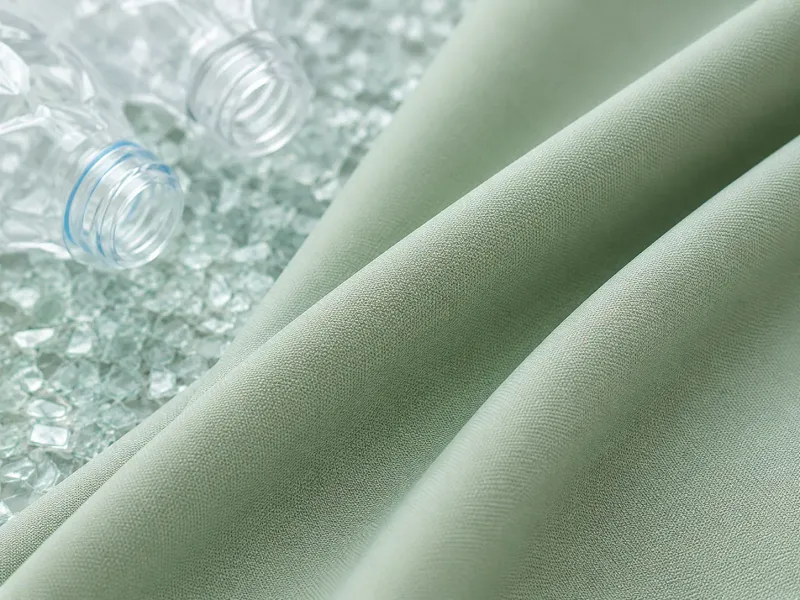
Recycled Polyester Fabric
High-performance recycled polyester fabric manufactured from post-consumer PET bottles for sustainable apparel and technical textile applications.
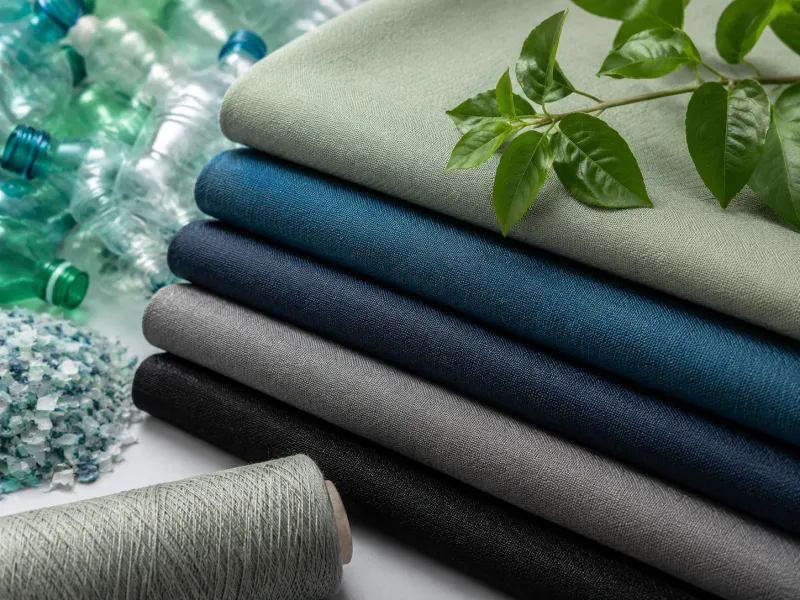
GRS Certified Recycled Fabric
Global Recycled Standard certified fabric providing traceable sustainability for international brands.
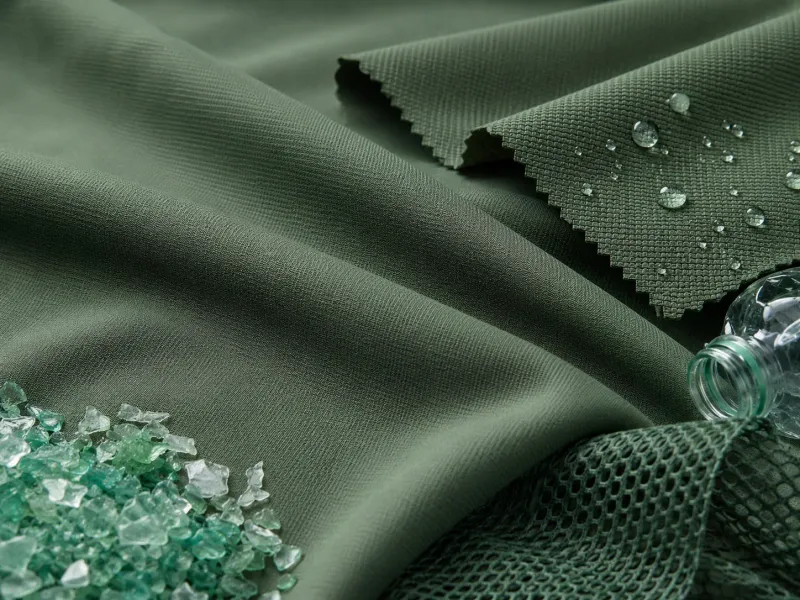
Recycled Performance Fabric
Advanced recycled performance fabric combining sustainability with technical textile functionality.
Related Categories
Related Applications
Related Industries
A practical guide to RPET feedstock, yarn production, and fabric selection
Request Your RPET Fabric Specification Review