
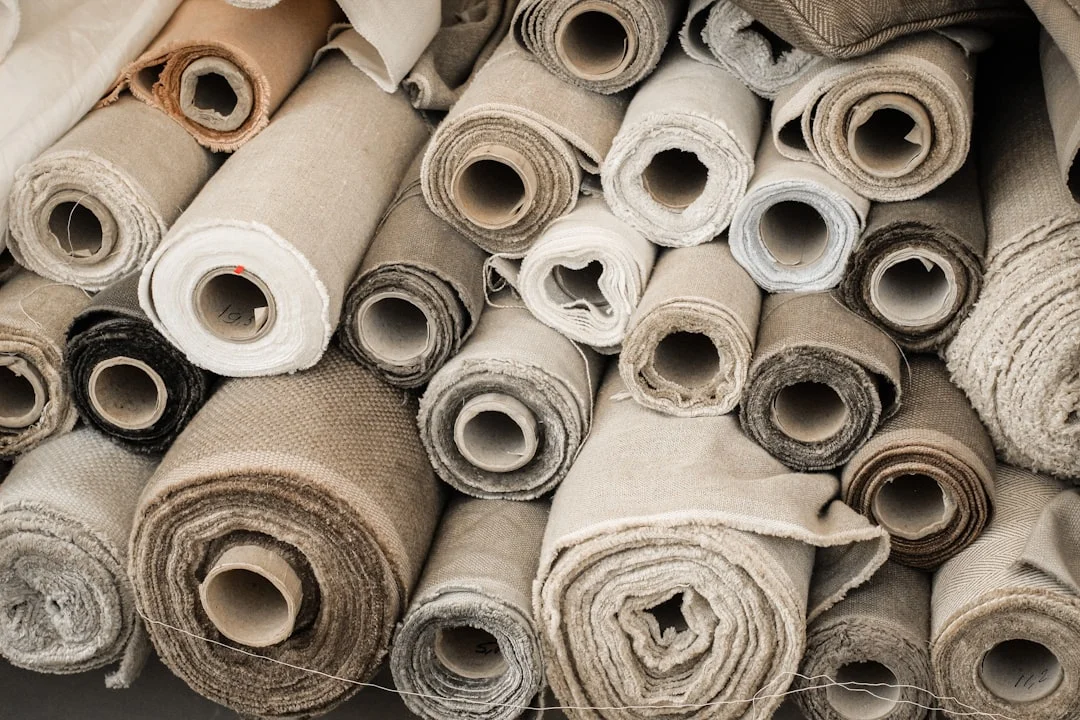
Knowing how to source recycled polyester fabric with GRS certification means evaluating more than a recycled-content statement. B2B buyers need a fabric construction that suits the end product, documented traceability from post-consumer waste to the fabric roll, and a sourcing process that can support repeat wholesale and export requirements. At FuncFabric, we recommend beginning with a clear technical brief, then reviewing the certification scope and chain-of-custody documentation alongside physical fabric samples. This approach helps apparel, outdoor, and sportswear teams compare like-for-like options before committing to bulk production.
Start With a Complete Recycled Fabric Sourcing Brief
Define the fabric before requesting certification
A sourcing request is easier to assess when it separates the material requirement, intended application, and required documentation. “Recycled polyester” alone does not identify the weight, knit or woven structure, finish, width, or performance expected in production. As of 2026, a practical procurement brief should make these points measurable before supplier comparison.
- Specify recycled-content target: 20% to 100% is available within GRS Certified Recycled Fabric.
- Select a construction: woven, jersey, interlock, mesh, non-woven, or a technical blend.
- Set a usable weight range. GRS-certified options can be customized from 120 GSM to 300 GSM.
- Confirm roll or folded packing and required usable width; available widths span 150 cm to 250 cm depending on construction.
- State the end use, such as Sustainable Fashion, outdoor apparel, uniforms, or sportswear.
| Sourcing input | What to define | Why it matters |
| Composition | **100% RPET** or recycled nylon blend | Determines recycled-content and performance target |
| Construction | Knit, mesh, woven, or ripstop | Affects drape, strength, air flow, and sewing behavior |
| Weight | **120–300 GSM** | Aligns hand feel and durability with the product |
| Width | **150–250 cm** | Supports marker planning and yield calculations |
Compared with selecting fabric only by color and hand feel, a specification-led brief exposes construction differences early. For example, lightweight mesh for a ventilated sports panel should not be evaluated against a dense woven outer shell as though both materials serve the same purpose. For export-quality bulk sourcing, include required color references, testing priorities, packaging instructions, and document expectations in the first inquiry.
Verify GRS Scope and Chain-of-Custody Documentation
Check documents against the exact fabric being purchased
The key documentation question is not simply whether a supplier presents a GRS-related statement. Buyers should confirm that the offered fabric and the relevant production transaction are covered by traceability records. The documented offering for FuncFabric’s GRS Certified Recycled Fabric includes full Chain of Custody (COC) documentation from post-consumer waste to fabric roll and independently audited, verified recycled content from 20% to 100%.
- Request the supplier’s current certification information and confirm its scope matches the material process involved.
- Ask for transaction and chain-of-custody documentation relevant to the fabric order, not a generic file for another material.
- Match document details to the commercial specification: composition, recycled-content percentage, fabric type, color or lot reference where applicable, and quantity.
- Keep certification files, purchase records, and incoming-roll references together for internal sustainability and compliance review.
| Review point | Evidence to compare | Buyer action |
| Recycled content | Declared **20–100%** content | Ensure it matches the product claim |
| Traceability | COC from waste source to roll | File it with the order record |
| Fabric identity | GSM, construction, width | Match it to the approved sample |
| Order records | Quantity and transaction details | Reconcile before goods acceptance |
Unlike a general recycled-material declaration, chain-of-custody documentation connects the specified fabric to the documented supply path. This distinction is especially important when a brand needs defensible sourcing records across North America and Europe. Our recommendation is to review documents before final bulk approval and to retain them by roll or batch reference where your internal process permits.
Choose Construction and Performance for the End Use
Match RPET construction to product performance
Recycled polyester fabric can be engineered for a wide range of apparel and equipment applications. The right choice depends on whether the product needs stretch, moisture transport, abrasion resistance, weather protection, or a more structured woven surface. For development, compare fabrics using measurable specifications rather than assuming all RPET constructions perform alike.
- Recycled Performance Fabric is available in 140–280 GSM single jersey, interlock, mesh, or technical woven structures, with 4-way stretch, moisture-wicking, and high-abrasion-resistance options.
- Recycled Polyester Fabric covers 120–280 GSM jersey, interlock, mesh, and woven constructions including twilled and ripstop options.
- Sustainable Activewear Fabric offers 85–100% GRS-certified, traceable recycled content in 140–260 GSM knit constructions.
- For exterior applications, Eco Friendly Outdoor Fabric is offered at 150–320 GSM with a PFC-free DWR finish, UPF 50+ protection, and ISO 12947-verified abrasion resistance.
| End-use direction | Suitable construction | Useful specification range |
| Activewear | Jersey or interlock knit | **140–260 GSM**, 4-way stretch |
| Sports panels | Open mesh or lightweight knit | **90–240 GSM**, moisture management |
| Outdoor layers | Technical woven | **150–320 GSM**, DWR option |
| Structured apparel | Twill or ripstop woven | **120–280 GSM**, higher tensile focus |
A mesh optimized for ventilation is different from a ripstop chosen for structure and abrasion exposure. For Sportswear & Activewear, request finished samples and assess sewing, stretch recovery, opacity, and color appearance under the conditions relevant to the garment. For outdoor programs, evaluate the fabric’s finish and construction against the intended weather exposure rather than relying on recycled content as a performance indicator.
Use a Controlled Sample-to-Bulk Approval Process
Build repeatability into wholesale and export orders
Once a fabric option is shortlisted, move from a sample assessment to a documented bulk specification. This is where sourcing teams reduce ambiguity across color, weight, width, finish, and paperwork. We see the strongest procurement outcomes when the approved sample, purchase specification, and incoming inspection criteria reference the same measurable values.
- Approve the target composition, such as 100% recycled polyester (RPET), before bulk release.
- Record the accepted GSM tolerance requirement internally against the selected 120–300 GSM product range.
- Confirm construction and width: GRS-certified recycled fabric can be supplied at 150–250 cm in rolled or folded formats.
- Define whether moisture wicking, 4-way stretch, abrasion resistance, or PFC-free DWR is required for the finished application.
- Reconcile received rolls with packing, batch references, and the chain-of-custody documentation provided for the order.
| Stage | Approval output | Control point |
| Development | Fabric sample and specification | Validate hand feel, construction, and color |
| Documentation review | GRS/COC records | Confirm material and order alignment |
| Bulk release | Final technical brief | Lock GSM, width, finish, and packing |
| Incoming check | Roll and document reconciliation | Compare against approved requirements |
For globally serving wholesale programs, this sequence is more reliable than approving a swatch and treating the rest as assumed equivalence. It also creates a clear record for teams sourcing for the Sustainable Fashion Industry, where recycled-content and traceability communications often require support from purchasing documentation. FuncFabric can help buyers organize the material variables needed for recycled-fabric sampling and bulk inquiries without substituting generic claims for product-specific records.
Frequently Asked Questions
What documents should I request when sourcing GRS-certified recycled polyester fabric?
Request certification information applicable to the supplier’s material scope, plus transaction and chain-of-custody documentation associated with the fabric order. Compare the records with the specified composition, recycled-content percentage, construction, GSM, width, quantity, and fabric or batch reference. For GRS Certified Recycled Fabric, the stated traceability is full COC documentation from post-consumer waste to fabric roll.
What recycled-content levels are available in GRS-certified fabric?
GRS Certified Recycled Fabric is available with independently audited and verified recycled content from 20% to 100%. The appropriate level depends on your product specification and the claim your organization intends to make. Confirm the selected percentage is reflected consistently in the fabric specification and relevant documentation.
Which GSM range should I select for recycled polyester fabric?
Choose GSM according to end use and construction. GRS Certified Recycled Fabric spans 120–300 GSM, while Recycled Performance Fabric spans 140–280 GSM. Lighter constructions can suit breathable layers or mesh panels, whereas heavier technical woven constructions can suit more structured apparel and outdoor applications. Sample evaluation remains important because construction changes hand feel at the same GSM.
Can recycled polyester fabric be sourced for activewear and outdoor apparel?
Yes. Sustainable Activewear Fabric offers 85–100% GRS-certified, traceable recycled content in 140–260 GSM knit constructions with 4-way stretch, moisture wicking, and quick-dry performance. Eco Friendly Outdoor Fabric is available in 150–320 GSM with PFC-free DWR, UPF 50+ protection, and high abrasion resistance verified to ISO 12947.
Related Resources
Related Products (3)
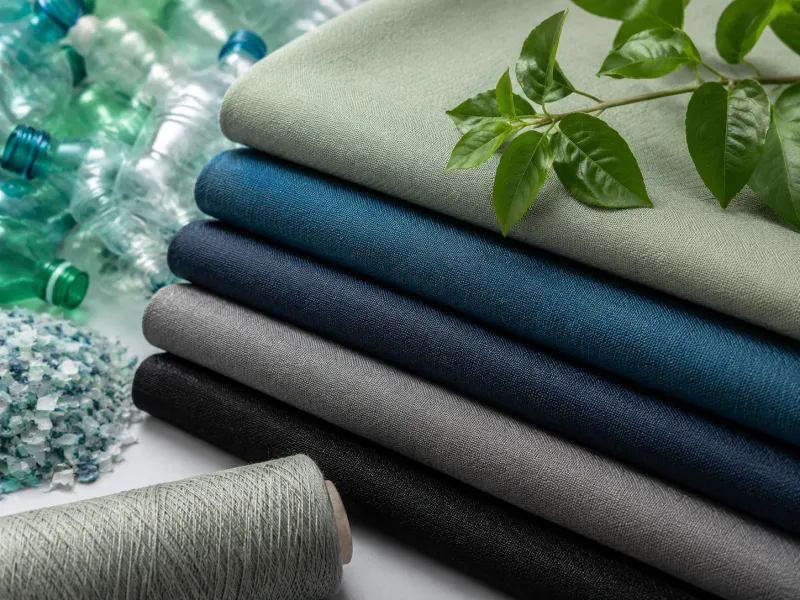
GRS Certified Recycled Fabric
Global Recycled Standard certified fabric providing traceable sustainability for international brands.
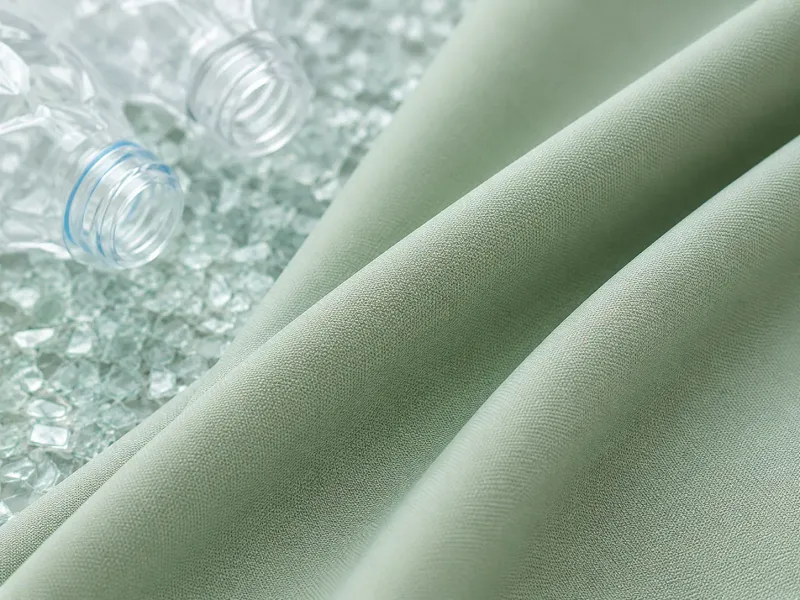
Recycled Polyester Fabric
High-performance recycled polyester fabric manufactured from post-consumer PET bottles for sustainable apparel and technical textile applications.
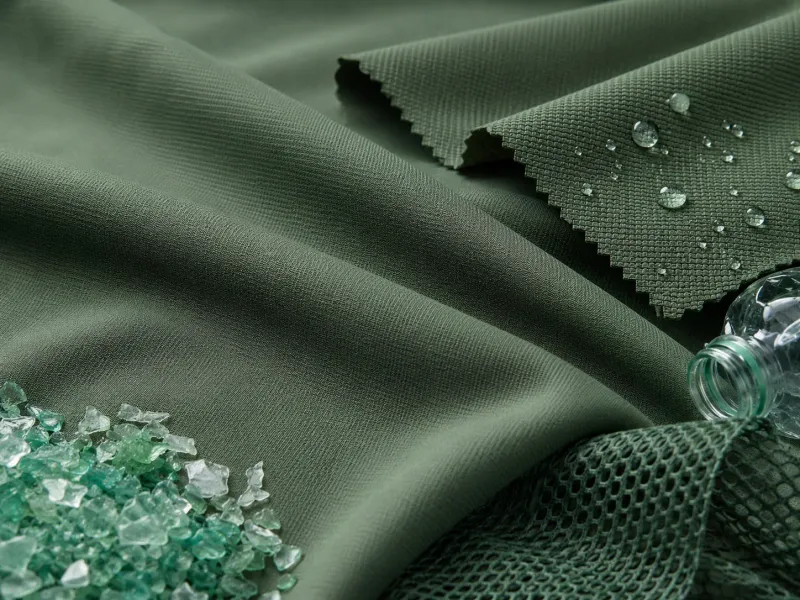
Recycled Performance Fabric
Advanced recycled performance fabric combining sustainability with technical textile functionality.
Related Categories
Related Applications
Related Industries
A practical B2B framework for traceable, specification-led fabric sourcing
Request GRS Recycled Fabric Specifications