
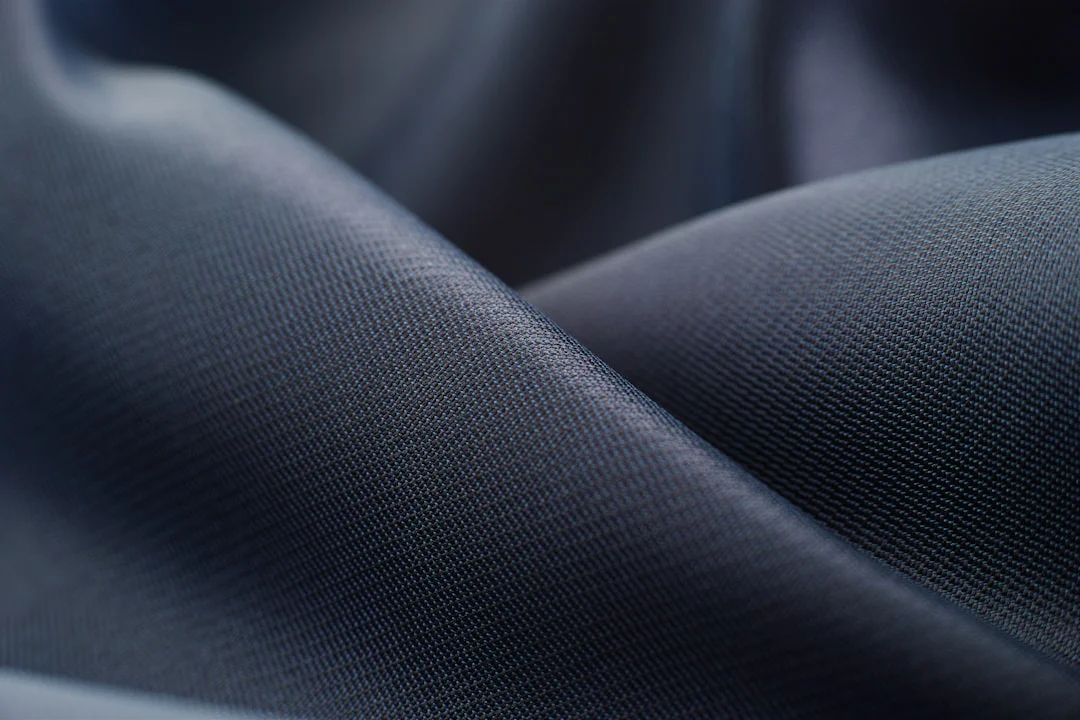
Selecting between PU coated and TPU laminated polyester is one of the most consequential decisions in rainwear development, directly affecting waterproofness, breathability, weight, and manufacturing cost. As of 2026, both remain industry-standard approaches, but they perform very differently under real-world stress. We work with rainwear brands across North America and Europe sourcing both fabric types, and we run hydrostatic head and MVTR checks on every incoming batch. This guide breaks down the technical differences, quantifies performance gaps, and gives you a clear framework for matching fabric structure to end-use requirements, whether you're building budget ponchos or technical outdoor shells.
The Core Problem: Why This Choice Matters
Where Rainwear Fabric Selection Goes Wrong
Many rainwear developers default to whichever fabric is cheapest per meter, then face field returns from delamination, poor breathability, or waterproof failure after repeated flexing. In our production experience, coating and laminate choice accounts for the majority of post-launch fabric complaints in rain shell programs.
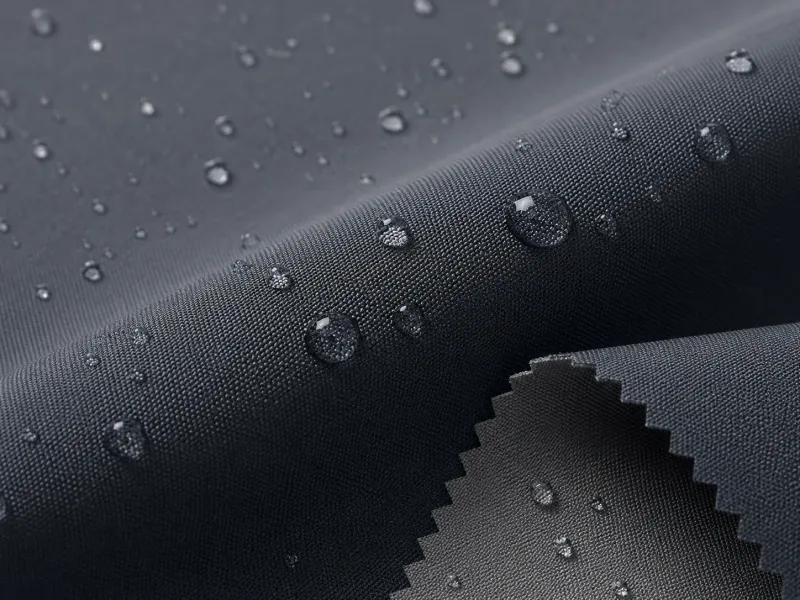
- PU coated polyester relies on a surface-applied polyurethane layer, typically 5,000mm to 10,000mm hydrostatic head as seen in Waterproof Polyester Fabric
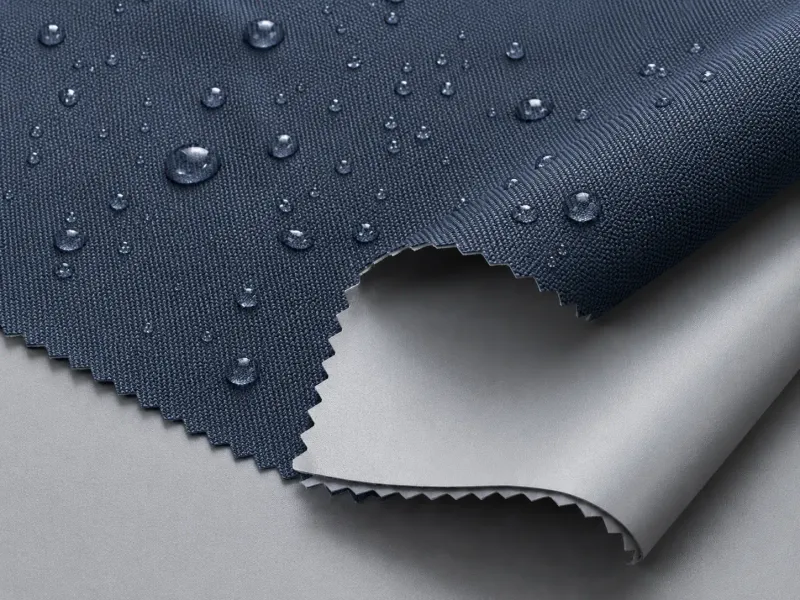
- TPU laminated polyester bonds a thermoplastic polyurethane film to the base fabric, reaching 20,000mm to 30,000mm hydrostatic head, as with TPU Laminated Fabric
- Coating adhesion strength for TPU laminates runs above 20 N/5mm, a spec rarely published for standard PU coatings
Unlike a simple pricing decision, this choice determines whether your rainwear survives a single season of active use or several years of repeated exposure.
PU Coating: Process, Performance, and Limits
How PU Coating Works
PU (polyurethane) coating is applied as a liquid resin directly onto the polyester base and cured, forming a continuous but relatively thin waterproof layer. It's the more economical route to waterproofing and remains the current industry standard for mid-range and budget rainwear as of 2026.
- Typical Waterproof Polyester Fabric specs: 120gsm - 250gsm, hydrostatic head 5,000mm - 10,000mm, breathability 3,000 - 8,000 g/m²/24h MVTR
- Coating can be PU or PVC depending on the target cost tier and flexibility requirement
- DWR (durable water repellent) finish is applied separately on top, with PFC-free options available for regulatory compliance
| Attribute | PU Coated Polyester |
| Hydrostatic Head | 5,000mm - 10,000mm |
| MVTR (Breathability) | 3,000 - 8,000 g/m²/24h |
| Weight | 120gsm - 250gsm |
| Flex Durability | Moderate - can crack with repeated folding |
| Relative Cost Tier | Lower cost per meter |
PU coatings are best suited to disposable or seasonal rainwear where cracking after 6-12 months of heavy folding is an acceptable tradeoff for lower unit cost. We see this fabric ordered heavily for promotional ponchos and entry-level rain jackets.
TPU Lamination: Structure and Advantages
How TPU Lamination Differs
TPU laminated fabrics bond a discrete thermoplastic polyurethane film to a polyester or nylon tricot backer using heat and pressure, rather than coating a liquid resin. This produces a more uniform, higher-integrity waterproof barrier.
- TPU Laminated Fabric membrane thickness: 10 microns - 60 microns
- Hydrostatic head: 20,000mm - 30,000mm, roughly 2-3x higher than standard PU coating
- Breathability (MVTR): 8,000 - 18,000 g/m²/24h, compared to 3,000-8,000 g/m²/24h for PU coated fabric
- Adhesion strength: > 20 N/5mm, which supports better delamination resistance during repeated flex cycles
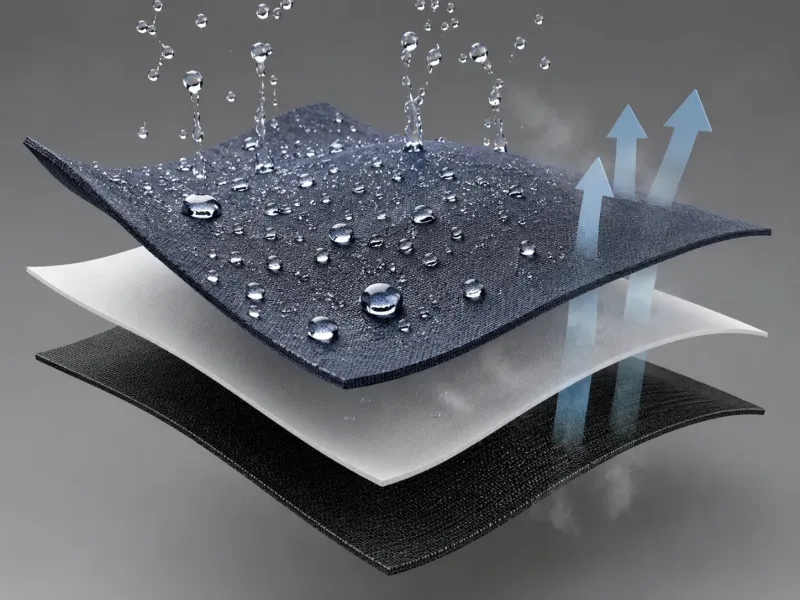
- Related structure: 3 Layer Waterproof Fabric uses a micro-porous PU or TPU film at 15-30 microns, reaching 20,000mm - 30,000mm waterproofing with 10,000 - 18,000 g/m²/24h breathability in a 3-layer laminate construction
Compared to PU coating, TPU lamination costs more per meter but performs significantly better in flex-fatigue and long-term breathability testing, which is why technical outdoor shells and multi-season rainwear specify laminates over coatings.
Side-by-Side Comparison and Selection Framework
Direct Comparison Table
| Spec | PU Coated Polyester | TPU Laminated Polyester |
| Hydrostatic Head | 5,000mm - 10,000mm | 20,000mm - 30,000mm |
| MVTR Breathability | 3,000 - 8,000 g/m²/24h | 8,000 - 18,000 g/m²/24h |
| Weight | 120gsm - 250gsm | 150gsm - 300gsm |
| Adhesion Strength | Not typically specified | > 20 N/5mm |
| Flex Durability | Moderate | High |
| Best Fit | Budget/seasonal rainwear | Technical/multi-season shells |
When to Choose Each
- Choose Waterproof Polyester Fabric (PU coated) for promotional rainwear, single-season ponchos, or price-sensitive bulk orders
- Choose TPU Laminated Fabric for outdoor jackets, commuter rain shells, and any product line marketed on durability
- For heavier-duty marine or industrial rain gear, Marine UV Resistant Fabric combines heavy-duty PU or TPU coating with 280gsm - 500gsm weight and 5000mm - 10000mm hydrostatic head plus UPF 50+ sun protection
- For a middle-ground option balancing cost and performance, Ripstop Waterproof Fabric offers 5,000mm - 15,000mm waterproof rating with PU or TPU coating on a ripstop weave base, at 80gsm - 180gsm
We typically recommend TPU lamination when the end product will see more than 30 wear-and-fold cycles per season; below that threshold, PU coating's lower cost per meter usually wins on total program economics.
Sourcing and Production Considerations
What to Confirm Before Ordering
As a fabric supplier serving rainwear manufacturers globally, we run hydrostatic head and MVTR verification on incoming rolls before releasing bulk orders. Before committing to either coating type, confirm the following with your supplier:
- Confirmed hydrostatic head rating (request test report, not just the spec sheet range)
- MVTR breathability figure appropriate for your climate zone
- DWR finish type — PFC-free options are increasingly required for EU market compliance
- Fabric width — most rainwear-grade waterproof polyester and TPU laminates run 150cm - 180cm, which affects pattern layout efficiency
- Base weight target: lighter 120gsm-180gsm ranges suit packable rainwear, while 250gsm-300gsm ranges suit structured outdoor shells
Both PU coated and TPU laminated polyester are export-quality, bulk-manufacturable fabrics suitable for wholesale rainwear programs. The right choice depends on matching hydrostatic head and MVTR targets to your product's actual use case rather than defaulting to the lowest-cost option.
Frequently Asked Questions
What is the main performance difference between PU coated and TPU laminated polyester?
PU coated polyester typically reaches 5,000mm-10,000mm hydrostatic head with 3,000-8,000 g/m²/24h breathability, while TPU laminated polyester reaches 20,000mm-30,000mm hydrostatic head with 8,000-18,000 g/m²/24h breathability. TPU lamination also offers higher adhesion strength (>20 N/5mm), giving it better resistance to delamination under repeated flexing.
Is TPU laminated fabric always better than PU coated fabric?
Not necessarily for every application. TPU lamination outperforms PU coating in waterproofing, breathability, and flex durability, making it the better choice for technical outdoor shells and multi-season rainwear. However, PU coated polyester remains a practical, lower-cost option for single-season or promotional rainwear where extreme durability isn't required.
Which fabric weight range is typical for rainwear applications?
PU coated Waterproof Polyester Fabric typically ranges from 120gsm to 250gsm, while TPU Laminated Fabric ranges from 150gsm to 300gsm. Lighter weights within these ranges suit packable, budget-friendly rainwear, while heavier weights suit structured, long-wear outdoor shells.
Does the coating type affect breathability in rainwear?
Yes. TPU laminated constructions generally achieve higher MVTR (moisture vapor transmission rate), reaching up to 18,000 g/m²/24h compared to up to 8,000 g/m²/24h for standard PU coated polyester. Higher MVTR reduces internal condensation during active wear, which is a key differentiator for technical rainwear versus basic rain protection.
Can PFC-free DWR finishes be applied to both PU coated and TPU laminated fabrics?
Yes. PFC-free durable water repellent (DWR) finishing is available for both PU coated and TPU laminated polyester constructions, such as those found in Waterproof Breathable Fabric. This supports compliance with current EU and North American environmental regulations on fluorocarbon-based finishes as of 2026.
Related Resources
Related Products (4)
TPU Laminated Fabric
TPU laminated fabric providing superior waterproof performance and flexibility.
Waterproof Polyester Fabric
Durable waterproof polyester fabric designed for outdoor apparel, bags and weather-resistant textile applications.
3 Layer Waterproof Fabric
Premium 3-layer waterproof fabric for professional outdoor and technical apparel.
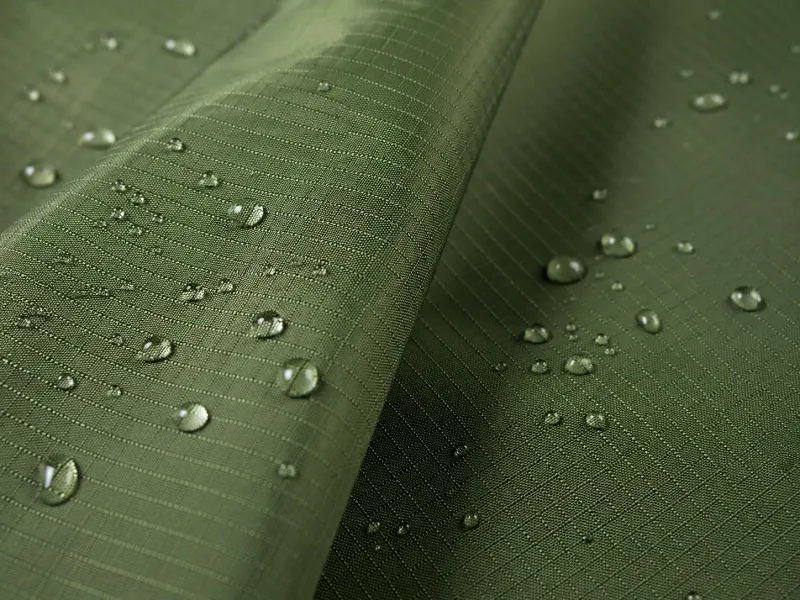
Ripstop Waterproof Fabric
Lightweight ripstop waterproof fabric with enhanced tear resistance for outdoor applications.
Related Applications
Compare waterproof ratings, breathability, and durability to select the right fabric
Request Fabric Samples and a Technical Quote