
You've probably felt the faint grid woven into a tent floor or a packable jacket and wondered what it's for. That grid is ripstop — reinforcement threads that stop a small tear from running into a big one.
This page covers nylon ripstop fabric — how the weave works, why nylon is the go-to fibre for it, and how to read the denier and coating for outdoor gear.
How Ripstop Works
Ripstop weaves thicker reinforcement yarns into a base cloth at regular intervals, forming a visible grid. If the fabric is punctured, the tear stops at the next reinforcement thread instead of propagating. You get high tear strength at low weight — the reason it dominates tents, parachutes, packable jackets and kites.
Why Nylon
Nylon has a better strength-to-weight ratio than polyester and takes abrasion well, so nylon ripstop hits tear-resistance targets at a lighter weight. The trade-off: nylon absorbs a little more water and fades faster in UV than polyester, which is why outdoor nylon ripstop is almost always coated.
Denier and Coating for Ripstop
Our tear-resistant, coated ripstop is stocked as Ripstop Waterproof Fabric. For the waterproofing numbers, see waterproof fabric for outdoor; for coating options, PU coated fabric; and for the broader woven family, the Oxford fabric guide.
Related Resources
Related Products (4)
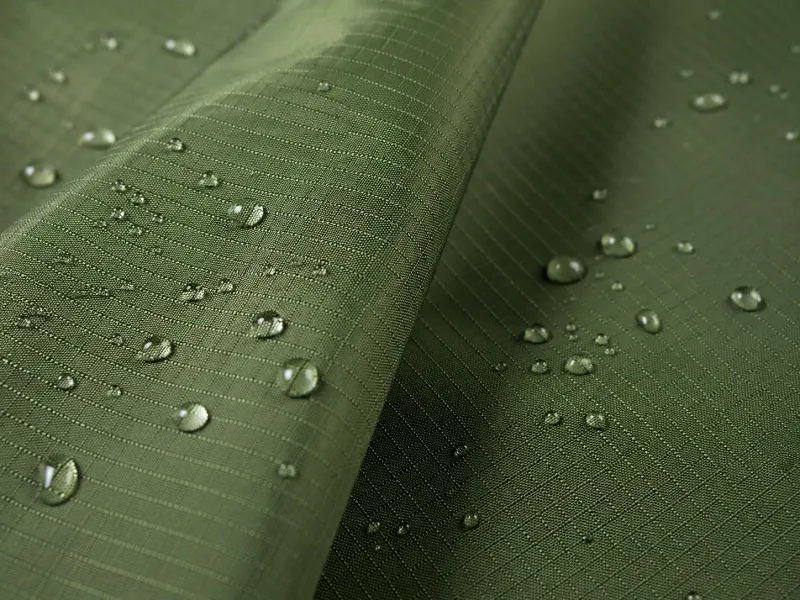
Ripstop Waterproof Fabric
Lightweight ripstop waterproof fabric with enhanced tear resistance for outdoor applications.
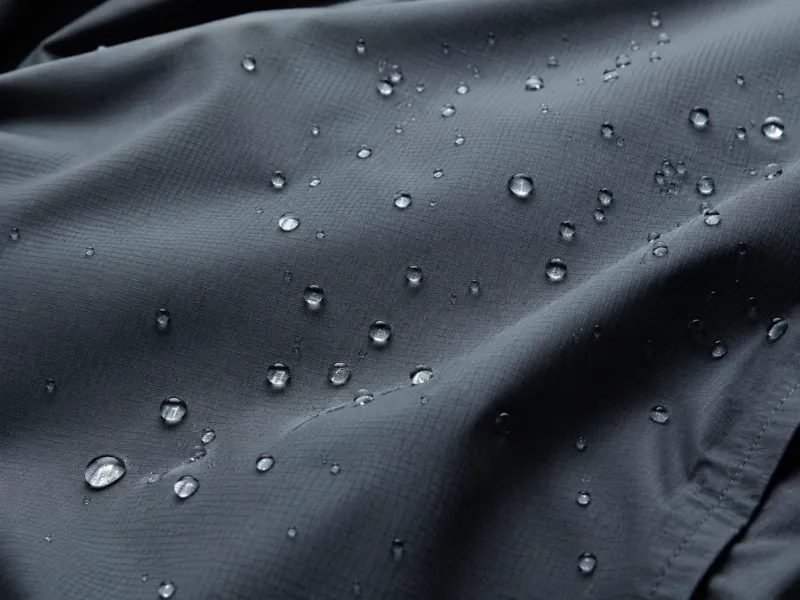
Outdoor Shell Fabric
Weather-resistant shell fabric developed for outdoor jackets and protective outerwear.
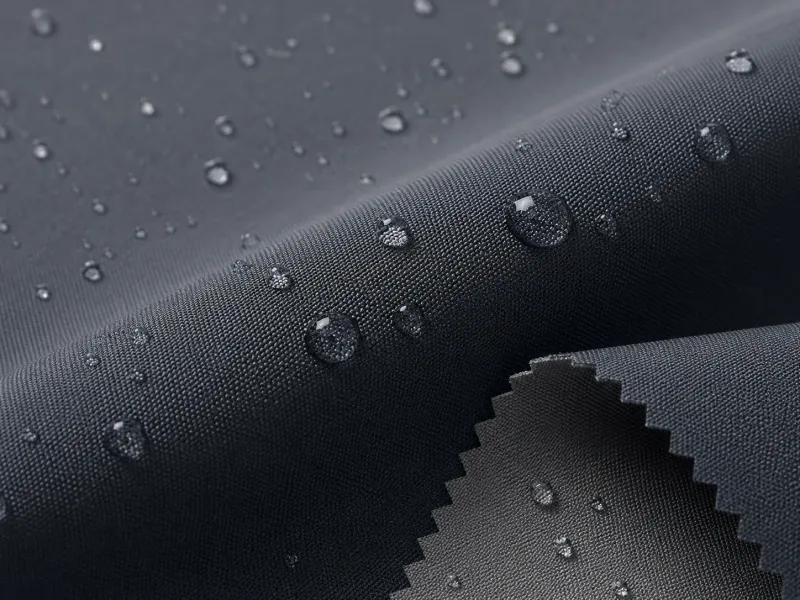
Waterproof Polyester Fabric
Durable waterproof polyester fabric designed for outdoor apparel, bags and weather-resistant textile applications.
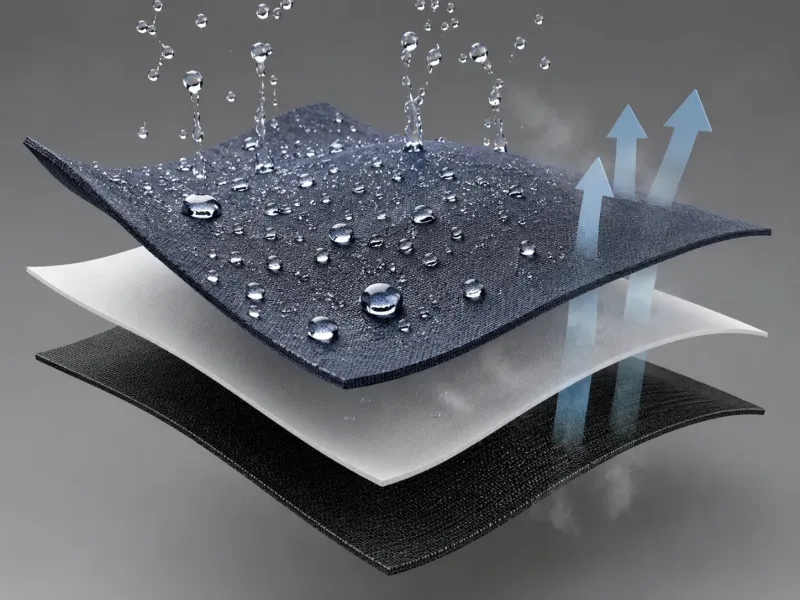
3 Layer Waterproof Fabric
Premium 3-layer waterproof fabric for professional outdoor and technical apparel.
Related Categories
Related Applications
Related Industries
How Ripstop Works and How to Spec It by Denier & Coating
Request Ripstop Swatches