
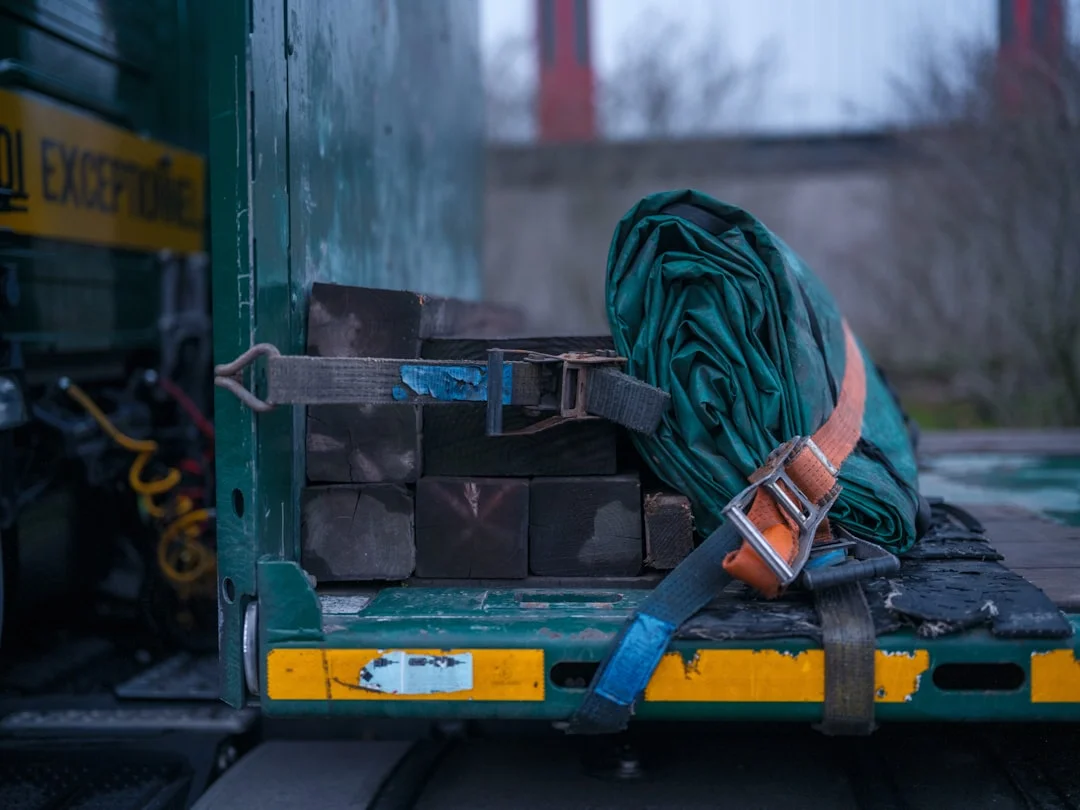
Securing freight on commercial trucks demands reliable hardware that withstands highway vibration, sudden stops, and variable weather conditions. A quality load binder for trucks is the critical link between your cargo and road safety. Whether you operate flatbed trailers, box trucks, or step-deck configurations, understanding the right binder type, working load limit, and proper installation technique directly impacts compliance and cargo integrity. At FuncFabric, we supply heavy-duty tensioning solutions built for the demands of North American and European freight operations.
What Is a Load Binder and Why It Matters for Truck Cargo
A load binder is a mechanical tensioning device used to secure cargo on commercial trucks and trailers. Unlike simple tie-down straps that rely on friction alone, a load binder applies controlled tension to webbing or chain assemblies, preventing cargo shift during transit. The Federal Motor Carrier Safety Administration (FMCSA) requires that cargo be immobilized using adequate tie-downs rated for at least half the weight of the article being secured. A properly selected load binder for trucks ensures you meet these regulations while protecting your freight from damage.
The difference between a quality binder and a budget alternative becomes apparent within the first few trips. Budget binders often feature thin-coated steel hooks that bend under load or ratchet mechanisms that slip after repeated use. Industrial-grade units, such as those built to ASME B30.26 standards, maintain tension integrity with working load limits ranging from 1,500 lbs to 6,000 lbs depending on model. We inspect each batch for hook geometry, spring tension, and ratchet engagement before shipment.
Types of Load Binders for Commercial Truck Applications
Ratchet Load Binders: The most common choice for truck cargo securement. These feature a toothed gear mechanism that provides incremental tensioning and reliable holding power. Standard ratchet binders handle working load limits of 1,500 to 3,000 lbs and are compatible with 2-inch and 3-inch polyester webbing. Compared to lever binders, ratchet models offer more precise tension control but require slightly more operating effort per cycle.
Lever Load Binders: Designed for heavy-duty applications where maximum tension is required. Lever binders use a cam-action mechanism that delivers higher mechanical advantage, making them suitable for securing loads up to 6,000 lbs working load limit. They operate faster than ratchet binders—ideal for high-volume loading docks—but provide less fine-tuned tension adjustment. Many fleet operators keep both types on hand: lever binders for heavy equipment and ratchet binders for general freight.
Cam Buckle Binders: Often found on roll-up tarp systems and lighter cargo applications. These provide quick tensioning for loads under 1,000 lbs working load limit. While not rated for primary cargo securement under DOT regulations, cam buckle binders are essential for securing tarp covers over loaded trailers, protecting freight from weather and road debris.
Key Specifications to Evaluate Before Purchase
Working Load Limit (WLL): This is the maximum tension force the binder can safely apply. Never exceed the WLL rating. For truck cargo applications, select a binder with a WLL of at least 2,000 lbs for standard freight and 3,000 lbs or higher for heavy equipment. The breaking strength of quality binders typically ranges from 6,000 lbs to 18,000 lbs depending on model.
Hook Type and Geometry: Hook design determines compatibility with trailer anchor points. J-hooks are standard for trucking applications, featuring a curved throat that engages D-rings and track channels. S-hooks require a twist lock to prevent unwinding. Some binders offer interchangeable hook systems for versatility across trailer types. Hook throat opening typically measures 2.5 to 4 inches depending on model size.
Material and Corrosion Resistance: Truck binders operate in harsh environments exposed to rain, road salt, and UV radiation. Zinc-plated steel provides basic corrosion protection for domestic operations. For coastal or year-round outdoor exposure, consider powder-coated or cadmium-plated finishes. Our industrial binders undergo salt-spray testing to verify coating integrity over extended service life.
Webbing Compatibility: Match binder arm width to your strap specifications. Standard trucking webbing is 2 inches wide; heavier applications use 3-inch straps. The binder arm must fully engage the webbing without overhang. Using mismatched components reduces effective working load limit and creates unsafe tension points.
Proper Load Binder Installation and Tensioning Procedure
Correct installation directly affects cargo securement effectiveness. Begin by inspecting all tie-down components for wear, cracks, or frayed webbing before attaching the load binder. Thread the webbing through the binder arms ensuring a minimum of three full wraps around the tensioning axle. This wrap count is critical—insufficient wraps cause slippage under load vibration.
Apply tension incrementally using the ratchet or lever handle. For ratchet binders, engage the mechanism and pump the handle until the webbing is taut and the cargo shows no movement when pushed manually. Target tension is approximately 50 percent of the webbing working load limit. Over-tensioning damages webbing fibers and can deform trailer anchor points. We recommend using a tension gauge during initial setup to calibrate operator technique.
After the first 50 miles of transit, re-check all binder tension. Webbing stretches during initial loading cycles, and tension loss is normal. Re-tighten as needed. Many fleet managers schedule a mid-route inspection stop for long-haul operations to verify all load binders remain properly tensioned.
Maintenance, Inspection, and Replacement Guidelines
Regular inspection extends binder service life and prevents catastrophic failure. Before each use, check for cracked or bent hooks, worn ratchet teeth, and damaged spring mechanisms. Clean binding mechanisms periodically with a wire brush to remove road salt and debris accumulation. Apply a light machine oil to pivot points and ratchet gears to maintain smooth operation.
Remove binders from service immediately if you observe: hooks that do not fully close, ratchet mechanisms that slip under tension, visible cracks in cast or forged components, or excessive corrosion that reduces material thickness. The Occupational Safety and Health Administration (OSHA) requires documented inspection records for cargo securement equipment. Maintain a log tracking each binder's service date, inspection findings, and retirement date.
When replacing binders, match or exceed the original working load limit. Upgrading from a 2,000 lb WLL binder to a 3,000 lb model provides additional safety margin for heavier cargo without requiring webbing changes, as long as the hook and arm dimensions remain compatible with your trailer anchor system.
Complementary Cargo Securement Products
Load binders perform best as part of a complete cargo securement system. Pair your binders with high-strength polyester webbing straps rated for the same working load limit. For flatbed operations, consider edge protectors to prevent webbing cutting against sharp cargo corners. Corner boards and load bars distribute pressure and prevent cargo deformation during transit.
Weather protection for exposed freight benefits from heavy-duty Oxford Fabric tarp systems secured with cam buckle binders. Our Waterproof Polyester Fabric and Ripstop Waterproof Fabric options provide durable tarp materials rated for 5,000 mm to 15,000 mm hydrostatic head, protecting cargo from rain and road spray during transit.
For operators requiring UV-protected tarp covers, our Marine UV Resistant Fabric offers UPF 50+ protection with color fastness grade 5, maintaining integrity under prolonged sun exposure. This is particularly valuable for long-haul routes crossing southern states where UV degradation accelerates fabric breakdown.
Frequently Asked Questions
What is the difference between a ratchet binder and a lever binder for trucks?
Ratchet binders use a toothed gear mechanism for precise, incremental tensioning and are ideal for general freight with working load limits typically ranging from 1,500 to 3,000 lbs. Lever binders use a cam-action mechanism that delivers higher mechanical advantage, making them suitable for heavy equipment up to 6,000 lbs WLL. Lever binders operate faster but provide less fine-tuned tension control compared to ratchet models.
How many load binders do I need for a standard 53-foot trailer?
DOT regulations require a minimum of four tie-downs for standard 53-foot trailers carrying non-spillable cargo. This typically translates to eight binder assemblies when using pair configurations (one binder per strap end). For heavier or irregularly shaped cargo, increase to six or eight tie-downs depending on load weight and center of gravity. Always consult the FMCSA cargo securement rules for your specific freight type.
Can I use a load binder with chain instead of webbing?
Yes, chain binders are a separate category designed specifically for steel chain assemblies. They feature different hook geometries and tensioning mechanisms optimized for chain rather than webbing. Using a webbing-rated binder with chain can damage the binder arms and create unsafe conditions. Select chain binders rated for your chain grade and working load limit.
What webbing width should I match to my load binder?
Standard trucking applications use 2-inch polyester webbing, while heavier loads may require 3-inch straps. The binder arm must fully engage the webbing width without overhang. Using a 3-inch binder with 2-inch webbing creates unsafe contact points and reduces effective working load limit. Always verify binder arm width matches your strap specification before purchase.
How often should I replace truck load binders?
There is no fixed replacement schedule—binders should be retired based on inspection findings. Remove any binder showing cracked hooks, worn ratchet teeth, damaged springs, or corrosion that reduces component thickness. With proper maintenance, quality binders last three to five years in heavy-use fleet operations. Document each inspection and track service history to establish replacement patterns specific to your operating conditions.
Related Resources
Related Products (4)
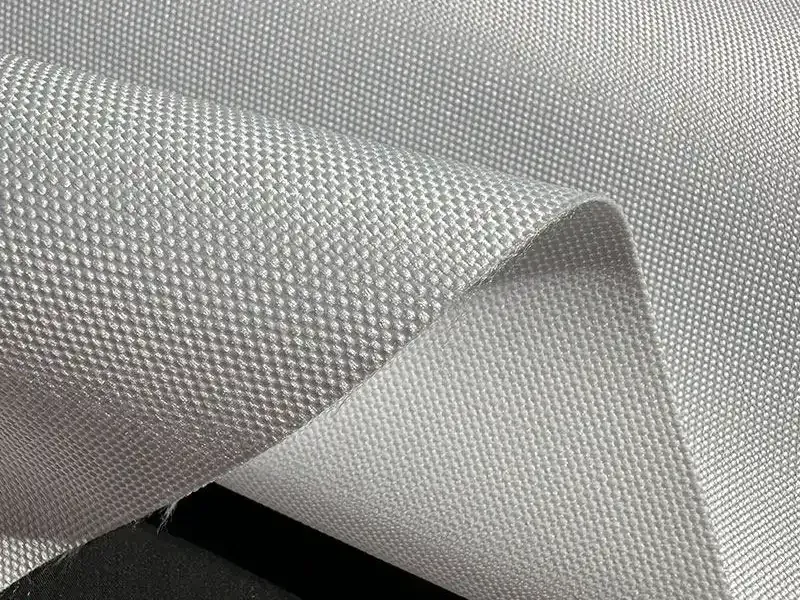
Oxford Fabric
Factory-direct Oxford fabric: 210D to 600D+, PU/PVC/PA coatings, waterproof options for bags, tents, workwear and covers. Low MOQ, free swatches, 24-hour quotes.
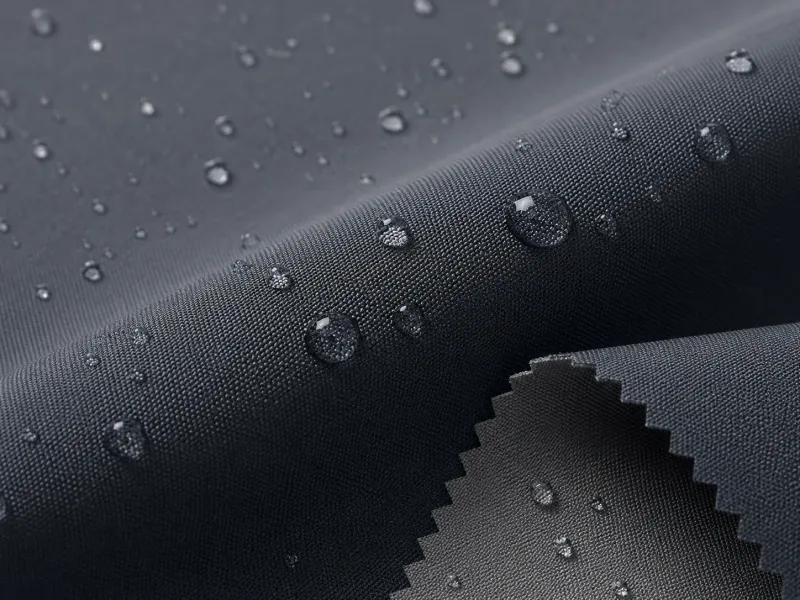
Waterproof Polyester Fabric
Durable waterproof polyester fabric designed for outdoor apparel, bags and weather-resistant textile applications.

Ripstop Waterproof Fabric
Lightweight ripstop waterproof fabric with enhanced tear resistance for outdoor applications.

Marine UV Resistant Fabric
Marine-grade UV resistant fabric developed for harsh outdoor and coastal environments.
Related Industries
Industrial-grade load binders and tensioning hardware for commercial trucking and freight operations
Request a Load Binder Quote