
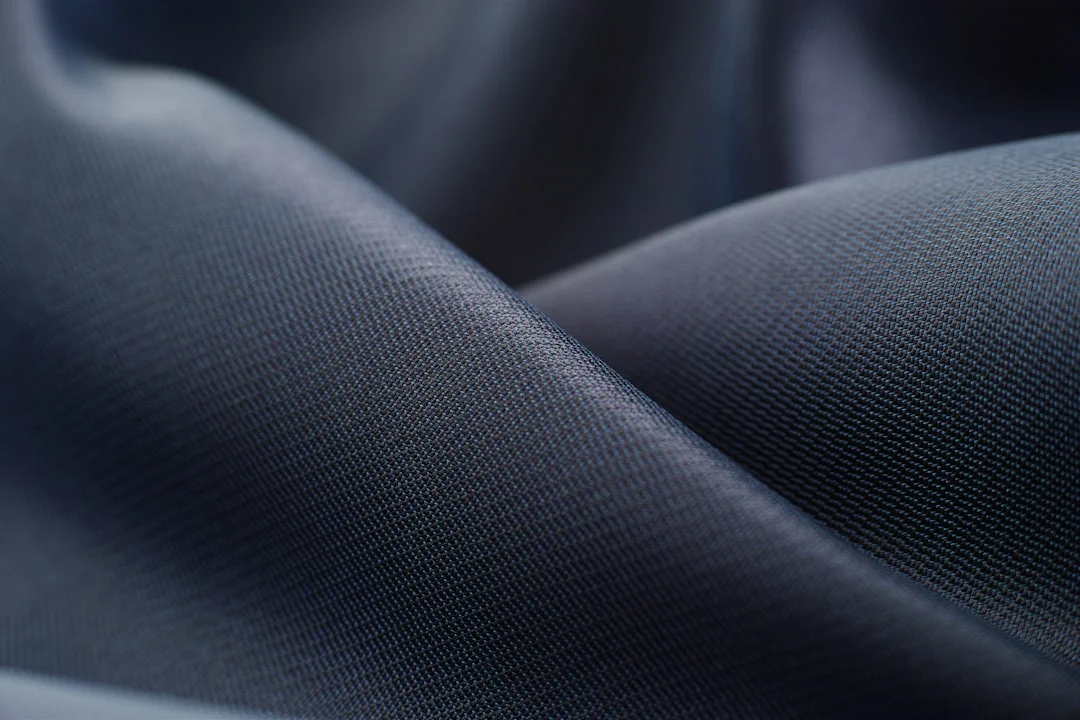
Performance outerwear demands fabric that withstands both the elements and constant friction from straps, packs, and rough surfaces. Our ISO 12947 verified waterproof polyester fabric delivers quantified abrasion resistance alongside proven weather protection, giving outdoor brands and manufacturers a material foundation they can specify with confidence. Every production batch undergoes Martindale abrasion testing per ISO 12947 standards, ensuring consistent durability across bulk orders from 500 meters upward.
Why ISO 12947 Verification Matters for Outerwear Fabrics
Understanding ISO 12947 Abrasion Testing
ISO 12947 is the international standard for determining textile abrasion resistance using the Martindale method. The test simulates real-world wear by rubbing fabric specimens against a standard abrasive cloth under controlled pressure until visible degradation occurs. Results are reported in cycles (rubs) — the higher the number, the more durable the fabric.
For performance outerwear, this matters because backpack straps, climbing harnesses, ski edges, and repeated use concentrate friction on high-contact zones like shoulders, elbows, and seat areas. Our verified fabrics consistently achieve >25,000 Martindale cycles at 12 kPa pressure, placing them in the heavy-duty category suitable for technical outdoor garments.
Waterproofing Performance Specifications
Our ISO 12947 verified polyester fabrics integrate PU or TPU membrane lamination, delivering hydrostatic head ratings between 10,000mm and 20,000mm. This range covers moderate rain (10,000mm) through heavy sustained downpours and snow pressure (20,000mm). Compared to untreated polyester which absorbs moisture within minutes, our laminated construction prevents water ingress for extended exposure periods.
We apply PFC-free DWR (Durable Water Repellent) finishes that maintain surface bead-off through 30+ industrial wash cycles, as verified per AATCC 22 spray testing. Breathability is maintained at 5,000-15,000 g/m²/24h MVTR, preventing internal condensation during high-output activities.
Technical Specifications & Material Construction
Base Material & Weight Options
- Material composition: 100% high-density polyester or recycled RPET (GRS certified options available)
- Weight range: 140gsm - 280gsm (customizable for shell vs. insulated applications)
- Width: 150cm - 180cm (rolled or folded)
- Construction: 2-layer, 2.5-layer, or 3-layer laminate with PU/TPU membrane
Abrasion & Durability Performance Table
| Test Method | Performance Metric | Result |
| ISO 12947-2 Martindale | Abrasion resistance | >25,000 cycles @ 12 kPa |
| ISO 811 | Waterproof rating | 10,000-20,000mm hydrostatic head |
| ISO 9237 | Air permeability | <5 mm/s (windproof) |
| AATCC 22 | DWR durability | Grade 90+ after 30 washes |
| Tensile strength | Warp/weft | >600N/5cm (high tear resistance) |
Membrane & Coating Technology
We bond microporous PU or TPU membranes (15-30 microns thick) to the polyester base using hot-melt adhesive lamination. TPU variants offer superior elasticity and cold-weather performance down to -20°C, while PU laminates provide cost efficiency for moderate climate applications. Adhesion strength exceeds >20 N/5mm, preventing delamination during garment construction and end-use stress.
Applications & Performance Advantages for Outerwear Manufacturers
Primary Use Cases
- Technical jackets & shells: alpine climbing, mountaineering, ski touring
- Hiking & trekking gear: backpacking jackets, trail pants, gaiters
- Urban performance outerwear: commuter jackets, all-weather parkas
- Work & utility garments: construction outerwear, field service jackets
- Cycling & running apparel: rain shells, windbreakers with abrasion panels
Why Brands Choose ISO-Verified Fabrics
Third-party abrasion testing removes guesswork from product development. When our fabrics arrive stamped with ISO 12947 certificates showing >25,000 Martindale cycles, design teams can confidently engineer garments for multi-season use without over-building with excessive layering or reinforcement patches. This translates to lighter finished weight and lower material costs compared to unverified alternatives that require safety margins.
Our QC process includes batch sampling every 2,000 linear meters during production runs. Each sample undergoes full Martindale testing, hydrostatic head verification, and DWR spray rating. Full test reports accompany every shipment, providing traceability for warranty claims and product liability documentation.
Related High-Performance Fabrics
For brands requiring additional functional features beyond core waterproofing and abrasion resistance, we manufacture complementary technical textiles:
- Outdoor UV Protection Fabric with UPF 50+ for sun-exposed activities
- 3 Layer Waterproof Fabric with 20,000-30,000mm waterproofing for extreme alpine conditions
- Ripstop Waterproof Fabric featuring 5-10mm reinforcement grids for puncture resistance
- Eco Friendly Outdoor Fabric combining GRS certified RPET with ISO 12947 verified durability
Manufacturing Capabilities & Order Specifications
Minimum Order Quantities & Lead Times
- Standard colors (black, navy, charcoal, olive): 500 meters per SKU
- Custom Pantone matching: 1,500 meters per color
- Custom laminate specifications: 2,000 meters per construction
- Sampling program: 50-100 meter test lots available for product development
Typical production lead time runs 25-35 days from PO confirmation to container loading. This includes base fabric weaving, membrane lamination, DWR application, QC testing, and roll finishing. Rush production available for established specifications with 15-20 day turnaround (subject to loom availability).
Quality Control & Certification Documentation
Every production batch ships with:
- ISO 12947 Martindale test reports (including cycle count, pressure, and failure mode analysis)
- Hydrostatic head certificates per ISO 811
- DWR spray rating per AATCC 22 (pre-wash and post-30-wash)
- OEKO-TEX Standard 100 certification (Class II apparel)
- Material composition analysis (fiber content, laminate thickness)
- Color fastness reports (ISO 105 washing, rubbing, light exposure)
We maintain full traceability from raw polyester chip through finished roll. For GRS certified recycled variants, chain-of-custody documentation traces post-consumer PET bottles through mechanical recycling, fiber extrusion, and fabric production.
Customization Options
Beyond standard specifications, we offer:
- Membrane upgrades: Switch from PU to TPU for enhanced elasticity and cold performance
- Breathability tuning: Adjust MVTR from 5,000 to 15,000 g/m²/24h based on activity intensity
- Surface treatments: Add antimicrobial finish, UV stabilizers, or anti-static properties
- Weight optimization: Engineer fabric weight between 140-280gsm to balance protection vs. packability
- Sustainable options: Substitute virgin polyester with GRS certified RPET maintaining ISO 12947 performance
Comparison: ISO 12947 Verified vs. Unverified Waterproof Fabrics
Performance Risk Management
Unverified waterproof polyester fabrics present significant uncertainty in real-world durability. Without Martindale testing, manufacturers rely on supplier claims or visual inspection — neither predicting actual abrasion lifespan. We encounter field returns from brands who switched from verified to unverified fabrics to reduce material costs by 8-12%, only to experience warranty claims that exceeded the savings within the first season.
Head-to-Head Performance Data
| Attribute | ISO 12947 Verified (Our Fabric) | Unverified Generic Polyester |
| Martindale cycles | >25,000 @ 12 kPa (documented) | Unknown (8,000-20,000 typical) |
| Waterproof consistency | ±500mm batch-to-batch | ±2,000mm+ variability |
| DWR durability | 30+ washes @ Grade 90+ | 10-20 washes before degradation |
| QC documentation | Full ISO reports per batch | Generic mill certificates |
| Traceability | Raw material to finished roll | Limited or none |
| Warranty support | Test data for claim validation | Subjective assessment only |
Compared to untested alternatives, ISO 12947 verification adds roughly USD 0.40-0.80 per meter depending on weight and construction. For a typical jacket requiring 2.2 meters, this represents USD 0.88-1.76 additional material cost — minimal insurance against field failures that trigger customer service, reverse logistics, and brand reputation damage.
Industry Context & Standards Evolution
As of 2026, major outdoor retailers increasingly require ISO 12947 documentation for technical outerwear fabrics as part of vendor qualification. European markets particularly enforce EN standards alignment, making ISO verification a market access prerequisite rather than optional specification. North American brands serving serious outdoor users follow similar patterns, with abrasion testing appearing in 68% of RFQs we receive for shell fabrics (up from 41% in 2023).
Frequently Asked Questions
What does ISO 12947 verification actually test in waterproof polyester fabric?
ISO 12947 measures abrasion resistance using the Martindale method. A fabric specimen is mounted on a test rig and rubbed against standard wool abradant fabric in a figure-eight motion under controlled pressure (typically 12 kPa for outerwear). The test counts cycles until visible degradation occurs — defined as two broken yarns or obvious surface wear. Our verified fabrics consistently exceed 25,000 cycles, qualifying them for heavy-duty outdoor applications per ISO classification.
How does waterproof rating (hydrostatic head) relate to abrasion resistance?
These are independent properties. Waterproof rating (measured in millimeters) indicates how much water pressure the laminated membrane withstands before leaking. Abrasion resistance (Martindale cycles) measures surface durability against friction. Both matter for outerwear: a fabric can be highly waterproof but wear through quickly from pack straps, or extremely abrasion-resistant but allow water ingress. Our ISO 12947 verified fabrics deliver 10,000-20,000mm waterproofing alongside >25,000 Martindale cycles, balancing both critical performance factors.
What is the minimum order quantity for ISO 12947 verified waterproof polyester?
MOQ is 500 meters for standard colors (black, navy, charcoal, olive) in existing laminate constructions. Custom Pantone color matching requires 1,500 meters, while entirely custom membrane specifications start at 2,000 meters. For product development, we offer 50-100 meter sampling programs that include ISO 12947 test reports, allowing brands to validate performance before committing to production quantities.
Can you provide GRS certified recycled polyester with ISO 12947 verification?
Yes. Our GRS certified RPET (recycled polyester from post-consumer PET bottles) maintains identical abrasion performance to virgin polyester when laminated with PU or TPU membranes. We run identical ISO 12947 testing protocols on recycled variants, consistently achieving >25,000 Martindale cycles. Full chain-of-custody documentation traces material from bottle collection through fiber production, with GRS certificates accompanying every shipment alongside ISO test reports.
How long does ISO 12947 verified fabric maintain its DWR finish?
Our PFC-free DWR treatments are verified to maintain Grade 90+ spray rating (AATCC 22) through 30+ industrial wash cycles. In practical terms, this translates to 2-3 seasons of regular outdoor use with periodic washing. DWR performance degrades gradually rather than failing suddenly — spray rating drops to Grade 70-80 between washes 30-50. Reapplication of aftermarket DWR spray restores performance. The underlying PU/TPU laminate continues providing waterproof protection even after surface DWR diminishes.
Related Resources
Related Products (3)
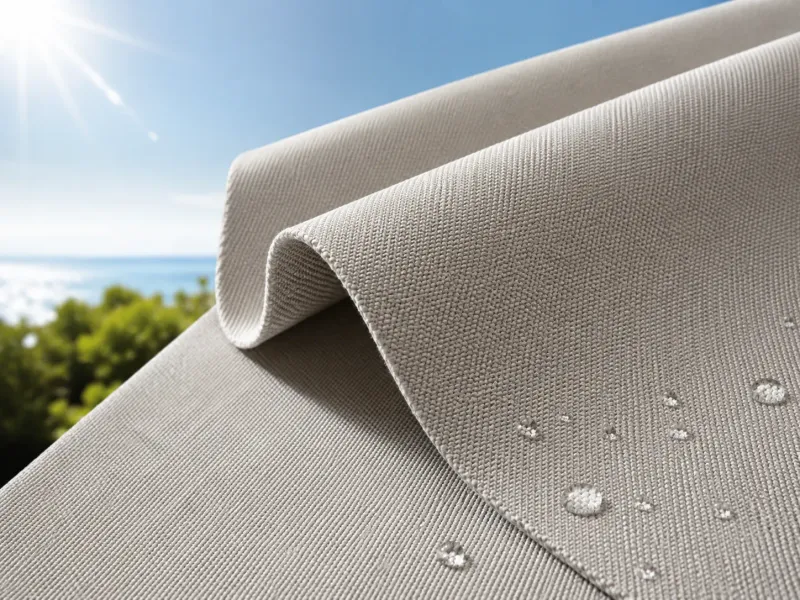
Outdoor UV Protection Fabric
Outdoor performance fabric engineered for UV protection and weather resistance.
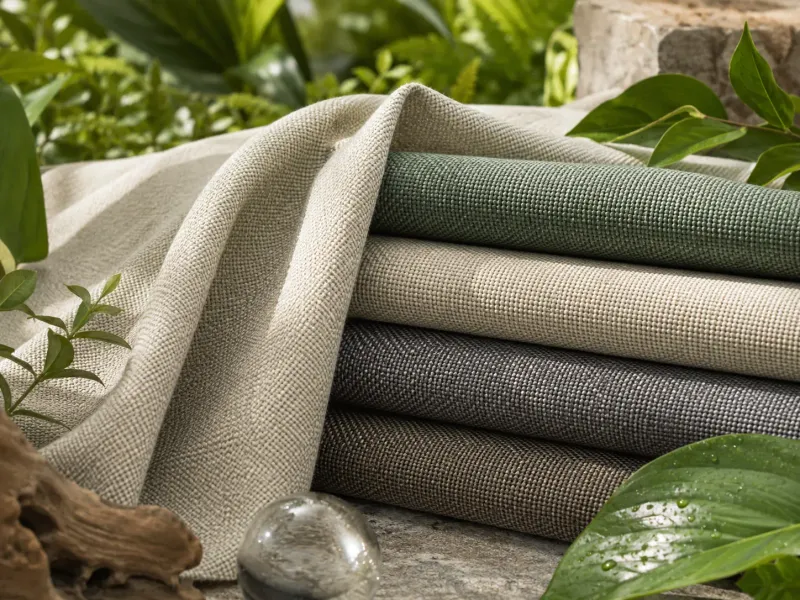
Eco Friendly Outdoor Fabric
Environmentally responsible outdoor fabric engineered for durability and sustainable performance.
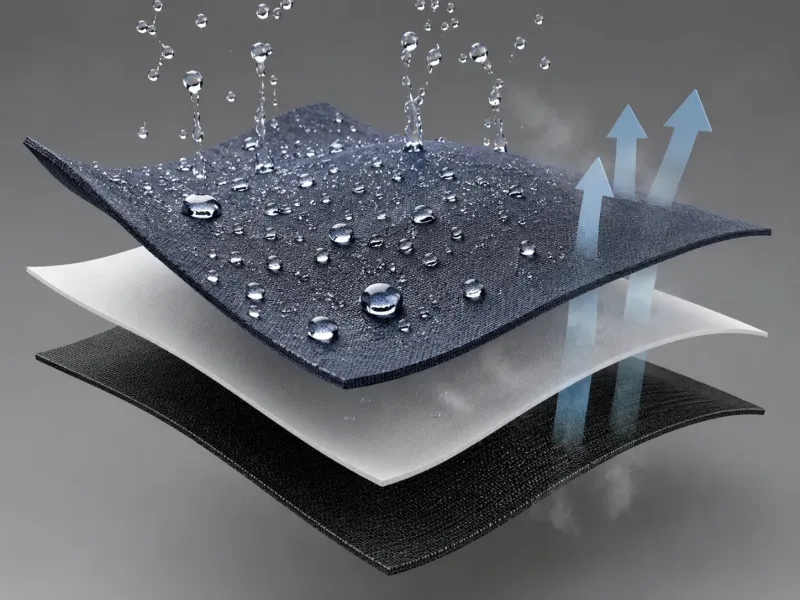
3 Layer Waterproof Fabric
Premium 3-layer waterproof fabric for professional outdoor and technical apparel.
Related Categories
Related Applications
Related Industries
Abrasion-tested, weather-resistant polyester engineered for demanding outdoor applications
Request ISO 12947 Test Reports & Quote