
Knowing how to test waterproof fabric hydrostatic head is crucial for brands sourcing technical outerwear, tents, and protective gear. Hydrostatic head (HH) is the most direct measurement of a fabric’s ability to resist water penetration under pressure. This guide explains the AATCC 127 and ISO 811 test methods, provides a step-by-step procedure, and helps you interpret ratings from 5,000 mm to 30,000 mm so you can source fabrics with confidence. Whether you are evaluating Ripstop Waterproof Fabric or 3 Layer Waterproof Fabric, this is your practical reference.
Why Hydrostatic Head Testing Matters for Waterproof Fabrics
Hydrostatic head testing answers one question: at what pressure does water push through a fabric? The result, usually expressed in millimeters (mm), represents the height of a water column the fabric can support before three drops penetrate. Fabrics rated below 1,000 mm are considered unproofed; most technical outerwear uses 5,000 mm or higher. For comparison, a walking jacket with 5,000 mm resists sustained drizzle, while an alpine shell rated 20,000 mm handles heavy downpours. At FuncFabric, our Ripstop Waterproof Fabric spans 5,000–15,000 mm and our TPU Laminated Fabric reaches 20,000–30,000 mm, giving you measurable, spec-sheet confidence.
Standard Test Methods: AATCC 127 and ISO 811
Two globally accepted standards govern hydrostatic head testing: AATCC 127 for North America and ISO 811 for Europe and international markets. Both methods clamp a 100 cm² fabric sample beneath a water column. Pressure is increased at a rate of 10 mm of water column per minute, though AATCC 127 also allows a 60 mbar/min variant. The endpoint is recorded when the third droplet appears on the underside of the sample. Unlike simple spray tests that only assess surface wetting, hydrostatic head testing measures genuine water penetration force. For export-quality production, suppliers should provide a test report aligned with ISO 811.
Step-by-Step Guide: How to Test Waterproof Fabric Hydrostatic Head
Follow this procedure to test waterproof fabric hydrostatic head consistently. First, condition samples at 20 ± 2 °C and 65 ± 4 % relative humidity for at least 4 hours. Next, cut three samples of at least 100 cm² each, avoiding areas within 50 mm of the selvedge. Clamp a sample in the test head with the face side upwards, ensuring no wrinkles. Fill the apparatus with distilled water at 20 °C and apply pressure at 10 mmH2O/min. Observe until the third droplet appears; record the pressure in mm. Repeat for all samples and report the median value. If a sample fails below 5,000 mm, verify that the DWR finish or coating is intact before re-testing.
Matching Hydrostatic Head Ratings to Your Fabric
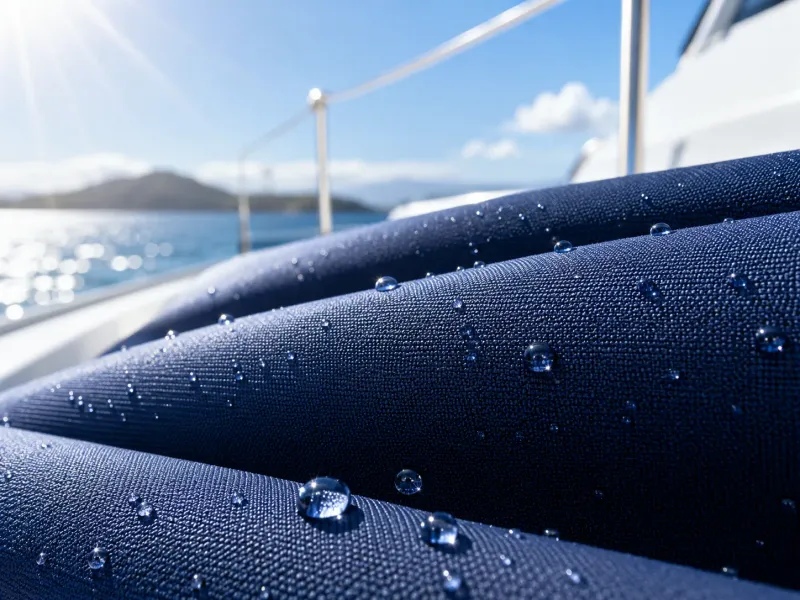
Not all waterproof fabrics need the same rating. For a light shower-resistant garment, a Waterproof Polyester Fabric rated 5,000–10,000 mm is sufficient. For all-day outdoor trekking, a Waterproof Breathable Fabric at 10,000–20,000 mm balances protection and breathability. For professional mountaineering or marine covers where pressure can exceed 20,000 mm, a 3 Layer Waterproof Fabric or TPU Laminated Fabric is the right choice. Remember that fabric weight and membrane technology work together: our Eco Friendly Outdoor Fabric combines UPF 50+ with a DWR finish, while our Marine UV Resistant Fabric offers hydrostatic heads between 5,000 mm and 10,000 mm for saltwater exposure.
Common Hydrostatic Head Testing Mistakes
Several field errors can ruin hydrostatic head measurements. Failing to condition samples at 65 % RH leads to artificially high results in dry conditions. Overtightening or under-tightening the clamp causes edge leaks, so use a torque of 5 N m if the apparatus allows. Using tap water with dissolved minerals may change surface tension; distilled water at 20 °C is the standard. Also, always test at least three samples and report the median value, not the best result, to avoid sampling bias. We use these same checks when validating our waterproof materials in production.
Frequently Asked Questions
What is hydrostatic head in waterproof fabric?
Hydrostatic head is the pressure of a water column, measured in millimeters, that a fabric can withstand before water penetrates. For example, a fabric with a 10,000 mm rating can support a 10-meter column of water before three drops appear on the reverse side. It is the most reliable indicator of waterproof performance.
Which standard test method is used for hydrostatic head?
The two most common methods are AATCC 127 and ISO 811. Both clamp a 100 cm² sample and increase water pressure at a controlled rate (typically 10 mm of water column per minute) until three droplets penetrate. AATCC 127 is widely used in North America, while ISO 811 is favored in Europe and Asia.
What is a good hydrostatic head rating for a rain jacket?
For urban commuters, a rating of 5,000 mm is sufficient for light rain. For hiking or general outdoor use, 10,000 mm–20,000 mm is recommended. For extreme mountain conditions, look for 20,000 mm or higher, such as our 3 Layer Waterproof Fabric which reaches 30,000 mm.
How many fabric samples are needed for a reliable test?
At least three samples per fabric are recommended. The testing standard calls for the median value to be reported, which minimizes the effect of weak spots. For product development, testing five samples gives even greater confidence.
Can I test hydrostatic head in-house with our own equipment?
Yes, if you have a calibrated hydrostatic head tester that follows ISO 811 or AATCC 127. However, the results should be verified by an accredited laboratory before final specification, especially for export orders. A test report from a third-party lab protects both buyer and supplier.
Related Resources
Related Products (4)
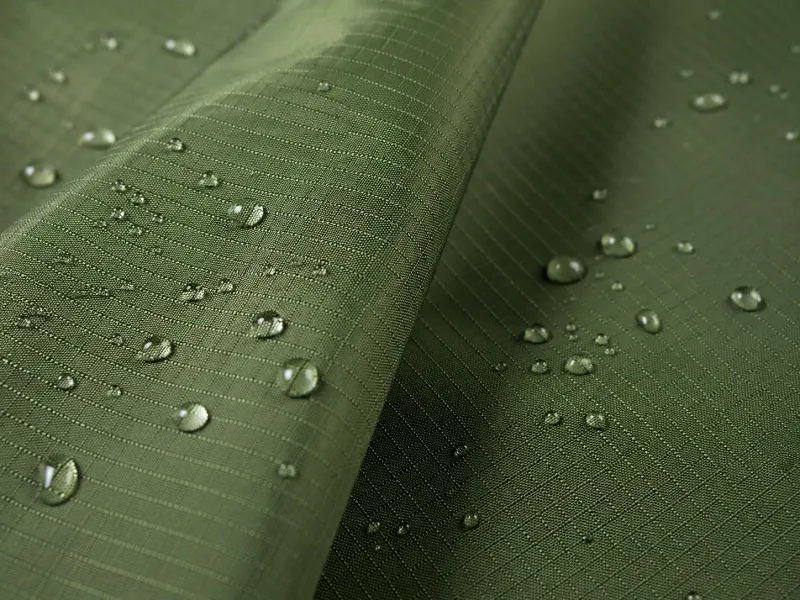
Ripstop Waterproof Fabric
Lightweight ripstop waterproof fabric with enhanced tear resistance for outdoor applications.
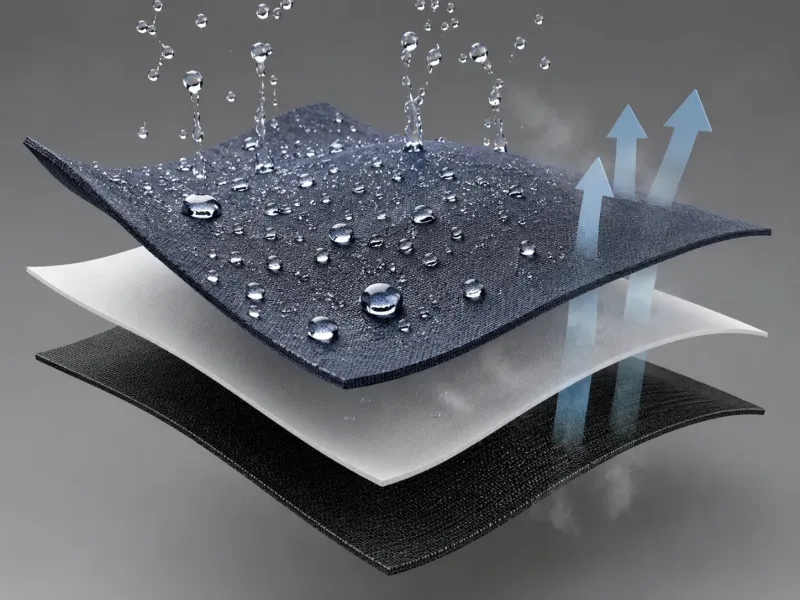
3 Layer Waterproof Fabric
Premium 3-layer waterproof fabric for professional outdoor and technical apparel.
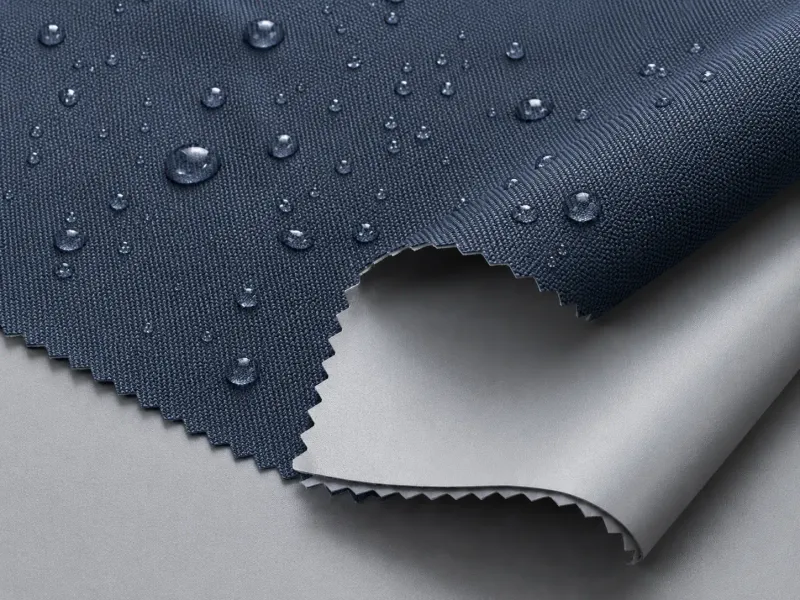
TPU Laminated Fabric
TPU laminated fabric providing superior waterproof performance and flexibility.
Marine UV Resistant Fabric
Marine-grade UV resistant fabric developed for harsh outdoor and coastal environments.
Related Categories
Related Applications
Learn AATCC 127 and ISO 811 methods to verify waterproofing performance.
Request Waterproof Fabric Samples