
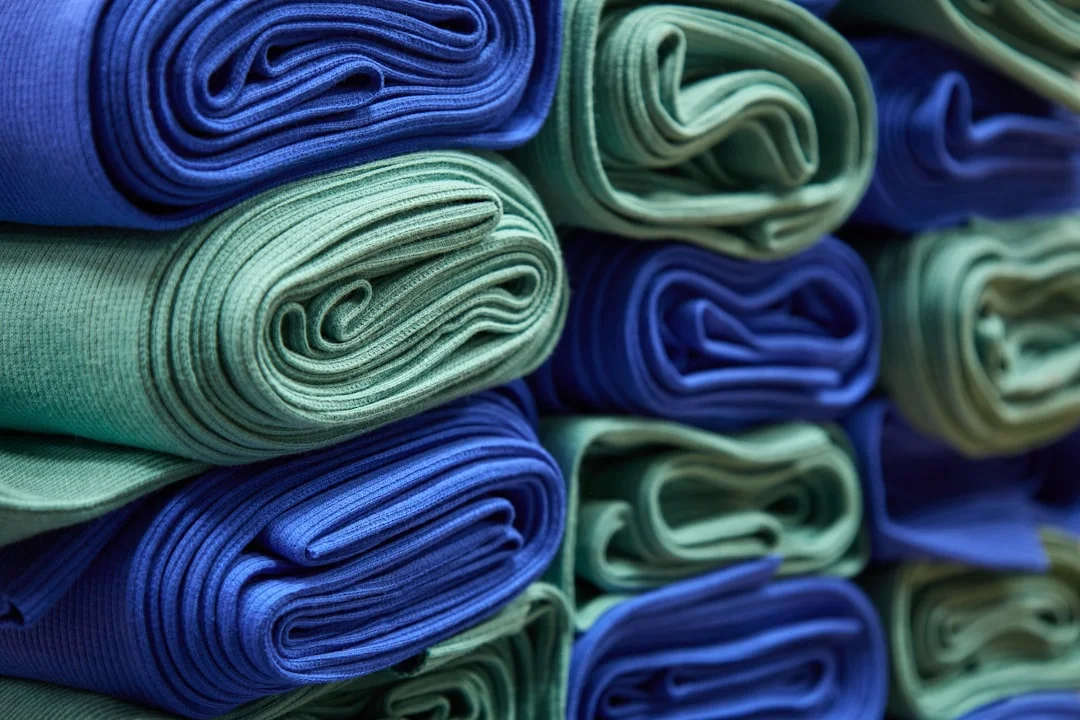
Workwear fabric for industrial safety is a category of engineered textiles designed to protect workers from specific hazards: flash fires, electric arcs, welding sparks, chemicals, and extreme friction. While standard cotton or polyester clothing can ignite, melt, or conduct electricity, safety-rated fabrics are constructed and tested to self-extinguish, limit heat transfer, and control static discharge. As of 2026, most industrial buyers and garment makers source fabrics that meet international standards such as EN ISO 11612, NFPA 2112, and ASTM F1506. The choice of fabric—whether inherently flame-resistant aramid or FR-treated cotton—directly affects wearer safety, comfort, and long-term performance. This guide explains the main fabric categories, hazard-specific options, and what to look for when selecting materials for workwear and protective clothing.
Defining Workwear Fabric for Industrial Safety
Industrial safety workwear fabric is not a single textile but a group of performance materials engineered around a specific hazard. The core requirement is predictable behavior under extreme conditions: a fabric that self-extinguishes, resists sparks, prevents static charges, or blocks radiant heat. For example, welding protective fabric is built to stop sparks and molten metal splashes, while arc flash protection fabric must limit incident energy from an arcing fault. These materials range from 120 GSM to 500 GSM depending on the application or layer.
The distinction from everyday apparel matters. Ordinary polyester can melt and adhere to skin; untreated cotton can ignite and continue burning. Safety-rated variants use modacrylic, meta-aramid, or high-density cotton blends that self-extinguish—often registering afterflame under 2 seconds per EN ISO 11611 testing. Our contract manufacturing team regularly produces FR workwear fabric, welding protective fabric, and arc flash protective options in widths of 150 cm to 180 cm, ready for cutting and garment assembly.
Key Hazard-Specific Safety Fabric Categories
Each industrial environment demands a specific protection profile. For welding and hot work, Welding Protective Fabric is woven from heavy-duty cotton, cotton-FR blends, or inherent FR aramid at 260-420 GSM. It is certified to EN ISO 11611 Class A1/A2, with surface flame spread self-extinguishing in under 2 seconds and high thermal insulation against direct sparks and radiant heat.
For electric arc hazards, Arc Flash Protection Fabric is rated by ATPV, Arc Thermal Performance Value, from 12 to 45+ cal/cm², with weights of 220-360 GSM and zero afterflame. In oil and gas environments, Oil & Gas Protective Fabric combines FR properties, ATPV 8-25 cal/cm², with hydrophobic and oleophobic finishes and antistatic resistance below 100 ohms per AATCC 76, supporting ATEX and IECEx environments.
For general plant and utility work, FR Workwear Fabric uses modacrylic/cotton or polyester/modacrylic blends at 220-350 GSM, with conductive yarn finishes to prevent static discharges. Cotton Flame Retardant Fabric offers a durable phosphorus-based finish in twill, poplin, or canvas weaves at 200-340 GSM, with shrinkage under 3% warp and 2% weft.
Inherent FR vs. Treated FR: What to Specify
One of the most important choices is whether protection is inherent in the fiber or applied as a chemical finish. Inherent Flame Retardant Fabric is composed of fibers such as 95% meta-aramid blended with 5% PPTA, or PBI/modacrylic blends, at 180-320 GSM. This type does not rely on coatings, meaning protection is not washed out over time. It withstands long-term exposure up to 360°C and complies with EN ISO 11612, EN ISO 11611, NFPA 2112, and ASTM F1506.
By contrast, Cotton Flame Retardant Fabric relies on a phosphorus-based finish applied to cotton. It still delivers self-extinguishing performance with afterglow below 2 seconds, and the cotton base offers strong breathability and comfort for moderate hazards. The tradeoff is maintenance: if a treated garment is not laundered correctly or the finish wears off, protection can decline. In our experience, buyers rotating crews through hot-work areas often choose inherent FR for welders and arc-rated layers, while treated cotton suits lower-risk PPE programs.
The same comparison extends to construction. Welding Protective Fabric at 260-420 GSM with heavy twill, canvas, or duck cloth weave resists mechanical abuse; oil and gas fabrics at 250-350 GSM add oil and water repellency. This mix of materials and weave structures is why safety workwear fabric always means a system of choices, not a single cloth.
Compliance, Testing, and Quality Signals
Verifiable standards are the backbone of safety fabric sourcing. Buyers should confirm the fabric meets the test method for the final use: EN ISO 11611 for welding, EN ISO 11612 for general heat and flame protection, NFPA 2112 for flash fire, and ASTM F1506 for electric arc. A label claiming flame retardant without a cited standard is not enough.
Quantifiable thresholds make assessment objective. FR workwear fabrics self-extinguish without afterglow; cotton FR materials have afterflame and afterglow below 2 seconds. Waterproof and breathable laminates used in outer layers can reach 20,000-30,000 mm hydrostatic head, with moisture vapor transmission of 10,000-18,000 g/m²/24h. Anti-static performance commonly targets resistance below 100 ohms. We QC each batch for weight, tensile strength, and wash durability before shipment.
These materials sit within the broader Workwear & Protective Clothing category, and our factory regularly supplies export volumes for uniform programs across North America and Europe. As of 2026, procurement teams typically require third-party test certificates included with every fabric lot.
Selecting Safety Workwear Fabric: A Practical Checklist
Start by documenting the hazard: welding sparks, flash fire, electric arc, chemical splash, or friction. Translate that hazard into a standard—EN ISO 11611, NFPA 2112, or ASTM F1506—and then choose a fabric family that matches. Weight is a reliable filter: welding fabric typically runs 260-420 GSM; arc-rated fabric runs 220-360 GSM; general FR workwear runs 220-350 GSM. Lighter 180-220 GSM fabrics may be suitable for non-fire hazards such as UV exposure.
Next, balance protection with wearability. A heavy 420 GSM duck cloth offers excellent spark resistance, but workers performing agile tasks may prefer a lighter 260 GSM cotton-FR blend. If garments face oil and grease, look for hydrophobic and oleophobic finishes with AATCC 118 Grade 8-9 performance. For multi-hazard environments, a combined FR and antistatic fabric with conductive yarns reduces the need for separate layers.
Finally, account for laundering. Specifying fabrics that hold color at Grade 4-5 and withstand at least 50 industrial wash cycles reduces replacement frequency. We routinely support garment brands and uniform programs in the Industrial Safety & Workwear Industry, producing to the exact weight, construction, finish, and width—150 cm to 180 cm—needed for cutting tables.
Frequently Asked Questions
What is workwear fabric for industrial safety?
Workwear fabric for industrial safety is a performance textile engineered to protect against hazard-specific risks such as flames, electric arc, welding sparks, chemical splashes, static, and physical abrasion. These fabrics are tested against international standards like EN ISO 11612 and NFPA 2112, with constructions such as FR workwear fabric and arc flash protection fabric in weights from 220 GSM to 500 GSM.
What is the difference between FR and arc-rated fabric?
FR, or flame-resistant, fabric prevents ignition and self-extinguishes when exposed to small flames. A fabric can be FR without providing arc protection. Arc-rated fabric has a quantified ATPV rating such as 12 to 45+ cal/cm², indicating the highest incident energy exposure it can block; it also must resist break-open. For electrical safety, choose arc flash protection fabric that meets ASTM F1506 rather than a general FR fabric alone.
What does ATPV mean in safety workwear fabric?
ATPV, or Arc Thermal Performance Value, is a rating in cal/cm² that describes the thermal energy a fabric can block from an electric arc before the wearer would receive a second-degree burn. Arc Flash Protection Fabric typically ranges from 12 to 45+ cal/cm². The higher the ATPV, the greater the protection, but the fabric is usually heavier and stiffer.
Is treated FR fabric as safe as inherently FR fabric?
Both can meet flame-resistance standards when new and correctly laundered. Cotton Flame Retardant Fabric uses a phosphorus-based finish at 200-340 GSM and self-extinguishes. Inherent Flame Retardant Fabric contains fibers like meta-aramid that are flame-resistant by chemistry, so protection does not wash out. Treat the choice as a specification decision: inherent FR suits frequent laundering and critical applications, while treated FR can be a practical option for lower-risk clothing.
What standards should safety workwear fabric meet?
Common standards include EN ISO 11611 for welding, EN ISO 11612 for heat and flame protection, NFPA 2112 for flash fire, and ASTM F1506 for arc flash. Anti-static fabrics are validated with AATCC 76 resistance below 100 ohms. Buyers should request test reports and verify that the cited standard matches the actual end-use hazard.
Related Resources
Related Products (3)
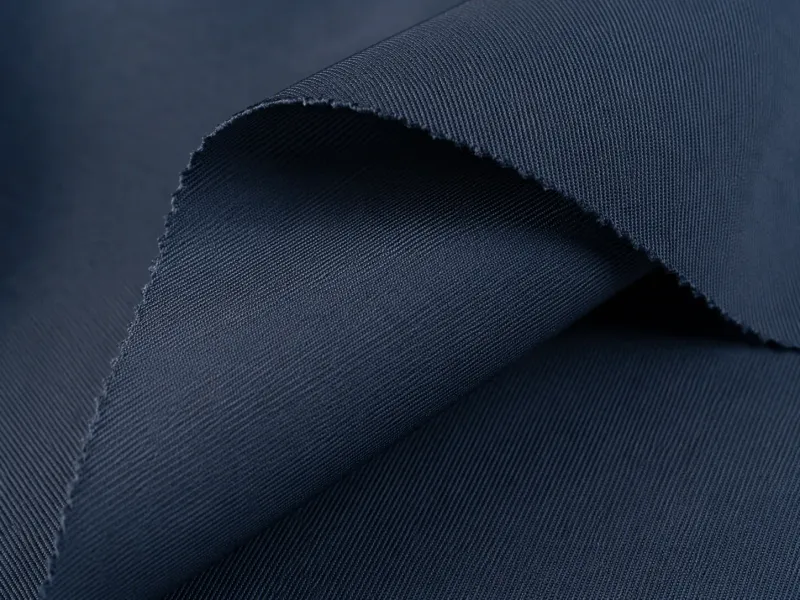
FR Workwear Fabric
Durable flame resistant fabric developed for industrial workwear and PPE applications.
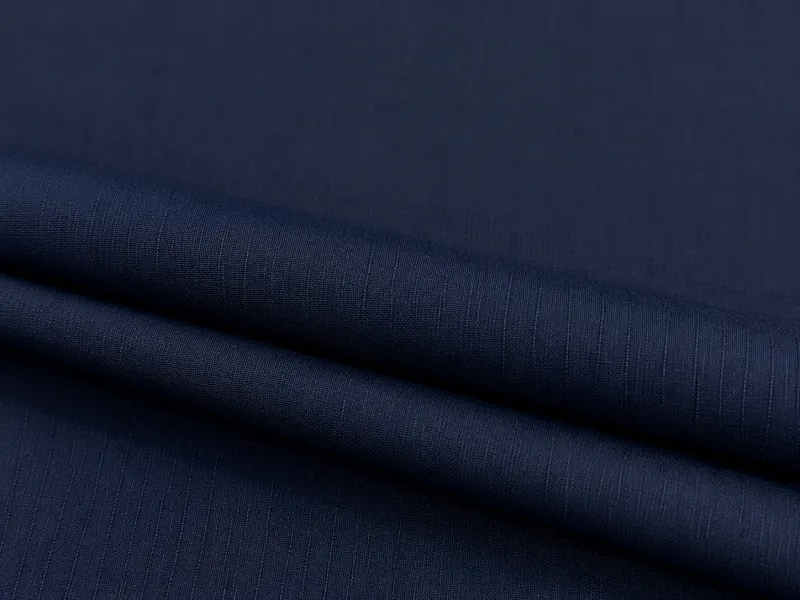
Arc Flash Protection Fabric
Advanced arc flash protective fabric for electrical safety clothing and utility uniforms.
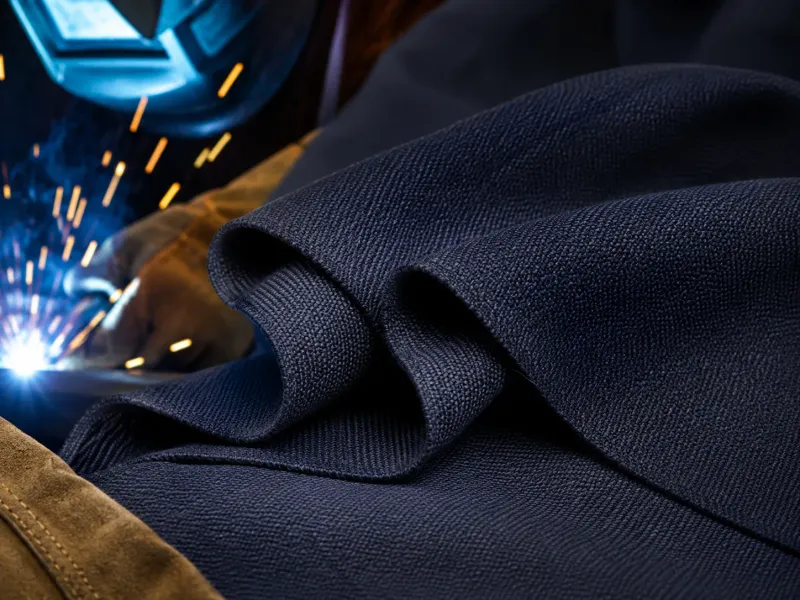
Welding Protective Fabric
Heat and spark resistant fabric designed for welding apparel and industrial protection.
Related Categories
Related Applications
Related Industries
Protective textiles engineered for flames, arc flash, welding, and chemical hazards.
Request a Workwear Fabric Quote