
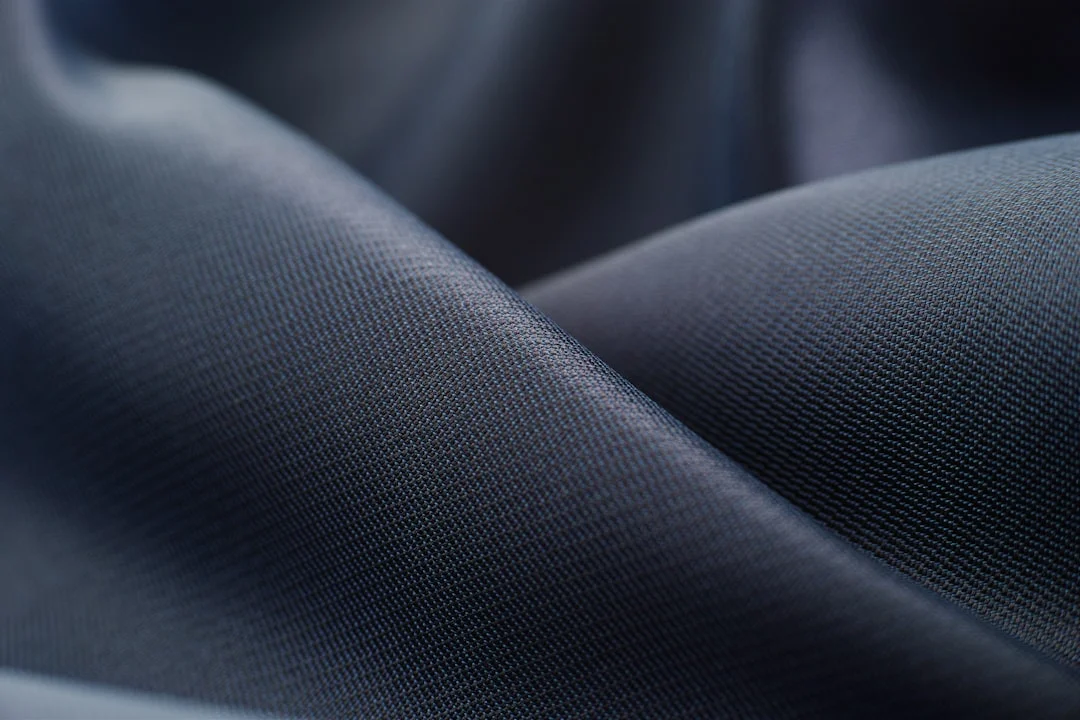
UPF 50+ in swimwear fabric means the material blocks more than 98% of ultraviolet radiation, allowing less than 2% of UV rays to penetrate. This rating represents the highest standard of sun protection in textile manufacturing and is particularly critical for swimwear where prolonged sun exposure is expected. Understanding UPF ratings helps manufacturers select appropriate materials and consumers make informed decisions about sun safety.
UPF Rating Standards & Testing Methodology
What UPF Measures
UPF (Ultraviolet Protection Factor) quantifies how much UV radiation penetrates fabric and reaches skin. Unlike SPF ratings used for sunscreen (which measure UVB only), UPF accounts for both UVA and UVB wavelengths (290-400 nm). Testing follows standardized protocols including AS/NZS 4399:2017, AATCC 183, and EN 13758-1.
Rating Scale & Protection Levels
The UPF scale defines protection categories:
| UPF Rating | UV Transmission | Protection Level | Radiation Blocked |
| 15-24 | 6.7-4.2% | Good | 93.3-95.8% |
| 25-39 | 4.1-2.6% | Very Good | 95.9-97.4% |
| 40-50+ | <2.5% | Excellent | >97.5% |
Fabrics rated UPF 50+ block a minimum of 98% of UV radiation, meaning only 1/50th of UV rays penetrate. This is the maximum rating assigned; fabrics testing above 50 are still labeled 50+.
Testing Process
Laboratory testing uses spectrophotometry to measure UV transmittance across the 290-400 nm spectrum. Samples are exposed to simulated solar radiation, and transmitted light is measured at multiple wavelengths. The testing protocol accounts for both dry and wet conditions, as water exposure can affect protection levels by 15-25% in some constructions.
Material & Construction Factors in Swimwear UPF
Fiber Composition Impact
UV protection in swimwear depends heavily on material composition. Our Swimwear Fabric uses 82% Polyester / 18% Elastane construction with inherent UV-blocking properties. Polyester molecules naturally absorb UV radiation in the 290-320 nm range, while tight fiber packing reduces gaps for light penetration.
Compared to cotton or untreated nylon, polyester-dominant blends achieve UPF 50+ more consistently because the polymer structure contains aromatic rings that intercept UV photons. This intrinsic protection remains stable through 50+ wash cycles, unlike topical UV-absorbing finishes that degrade over time.
Fabric Density & Weight
Higher fabric density correlates directly with UPF rating. Swimwear fabrics achieving UPF 50+ typically measure 180-240 GSM (grams per square meter). This weight range balances UV protection with comfort and quick-dry performance required for aquatic applications.
Key density specifications:
- Tight knit construction: Reduces inter-fiber spacing to <50 microns
- 4-way stretch retention: Maintains coverage during movement without compromising protection
- Width consistency: Standard 150 cm width ensures uniform UV blocking across the roll
Color & Dye Chemistry
Darker colors provide measurably higher UPF ratings than light shades. A black polyester swimwear fabric may test at UPF 100+, while white fabric of identical construction might rate UPF 30-40. This occurs because dyes absorb UV wavelengths that would otherwise transmit through fibers.
Our dyeing process for UV-protective swimwear uses disperse dyes with high UV absorption coefficients. Navy, black, and deep jewel tones consistently achieve the highest protection ratings, while maintaining Grade 4-5 color fastness to chlorine and saltwater exposure.
Performance Requirements for UPF 50+ Swimwear
Chlorine & Chemical Resistance
Swimwear UPF ratings must remain stable under chemical exposure. Pool chlorine concentrations of 2-4 ppm can degrade UV protection in poorly stabilized fabrics. Our Swimwear Fabric specification includes high chlorine resistance testing to AATCC 162, maintaining UPF 50+ after 100+ hours of chlorinated water immersion.
This durability stems from polyester's chemical stability and the use of UV stabilizers that bond chemically rather than mechanically to fiber surfaces. The result: consistent sun protection throughout the garment's functional lifespan, typically 2-3 seasons of regular use.
Stretch & Recovery Without Protection Loss
Elastane content in swimwear creates stretch that improves fit but can compromise UV blocking if fibers separate excessively. Our 4-way stretch construction maintains UPF 50+ even at 25-30% extension in both warp and weft directions.
Testing methodology includes measuring UPF under tension to simulate actual wear conditions. Fabrics must demonstrate:
- Unstretched UPF: ≥50+ at rest state
- Stretched UPF: ≥40 at 25% extension (still "Excellent" category)
- Recovery rate: >95% return to original density within 30 seconds
Wet vs. Dry Protection Stability
Water saturation affects UV transmission differently across fiber types. Cotton can lose 30-50% of its dry UV protection when wet, as water fills air gaps and allows more light transmission. Polyester-elastane swimwear experiences minimal change, typically <10% variation between dry and wet states.
We test both conditions following AS/NZS 4399 protocols. Our Swimwear Fabric maintains UPF 50+ in both dry and saturated states, providing consistent protection during and immediately after swimming. This performance is verified across the full 150 cm width of production rolls.
Manufacturing Specifications & Quality Control
Production Standards for UPF Swimwear
Achieving consistent UPF 50+ ratings across production runs requires rigorous process controls. Our manufacturing protocol includes:
- Fiber selection: Certified high-tenacity polyester with UV stabilizers integrated during polymerization
- Knitting tension: Calibrated to maintain 180-240 GSM density tolerance of ±5%
- Dye penetration: Controlled to ensure uniform UV absorption throughout fiber cross-section
- Batch testing: Every production lot undergoes spectrophotometric UV transmission testing
Minimum order quantities for custom UPF swimwear typically start at 500 meters per colorway, allowing for economical production while maintaining quality standards.
Testing & Certification Requirements
Third-party certification validates UPF claims and enables regulatory compliance in markets like Australia (AS/NZS 4399) and Europe (EN 13758). Testing requirements include:
| Test Parameter | Standard | Requirement for UPF 50+ |
| UV Transmittance | AATCC 183 | <2% across 290-400 nm |
| Wet Protection | AS/NZS 4399 | UPF ≥40 when saturated |
| Stretch Retention | ISO 14184-2 | <5% permanent deformation |
| Chlorine Fastness | AATCC 162 | Grade 4 minimum |
| Colorfastness (Light) | ISO 105-B02 | Grade 4-5 |
We maintain testing documentation for every production batch and provide full certification packages for B2B customers requiring regulatory compliance proof.
Comparison to Alternative Sun Protection Methods
UPF 50+ fabric offers distinct advantages over topical sunscreen for aquatic environments:
- Consistency: Fabric protection doesn't wash off, sweat off, or require reapplication
- Coverage: Provides uniform protection across covered areas without missed spots
- Duration: Maintains effectiveness for 2+ hours of continuous water exposure vs. 40-80 minutes for water-resistant sunscreen
- Environmental impact: Reduces chemical sunscreen release into marine ecosystems
As of 2026, regulatory pressure to reduce oxybenzone and octinoxate (reef-damaging chemicals) in coastal areas has increased demand for textile-based sun protection. UPF swimwear serves both personal protection and environmental responsibility requirements.
Application Contexts & Market Requirements
Sportswear & Performance Swimwear
Competitive swimmers, triathletes, and open-water athletes require UPF 50+ protection combined with hydrodynamic properties. Training sessions frequently exceed 3 hours of continuous sun exposure, making high-level UV blocking essential for skin health.
Our Swimwear Fabric specification addresses this market with high chlorine resistance and 4-way stretch that maintains compression without compromising UV protection. The 150 cm width accommodates pattern layouts for competition suits and training gear with minimal waste.
Children's Protective Swimwear
Pediatric UV protection standards are particularly stringent, as childhood sun exposure correlates strongly with melanoma risk in adulthood. UPF 50+ swimwear has become the regulatory baseline in Australia and New Zealand for children's aquatic apparel.
Compared to standard swimwear fabrics testing at UPF 15-25, our UPF 50+ material reduces cumulative UV exposure by roughly 75% over a typical summer season. This protection level meets or exceeds requirements in sun-safety-conscious markets globally.
Resort & Leisure Applications
Vacation and resort wear represents the largest volume segment for UPF swimwear. Extended beach and pool time—often 4-6 hours daily—creates sustained exposure that overwhelms even properly applied sunscreen.
Fashion brands targeting this market require:
- Wide color range: We support custom Pantone matching while maintaining UPF 50+
- Quick-dry performance: Fabric dries in <20 minutes after water exit
- Shape retention: >95% recovery after stretch prevents bagging and maintains fit
- Export compliance: Full documentation for US, EU, and Asia-Pacific regulatory requirements
Bulk orders for resort collections typically range from 2,000-10,000 meters per season, with lead times of 35-45 days from PO to port of export.
Frequently Asked Questions
Does UPF 50+ swimwear fabric provide the same protection when wet?
High-quality polyester-elastane swimwear maintains UPF 50+ protection in both dry and wet states, with less than 10% variation. Our Swimwear Fabric is tested under AS/NZS 4399 protocols to verify wet-state performance remains at or above UPF 40 (Excellent protection category). This stability occurs because polyester's UV-blocking properties are intrinsic to the fiber rather than dependent on air gaps that water might fill.
How long does UPF 50+ protection last in chlorinated pool water?
Properly manufactured UPF 50+ swimwear fabric maintains its protection rating through 100+ hours of chlorinated water exposure and 50+ launder cycles. Our fabric undergoes AATCC 162 chlorine fastness testing and retains Grade 4 performance, meaning UV protection degradation is minimal even with regular pool use. The polyester base fiber is chemically stable in typical pool chlorine concentrations of 2-4 ppm.
What is the difference between UPF and SPF ratings?
UPF (Ultraviolet Protection Factor) measures both UVA and UVB radiation blocked by fabric across the 290-400 nm spectrum, while SPF (Sun Protection Factor) measures only UVB protection in sunscreen products. UPF 50+ means the fabric blocks more than 98% of UV radiation, allowing less than 2% to reach skin. UPF testing uses standardized spectrophotometry methods (AATCC 183, AS/NZS 4399) that account for fabric density, fiber type, color, and construction.
Can stretched swimwear fabric lose its UPF 50+ rating?
Excessive stretching can reduce UV protection by separating fibers and creating larger gaps for light transmission. Quality UPF 50+ swimwear is engineered to maintain at least UPF 40 (Excellent protection) even at 25-30% extension in both directions. Our 4-way stretch Swimwear Fabric undergoes tensile UPF testing to verify protection under real-wear conditions. The 18% elastane content provides stretch without compromising the 82% polyester's UV-blocking density.
What minimum fabric weight is required to achieve UPF 50+ in swimwear?
UPF 50+ swimwear fabrics typically measure 180-240 GSM (grams per square meter) to achieve sufficient density while maintaining comfort and quick-dry performance. Lower weights may achieve UPF 50+ with darker colors or specialized UV-absorbing treatments, but 180+ GSM provides consistent protection across all color ranges and maintains rating stability through chlorine exposure, stretching, and laundering. Lighter fabrics under 150 GSM rarely achieve UPF ratings above 30-40 in swimwear-appropriate constructions.
Related Resources
Related Products (3)
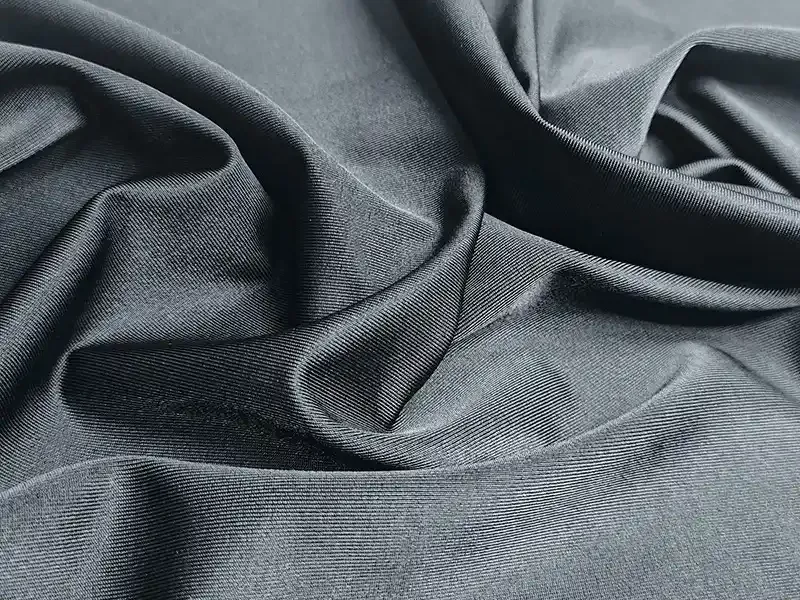
Swimwear Fabric
Chlorine-resistant, UPF 50+ four-way stretch swimwear fabric engineered for swimming costumes, swimsuits and performance beachwear.
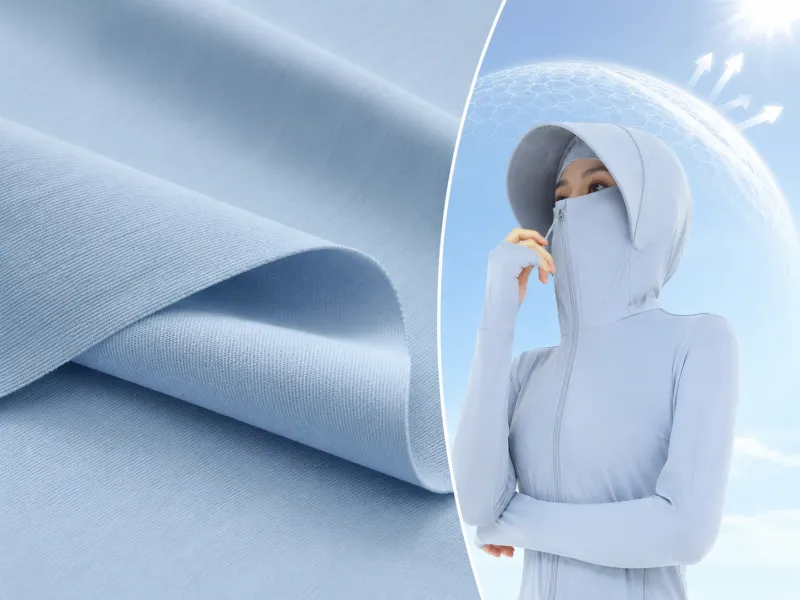
UV Protection Stretch Fabric
Stretch performance fabric combining flexibility, comfort and advanced UV protection.
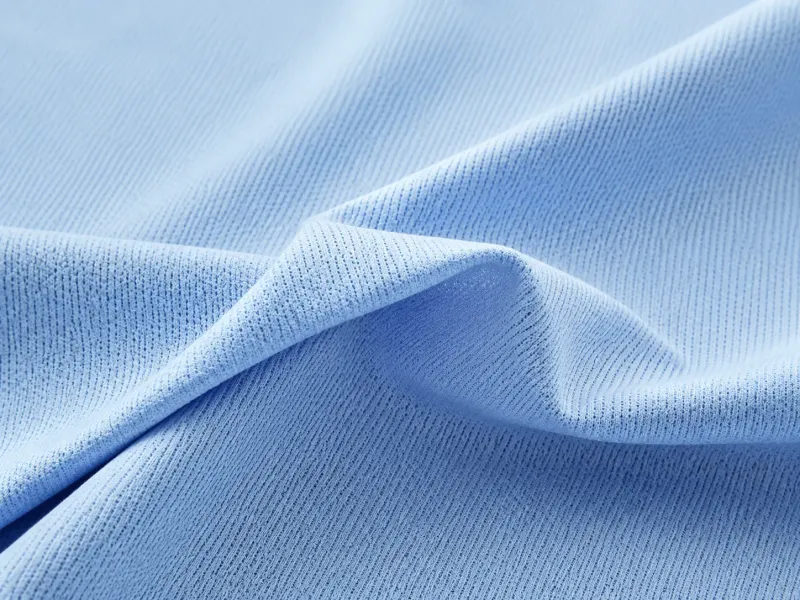
UPF 50+ Fabric
High-performance UPF 50+ fabric engineered to provide maximum ultraviolet protection for outdoor apparel and sun protection garments.
Related Categories
Related Applications
Related Industries
Understanding sun protection ratings and how UPF 50+ swimwear fabric blocks harmful UV radiation
Request UPF 50+ Swimwear Fabric Specifications