

Chlorine resistance testing determines whether a swimwear fabric keeps its stretch, color, and structural integrity after repeated exposure to pool chemicals. As of 2026, brands sourcing textiles for competitive swim clubs, resort pools, and fitness swimwear need documented proof a fabric survives real chlorinated water conditions — not just marketing copy. This guide walks through the exact steps we use when qualifying Swimwear Fabric for chlorine performance: the equipment involved, pass/fail benchmarks, and how results compare against standard uncoated polyester blends. Whether you're auditing a supplier or setting up your own QC line for bulk orders, these steps apply directly to sourcing decisions serving North America and Europe.
Why Chlorine Resistance Testing Matters
The Problem With Untested Swim Fabric
Standard chlorinated pool water is maintained at roughly 1-3 ppm free chlorine, but exposure is repeated daily and compounded by UV, sunscreen oils, and salt in outdoor pools. Untreated polyester-elastane blends can lose up to 25-30% of their stretch recovery within 60-90 days of regular pool use, and dye fading becomes visible after roughly 100 wash-and-swim cycles. Compared to a chlorine-engineered fabric, an untested generic knit degrades noticeably faster — we see returns and complaints spike once a batch has not been screened before cutting.
Standard Chlorine Resistance Test Methods
Lab Protocols We Reference
Chlorine resistance is typically evaluated using accelerated exposure standards such as AATCC 162 (colorfastness to chlorinated pool water) and ASTM D2765 for fiber degradation checks. Our QC checks each batch by immersing swatches in a chlorinated bath at 3 ppm concentration for 100 hours, cycling temperature between 26-30°C to simulate heated pool conditions, then measuring stretch recovery and grey-scale color change.
Key Specifications to Verify Before Bulk Order
What a Chlorine-Ready Spec Sheet Should Show
Our Swimwear Fabric is built as an 82% Polyester / 18% Elastane blend at 180-240 GSM, with 4-way stretch, high chlorine resistance, and UPF 50+ built into the base construction — not a post-application coating that washes out. Nylon-elastane and recycled options are available for buyers prioritizing sustainability alongside performance.
Compared to a general-purpose UV Protection Stretch Fabric (also 82/18 polyester-elastane, 180-260gsm) built primarily for sun exposure rather than sustained water immersion, the swim-specific yarn finish is what drives the chlorine performance difference — same base ratio, different fiber treatment.
Step-by-Step In-House Testing Protocol
How to Run Your Own Screening
We prep bulk kits every week for buyers who need pre-cut swatches shipped alongside spec sheets, so this same protocol can be replicated on your bench without specialized lab equipment. Standard sample lead time for swatch requests runs on our regular production queue, and we recommend testing before confirming order quantities in the 500-unit range or higher.
Benefits of Testing Before You Commit to Bulk Production
Why This Step Saves Money at Scale
Skipping chlorine testing and relying on a suppliers claim alone is a common shortcut — but unlike a documented 100-hour immersion result, an untested claim gives you no audit trail if a batch fails after cut-and-sew. Testing swatches first, before committing to a full roll order, catches recovery loss and color shift while the cost of correction is still low.
Frequently Asked Questions
What chlorine concentration should I use to test swimwear fabric?
A concentration of 3 ppm free chlorine at 26-30°C for 100 hours mirrors typical heated pool exposure and is a common accelerated-aging benchmark aligned with AATCC 162 colorfastness testing.
How do I know if a swimwear fabric has failed the chlorine test?
Compare exposed swatches to an unexposed control. A colorfastness grade below Grade 4 on the AATCC grey scale, or stretch recovery under 90% per ASTM D2594, indicates the fabric is not suitable for sustained pool use.
Does Swimwear Fabric need a separate coating for chlorine resistance?
No. Our 82% Polyester / 18% Elastane Swimwear Fabric is engineered with chlorine resistance built into the yarn and finish rather than a topical coating, which is why the performance holds up better than a post-treated generic blend over repeated exposure.
Can I request test swatches before placing a bulk order?
Yes. We regularly prepare swatch kits for buyers evaluating chlorine performance, UPF rating, and stretch recovery before confirming quantities, particularly for orders in the 500-unit range or higher.
Related Resources
Related Products (2)
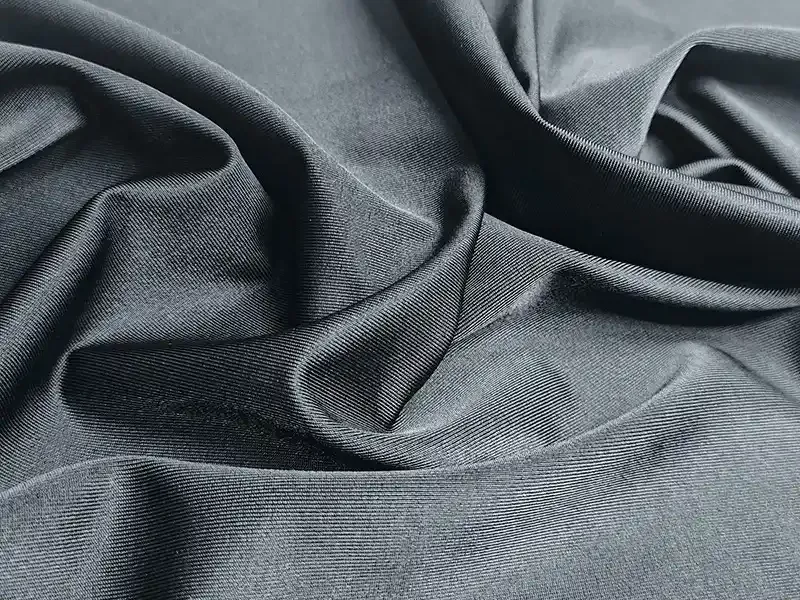
Swimwear Fabric
Chlorine-resistant, UPF 50+ four-way stretch swimwear fabric engineered for swimming costumes, swimsuits and performance beachwear.
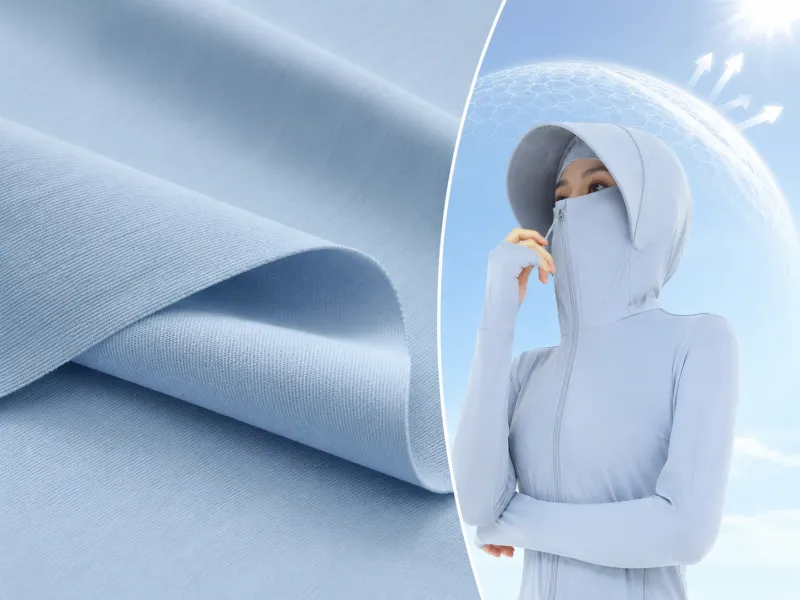
UV Protection Stretch Fabric
Stretch performance fabric combining flexibility, comfort and advanced UV protection.
Related Categories
Related Applications
Related Industries
A step-by-step lab and field protocol for qualifying swimwear textiles before bulk production
Request Chlorine Resistance Test Swatches