
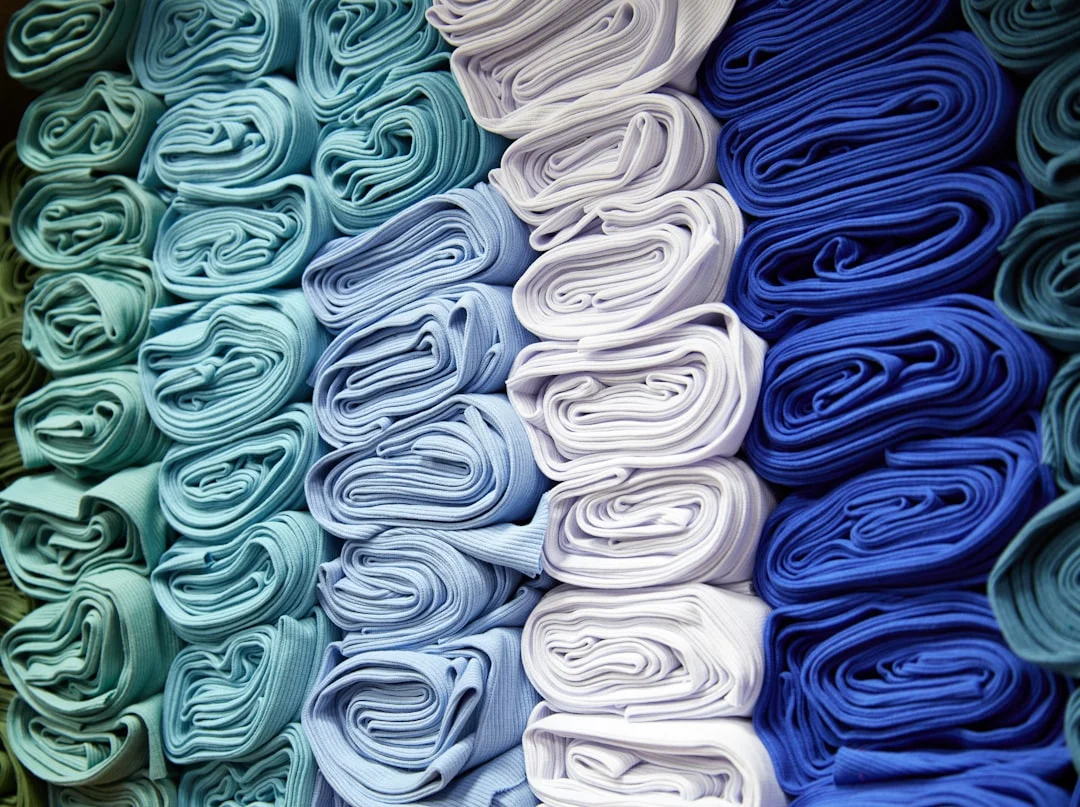
Swimwear fabric is one of the most technically demanding textile categories in the apparel industry. Engineered to perform in chlorinated pools, saltwater environments, and under direct UV exposure, it serves a far broader range of applications than most buyers initially expect. From competitive racing suits and recreational swimwear to rash guards, water polo uniforms, and aquatic fitness apparel, the right swimwear fabric is the foundation of any high-performance aquatic garment. As of 2026, the global swimwear market continues to demand fabrics that combine elite stretch recovery, chemical resistance, and sun protection — all in a single substrate. This guide breaks down exactly what swimwear fabric is used for, what technical specifications matter most, and how to source it at wholesale scale.
Primary Applications of Swimwear Fabric
Core End-Use Applications
Swimwear fabric is purpose-built for environments where standard apparel fabrics fail. Its unique composition — typically 82% Polyester / 18% Elastane — enables it to function reliably across a wide range of aquatic and outdoor applications.
Competitive & Recreational Swimwear
The most direct application is swimwear itself: one-piece suits, bikinis, trunks, and jammers. Competitive swimmers require fabrics with 4-way stretch for unrestricted movement and compression properties that reduce drag. Recreational swimmers prioritize comfort and color retention after repeated pool exposure.
Rash Guards & Sun-Protective Swimwear
Rash guards account for a rapidly growing segment. These garments rely on swimwear fabric's UPF 50+ rating — blocking more than 98% of UVA/UVB radiation — to protect surfers, paddlers, snorkelers, and beach athletes from prolonged sun exposure. Compared to standard cotton T-shirts (which typically offer UPF 5–15), a UPF 50+ swim fabric provides roughly 3–10× greater UV protection in wet conditions.
Water Sports & Aquatic Fitness Apparel
- Triathlon suits (combining swim, cycle, and run in one garment)
- Water polo uniforms requiring high durability against grabbing and chlorine
- Aqua aerobics and aquatic therapy garments
- Competitive diving suits
Wholesale Application Summary
| Application | Key Fabric Requirement | Typical GSM Range |
| Competitive swimwear | 4-way stretch, compression | 180–200 GSM |
| Rash guards | UPF 50+, quick-dry | 180–220 GSM |
| Water polo uniforms | Chlorine resistance, durability | 200–240 GSM |
| Triathlon suits | Stretch + moisture wicking | 180–210 GSM |
| Aquatic fitness | Comfort stretch, color fastness | 190–240 GSM |
Technical Properties That Define Swimwear Fabric
What Makes Swimwear Fabric Technically Unique
Understanding what swimwear fabric is used for requires understanding why its technical profile differs from standard activewear or outdoor fabric. Each property directly enables a specific set of end-use applications.
Key Specifications
- Composition: 82% Polyester / 18% Elastane (Nylon-Elastane and Recycled options available)
- Weight: 180–240 GSM — heavy enough for shape retention, light enough for performance
- Stretch: 4-Way Stretch (both warp and weft directions)
- Chlorine Resistance: High — maintains integrity after 200+ hours of pool exposure where lower-grade fabrics begin to degrade within 50 hours
- UV Protection: UPF 50+ (blocks >98% of UVA/UVB radiation)
- Width: 150 cm standard roll width for efficient pattern cutting
Chlorine Resistance: The Critical Differentiator
Pool water typically contains 1–3 ppm free chlorine, which aggressively degrades standard elastane and polyester blends. High-grade swimwear fabric uses polyester-based elastane systems that resist oxidation, preventing the fabric from becoming brittle, discolored, or misshapen. This is why swimwear fabric is not interchangeable with standard stretch jersey for pool applications.
Stretch & Recovery Performance
4-way stretch means the fabric extends comfortably in all directions — essential for dive entries, flip turns, and overhead stroke mechanics. High recovery (>90% shape retention after repeated stretching) ensures garments maintain their fit and compression profile across an entire season of use.
Comparison: Swimwear Fabric vs. Standard Activewear Fabric
| Property | Swimwear Fabric | Standard Activewear Fabric |
| Chlorine resistance | High | Low–Medium |
| UV protection | UPF 50+ | UPF 15–30 (typical) |
| Water absorption | Very low | Medium |
| Stretch direction | 4-Way | 2-Way or 4-Way |
| Salt/chlorine color fastness | Grade 4–5 | Grade 3–4 |
Swimwear Fabric in Sustainable & Recycled Product Lines
The Shift Toward Recycled Swimwear Materials
As of 2026, sustainability requirements from global brands and retailers have made recycled-content swimwear fabric a mainstream sourcing priority rather than a niche option. Brands launching eco-conscious swimwear lines frequently specify GRS-certified recycled nylon or RPET blends as a baseline requirement.
Recycled Options Available
Recycled Nylon-Elastane and Recycled Polyester-Elastane blends deliver the same core performance profile as virgin swimwear fabric:
- Chlorine resistance: Maintained at high level in recycled blends
- UPF protection: UPF 50+ achievable in both virgin and recycled compositions
- 4-Way Stretch: Preserved in recycled elastane systems
- GRS Traceability: Full Chain of Custody (COC) documentation from post-consumer waste to finished fabric roll
Why This Matters for Swimwear Brands
Unlike recycled content in woven outerwear — where performance tradeoffs are minimal — swimwear demands that recycled fibers meet strict stretch and chemical resistance benchmarks. We batch-test recycled swimwear fabrics against the same chlorine-resistance and stretch-recovery standards as virgin material before any wholesale order ships.
Application Fit for Recycled Swimwear Fabric
- Eco-label swimwear collections (beach, resort, competitive)
- Sustainable rash guards and surf apparel
- Private-label swimwear for brands with environmental commitments
- Export-quality swimwear for European and North American markets with sustainability disclosure requirements
For brands targeting the Sustainable Fashion Industry or the Sportswear & Fitness Industry, recycled swimwear fabric is a commercially viable, performance-equivalent alternative to virgin material.
Beyond Swimwear: Expanded Applications for Swim-Grade Fabric
Unexpected Applications Enabled by Swimwear Fabric's Properties
Because swimwear fabric combines UV resistance, stretch, chemical resistance, and low water absorption, it is increasingly specified for applications outside traditional swimwear. Designers and product developers frequently use it where standard stretch fabrics cannot meet environmental exposure requirements.
Expanded Use Cases
- Athletic Leisurewear: Swim-to-street garments that transition from pool to casual wear — the 150 cm width and tight knit structure support clean finishing on fitted silhouettes
- Dance & Stage Costumes: The high stretch and compression properties suit dancewear, gymnastics leotards, and stage performance apparel that requires freedom of movement under stage lighting (which generates significant UV and heat)
- Medical & Aquatic Therapy Garments: Water-based rehabilitation programs use swimwear fabric for therapeutic suits where chlorine resistance and shape retention reduce replacement frequency — a typical hospital or rehab facility replaces garments every 3–6 months under daily pool use
- Sports Compression Garments: UPF 50+ and 4-way stretch make this fabric suitable for outdoor compression sleeves, cycling bibs, and triathlon base layers
- Resort & Lifestyle Apparel: Coverups, kaftans, and beach pants cut from swimwear fabric weight (180–240 GSM) hold structure while remaining packable
Fabric Width & Production Efficiency
| Roll Width | Garment Type | Cut Efficiency |
| 150 cm | One-piece suits, shorts, leotards | High (minimal waste) |
| 150 cm | Rash guards, rashvests | High |
| 150 cm | Compression shorts & briefs | Very high (nesting) |
The standard 150 cm width is optimized for swimwear pattern nesting, reducing fabric waste by approximately 15–20% compared to cutting from narrower 130 cm rolls.
Sourcing Swimwear Fabric at Wholesale Scale
Wholesale & Bulk Sourcing Considerations
For brands, manufacturers, and private-label buyers sourcing Swimwear Fabric at volume, several sourcing factors directly affect product quality and production economics.
What to Specify When Ordering
- Composition: Virgin 82/18 polyester-elastane vs. recycled nylon-elastane blend
- GSM target: 180 GSM for lighter racing cuts; 220–240 GSM for structured swimwear or aquatic fitness
- Color fastness requirements: Specify resistance to chlorine, salt water, and perspiration — Grade 4–5 is the current industry standard for export-quality swimwear
- UPF certification: Confirm UPF 50+ test reports are available for rash guard or sun-protective applications
- Roll format: 150 cm wide rolls, standard or folded, depending on cutting room setup
Recycled vs. Virgin Swimwear Fabric: Key Trade-offs
| Factor | Virgin Polyester-Elastane | Recycled Nylon-Elastane |
| Environmental profile | Standard | Reduced carbon footprint |
| GRS certification | Not applicable | Available (COC documented) |
| Chlorine resistance | High | High |
| Stretch performance | 4-Way | 4-Way |
| Suitable for eco-labels | No | Yes |
Export & Global Supply
Our swimwear fabric is produced and shipped to brands and manufacturers across North America, Europe, and Asia-Pacific. Export documentation, fabric test reports (UPF, chlorine resistance, stretch recovery), and material safety data are available for all wholesale orders. We run QC checks on each production batch, verifying GSM, stretch percentage, and color fastness before rolls are shipped.
For buyers also exploring related performance categories, our UV Protection Stretch Fabric (82% Polyester / 18% Elastane, UPF 50+, 180–260 GSM) and Moisture Wicking Stretch Fabric (82% Polyester / 18% Elastane, 4-Way Stretch, OEKO-TEX certified) offer complementary options for activewear and outdoor apparel lines.
Frequently Asked Questions
What is swimwear fabric primarily used for?
Swimwear fabric is primarily used for garments that must perform in aquatic environments: competitive swimwear, recreational swim suits, rash guards, water polo uniforms, triathlon suits, and aquatic fitness apparel. Its 82% Polyester / 18% Elastane composition, combined with high chlorine resistance and UPF 50+ UV protection, makes it uniquely suited to pool and open-water use cases where standard stretch fabrics would degrade rapidly.
Can swimwear fabric be used for non-swim applications like activewear or dancewear?
Yes. Swimwear fabric's 4-way stretch, compression properties, and UV protection (UPF 50+) make it well-suited for gymnastics leotards, dance costumes, compression shorts, outdoor compression sleeves, and beach lifestyle apparel. The 180–240 GSM weight range gives it enough body for structured garments while remaining flexible. It is particularly useful when garments need to transition between aquatic and dry environments.
What makes swimwear fabric chlorine-resistant, and why does it matter?
Chlorine resistance in swimwear fabric comes from the polyester-dominant composition and the use of polyester-compatible elastane systems that resist oxidative degradation. Pool water contains 1–3 ppm free chlorine, which breaks down lower-grade elastane fibers within approximately 50 hours of exposure. High-grade swimwear fabric maintains its stretch, shape, and color after significantly longer pool use — critical for competitive athletes and aquatic therapy programs where garments are used daily.
Is recycled swimwear fabric available, and does it perform as well as virgin material?
Recycled swimwear fabric options — including recycled nylon-elastane and RPET-elastane blends — are available and deliver equivalent core performance: 4-way stretch, high chlorine resistance, and UPF 50+ protection. GRS (Global Recycled Standard) certified options include full Chain of Custody documentation, making them suitable for brands with sustainability labeling requirements. As of 2026, recycled swimwear fabric is a commercially mainstream choice for eco-label swimwear collections in North America and Europe.
What GSM should I specify for swimwear fabric depending on the application?
The appropriate GSM depends on the end application. For competitive racing suits where minimum drag and maximum stretch are priorities, 180–200 GSM is typical. For structured recreational swimwear, rash guards, and water polo uniforms where durability and shape retention are prioritized, 200–240 GSM is more appropriate. FuncFabric's Swimwear Fabric is available across the full 180–240 GSM range, customizable to your specific performance and construction requirements.
Related Resources
Related Products (3)
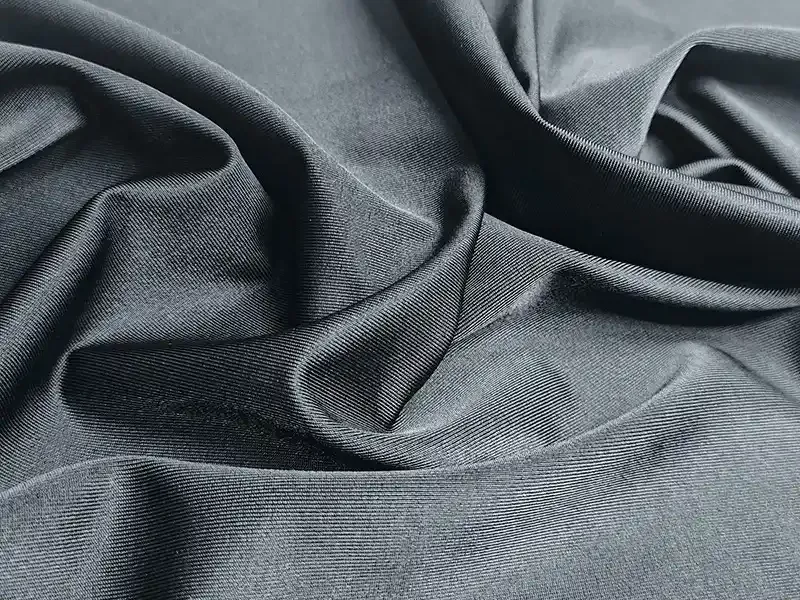
Swimwear Fabric
Chlorine-resistant, UPF 50+ four-way stretch swimwear fabric engineered for swimming costumes, swimsuits and performance beachwear.
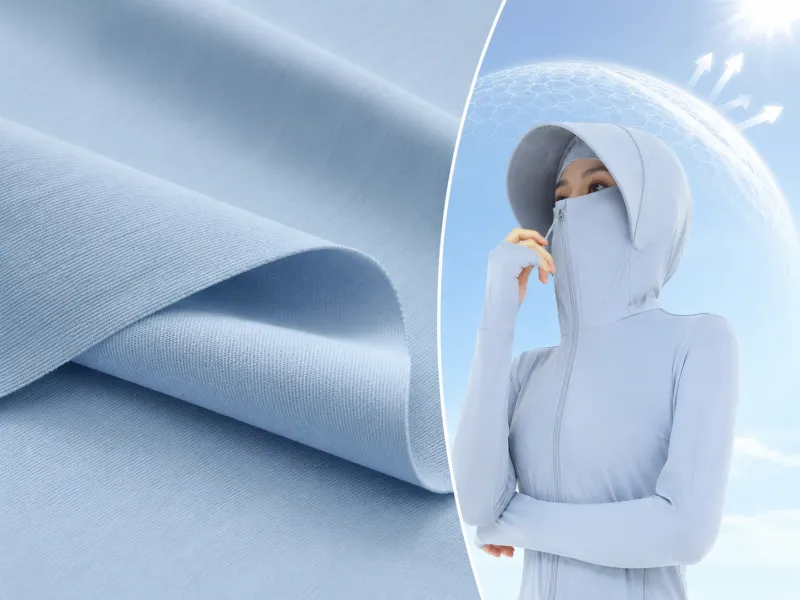
UV Protection Stretch Fabric
Stretch performance fabric combining flexibility, comfort and advanced UV protection.
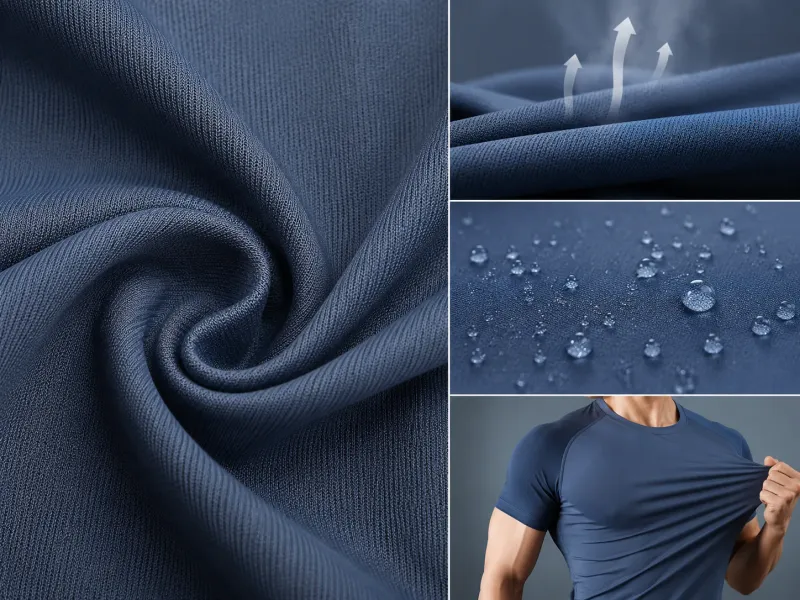
Moisture Wicking Stretch Fabric
Stretch performance fabric combining elasticity and moisture management for activewear.
Related Applications
Related Industries
Explore the key applications, technical properties, and wholesale sourcing insights for modern swimwear fabric
Request a Swimwear Fabric Sample or Wholesale Quote