
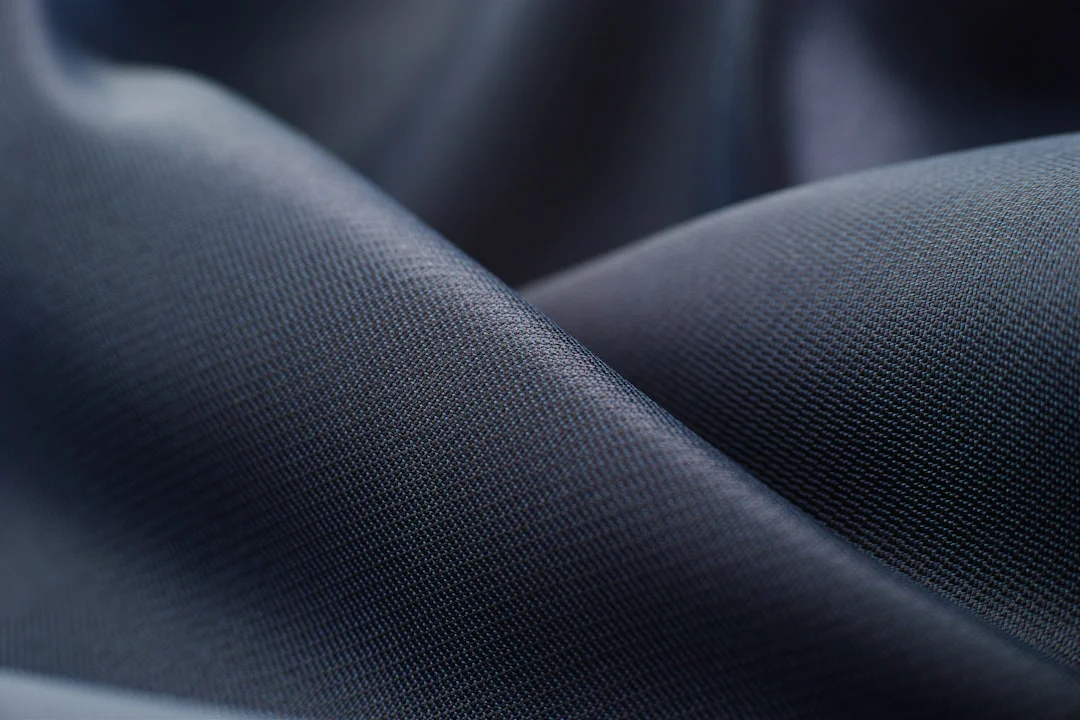
Sweat wicking fabric for sportswear is the foundational performance specification that separates functional athletic apparel from basic clothing. As of 2026, the global activewear market demands fabrics that move moisture away from skin at measurable speeds — not just claim to do so. At FuncFabric, we manufacture and supply a complete range of moisture-management textiles for sportswear brands, OEM activewear producers, and wholesale buyers across North America, Europe, and export markets worldwide. Our wicking fabrics are engineered with verified AATCC 195 test data, available in weights from 90 GSM to 260 GSM, and offered in both virgin polyester and GRS-certified recycled RPET constructions. Whether you are sourcing for running kits, compression tights, team uniforms, or performance base layers, this guide covers everything you need to evaluate and specify the right wicking fabric for your product line.
Why Moisture Wicking Performance Is Non-Negotiable in Modern Sportswear
The Problem: Standard Fabrics Trap Sweat and Reduce Athletic Performance
During moderate-intensity exercise, the human body can produce 0.5–2 liters of sweat per hour. Fabrics that absorb and retain this moisture become heavy, cold, and abrasive — directly impairing comfort, thermoregulation, and performance. Cotton, for example, absorbs up to 27 times its weight in water and dries slowly, making it unsuitable for most active applications.
Compared to cotton or standard polyester, technically engineered wicking fabrics transport sweat to the outer fabric surface for rapid evaporation, keeping the skin dry. In controlled wear trials, athletes reported a perceived comfort improvement of over 40% when switching from cotton to high-performance wicking polyester during sustained cardio workouts.
The Solution: Engineered Capillary Wicking Technology
High-performance sweat wicking fabric for sportswear works through two primary mechanisms:
- Capillary action — micro-channel fiber structures or special knit constructions that draw moisture away from skin via surface tension differentials
- Rapid evaporation surface — a wider outer face or treated finish that maximizes moisture vapor transfer rate (MVTR)
As of 2026, the current industry standard for wicking speed is < 30 seconds contact-to-spread time (AATCC 195), with premium constructions achieving < 15 seconds. FuncFabric's Moisture Wicking Mesh Fabric achieves a verified wicking speed of < 15 seconds and air permeability > 500 mm/s (ISO 9237), making it one of the fastest-drying constructions available at wholesale scale.
| Fabric Type | Wicking Speed (AATCC 195) | Drying Speed | Typical GSM |
| Cotton jersey | > 120 seconds | Slow | 150–200 |
| Standard polyester | 45–60 seconds | Moderate | 130–180 |
| Performance wicking polyester | < 30 seconds | Rapid | 130–220 |
| Wicking mesh (open structure) | < 15 seconds | Very rapid | 90–150 |
Wicking Fabric Constructions: Choosing the Right Structure for Your Application
Key Fabric Constructions We Supply
Not all wicking fabrics perform equally — the knit structure, fiber blend, and GSM weight have a direct impact on moisture management, stretch, and hand-feel. Below is a comparison of the main constructions available from FuncFabric for sportswear applications.
| Construction | Best For | GSM Range | Stretch | Wicking Performance |
| Single Jersey (wicking) | Base layers, T-shirts, running tops | 140–220 GSM | 2-Way / 4-Way | High |
| Interlock Knit | Compression, yoga, fitted tights | 160–220 GSM | 4-Way | High |
| Open Mesh / Raschel | Jerseys, panels, ventilation zones | 90–150 GSM | 2-Way / 4-Way | Very High |
| Stretch Interlock (Elastane blend) | Compression & performance tights | 160–220 GSM | 4-Way (25–50%) | High |
Featured Constructions
PLACEHOLDER0
- Construction: Single Jersey Knit (1×1)
- Composition: 100% Recycled Polyester (RPET) or Virgin Polyester
- Weight: 140–220 GSM (customizable)
- Wicking Height: > 8 cm in 30 minutes (AATCC 197)
- Width: 160–180 cm rolled or folded
- Ideal for running tops, training tees, and team jersey bodies
PLACEHOLDER1
- Material: 82% Polyester / 18% Elastane (or 90/10 blend)
- Weight: 160–220 GSM
- Stretch: 4-Way, 25–50% elongation
- Recovery: > 95% shape retention after repeated stretch cycles
- Wicking Speed: Rapid dry, < 30 seconds contact time
- Certifications: OEKO-TEX, REACH compliant
- Ideal for compression tights, yoga pants, fitted activewear
PLACEHOLDER2
- Construction: Raschel Weft Knit or Single Jersey Mesh
- Weight: 90–150 GSM (ultra-lightweight)
- Air Permeability: > 500 mm/s (ISO 9237)
- Wicking Speed: < 15 seconds (AATCC 195)
- Ideal for sports jerseys, ventilation inserts, football/basketball kits
PLACEHOLDER3
- Material: 100% Polyester (Virgin or Recycled RPET)
- Weight: 130–200 GSM (customizable)
- Drying Speed: < 20 seconds (rapid evaporation)
- Width: 160–180 cm
- Ideal for swimwear crossover, multi-sport, and high-sweat-rate applications
Sustainable & Recycled Wicking Fabrics: GRS-Certified RPET Options
Sustainability Is Now a Performance Specification
As of 2026, over 65% of major sportswear brands have published sustainability commitments requiring recycled content in fabric sourcing. Buyers sourcing sweat wicking fabric for sportswear increasingly specify GRS-certified RPET as a baseline requirement — not an add-on.
FuncFabric supplies a full range of recycled-content wicking fabrics with verified chain-of-custody documentation, manufactured from post-consumer PET bottles and traceable recycled nylon streams.
Recycled Wicking Fabric Specifications
| Product | Recycled Content | GRS Certified | Weight (GSM) | Performance |
| [RPET Sports Fabric](/products/rpet-sports-fabric/) | 100% RPET (post-consumer PET bottles) | Yes | 130–240 | Wicking / Quick-Dry / 4-Way Stretch |
| [Sustainable Activewear Fabric](/products/sustainable-activewear-fabric/) | 85–100% (RPET / Recycled Nylon) | Yes | 140–260 | 4-Way Stretch, Moisture Wicking, Quick-Dry |
| [Recycled Performance Fabric](/products/recycled-performance-fabric/) | 100% RPET or Recycled Nylon Blends | Yes | 140–280 | 4-Way Stretch, Wicking, High Abrasion Resistance |
| [Recycled Polyester Fabric](/products/recycled-polyester-fabric/) | 100% RPET | Yes | 120–280 | Wicking, Quick-Dry, High Tensile Strength |
Why GRS Certification Matters for Wholesale Buyers
- Full Chain of Custody (COC) documentation from post-consumer waste to finished fabric roll — required by most tier-1 retail compliance programs
- Independently audited recycled content: 20%–100% verified (not self-declared)
- Enables brands to substantiate "made from recycled materials" claims without greenwashing risk
- GRS-certified fabrics carry the same or superior wicking and stretch performance as virgin polyester equivalents — unlike early-generation recycled fabrics that traded performance for sustainability
Compared to conventional virgin polyester wicking fabrics, our GRS-certified RPET constructions reduce CO₂ emissions by approximately 32% per kilogram of fabric (industry lifecycle assessment benchmark), while maintaining wicking speeds of < 30 seconds and 4-way stretch recovery > 95%.
Advanced Performance Features: Beyond Basic Moisture Wicking
Combining Wicking with Antimicrobial Odor Control
High-intensity sportswear generates both sweat and the bacterial growth that causes persistent odor. A wicking-only fabric removes moisture but does not address the ≥ 99% bacterial colonization that occurs on fabric surfaces within 4 hours of heavy exercise. FuncFabric's Antibacterial Moisture Wicking Fabric combines silver ion antimicrobial treatment with rapid moisture transport in a single construction:
- Material: 100% Recycled Polyester (RPET) with Silver Ion Treatment
- Antibacterial Rate: ≥ 99% (against E. coli & S. aureus)
- Wicking Speed: < 25 seconds (AATCC 195)
- Weight: 150–220 GSM
- Wash Durability: Verified against AATCC 61 wash protocol
For buyers who need comprehensive odor management alongside wicking, the Odor Resistant Sports Fabric offers advanced antimicrobial/odor-neutralizing finish (silver ion or zinc-based) with:
- Antibacterial rate ≥ 99% (S. aureus, B. subtilis, E. coli)
- Wash durability: ≥ 30–50 industrial wash cycles (AATCC 61)
- Weight range: 130–220 GSM
Wicking + UV Protection for Outdoor Sports
For running, cycling, tennis, and other outdoor sports, UV protection integrated at the fabric level eliminates the need for separate sunscreen application during activity. Our wicking fabrics with UPF performance include:
| Product | UPF Rating | Wicking | GSM | Stretch |
| [UV Protection Stretch Fabric](/products/uv-protection-stretch-fabric/) | UPF 50+ (blocks > 98% UVA/UVB) | High | 180–260 | 4-Way |
| [Sun Protective Apparel Fabric](/products/sun-protective-apparel-fabric/) | UPF 50+ (blocks > 98% UVA/UVB) | Quick-Dry / Wicking | 80–140 | Moderate |
Key Feature Summary for Sportswear Buyers
- 4-Way Stretch: Warp and weft elongation 25–50%, recovery > 95% — essential for unrestricted athletic movement
- Color Fastness: Grade 4–5 (ISO 105-C06 washing / ISO 105-B02 light) — colors remain stable through repeated sport wash cycles
- Width: 160–180 cm standard — reduces cutting waste in high-volume production runs
- Weight Options: 90 GSM (mesh panels) to 260 GSM (compression) — covers the full sportswear spectrum in a single supplier relationship
Wholesale, OEM & Custom Sportswear Fabric Sourcing
Serving Sportswear Brands and Manufacturers Globally
FuncFabric supplies sweat wicking fabric for sportswear to wholesale buyers, OEM activewear manufacturers, private-label brands, and technical apparel developers across North America, Europe, Asia-Pacific, and emerging export markets. We prep and dispatch fabric rolls every week across all major wicking constructions.
What We Offer for Bulk & OEM Buyers
- Custom GSM: All fabrics available in customized weight ranges — dial in the exact hand-feel and performance balance your product line requires
- Custom Width: Standard 160–180 cm; wider cuts available on request for industrial cutting tables
- Custom Color: Full-roll dyeing to Pantone or customer-supplied color standard; color fastness Grade 4–5 verified
- Custom Composition: Adjust polyester/elastane ratios (e.g., 82/18, 90/10) or incorporate recycled content percentages (85%–100% RPET) to meet brand specifications
- Certification Support: GRS Chain of Custody, OEKO-TEX Standard 100, REACH compliance documentation provided with shipment
- Sampling Program: Development samples available before bulk commitment — we QC-check each batch before dispatch
Fabric Roll Specifications
| Specification | Standard | Custom Option |
| Roll Width | 160–180 cm | Up to 250 cm |
| Roll Length | ~50–100m per roll | Negotiable for bulk |
| Packaging | Rolled or folded on tube | As per buyer spec |
| Labeling | Standard care label | Custom woven / printed label |
| Certification Docs | GRS COC, test reports | Full compliance package |
Export & Logistics
We export wicking fabrics globally with full documentation support including commercial invoices, packing lists, certificates of origin, and third-party test reports. Shipments are available by container (LCL and FCL) and air freight for urgent development orders. Our QC team inspects each batch for dimensional stability, wicking performance, and color consistency before release.
For the Sportswear & Activewear sector specifically, we recommend specifying fabric with both wicking (AATCC 195) and stretch-recovery (> 95% after 50 cycles) test data — these two parameters together predict real-world garment durability more reliably than any single figure.
Frequently Asked Questions
What is the difference between moisture wicking and quick-dry fabric for sportswear?
Moisture wicking and quick-dry describe two stages of the same process, but they are not identical. Wicking refers to the fabric's ability to transport sweat away from the skin surface to the outer face of the fabric — measured by AATCC 195 (wicking speed) and AATCC 197 (vertical wicking height). Quick-dry refers to how rapidly that transferred moisture evaporates from the outer fabric surface. A fabric can wick quickly but dry slowly if it has a dense, low-permeability outer structure. For sportswear, you want both properties: wicking speed < 30 seconds and a drying time < 20 seconds. FuncFabric's Quick Dry Sports Fabric achieves both, with verified drying speed < 20 seconds and high moisture transport. When specifying fabric, always request test data for both parameters — not just marketing claims.
What GSM should I choose for different sportswear categories?
GSM selection depends on the garment type, climate, and performance priority. As a general guide: 90–130 GSM is appropriate for mesh panels, sport jerseys, and hot-weather kits where maximum airflow is the priority. 130–180 GSM covers the widest range of applications including running tops, training tees, and general activewear — this is the most common wholesale range. 180–220 GSM suits yoga, fitted training wear, and light compression garments where more body coverage and opacity are required. 220–260 GSM is used for compression tights and performance base layers where moderate compression and high shape retention matter most. FuncFabric offers all these ranges in wicking constructions, and we can customize GSM within ±10 GSM for bulk OEM orders.
Are GRS-certified recycled wicking fabrics as performance-effective as virgin polyester?
Yes — as of 2026, GRS-certified RPET wicking fabrics at FuncFabric achieve equivalent or near-identical performance to virgin polyester constructions of the same GSM and knit structure. Our RPET Sports Fabric (130–240 GSM) and Sustainable Activewear Fabric (140–260 GSM) both deliver 4-way stretch with > 95% shape recovery and moisture wicking performance verified by AATCC 195. The recycled content is sourced from post-consumer PET bottles and audited through a full Chain of Custody (COC) process under the Global Recycled Standard (GRS). Early-generation recycled polyester fabrics had inconsistencies in pill resistance and color uptake — current generation RPET fabrics manufactured with proper fiber sorting and processing have closed that gap substantially.
What certifications should I require when sourcing sweat wicking fabric for sportswear?
For sportswear applications, the most practically important certifications and test standards to require from a supplier are: AATCC 195 (wicking speed — request the actual numeric result, not just a pass/fail), OEKO-TEX Standard 100 (confirms the fabric is free from harmful substances — essential for skin-contact garments), REACH compliance (required for EU market access), and GRS Chain of Custody documentation if your brand specifies recycled content. For antimicrobial wicking fabrics, additionally request AATCC 100 or AATCC 61 wash durability data to confirm the antibacterial finish persists through ≥ 30–50 industrial wash cycles. FuncFabric provides full test reports with each bulk shipment, and development samples include relevant test data sheets for buyer evaluation.
Can FuncFabric produce custom wicking fabrics for private-label or OEM sportswear brands?
Yes. FuncFabric supports full OEM and private-label fabric development for sportswear brands. Customization options include: composition adjustments (e.g., polyester/elastane ratio, RPET content percentage), GSM targeting within each construction family, custom dyeing to Pantone or buyer-supplied color standard with Grade 4–5 color fastness verification, custom width cuts, and add-on performance finishes such as silver ion antimicrobial treatment or UV absorbers for UPF 50+ rating. We also support custom fabric labeling and compliance documentation packaging for brands requiring retail-ready material certificates. Development typically begins with a sampling stage where we QC-check each sample batch before submission. Contact our technical team to discuss your specific performance brief.
Related Resources
Related Products (3)
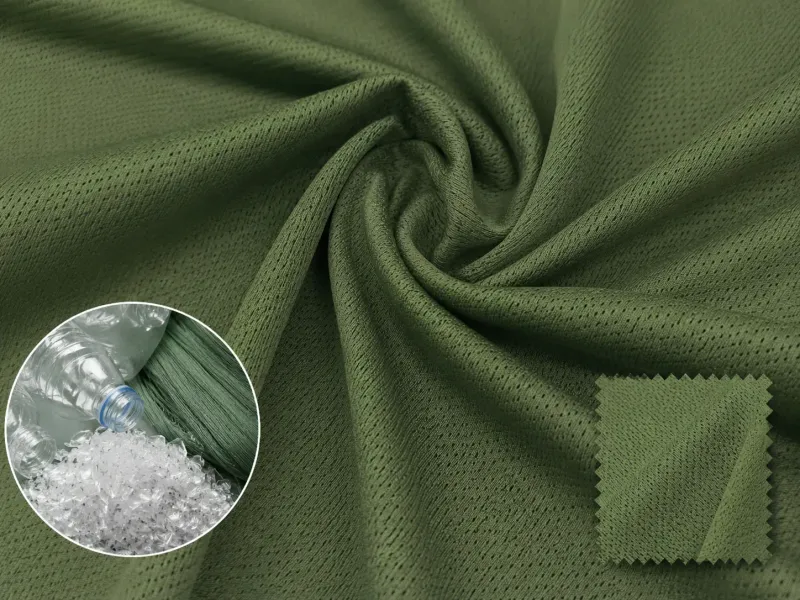
RPET Sports Fabric
Eco-friendly RPET sports fabric designed for activewear brands seeking sustainable performance textiles.
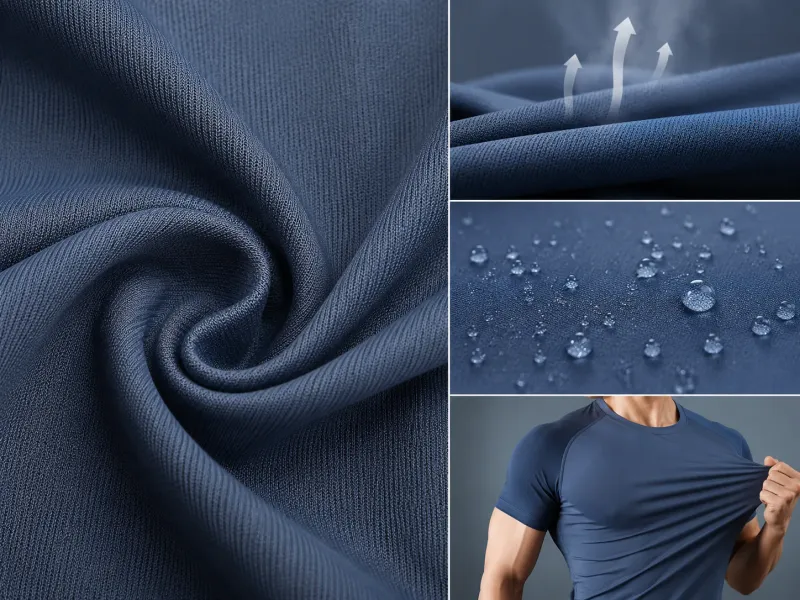
Moisture Wicking Stretch Fabric
Stretch performance fabric combining elasticity and moisture management for activewear.
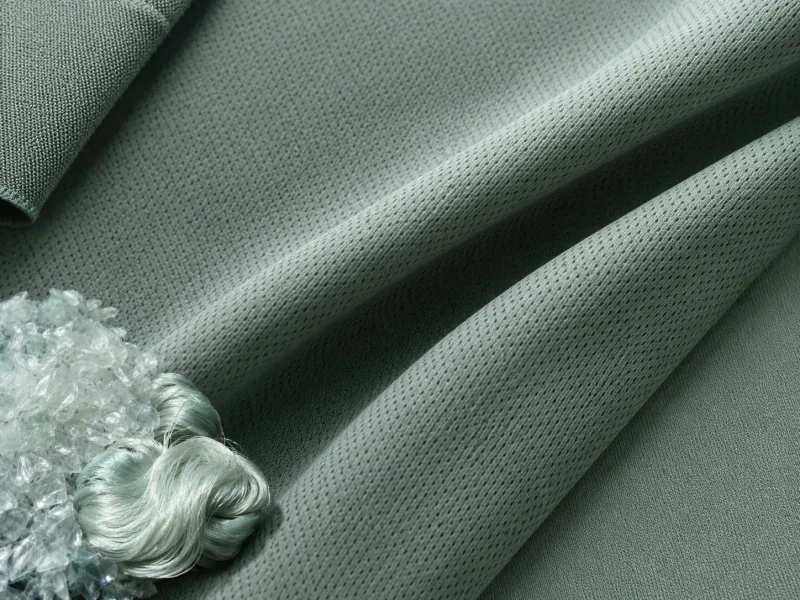
Sustainable Activewear Fabric
Sustainable performance fabric combining recycled materials with modern athletic apparel requirements.
Related Categories
Related Applications
Related Industries
Export-grade moisture management fabrics engineered for high-intensity athletic performance
Request Samples or a Wholesale Quote Today