
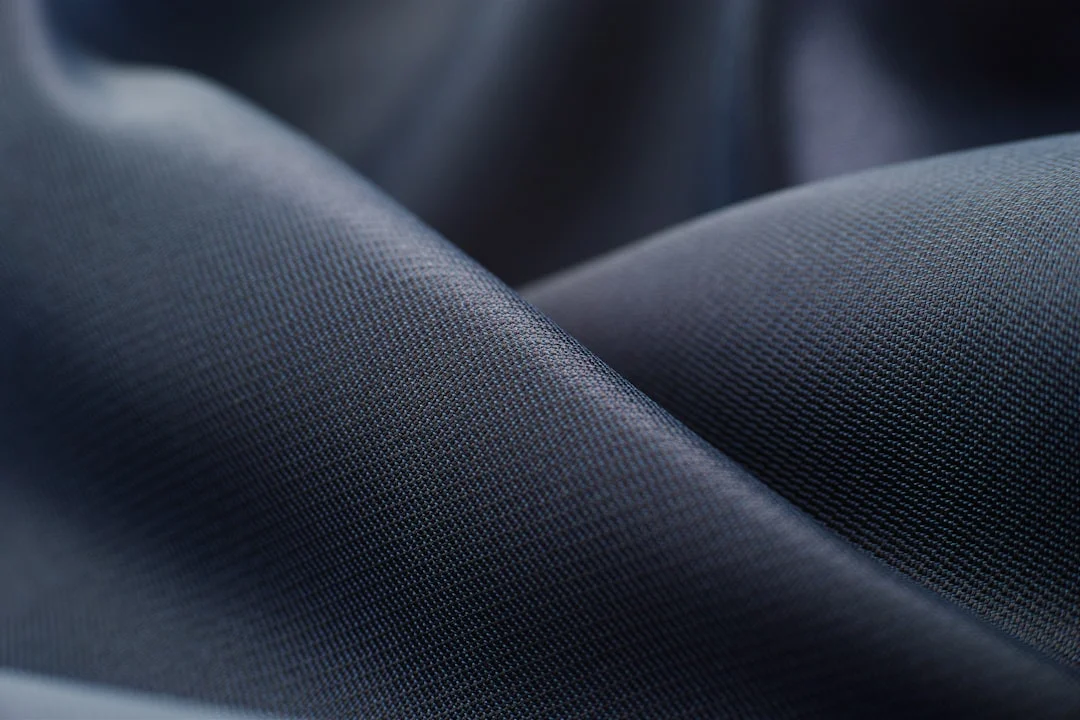
Selecting the right moisture wicking fabric is critical for sportswear that performs. With so many options—from recycled polyester to elastane blends—it’s easy to get lost. This guide breaks down the key factors: wicking speed, weight, stretch, and durability. We’ll also show you how to evaluate fabrics using standard tests like AATCC 195. Whether you’re designing activewear for yoga or high-intensity training, this guide helps you make an informed choice.
Why Moisture Wicking Fabric Matters
Moisture wicking fabric moves sweat away from the skin to the fabric’s surface, where it evaporates quickly. This keeps athletes dry, reduces chafing, and helps regulate body temperature. For sportswear, this is non-negotiable. Unlike cotton, which absorbs sweat and stays wet, wicking fabrics use hydrophobic fibers and special knit structures to accelerate drying. As of 2026, the industry standard for wicking speed is measured by AATCC 195, with top fabrics achieving a wicking speed of under 25 seconds. For example, our Antibacterial Moisture Wicking Fabric wicks in less than 25 seconds, while our Quick Dry Sports Fabric dries in under 20 seconds.
Key Performance Metrics to Evaluate
When comparing moisture wicking fabrics, focus on these metrics: Wicking Speed (AATCC 195) – lower is better; our Moisture Wicking Mesh Fabric wicks in under 15 seconds. Drying Time – Quick Dry Sports Fabric evaporates in under 20 seconds. Breathability – air permeability above 500 mm/s (ISO 9237) is ideal for high-sweat zones. Weight (GSM) – lighter fabrics (130-200 GSM) suit base layers; heavier (200+ GSM) for outer layers. Stretch – 4-way stretch with 25-50% elongation ensures freedom of movement. For example, Moisture Wicking Stretch Fabric offers 4-way stretch and >95% recovery.
Comparing Fabric Types: Jersey, Mesh, and Interlock
The knit structure affects moisture management. Single jersey is soft and stretchy, ideal for base layers; our Moisture Wicking Jersey Fabric wicks with a height >8cm in 30 minutes (AATCC 197). Mesh offers maximum breathability and is perfect for ventilation panels; Moisture Wicking Mesh Fabric has air permeability >500 mm/s. Interlock is thicker and more insulating, suitable for cooler-weather training. Compared to mesh, interlock provides less airflow but more warmth. Choose based on your sport’s demands: high-intensity sports benefit from mesh, while endurance activities may prefer jersey.
Sustainability and Performance: Recycled Options
Sustainability is no longer optional. Recycled polyester (RPET) fabrics deliver the same performance as virgin polyester while reducing environmental impact. Our RPET Sports Fabric is GRS certified with 100% recycled content from post-consumer PET bottles. It offers moisture wicking and quick-dry properties with a weight of 130-240 GSM. Compared to virgin polyester, RPET reduces carbon footprint by up to 50% (industry data). If you need both wicking and odor control, consider Antibacterial Moisture Wicking Fabric, which combines RPET with silver ion treatment for ≥99% antibacterial rate.
How to Test and Validate Fabric Performance
Before committing to a fabric, request samples and test them under real conditions. Use AATCC 195 to measure wicking speed, AATCC 197 for wicking height, and ISO 9237 for air permeability. Also, check colorfastness (Grade 4-5) and shrinkage (<3%). Our lab tests every batch, and we provide test reports. As a supplier, we recommend ordering sample swatches (100m minimum) to evaluate hand feel and performance. This ensures the fabric meets your specific requirements before mass production.
Frequently Asked Questions
What is the best moisture wicking fabric for sportswear?
The best fabric depends on your activity. For high-intensity sports, a lightweight mesh with wicking speed under 15 seconds (like our Moisture Wicking Mesh Fabric) is ideal. For yoga or general training, a single jersey with 4-way stretch (e.g., Moisture Wicking Stretch Fabric) offers comfort and flexibility. Always check the wicking speed (AATCC 195) and breathability (ISO 9237) to match your needs.
How do I measure moisture wicking performance?
Moisture wicking is measured using AATCC 195 (wicking speed) and AATCC 197 (wicking height). AATCC 195 measures how fast water travels through the fabric, with lower times (e.g., <25 seconds) indicating better performance. AATCC 197 measures vertical wicking height over 30 minutes. Our Quick Dry Sports Fabric dries in under 20 seconds, and Moisture Wicking Jersey Fabric wicks >8cm in 30 minutes.
Can recycled polyester fabric wick moisture effectively?
Yes. Recycled polyester (RPET) has the same hydrophobic properties as virgin polyester. Our RPET Sports Fabric offers moisture wicking and quick-dry performance with weights from 130-240 GSM. It is GRS certified and fully traceable, making it a sustainable choice without compromising on function.
What GSM is ideal for moisture wicking sportswear?
GSM (grams per square meter) affects weight and breathability. For base layers, 130-180 GSM is lightweight and breathable. For mid-layers, 180-220 GSM provides more coverage. For outer layers, 220+ GSM offers durability. Our Moisture Wicking Polyester Fabric is available from 120-220 GSM, so you can select the right weight for your garment.
How do I choose between mesh and jersey for sportswear?
Mesh is more breathable and lightweight, ideal for high-sweat zones like underarms or back panels. Jersey is softer and provides more coverage, suitable for full garments. For example, Moisture Wicking Mesh Fabric has air permeability >500 mm/s, while Moisture Wicking Jersey Fabric offers a smooth, comfortable feel. Consider your sport’s ventilation needs.
Related Resources
Related Products (3)
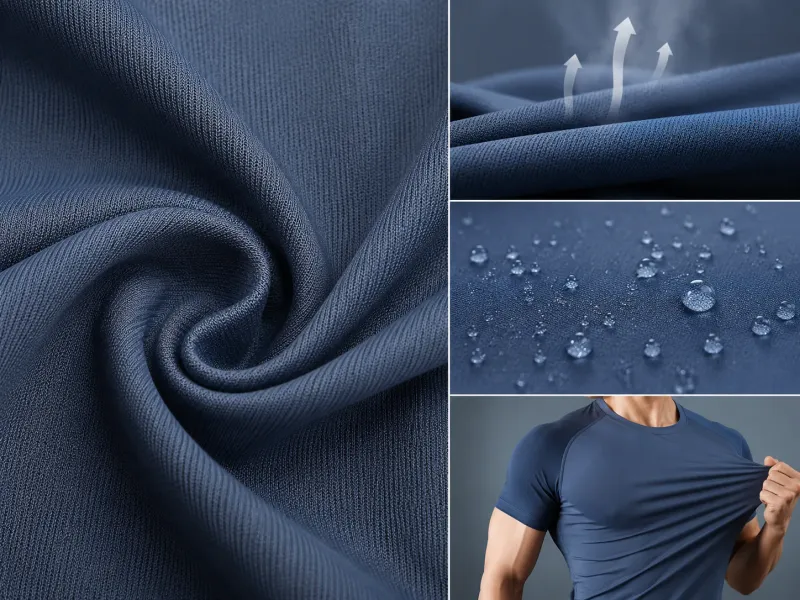
Moisture Wicking Stretch Fabric
Stretch performance fabric combining elasticity and moisture management for activewear.
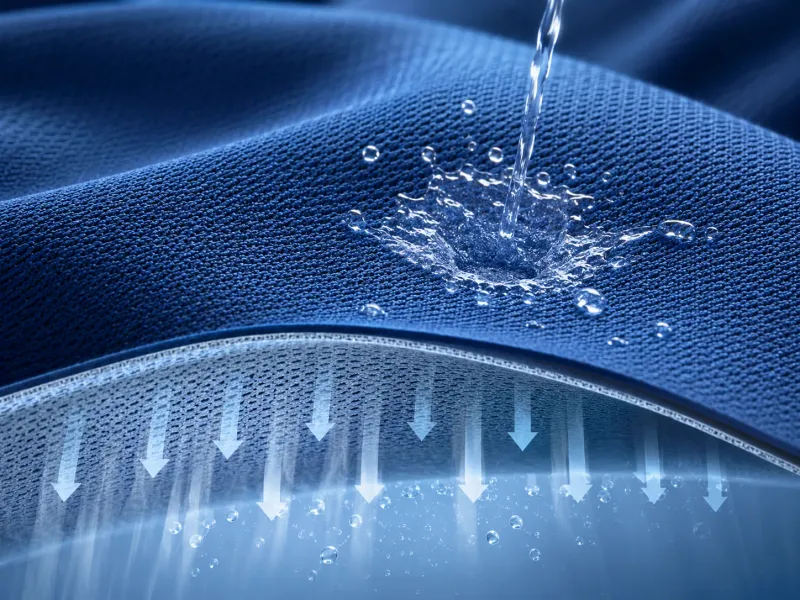
Quick Dry Sports Fabric
Technical quick dry fabric optimized for sportswear, team uniforms and fitness apparel.
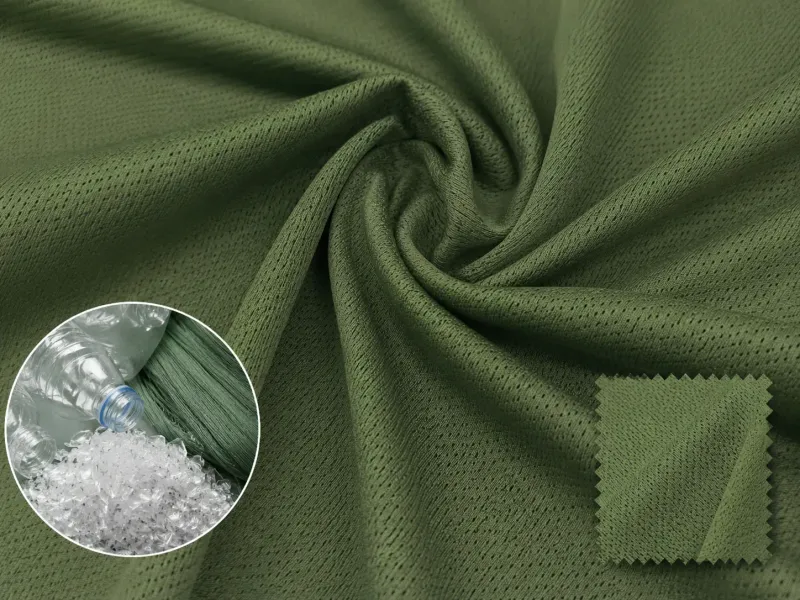
RPET Sports Fabric
Eco-friendly RPET sports fabric designed for activewear brands seeking sustainable performance textiles.
Related Categories
Related Applications
Related Industries
A practical guide to selecting performance fabrics that keep athletes dry and comfortable.
Get a Quote for Moisture Wicking Fabrics