
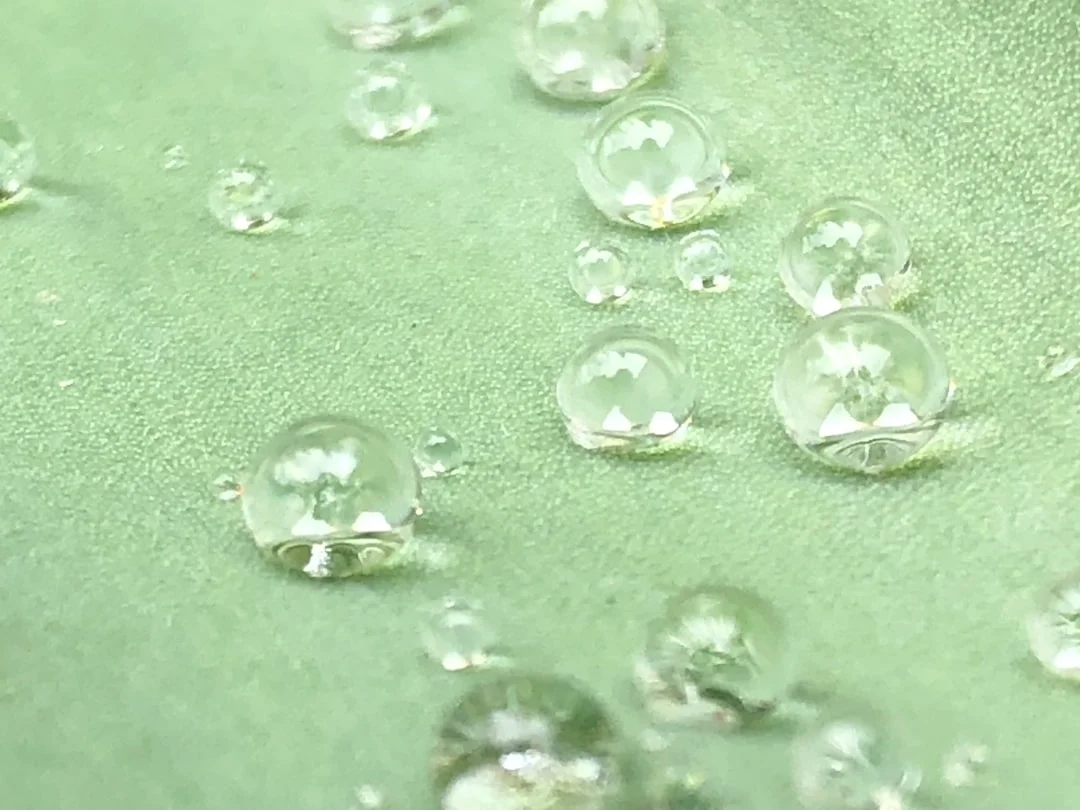
If you are sourcing performance textiles for activewear, outdoor gear, or workwear, understanding what is moisture wicking fabric made of is the foundation of making the right material decision. Moisture wicking is not a single fiber — it is a combination of synthetic polymer chemistry, fabric construction, and sometimes surface finishing that moves sweat away from the skin to the fabric surface where it evaporates. At FuncFabric, we produce moisture wicking fabrics in a range of constructions from 90gsm ultra-lightweight mesh to 280gsm mid-weight jersey, all tested to AATCC 195 and AATCC 197 standards. This guide breaks down the materials, mechanisms, and performance trade-offs so you can specify with confidence.
The Core Materials: What Moisture Wicking Fabric Is Made Of
The vast majority of commercial moisture wicking fabric is made from synthetic polymers — primarily polyester and nylon. Unlike natural fibers such as cotton, which absorb water into the fiber cell wall and retain it, polyester and nylon are hydrophobic. They do not absorb moisture; instead, they transport it along the fiber surface and through the fabric structure via capillary action. This is the fundamental difference that makes synthetic performance fabrics effective for high-sweat applications.
Polyester (PES) is the most widely used fiber in moisture wicking applications. It offers excellent wicking performance, high tensile strength, abrasion resistance, and colorfastness. Our Recycled Polyester Fabric, made from 100% RPET (post-consumer PET bottles), delivers the same wicking and quick-dry performance as virgin polyester while reducing petroleum consumption. Weight ranges from 120gsm to 280gsm depending on construction, and it is available in Single Jersey, Interlock, Mesh, and Woven (Twilled, Ripstop) structures.
Nylon (polyamide) is another common base fiber for wicking fabrics. It has slightly higher absorbency than polyester (around 4% regain vs. 0.4% for polyester), which can enhance wicking speed in certain constructions. Nylon also offers superior abrasion resistance and a softer hand feel. However, nylon is less UV-resistant than polyester and can degrade faster under prolonged sun exposure — a critical consideration for outdoor and marine applications.
Recycled polyester (RPET) has become the industry standard for sustainable performance fabric as of 2026. Our GRS Certified Recycled Fabric contains 20% to 100% recycled content with full chain-of-custody documentation. It is produced in weights from 120gsm to 300gsm across Woven, Knit (Jersey/Interlock/Mesh), Non-woven, and Technical Blend constructions, with widths from 150cm to 250cm. RPET wicking performance matches virgin polyester while providing verifiable sustainability credentials that brand owners increasingly require.
How Moisture Wicking Works: The Science Behind the Fabric
Moisture wicking relies on capillary action — the ability of a liquid to flow through narrow spaces without external forces. In fabric, this happens through the tiny gaps between fibers (inter-fiber capillaries) and within specially engineered fiber cross-sections. The smaller the gap, the stronger the capillary pull. This is why fabric construction is just as important as fiber choice.
There are two main engineering approaches. The first is structural wicking: using tight-knit constructions, mesh weaves, or channel-effect yarns that create capillary pathways. Our Moisture Wicking Mesh Fabric, constructed as a Raschel Weft Knit or Single Jersey Mesh at 90gsm to 150gsm, achieves air permeability above 500 mm/s (ISO 9237) and wicking speed under 15 seconds (AATCC 195). The open structure maximizes both wicking and evaporation surface area.
The second approach is chemical finishing: applying hydrophilic treatments to naturally hydrophobic fibers like polyester. Standard polyester fibers are inherently water-repellent on the surface. A moisture wicking finish modifies the fiber surface energy, allowing water to spread and move across the fabric more readily. This is commonly seen in our Quick Dry Sports Fabric, which combines 100% polyester (virgin or RPET) at 130gsm to 200gsm with a rapid-evaporation finish that achieves drying speeds under 20 seconds.
Cross-section engineering is a third approach used by major fiber manufacturers. Some polyester fibers are manufactured with a non-circular, trilobal, or channel-shaped cross-section rather than a simple round profile. These shapes create additional capillary channels within each individual fiber, not just between fibers. This intrinsic wicking technology means the fabric wicks effectively even without chemical finishes — an important distinction for brands seeking durable, finish-free performance.
Fabric Constructions That Enhance Wicking Performance
The same base fiber can perform very differently depending on how it is constructed. Knit structures generally wick better than woven structures because the looped yarns create more interstitial space for moisture transport. Among knits, Single Jersey (1x1) is the most common wicking construction — our Moisture Wicking Jersey Fabric at 140gsm to 220gsm achieves a wicking height above 8cm in 30 minutes (AATCC 197).
Interlock knit is a double-layer construction that is thicker and more stable than Single Jersey. It offers comparable wicking performance with better opacity and durability — ideal for performance t-shirts and athletic tops in the 150gsm to 220gsm range. Our Recycled Performance Fabric, available in Single Jersey, Interlock, Mesh, or Technical Woven constructions at 140gsm to 280gsm, demonstrates how the same RPET base fiber can be engineered for different performance profiles depending on the chosen construction.
Woven constructions such as Twill and Ripstop can also be engineered for wicking, though they typically trade some wicking speed for greater durability and structure. Our Moisture Wicking Polyester Fabric is available in Jersey, Mesh, Interlock, and Double Knit structures at 120gsm to 220gsm, with colorfastness rated Grade 4-5 for washing (ISO 105-C06) and Grade 4 dry / Grade 3-4 wet for rubbing. For applications where abrasion resistance and structure are as important as wicking — such as workwear or outdoor gear — woven constructions are the practical choice.
Stretch fabrics combine wicking with elastane for freedom of movement. Our Moisture Wicking Stretch Fabric, composed of 82% Polyester / 18% Elastane, delivers 4-Way Stretch with 25% to 50% elongation, rapid dry performance under 30 seconds contact time, and shape recovery above 95%. It is OEKO-TEX and REACH certified, making it suitable for skin-contact applications in the European and North American markets. Compared to non-stretch wicking fabrics, this construction adds significant comfort for form-fitting activewear while maintaining identical wicking mechanics.
Specialty Additions: Antibacterial and Odor-Resistant Wicking Fabrics
One of the most common questions we receive is whether moisture wicking fabric can also resist odor. The answer is yes — and this combination is standard in our product portfolio. Sweat itself is odorless; odor is caused by bacteria breaking down sweat on the skin. When wicking fabric keeps moisture away from the skin, it already reduces the environment where odor-causing bacteria thrive. Adding an antibacterial finish provides an additional layer of protection.
Our Antibacterial Moisture Wicking Fabric combines 100% Recycled Polyester (RPET) with Silver Ion Treatment. It achieves an antibacterial rate of ≥99% against E. coli and S. aureus, with wicking speed under 25 seconds (AATCC 195), in weights from 150gsm to 220gsm and widths of 160cm to 180cm. The silver ion treatment is integrated at the ppm level during fiber spinning or finishing, meaning the antibacterial property is durable through repeated laundering — maintaining efficacy for 30 to 50 industrial wash cycles per AATCC 61 testing.
Our Odor Resistant Sports Fabric uses advanced antimicrobial technology with silver ion or zinc-based finishes on a base of 100% Polyester, Nylon, or custom performance blends. It targets S. aureus, B. subtilis, and E. coli at ≥99% reduction, with wash durability of 30 to 50 industrial cycles. Weight ranges from 130gsm to 220gsm, and the fabric is compatible with quick-dry and high wicking finishes. Compared to untreated wicking fabric, this addition extends wear time between washes and reduces odor accumulation during extended use — a significant differentiator for athletic and outdoor product lines.
For healthcare and medical applications, our Medical Antibacterial Fabric combines 100% Polyester or Poly-Cotton Blend with an antibacterial rate of ≥99.9% against E. coli, S. aureus, and C. albicans. It carries OEKO-TEX Standard 100, ISO, and AATCC 100 compliance, with high air permeability for breathability and an oleophobic/hydrophobic finish for stain resistance. Weight is optimized at 100gsm to 140gsm for scrubs and gowns. Unlike standard sports wicking fabrics, this construction prioritizes clinical-grade hygiene alongside moisture management.
How to Specify Moisture Wicking Fabric for Your Application
Selecting the right moisture wicking fabric depends on your end use, performance requirements, and sustainability goals. For high-intensity activewear where maximum breathability is critical, our Moisture Wicking Mesh Fabric at 90gsm to 150gsm with air permeability above 500 mm/s is the optimal choice. For everyday athletic wear and performance t-shirts, the 140gsm to 220gsm Jersey or Interlock constructions provide the best balance of wicking, durability, and hand feel.
For brands prioritizing sustainability, our Recycled Performance Fabric and GRS Certified Recycled Fabric lines offer 100% RPET or recycled nylon blends with full traceability. The GRS certification includes independently audited recycled content from 20% to 100%, with complete chain-of-custody documentation from post-consumer waste to fabric roll. As of 2026, GRS certification is increasingly required by major retailers and brands across North America and Europe for any product making recycled content claims.
For outdoor and sun-exposed applications, pairing moisture wicking with UV protection delivers dual performance. Our Sun Protective Apparel Fabric at 80gsm to 140gsm combines UPF 50+ rating (blocking over 98% of UVA/UVB radiation) with quick-dry wicking finish and high air permeability. The Outdoor UV Protection Fabric at 150gsm to 280gsm adds DWR treatment for rain and wind resistance while maintaining high MVTR (moisture vapor transmission) for breathability. Compared to using separate fabrics for UV protection and moisture management, these integrated constructions simplify sourcing and reduce garment assembly complexity.
We supply these fabrics globally, with export-quality standards and flexible ordering for both rolled and folded configurations. Widths range from 150cm to 250cm depending on construction, and GSM ranges from 80gsm for ultra-lightweight sun protection to 280gsm for mid-weight performance applications. If you are evaluating samples or need technical specifications for a specific application, our team can provide detailed test reports and guidance on the optimal construction for your product line.
Frequently Asked Questions
What is moisture wicking fabric made of?
Moisture wicking fabric is primarily made from synthetic fibers — polyester and nylon — which are hydrophobic and transport moisture along the fiber surface via capillary action rather than absorbing it. It can also be made from recycled polyester (RPET), recycled nylon blends, or specialty engineered fibers with non-circular cross-sections that create internal capillary channels. Fabric construction (knit vs. woven, mesh vs. jersey) and surface finishes determine the speed and efficiency of wicking performance.
Does moisture wicking fabric absorb sweat?
No — moisture wicking fabric does not absorb sweat into the fiber. Unlike cotton, which can absorb up to 25% of its weight in water, polyester and nylon have near-zero absorbency (around 0.4% regain for polyester). Instead, wicking fabric moves moisture along the fiber surface and through the fabric structure to the outer surface, where it evaporates quickly. This is why wicking fabrics feel dry against the skin even during heavy sweating.
What is the difference between moisture wicking and quick dry fabric?
Moisture wicking refers to the fabric's ability to pull sweat away from the skin to the surface. Quick dry refers to how fast the fabric dries after moisture is applied. Most performance fabrics are both — they wick moisture and then dry rapidly due to the hydrophobic nature of polyester and nylon. Our Quick Dry Sports Fabric, for example, achieves drying speeds under 20 seconds while maintaining high moisture transport. Wicking is about movement; quick dry is about evaporation. They work together but are measured separately.
Can moisture wicking fabric be made from recycled materials?
Yes. Recycled polyester (RPET) made from post-consumer PET bottles delivers identical wicking performance to virgin polyester. Our Recycled Performance Fabric, GRS Certified Recycled Fabric, and RPET Sports Fabric lines are all made from 100% recycled content with GRS certification and full chain-of-custody traceability. They are available in weights from 120gsm to 280gsm across multiple constructions and carry the same performance specifications as their virgin counterparts.
How is moisture wicking performance measured and tested?
Moisture wicking is measured using standardized tests. AATCC 195 measures wicking speed (the time it takes for moisture to travel a specified distance along the fabric), with faster times indicating better performance. AATCC 197 measures wicking height (how far moisture rises vertically in a given time). Our fabrics typically achieve wicking heights above 8cm in 30 minutes and wicking speeds under 25 seconds. Breathability is measured via air permeability (ISO 9237) and moisture vapor transmission rate (MVTR). These tests allow objective comparison between fabric constructions and suppliers.
Related Resources
Related Products (4)
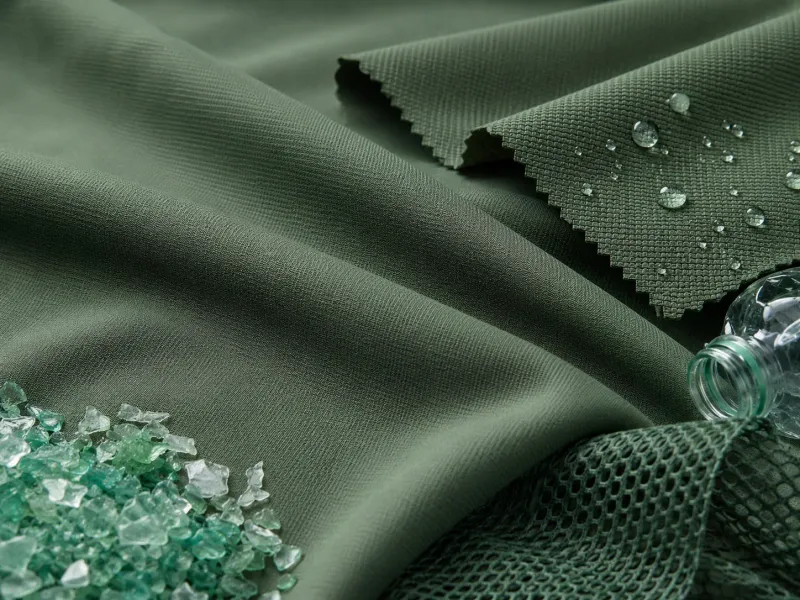
Recycled Performance Fabric
Advanced recycled performance fabric combining sustainability with technical textile functionality.
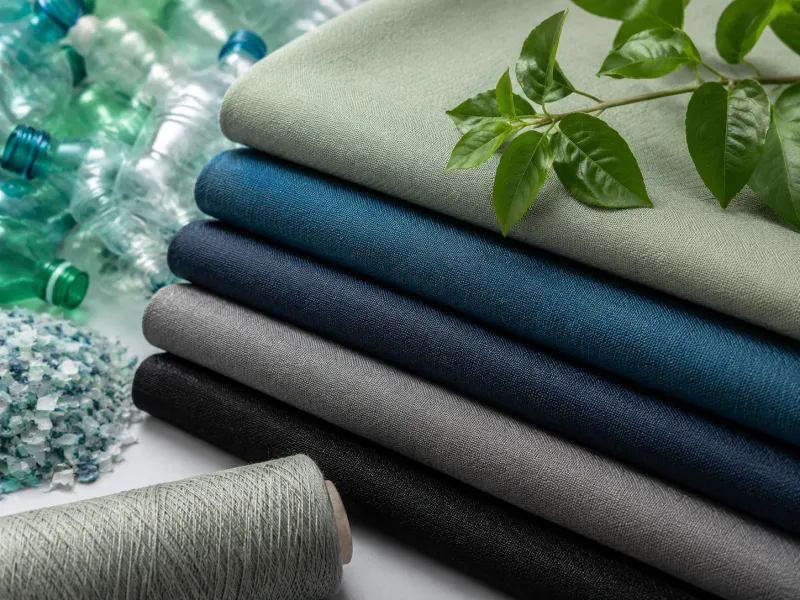
GRS Certified Recycled Fabric
Global Recycled Standard certified fabric providing traceable sustainability for international brands.
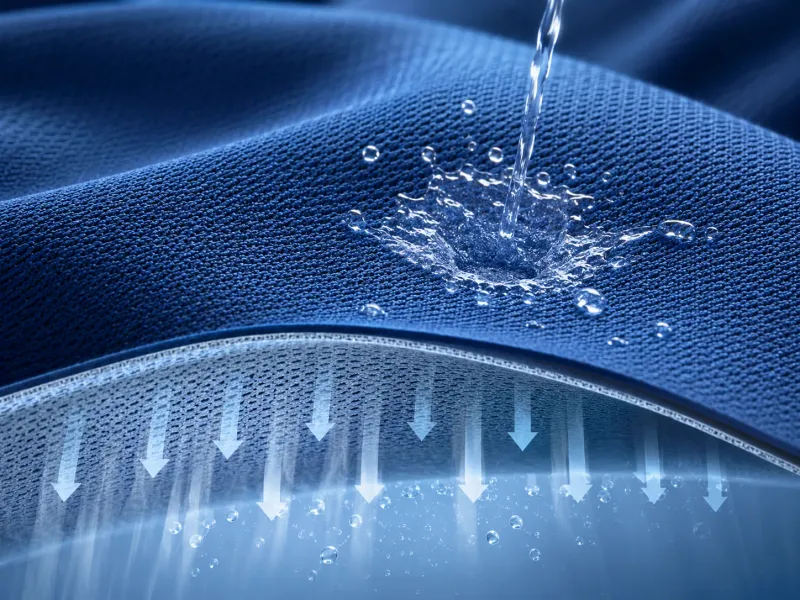
Quick Dry Sports Fabric
Technical quick dry fabric optimized for sportswear, team uniforms and fitness apparel.
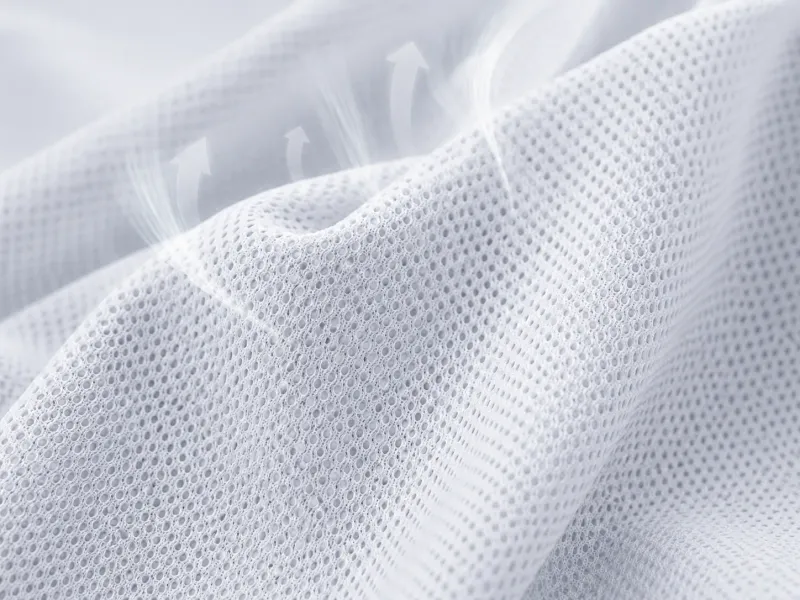
Moisture Wicking Mesh Fabric
Breathable mesh fabric designed for maximum airflow and moisture evaporation.
Related Categories
Related Applications
Understand the fibers, constructions, and chemistry behind high-performance moisture-wicking textiles
Request Moisture Wicking Fabric Samples