
In performance apparel, the debate between moisture wicking and quick dry fabric is common. Both technologies aim to manage sweat and moisture, but they work differently. Understanding these differences is crucial for brands designing sportswear, activewear, or outdoor gear. As a supplier of performance fabrics, we offer a range of solutions that combine both properties. In this guide, we break down the science, compare key metrics, and help you choose the right fabric for your application.
The Problem: Sweat Management in Performance Apparel
During physical activity, the body produces sweat to cool down. If fabric traps moisture against the skin, it causes discomfort, chafing, and even hypothermia in cold conditions. Traditional cotton absorbs up to 7% of its weight in water and dries slowly, making it unsuitable for high-intensity sports. Performance fabrics must either wick moisture away or dry quickly—or ideally both—to maintain comfort and performance.
The Solution: Moisture Wicking and Quick Dry Technologies
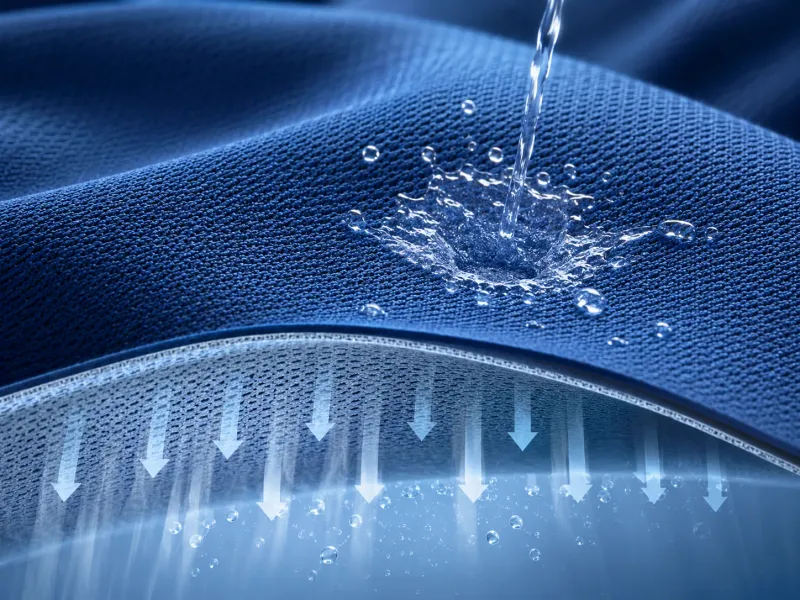
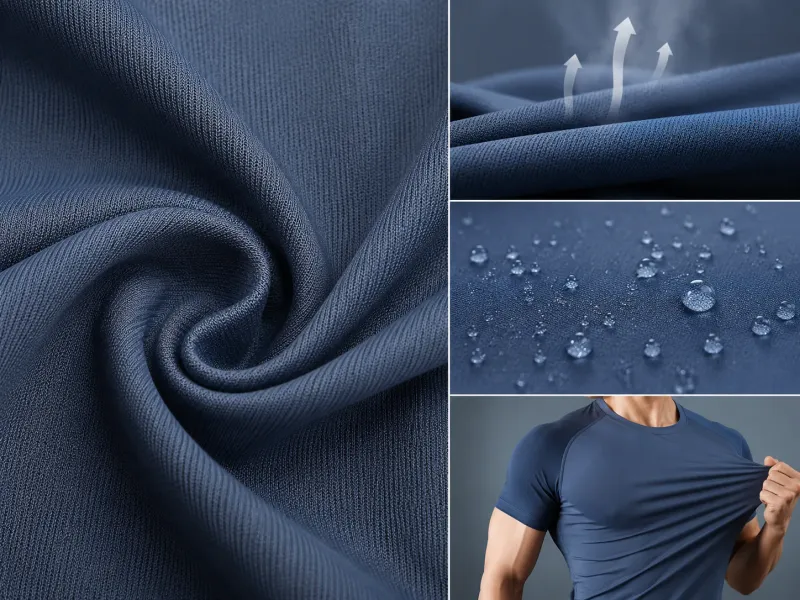
Moisture wicking fabrics use capillary action to pull sweat from the skin to the outer surface, where it evaporates. Quick dry fabrics are engineered with hydrophobic fibers and open structures to speed up evaporation. Our Quick Dry Sports Fabric (130-200 GSM) dries in under 20 seconds, while our Moisture Wicking Mesh Fabric wicks in under 15 seconds. By combining both technologies, we achieve optimal moisture management.
Compared to standard polyester, which wicks moderately, our recycled polyester options (e.g., RPET Sports Fabric) offer enhanced wicking and quick-dry performance, with the added benefit of sustainability.
Key Features of Our Moisture Wicking and Quick Dry Fabrics
Our range includes Moisture Wicking Stretch Fabric (160-220 GSM, 4-way stretch, recovery >95%), Quick Dry Sports Fabric (130-200 GSM, drying <20s), Moisture Wicking Jersey Fabric (140-220 GSM, wicking height >8cm in 30 mins), and Moisture Wicking Mesh Fabric (90-150 GSM, air permeability >500 mm/s). All are available in widths of 160-180 cm, with customizable GSM and recycled options.
Benefits: Comfort, Performance, and Sustainability
Using the right fabric enhances athlete comfort and performance. For example, our Antibacterial Moisture Wicking Fabric (150-220 GSM) adds silver ion treatment for odor control, ideal for gym wear. For eco-conscious brands, our Sustainable Activewear Fabric (140-260 GSM) combines 85-100% recycled content with moisture wicking and quick-dry properties, certified GRS. This meets both performance and sustainability goals.
How to Choose: A Practical Guide
When choosing between moisture wicking and quick dry, consider your end use. For high-intensity sports, prioritize wicking speed. For water sports or post-activity recovery, prioritize drying time. For versatile use, select fabrics with both properties, such as our Quick Dry Sports Fabric or Moisture Wicking Stretch Fabric. Always request samples and test reports to verify performance metrics like AATCC 195 for wicking and drying time.
Frequently Asked Questions
What is the difference between moisture wicking and quick dry fabric?
Moisture wicking fabric actively transports moisture away from the skin to the fabric surface where it can evaporate. Quick dry fabric, on the other hand, is designed to dry rapidly after getting wet. While many quick dry fabrics also wick moisture, not all wicking fabrics are necessarily fast-drying. For example, a thick cotton blend may wick but dry slowly. In performance apparel, the best results come from combining both properties.
Which is better for sports: moisture wicking or quick dry?
For intense workouts or hot climates, moisture wicking fabric is essential to keep you dry and comfortable. For water-based activities like swimming or after rain, quick dry fabric is more critical. Many modern sports fabrics, such as our Quick Dry Sports Fabric (130-200 GSM), offer both wicking and quick-dry properties, making them versatile for a range of activities.
Can a fabric be both moisture wicking and quick dry?
Yes, a fabric can be both. For instance, our Moisture Wicking Stretch Fabric (160-220 GSM) wicks moisture rapidly (contact time <30s) and also dries quickly due to its polyester/elastane blend. Similarly, our Quick Dry Sports Fabric is engineered to evaporate moisture in under 20 seconds while providing high moisture transport. When sourcing, look for fabrics that specify both wicking speed and drying time.
How do I compare moisture wicking and quick dry performance?
Key performance metrics to compare include wicking speed (e.g., AATCC 195), drying time, breathability (air permeability), and fabric weight (GSM). For example, our Moisture Wicking Mesh Fabric wicks in under 15 seconds and has air permeability >500 mm/s, ideal for high-aeration zones. Our Quick Dry Sports Fabric dries in under 20 seconds. Always request test reports to verify these specs.
Related Resources
Related Products (2)
Related Categories
Related Applications
Related Industries
Understand the science and choose the right performance fabric for your product
Request a Fabric Quote