
Understanding how to test moisture wicking fabric wicking speed is critical for selecting performance textiles that meet exact application requirements. As of 2026, standardized testing methods like AATCC 195 and AATCC 197 provide reliable, repeatable measurements for evaluating how quickly fabrics transport moisture away from the skin. Whether you are sourcing fabrics for sportswear, outdoor apparel, or activewear, knowing these testing protocols ensures you specify materials with verified moisture management capabilities rather than relying on manufacturer claims alone.
Understanding Moisture Wicking Performance
Moisture wicking describes a fabric's ability to draw liquid moisture away from the skin surface and spread it across the material for faster evaporation. Unlike cotton, which absorbs and retains water leading to prolonged dampness, performance wicking fabrics move moisture through capillary action within the fiber structure or fabric construction. The speed of this transport directly impacts wearer comfort during physical activity, making wicking speed a measurable and specifiable performance attribute.
Wicking performance varies significantly across fabric constructions and material compositions. A high-performance mesh fabric may achieve wicking speeds under 15 seconds, while a dense interlock knit might require 25 to 30 seconds for comparable moisture transport. These differences matter when selecting fabrics for high-intensity applications such as athletic wear, outdoor performance layers, or occupational uniforms where sustained moisture management is essential.
Standard Testing Methods for Wicking Speed
The AATCC 195 test method, formally known as the Standard Test Method for Water Repellency: Dynamic Absorption, measures the time required for water to penetrate a fabric specimen from the underside. In this test, a fabric sample is positioned horizontally over a water reservoir, and the contact time until visible wetting appears on the top surface is recorded. Fabrics achieving wicking speeds below 25 seconds under AATCC 195 are classified as high-performance wicking materials. This method is particularly useful for evaluating fabrics intended for active wear where rapid moisture transport is a primary requirement.
AATCC 197, the Standard Test Method for Vertical Wicking, measures the height that moisture travels upward through a fabric strip over a specified time period, typically 30 minutes. Results are expressed in centimeters of wicking height, with fabrics demonstrating greater than 8 centimeters of vertical wicking in 30 minutes meeting performance thresholds for many activewear applications. Unlike AATCC 195 which focuses on contact time, AATCC 197 evaluates both the speed and extent of moisture movement through the fabric structure.
When comparing testing approaches, AATCC 195 provides a direct speed measurement in seconds while AATCC 197 offers a distance-based metric over time. Both methods are internationally recognized and produce comparable data when conducted under controlled laboratory conditions at standard temperature and humidity. For comprehensive evaluation, we recommend testing both contact time and vertical wicking height to establish a complete moisture transport profile for any fabric specification.
Interpreting Wicking Test Results
Wicking test results must be evaluated within the context of the intended fabric application. A moisture wicking mesh fabric with an air permeability exceeding 500 mm/s and wicking speeds under 15 seconds is optimized for high-ventilation applications such as athletic jerseys and training garments. In contrast, a moisture wicking stretch fabric with 4-way stretch properties and wicking speeds under 30 seconds serves applications requiring both moisture management and dimensional recovery, such as compression garments and swimwear.
Fabric weight measured in grams per square meter, or GSM, influences wicking performance alongside construction. Lighter fabrics in the 90 to 150 GSM range typically exhibit faster wicking speeds due to reduced material density and greater surface area exposure. Mid-weight fabrics between 150 and 220 GSM balance wicking performance with durability and opacity, making them suitable for a broader range of applications including outdoor apparel and performance uniforms.
Material composition also plays a significant role in wicking behavior. Polyester-based fabrics, including recycled polyester variants, naturally exhibit hydrophobic fiber cores with engineered surface treatments that promote capillary action. These fabrics consistently deliver wicking speeds under 30 seconds across weight ranges from 120 to 220 GSM. When evaluating test data, always verify that testing was conducted on finished fabric including any applied finishes, as post-treatment processes can alter wicking performance by either enhancing or reducing moisture transport capability.
Selecting Fabrics Based on Wicking Performance
For applications requiring the fastest moisture transport, such as high-intensity sportswear and fitness apparel, fabrics with wicking speeds under 15 to 20 seconds are optimal. Quick dry sports fabrics in the 130 to 200 GSM range deliver drying speeds under 20 seconds and are constructed from 100% polyester in single jersey or interlock configurations. These fabrics are widely specified for performance activewear and are available in recycled content options certified to the Global Recycled Standard.
When dual functionality is required, such as moisture wicking combined with antibacterial protection, specialized constructions are available. Antibacterial moisture wicking fabrics combine silver ion treatment with performance wicking structures, achieving wicking speeds under 25 seconds while maintaining antibacterial rates of 99 percent or higher against common bacteria including E. coli and S. aureus. These fabrics are suitable for extended-wear applications in sportswear, uniforms, and occupational clothing where odor control complements moisture management.
For outdoor and adventure applications, wicking performance must be balanced with weather resistance and durability. Outdoor UV protection fabrics and eco-friendly outdoor fabrics incorporate wicking finishes alongside UPF 50 plus ratings and durable water repellent treatments. These fabrics typically fall in the 150 to 280 GSM range and maintain wicking performance even after repeated washing, with tested durability of 30 to 50 industrial launder cycles. We supply these fabrics globally, serving manufacturers across North America, Europe, and Asia-Pacific with export-quality materials and full test documentation.
Frequently Asked Questions
What is the difference between AATCC 195 and AATCC 197 wicking tests?
AATCC 195 measures the contact time in seconds until water penetrates a horizontally positioned fabric from below, providing a direct speed metric. AATCC 197 measures the vertical wicking height in centimeters over 30 minutes, evaluating both speed and extent of moisture movement. AATCC 195 is better suited for quick-dry applications while AATCC 197 is preferred for evaluating overall moisture transport capacity in garment fabrics.
What wicking speed is considered good for performance fabric?
Wicking speeds under 25 seconds per AATCC 195 are classified as high-performance. Fabrics achieving speeds under 15 seconds are considered ultra-fast wicking and are typical of mesh constructions and lightweight single jersey knits. For most activewear and sportswear applications, wicking speeds between 15 and 30 seconds provide adequate moisture management while maintaining fabric durability and hand feel.
Does fabric weight affect wicking speed?
Yes, fabric weight in GSM influences wicking performance. Lighter fabrics between 90 and 150 GSM typically wick faster due to lower material density and greater fiber exposure. Heavier fabrics above 200 GSM may exhibit slightly slower wicking but offer improved durability and opacity. The construction type, including knit structure and finish treatments, often has a greater impact on wicking speed than weight alone.
How many wash cycles do wicking finishes last?
Performance wicking finishes on polyester fabrics typically maintain effectiveness for 30 to 50 industrial launder cycles when tested per AATCC 61. Inherent wicking properties of polyester fibers remain permanent, while applied finishes may gradually diminish with repeated washing. Fabrics with engineered wicking constructions rather than surface-only finishes retain performance longer and are recommended for high-frequency use applications.
Can I request wicking test reports with fabric orders?
Yes, wicking test data including AATCC 195 and AATCC 197 results are available for all performance fabric lines. Test reports document wicking speed, wicking height, fabric weight, and construction details. These reports support quality assurance and specification verification for global manufacturing operations. Contact our technical team to request specific test data for any fabric product.
Related Resources
Related Products (3)
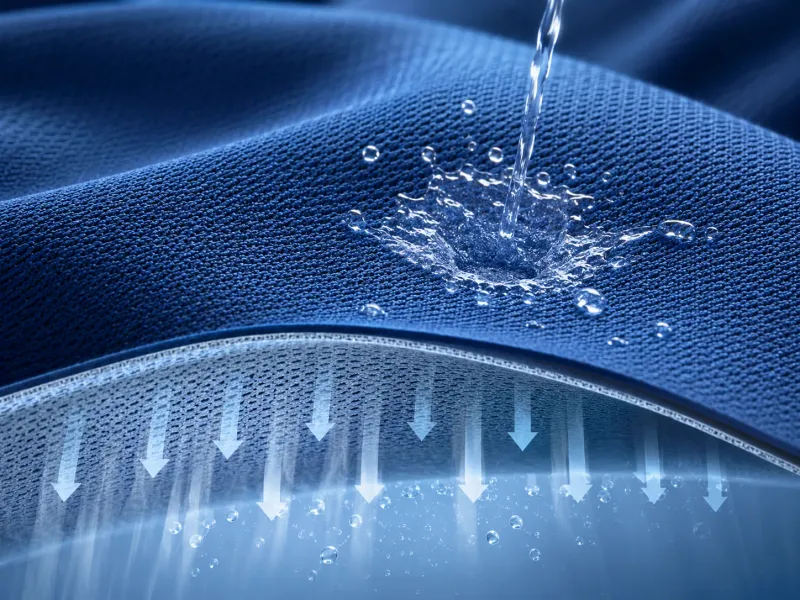
Quick Dry Sports Fabric
Technical quick dry fabric optimized for sportswear, team uniforms and fitness apparel.
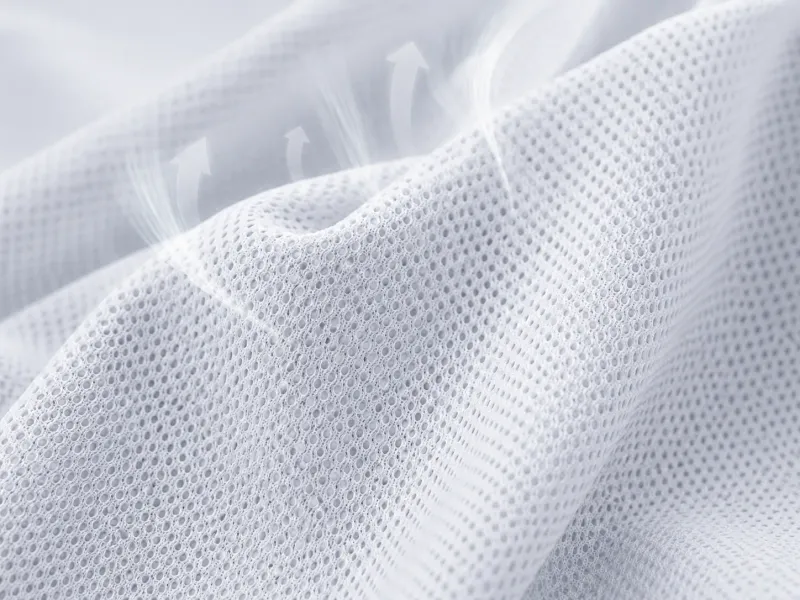
Moisture Wicking Mesh Fabric
Breathable mesh fabric designed for maximum airflow and moisture evaporation.
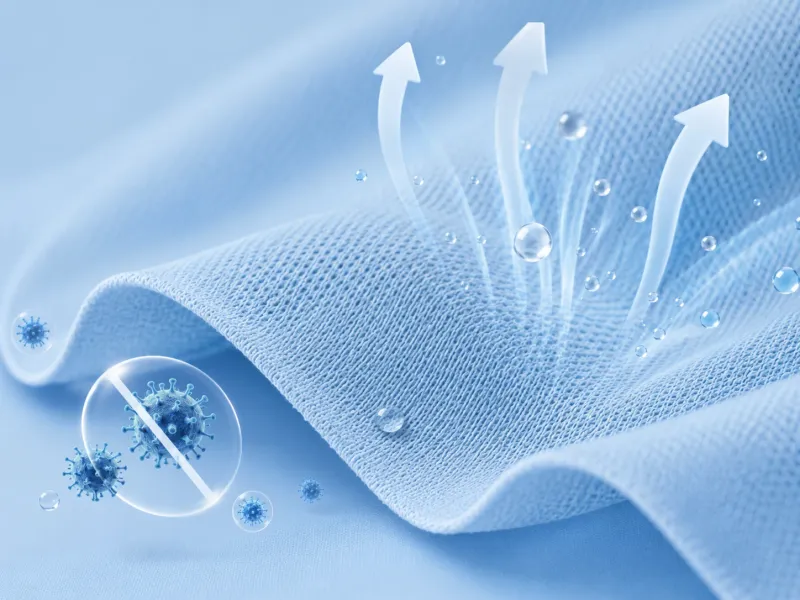
Antibacterial Moisture Wicking Fabric
Advanced moisture wicking fabric with antibacterial treatment for hygiene-sensitive applications.
Related Categories
Related Applications
Master AATCC 195 & 197 testing methods to evaluate fabric moisture transport performance
Request Wicking Fabric Test Data and Samples