
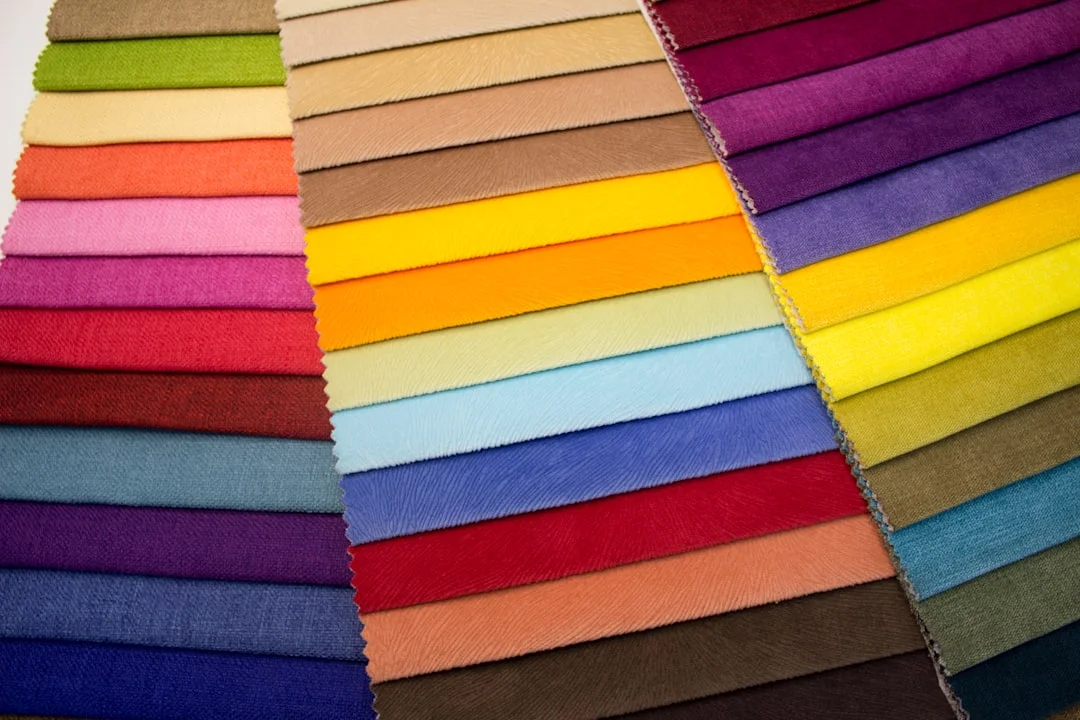
Sourcing FR workwear fabric with NFPA 2112 certification starts with understanding flash fire hazards and the material systems designed to mitigate them. For industrial workwear programs, you need fabric that combines flame resistance with durability, antistatic performance, and comfort. This guide walks through the technical specifications, fabric types, and bulk sourcing considerations that matter when purchasing protective textiles.
Start with the NFPA 2112 Compliance Framework
NFPA 2112 sets the benchmark for flash fire protective garments for industrial personnel. When sourcing workwear fabric, the core requirement is that the fabric is self-extinguishing and will not continue to burn, melt, or drip under exposure. FR Workwear Fabric in this category is commonly produced from modacrylic/cotton or polyester/modacrylic blends in a 220–350 GSM range, with a conductive yarn finish that helps prevent electrical discharge. The same fabrics are often qualified to EN ISO 11612 and EN ISO 11611, so you can use one platform to supply multiple regional programs. Confirm the garment-level certification chain before bulk ordering, and ask for documentation that traces the base fabric to the finished roll.
Compare Treated Cotton, Blends, and Inherent FR Yarns
There are two broad routes to flame resistance: treated fabrics and inherently FR fabrics. Cotton Flame Retardant Fabric uses an advanced phosphorus-based chemical finish in weights of 200–340 GSM and is self-extinguishing with afterglow under 2 seconds. Inherent Flame Retardant Fabric, by contrast, relies on the polymer itself, typically 95% meta-aramid / 5% PPTA-type fiber, so protection cannot wash out. Compared with treated cotton, inherent FR fabrics offer the same NFPA 2112 compliance while simplifying lifecycle care for organizations managing large workwear inventories. For oil and gas roles, specialized Oil & Gas Protective Fabric combines antistatic resistance, with AATCC 76 readings below 100 ohms, and oil/water repellency, adding another layer of functional protection beyond FR alone.
Evaluate Performance Specs Beyond Flame Spread
NFPA 2112 tells you whether a fabric will protect against flash fire, but it is not the only spec that drives successful workwear. Inspect weight, abrasion resistance, antistatic properties, and laundering compatibility. FR Workwear Fabric is available from 220 GSM to 350 GSM, with high abrasion resistance suited to heavy industrial environments. Inherent Flame Retardant Fabric ranges from 180 GSM to 320 GSM and withstands long-term heat exposure up to 360°C. For Welding Protective Fabric, spark and slag resistance is verified under EN ISO 11611 Class A1/A2 with self-extinguishing behavior in under 2 seconds. If the job requires arc flash protection, Arc Flash Protection Fabric carries ATPV ratings from 12 to 45+ cal/cm² depending on construction.
Source from a Supplier That Can Document the Chain
A reliable sourcing partner should be able to provide fabric construction details, compliance data, and consistent roll specifications across production batches. At FuncFabric, our FR workwear supply supports industrial workwear programs with export-quality rolls in standard widths of 150–180 cm and multiple material systems, from modacrylic/cotton blends to inherent aramids. We also track relevant performance data such as self-extinguishing behavior and antistatic finish so your procurement team can compare options against NFPA 2112 requirements. Unlike a generic textile trader, we build our workwear offer around end-use performance, making it easier to move from qualification to large-scale production.
Build a Qualification Checklist for FR Workwear Fabric
Create a standard checklist before contacting suppliers: confirm the target standard and test method, such as NFPA 2112, EN ISO 11612, or EN ISO 11611; define weight and weave, for example twill at 260–350 GSM for heavy-duty roles; specify antistatic needs and conductive yarn placement; request abrasion resistance and laundering data; and confirm roll width and packing format. For workwear programs serving multiple regions, look for fabrics that carry multiple standards on one construction. That reduces SKU complexity and gives your garment maker a stable platform for sizing, trims, and finishing.
Frequently Asked Questions
How do I source FR workwear fabric with NFPA 2112 certification?
Start by requesting fabric specifications that reference NFPA 2112, plus the underlying material composition and weight. Look for fabric systems such as FR Workwear Fabric made from modacrylic/cotton or polyester/modacrylic blends in a 220–350 GSM range. Confirm the fabric is self-extinguishing and ask for compliance documentation covering NFPA 2112, EN ISO 11612, and EN ISO 11611 if you export internationally.
What is the difference between treated FR fabric and inherent FR fabric?
Treated FR fabric, such as Cotton Flame Retardant Fabric, uses a phosphorus-based chemical finish to achieve self-extinguishing behavior, typically with afterglow under 2 seconds. Inherent Flame Retardant Fabric uses fibers such as meta-aramid/PPTA-type blends that are flame retardant by polymer chemistry, so the protection does not wash out. Both can meet NFPA 2112, but inherent constructions simplify long-term maintenance and are often preferred for high-rotation industrial workwear.
What specs should I check before ordering FR workwear fabric in bulk?
Verify weight, weave, FR performance, antistatic treatment, and abrasion resistance. For industrial programs, 220–350 GSM covers most FR workwear, with Arc Flash Protection Fabric at 220–360 GSM and Inherent Flame Retardant Fabric at 180–320 GSM available as alternatives. Also confirm the roll width, typically 150–180 cm, and packing format so your cut-and-sew facility can plan marker layouts.
Can I source NFPA 2112 FR fabric for workwear programs outside the US?
Yes. When sourcing for international workwear programs, request materials that also meet EN ISO 11612 and EN ISO 11611, and specify fiber composition and finished weight. Modacrylic/cotton and polyester/modacrylic blends are commonly used across North American and European industrial workwear markets, giving you a practical path to one fabric platform for multiple regions.
Related Resources
Related Products (3)
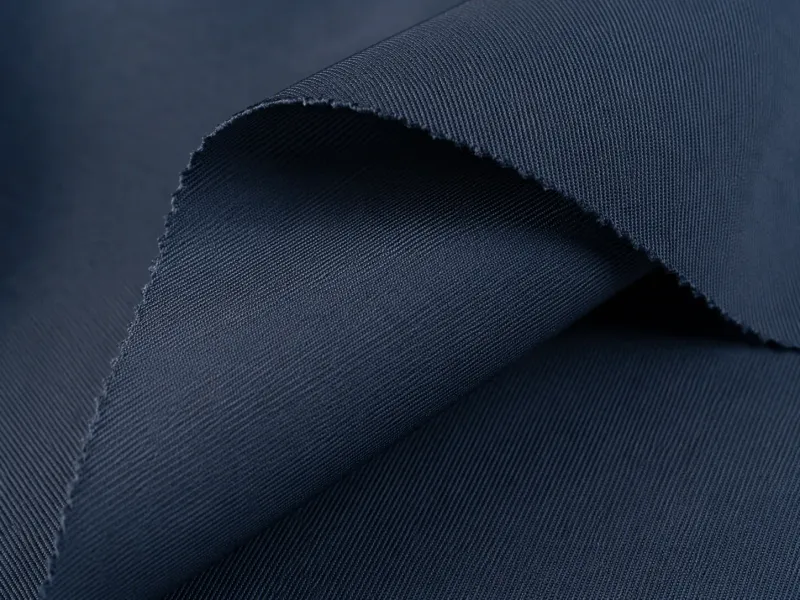
FR Workwear Fabric
Durable flame resistant fabric developed for industrial workwear and PPE applications.
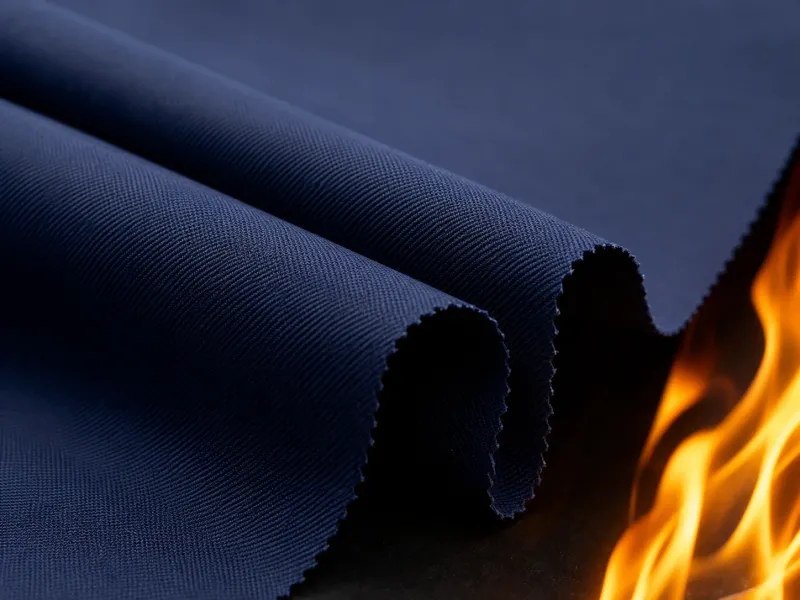
Inherent Flame Retardant Fabric
Permanent flame retardant fabric engineered with inherent FR fibers for industrial protective clothing.
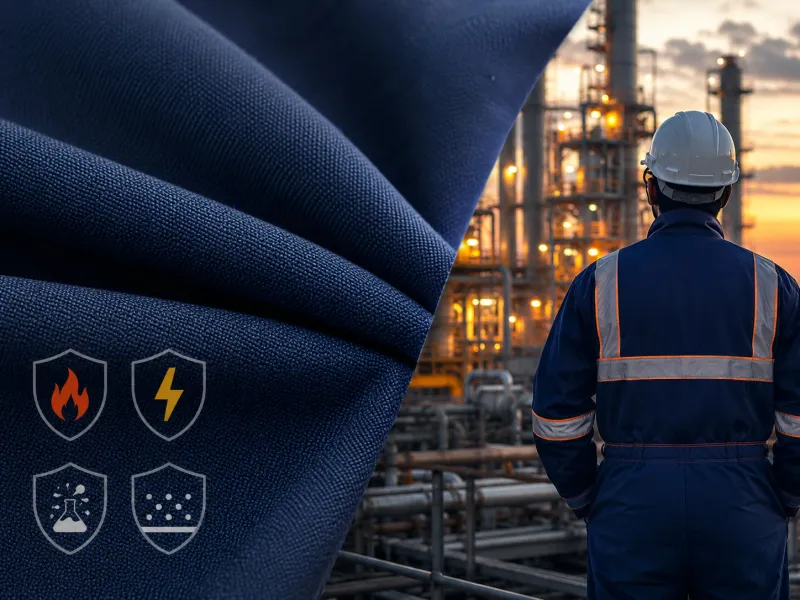
Oil & Gas Protective Fabric
Multi-hazard protective fabric developed for oil, gas and petrochemical industries.
Related Categories
Related Applications
Related Industries
Flame-resistant fabrics engineered for NFPA 2112 workwear programs.
Request FR Workwear Fabric Samples