
Selecting workwear fabric for arc flash protection is one of the most important safety decisions a procurement or safety manager can make. As of 2026, the fundamental question is simple: does the fabric have a tested arc rating that exceeds the incident energy exposure at your site? The answer depends on fiber, weight, weave, and certification. This guide walks through the data and standards we use daily when producing Arc Flash Protection Fabric, FR Workwear Fabric, and related flame-resistant textiles for Workwear & Protective Clothing programs.
We manufacture export-quality protective textiles used in industrial safety programs across North America and Europe. In our experience, the buyers who choose correctly do not start with a brand; they start with an arc hazard analysis, then match a fabric with published ATPV and EBT values to that requirement.
Start with the Arc Rating: ATPV and EBT
Every arc flash protection fabric should be evaluated on its Arc Thermal Performance Value (ATPV) and Energy to Breakopen (EBT) rating. ATPV is the maximum incident energy the fabric can withstand before heat transfer is predicted to cause a second-degree burn. EBT is the point at which the fabric breaks open. Our Arc Flash Protection Fabric is available in ATPV ratings from 12 to 45+ cal/cm² and EBT ratings above 30 cal/cm², depending on construction and weight.
Compare those numbers against your electrical safety audit. A low-risk panel can often be covered by a 12 cal/cm² fabric, while high-energy switching tasks commonly require 40 cal/cm² or more. Unlike general FR workwear, arc flash fabric must be rated for the specific fault energy, not just for flame resistance. If you don't know the incident energy level, do that measurement before requesting samples.
Choose Between Inherent FR and Treated FR Fibers
The two broad families are inherent flame-retardant fibers and chemically treated FR fabrics. Inherent Flame Retardant Fabric typically uses 95% meta-aramid blended with 5% PPTA, giving long-term heat resistance up to 360°C (680°F). Because the flame resistance is part of the polymer, it does not wash out or wear off. In contrast, Cotton Flame Retardant Fabric uses a 100% cotton base with a phosphorus-based finish; it is self-extinguishing, with afterglow below 2 seconds and shrinkage under 3% warp / 2% weft.
Compared with treated cotton, inherent aramid fabrics tend to maintain their protection for the garment's full service life, but they are usually more expensive. Treated cotton is a practical solution for lower-risk roles where budget is a concern. For arc flash protection, you may also find Modacrylic/Meta-Aramid blends or Cotton Blends engineered with similar ATPV ratings.
Select Fabric Weight and Construction for the Task
Arc flash protection fabric typically runs from 220gsm to 360gsm. A 220gsm lightweight weave is easier to move in and better for warm environments, while a 360gsm heavyweight construction delivers higher arc ratings and better mechanical durability. Our FR Workwear Fabric is available in 220gsm to 350gsm heavy-duty weights with antistatic conductive yarns for industrial environments.
For daily electrical maintenance, a 260–300gsm twill is often the practical middle ground: enough thermal mass to hold an arc rating, but not so stiff that workers remove it for comfort. We routinely help customers prototype in two weights so they can compare comfort and mobility before scaling production.
Verify the Standards and Test Data
A fabric is only suitable if its certification matches your region and hazard. The most cited references for this category are NFPA 2112, EN ISO 11612, EN ISO 11611, and ASTM F1506. Inherent Flame Retardant Fabric is designed to meet all four, while FR Workwear Fabric is specified to NFPA 2112, EN ISO 11612, and EN ISO 11611. For oil and gas environments, Oil & Gas Protective Fabric adds antistatic resistance below 100 ohms under AATCC 76.
Always ask suppliers for the test report behind the ATPV number. A single label is not enough; the fabric construction, weight, and finishing must be consistent from batch to batch. We manufacture to export-quality specifications and can provide documentation based on the specific lot code.
Plan for Laundering, Layering, and Lifespan
Flame-resistant fabric decisions fail when the garment is washed incorrectly or worn with non-FR layers. Treated cotton should be washed according to the finish chemistry's instructions, while inherent FR fabric does not rely on chemical coatings, so protection remains after industrial laundering. Dimensional stability matters: Cotton Flame Retardant Fabric is engineered for less than 3% warp shrinkage and less than 2% weft shrinkage to keep sizing predictable.
For cold-weather sites, remember that adding non-FR underlayers can reduce the arc protection of the whole system. We recommend reviewing the complete garment system, not just the outer shell, before approving a workwear program for arc flash protection.
Frequently Asked Questions
What does ATPV mean in arc flash workwear fabrics?
ATPV stands for Arc Thermal Performance Value. It is the maximum incident energy, measured in cal/cm², that a fabric can withstand before the predicted heat transfer would cause a second-degree burn. Arc Flash Protection Fabric is available with ATPV ratings from 12 to 45+ cal/cm². Choose a fabric with an ATPV above your site's incident energy analysis.
What is the difference between inherent and treated flame-resistant fabrics?
Inherent FR fabrics like 95% meta-aramid / 5% PPTA have flame resistance built into the polymer and do not rely on chemical coatings. They withstand long-term exposure up to 360°C (680°F). Treated fabrics such as 100% cotton with a phosphorus-based finish also self-extinguish, but the finish needs to be monitored after repeated industrial washing. For arc flash, both can be compliant under ASTM F1506 if properly engineered.
How do I choose the right fabric weight for arc flash workwear?
Arc flash fabrics typically range from 220gsm to 360gsm. Heavier fabrics generally provide higher ATPV but can be less comfortable. A 260–300gsm twill is a common starting point for daily maintenance work. The final decision should match the site incident energy analysis, not convenience alone.
Can arc flash fabric also be used for welding or oil and gas work?
Some FR fabrics are multi-standard, but you should not assume one fabric covers all hazards. Arc Flash Protection Fabric is designed for electrical arc hazards. Welding Protective Fabric is certified to EN ISO 11611 Class A1/A2 for sparks and slag, while Oil & Gas Protective Fabric has ATPV 8–25 cal/cm² and antistatic properties. Match the standard to the specific hazard.
What certifications should arc flash workwear fabric meet?
Depending on your region and application, look for NFPA 2112, EN ISO 11612, EN ISO 11611, and ASTM F1506. Inherent Flame Retardant Fabric is designed to meet all four. Always request lab test reports and compare ATPV and EBT values to your incident energy analysis before finalizing a specification.
Related Resources
Related Products (4)
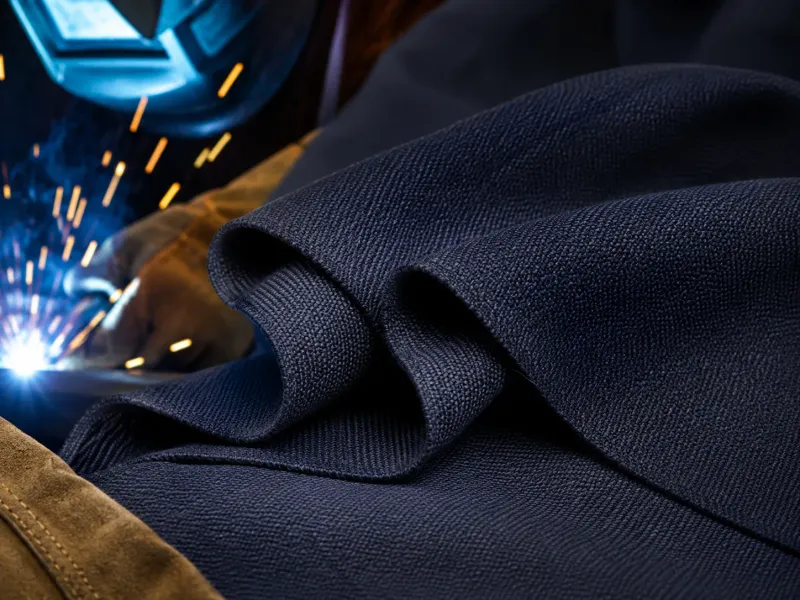
Welding Protective Fabric
Heat and spark resistant fabric designed for welding apparel and industrial protection.
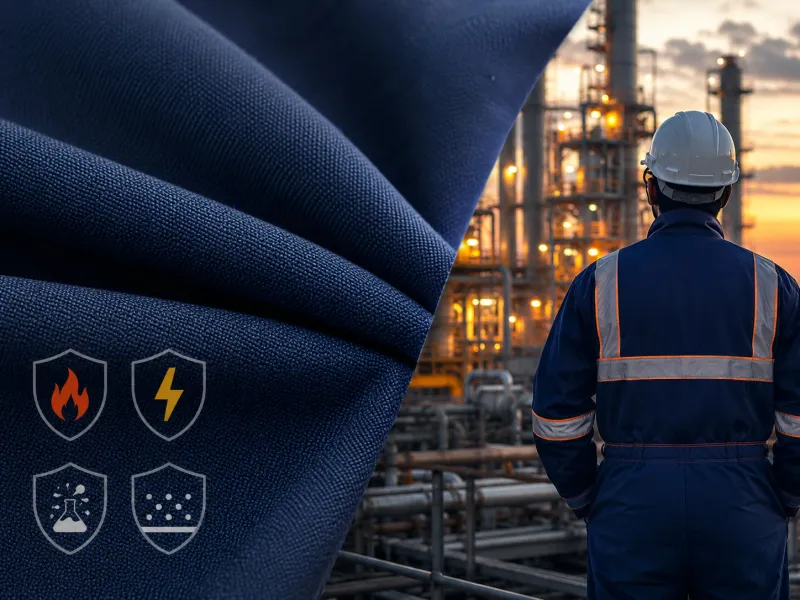
Oil & Gas Protective Fabric
Multi-hazard protective fabric developed for oil, gas and petrochemical industries.
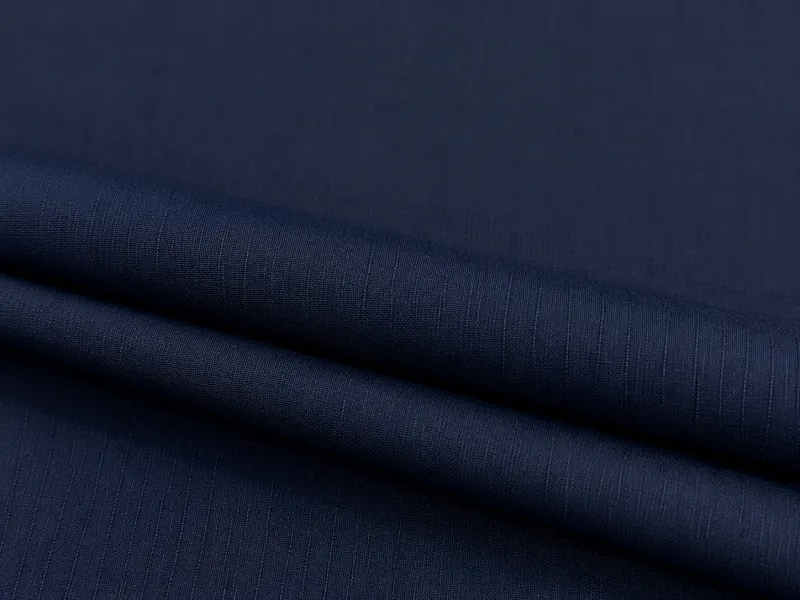
Arc Flash Protection Fabric
Advanced arc flash protective fabric for electrical safety clothing and utility uniforms.
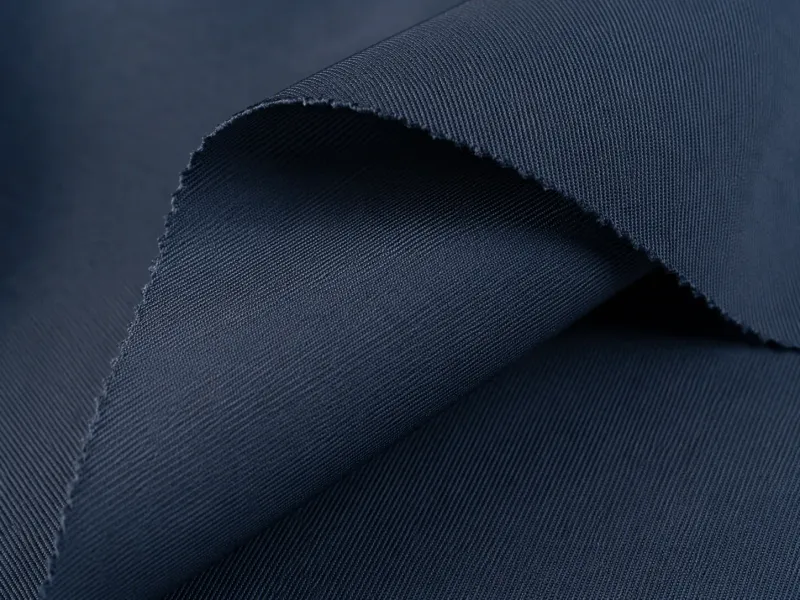
FR Workwear Fabric
Durable flame resistant fabric developed for industrial workwear and PPE applications.
Related Categories
Related Applications
A practical guide to ATPV, fabric weight, and FR compliance
Request Arc Flash Fabric Samples