
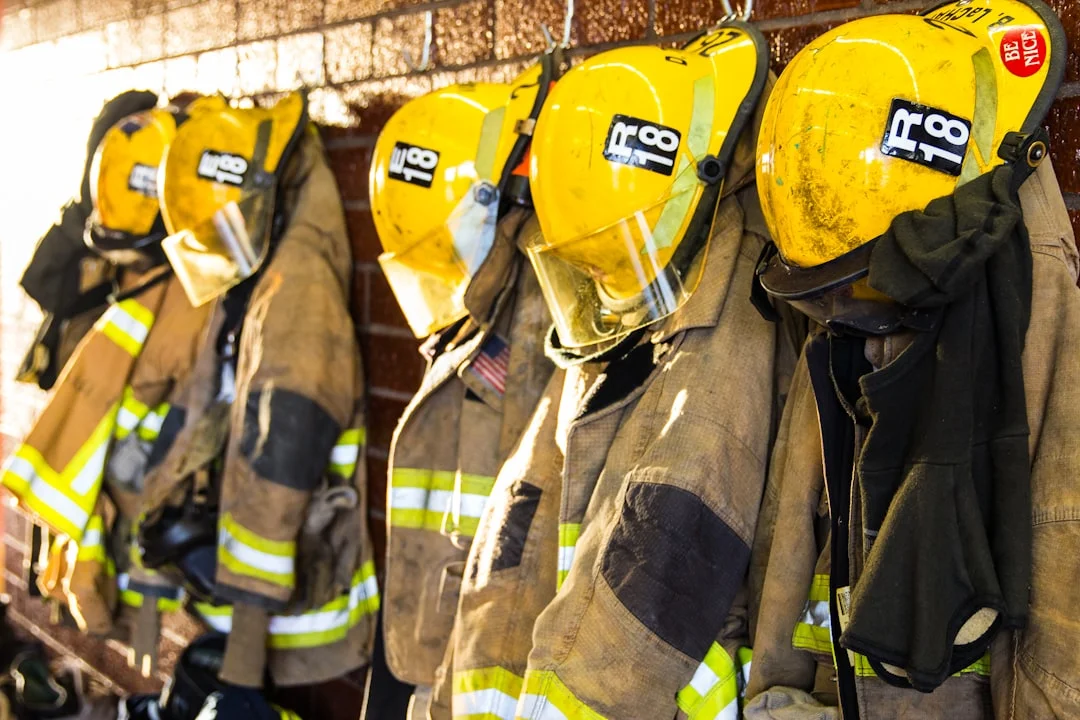
Choosing the right fire retardant fabric for workwear is a critical decision that directly impacts worker safety, regulatory compliance, and operational costs. With multiple FR technologies, varying protection levels, and industry-specific standards, buyers must evaluate performance specifications, durability metrics, and real-world application requirements. This guide provides a structured framework for selecting FR fabrics based on hazard exposure, compliance mandates, and long-term value.
Understanding FR Fabric Technologies
Inherent vs Treated FR Fabric
The foundational decision in FR fabric selection is choosing between inherent and treated flame retardant technologies. Each approach offers distinct performance characteristics and lifecycle economics.
Inherent FR fabrics like meta-aramid (Nomex-type) or modacrylic blends have flame resistance built into the fiber structure at the molecular level. Our Inherent Flame Retardant Fabric typically contains 95% Meta-Aramid / 5% PPTA and withstands continuous exposure to temperatures up to 360°C (680°F). This intrinsic protection never washes out or degrades through normal wear.
Treated FR fabrics apply phosphorus-based or proprietary chemical finishes to natural fibers. For example, our Cotton Flame Retardant Fabric uses advanced chemical treatments on 100% cotton base material, maintaining self-extinguishing properties with afterglow under 2 seconds. These fabrics offer superior comfort and breathability compared to synthetics.
Performance Comparison
| Property | Inherent FR | Treated FR |
| Flame resistance durability | Permanent (fiber-level) | 50-100 wash cycles typical |
| Heat resistance | Up to 360°C continuous | 200-280°C range |
| Weight range | 180-320 GSM | 200-340 GSM |
| Initial cost | Higher (premium fibers) | Lower (cotton base) |
| Comfort in warm climates | Moderate | Excellent (cotton breathability) |
| Compliance longevity | No degradation | Requires monitoring |
For oil & gas operations or electrical utilities where arc flash exposure exceeds 12 cal/cm², inherent fabrics provide the most reliable long-term protection. For welding shops or light industrial environments with flash fire risk under 8 cal/cm², treated cotton FR offers cost-effective compliance with better wearer comfort.
Critical Specification Requirements
ATPV and Arc Thermal Performance Value
The Arc Thermal Performance Value (ATPV) measures the incident energy level (in cal/cm²) at which fabric has a 50% probability of causing a second-degree burn. This is the single most important specification for electrical work environments.
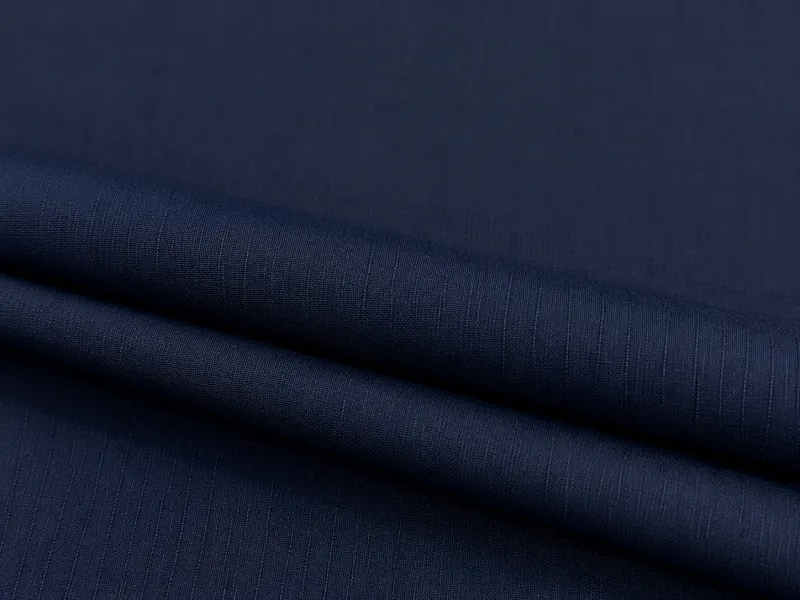
Our Arc Flash Protection Fabric is engineered with ATPV ratings from 12 to 45+ cal/cm² depending on fabric weight and construction. For context:
- ATPV 8-12 cal/cm²: Suitable for HRC 2 (Hazard Risk Category 2) tasks like work on energized 480V panels
- ATPV 25-40 cal/cm²: Required for HRC 4 work on high-voltage switchgear or substations
- EBT (Energy Breakopen Threshold) > 30 cal/cm²: Ensures fabric maintains structural integrity even at maximum rated exposure
Essential Performance Metrics
When evaluating FR fabrics for Workwear & Protective Clothing, verify these quantifiable specifications:
- Flame resistance: Self-extinguishing (SE) with zero afterflame, or carbonizing behavior
- Tensile strength: Minimum 400N warp / 350N weft for industrial durability
- Tear strength: > 50N (ISO 13937-2) to prevent propagation from snags
- Abrasion resistance: > 50,000 cycles (Martindale test) for extended garment life
- Shrinkage: < 3% warp / < 2% weft after 5 wash cycles (dimensional stability)
- Color fastness: Grade 4-5 to washing and perspiration (ISO 105 standards)
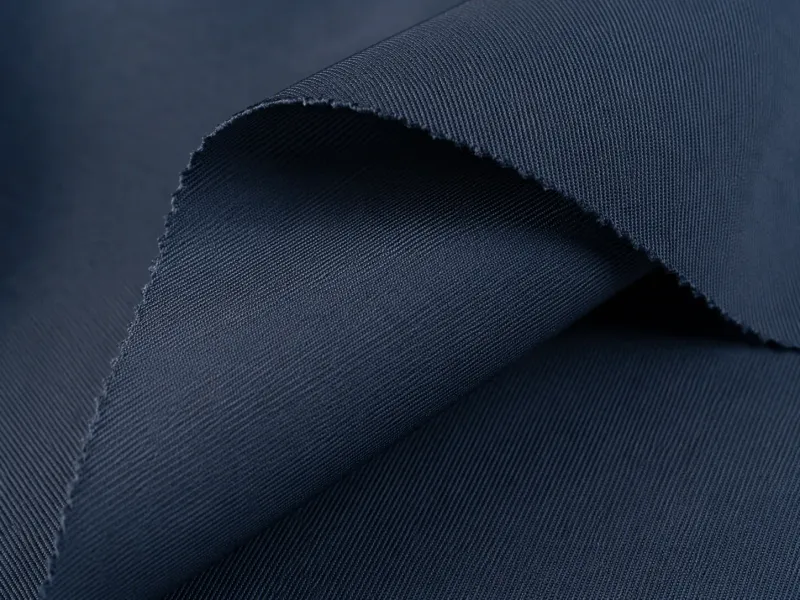
Our FR Workwear Fabric maintains these specs across 220-350 GSM weight range, with modacrylic/cotton or polyester/modacrylic blends optimized for heavy industrial environments.
Compliance Standards and Certification
Global FR Standards Overview
Regulatory compliance is non-negotiable in FR workwear selection. Different industries and regions mandate specific certification standards:
North American Standards:
- NFPA 2112: Flash fire protection for petrochemical, refining, and chemical processing
- ASTM F1506: Arc-rated protective clothing for electrical workers
- NFPA 70E: Electrical safety in the workplace (references ASTM F1506)
European Standards:
- EN ISO 11612: Protective clothing against heat and flame (replaces EN 531)
- EN ISO 11611: Welding and allied processes (Class 1 and Class 2 protection levels)
- IEC 61482-2: Protection against thermal hazards of electric arc
Certification Requirements by Industry
| Industry | Primary Standard | Minimum ATPV | Additional Requirements |
| Oil & Gas | NFPA 2112 | 8 cal/cm² | TPP ≥ 6, ATPV ≥ 4 |
| Electrical Utilities | ASTM F1506 | 12-40 cal/cm² (task-based) | Arc rating labeled |
| Welding (Light) | EN ISO 11611 Class 1 | N/A | A1 limited flame spread |
| Welding (Heavy) | EN ISO 11611 Class 2 | N/A | A1 + molten metal splash |
| Chemical Processing | NFPA 2112 | 8 cal/cm² | Antistatic < 100 Ohms |
Our Oil & Gas Protective Fabric meets NFPA 2112 with self-extinguishing properties and ATPV 8-25 cal/cm², while also providing AATCC 118 Grade 8-9 oil and water repellency for petrochemical environments. The fabric incorporates antistatic resistance below 100 Ohms (ATPV/IECEx compliant) to prevent ignition sources in explosive atmospheres.
Verification and Documentation
Demand third-party certification documentation for any FR fabric claim. Legitimate suppliers provide:
- Full test reports from accredited labs (UL, SGS, Intertek, TÜV)
- Batch-specific certificates showing compliance test results
- Chain of custody documentation for material traceability
- Wash durability verification (typically 50-100 industrial launder cycles)
As of 2026, global procurement standards increasingly require digital certification tracking. We provide QR-coded batch certificates linking to full test data for audit transparency.
Application-Specific Selection Criteria
Welding and Metal Fabrication
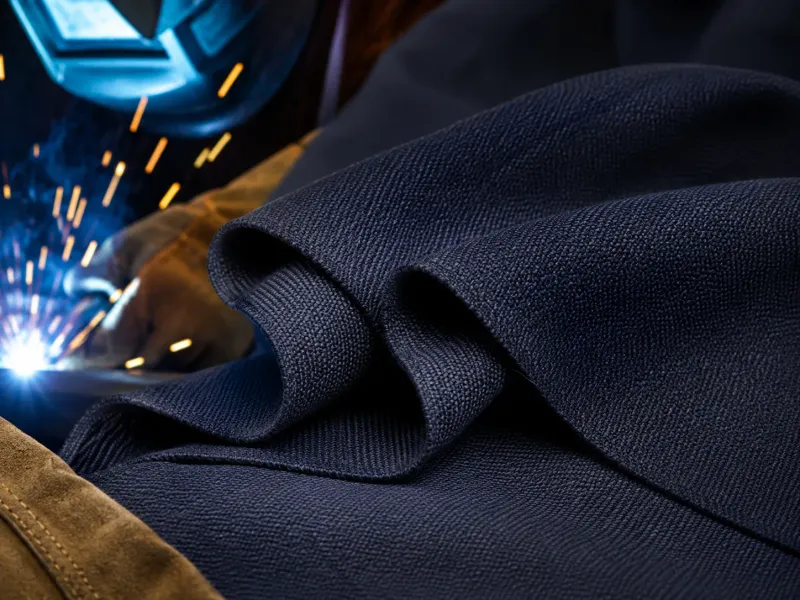
Welding environments demand fabrics that resist spark penetration, molten metal splash, and radiant heat. Our Welding Protective Fabric uses heavy-duty cotton or cotton-FR blends in 260-420 GSM weights with tight twill, canvas, or duck cloth construction.
Key requirements:
- EN ISO 11611 Class A1/A2 certification for spark and slag resistance
- Self-extinguishing: < 2 seconds after ignition source removal
- Thermal insulation: Heavy weave provides barrier against radiant heat from arc
- Durability: Canvas weaves maintain structural integrity through repeated spark exposure
Compared to lighter synthetic FR fabrics, cotton-based welding fabrics offer superior resistance to molten spatter adhesion. Synthetic fibers can melt and fuse to skin, while cotton FR carbonizes without melting.
Electrical Utility and Arc Flash Hazards
Electrical work presents the highest thermal incident energy exposure in industrial settings. Arc flash incidents can release 40+ cal/cm² of energy within milliseconds, requiring fabrics with exceptional ATPV ratings.
For HRC 3 and HRC 4 tasks (incident energy above 25 cal/cm²), specify:
- Arc Flash Protection Fabric with ATPV 25-45+ cal/cm²
- Meta-aramid or modacrylic construction (no melting)
- EBT > 30 cal/cm² to ensure fabric integrity
- Multi-layer system capability for higher protection levels
Oil, Gas, and Petrochemical Operations
Flash fire scenarios in refineries and chemical plants require NFPA 2112 compliance with balanced protection against multiple hazards:
- Flame resistance: Self-extinguishing to prevent sustained burning
- Chemical resistance: Oil & Gas Protective Fabric includes ASTM D4342 chemical splash resistance
- Oil repellency: AATCC 118 Grade 8-9 prevents hydrocarbon absorption that could fuel combustion
- Antistatic properties: < 100 Ohms to eliminate ignition sources in ATEX/IECEx zones
Our modacrylic/cotton or polyester/modacrylic blends in 250-350 GSM provide this multi-hazard protection while maintaining breathability for extended wear in high-temperature climates.
Durability and Total Cost of Ownership
Wash Cycle Performance
FR fabric longevity directly impacts program economics. Industrial laundry cycles using high-alkaline detergents and high-temperature drying accelerate degradation compared to home laundering.
Inherent FR fabrics maintain full protection indefinitely. Our meta-aramid constructions show zero degradation in flame resistance after 100+ industrial wash cycles. The only wear factors are physical abrasion and UV exposure over multi-year lifespans.
Treated FR fabrics require monitoring. Quality treated fabrics like our Cotton Flame Retardant Fabric maintain Grade 4-5 color fastness and self-extinguishing properties through 50-75 industrial launder cycles. After this threshold, re-testing is required to verify continued compliance.
Cost Comparison Over Garment Lifecycle
| Factor | Inherent FR (Meta-aramid) | Treated FR (Cotton) |
| Initial fabric cost | $12-18/meter typical | $6-9/meter typical |
| Effective lifecycle | 3-5 years (physical wear) | 1-2 years (treatment degradation) |
| Replacement cycles | 1x over 5 years | 2-3x over 5 years |
| Testing/verification | None required | Annual re-testing needed |
| Total program cost (5yr) | Lower (fewer replacements) | Higher (frequent rotation) |
For large workforces (50+ workers), inherent FR fabrics reduce total cost of ownership by approximately 30-40% over 5 years compared to treated alternatives, despite higher upfront cost.
Real-World Durability Factors
Beyond FR performance, consider these practical durability metrics:
- Abrasion zones: Knees, elbows, and seat areas see 3-5x more wear than torso
- UV degradation: Outdoor work accelerates fiber breakdown; look for UV-stabilized constructions
- Soil release: Oily environments require fabrics with oleophobic finishes to prevent permanent staining
- Dimensional stability: Fabrics with shrinkage above 3% create fit issues after first wash
Our FR Workwear Fabric incorporates antistatic and soil-release finishes standard, extending usable garment life in heavy industrial applications by reducing permanent contamination that would otherwise force early retirement.
Procurement and Quality Verification
Supplier Qualification Process
Establish rigorous supplier qualification criteria before procurement:
1. ISO 9001 certification: Ensures documented quality management systems
2. Third-party testing: Require test reports from UL, SGS, Intertek, or equivalent accredited labs
3. Batch traceability: Every roll should have unique batch identifier linking to test certificates
4. Material composition documentation: Full fiber content disclosure including FR additives
5. Wash durability data: Minimum 50-cycle industrial laundry testing results
Sample Evaluation Protocol
Before committing to volume orders, conduct comprehensive sample testing:
- Visual inspection: Check for weave uniformity, consistent dyeing, and surface defects
- Hand feel assessment: Evaluate stiffness, drape, and likely wearer comfort
- Vertical flame test: Verify self-extinguishing behavior (< 2 seconds afterglow)
- Wash testing: Launder samples 10 cycles and re-test flame resistance
- Abrasion testing: If possible, conduct Martindale testing to verify > 50,000 cycles
- Wearer trials: Pilot garments with 5-10 workers for 30-day feedback period
Minimum Order Quantities and Lead Times
FR fabric production involves specialized fiber sourcing and finishing processes. Typical procurement parameters as of 2026:
- MOQ for standard constructions: 500-1,000 meters per color/spec
- MOQ for custom specifications: 2,000-3,000 meters (specialized blends or weights)
- Lead time (stock items): 15-20 days for quality-controlled production
- Lead time (custom development): 45-60 days including sample approval
For Industrial Safety & Workwear Industry buyers managing multi-site operations, establishing framework agreements with approved suppliers ensures consistent quality and predictable pricing across fiscal periods.
Red Flags to Avoid
Be wary of suppliers who:
- Cannot provide third-party test certificates (only internal testing)
- Offer pricing significantly below market (20%+ under established suppliers)
- Cannot specify FR chemistry or treatment process used
- Lack batch traceability or quality control documentation
- Claim compliance without specifying exact standards met
- Cannot demonstrate wash cycle durability data
Non-compliant or substandard FR fabrics create catastrophic liability exposure. The cost difference between legitimate and questionable suppliers is insignificant compared to potential incident costs.
Frequently Asked Questions
What is the difference between ATPV and NFPA 2112 ratings for FR fabric?
ATPV (Arc Thermal Performance Value) measures thermal energy protection specifically against electrical arc flash incidents, expressed in cal/cm². It is required for electrical work under ASTM F1506. NFPA 2112 addresses flash fire protection in oil, gas, and chemical environments, testing for flame spread, char length, and afterflame time. A fabric can meet NFPA 2112 without having an ATPV rating, and vice versa. For petrochemical operations with electrical hazards, specify fabrics meeting both standards—our Oil & Gas Protective Fabric provides ATPV 8-25 cal/cm² while meeting NFPA 2112 flash fire requirements.
How long does FR treatment last on cotton workwear fabric?
Phosphorus-based FR treatments on cotton typically maintain effectiveness through 50-75 industrial launder cycles when properly maintained. Our Cotton Flame Retardant Fabric shows consistent self-extinguishing performance (< 2 seconds afterglow) through this range. Durability depends on laundry chemistry—high-chlorine bleach and harsh detergents accelerate degradation. Compared to inherent FR fabrics which never lose protection, treated cotton requires periodic verification testing. For high-turnover environments or programs without rigorous tracking, inherent FR constructions eliminate compliance risk despite higher upfront cost.
What fabric weight is appropriate for different FR workwear applications?
Fabric weight (GSM) correlates directly with protection level and wearer comfort. For light industrial or indoor electrical work, 180-220 GSM inherent FR fabrics provide ATPV 12-20 cal/cm² protection with acceptable breathability. Heavy industrial applications like welding or outdoor oil & gas require 260-350 GSM constructions for ATPV 25-40+ cal/cm² and enhanced durability. Our Welding Protective Fabric ranges 260-420 GSM for maximum molten metal resistance. Heavier fabrics increase heat stress risk—balance protection requirements against climate and physical activity levels. Multi-layer systems allow lighter base fabrics with removable outer layers for variable conditions.
Can FR fabrics be combined with other protective properties like moisture wicking or antibacterial treatments?
Yes, modern FR fabrics increasingly incorporate additional functional finishes. However, compatibility verification is critical—some moisture management treatments can interfere with flame retardant chemistry. Our Arc Flash Protection Fabric incorporates antistatic properties (< 100 Ohms) standard, as static discharge presents ignition risk. Antimicrobial treatments using silver ion technology can be applied to inherent FR fabrics like meta-aramid without impacting flame resistance. For comfort in hot climates, moisture wicking finishes are now available on modacrylic/polyester FR blends. Always request test data confirming that secondary treatments do not degrade FR performance—legitimate suppliers provide post-treatment flame testing verification.
What are the global export requirements for FR workwear fabric in 2026?
As of 2026, most developed markets require third-party certification to recognized standards (NFPA, ASTM, EN ISO) for FR fabric imports. Key documentation includes: accredited lab test reports, material safety data sheets (MSDS) for any chemical treatments, REACH compliance declarations (for EU), and batch-specific certificates of conformance. For export to North America, Europe, and Asia-Pacific, our FR fabrics include full traceability documentation and comply with OEKO-TEX Standard 100 where applicable. Customs increasingly scrutinize FR claims—fabrics without proper certification face rejection or extended clearance. We provide complete export documentation including harmonized tariff classification and country-of-origin certificates to streamline international logistics.
Related Resources
Related Products (4)
FR Workwear Fabric
Durable flame resistant fabric developed for industrial workwear and PPE applications.
Arc Flash Protection Fabric
Advanced arc flash protective fabric for electrical safety clothing and utility uniforms.
Welding Protective Fabric
Heat and spark resistant fabric designed for welding apparel and industrial protection.
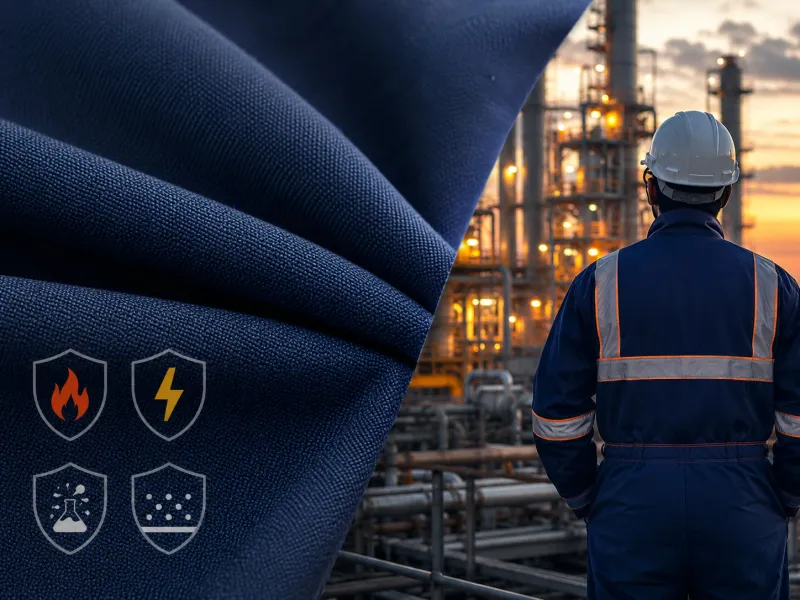
Oil & Gas Protective Fabric
Multi-hazard protective fabric developed for oil, gas and petrochemical industries.
Related Categories
Related Applications
Related Industries
Select the right FR fabric for safety, compliance, and long-term performance
Request FR Fabric Specifications & Samples