
You've probably had a customer complain their suit faded and went slack after a month of pool swimming. Chlorine did that, and the fix is a fabric decision made before the first cut.
This page covers chlorine-resistant swimwear fabric — why chlorine wrecks ordinary swim fabric, which blends survive it, and the numbers we hold at the mill.
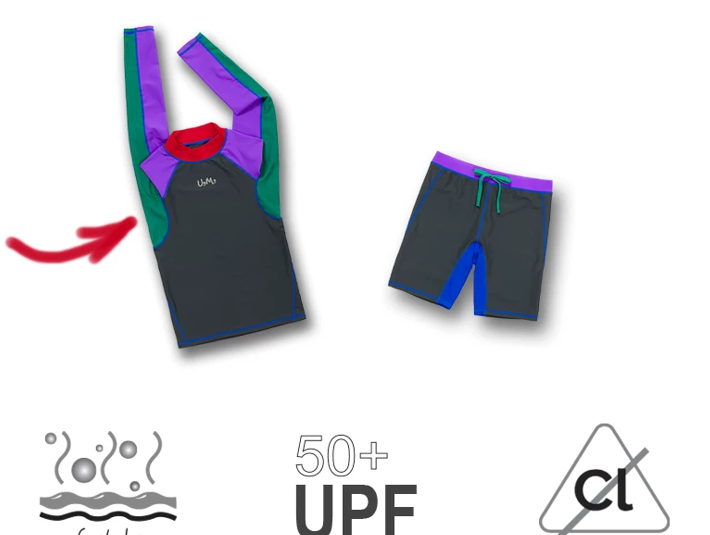
Why Chlorine Destroys Ordinary Swimwear
Chlorine in pool water forms an acid that attacks fibres and dye at a molecular level. Three things follow, fast:
Standard spandex-heavy blends show this inside 10-20 pool sessions. That's the baggy, washed-out look nobody wants on a returned garment.
The Blends That Hold Up
We run polyester-elastane as our pool default. Polyester's molecular structure naturally resists chlorine, so it keeps its colour, compression and shape long after nylon has given up. For serious racing programs, a PBT blend pushes chlorine life further still.
What ‘100+ Hours’ Means for Your Customer
A pool-grade polyester-elastane holding 100+ hours of chlorine translates to roughly 2-3 times the usable life of a standard suit. For a swim-team parent or a lap swimmer, that's a suit that survives a season of daily practice instead of dying by mid-summer.
Chlorine resistance pairs with the other swim non-negotiables — UPF 50+ and four-way stretch. See the combined build on the Swimwear Fabric product page, how it all fits together in our swimwear fabric sourcing guide, and fibre choice in our swimming costume material guide.
Frequently Asked Questions
Can you match custom colours for swimwear fabric?
Yes. We match custom colours to Pantone references, physical swatches or approved lab dips, and prepare strike-offs for approval before mass production. For recycled swim fabric we lean on lab dips more heavily, since recycled feedstock can shift colour slightly between batches.
Related Resources
Related Products (3)
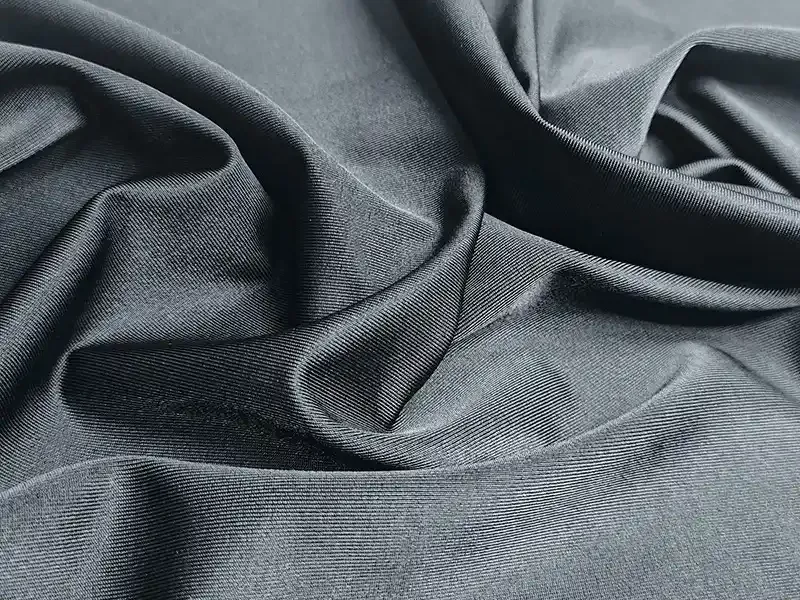
Swimwear Fabric
Chlorine-resistant, UPF 50+ four-way stretch swimwear fabric engineered for swimming costumes, swimsuits and performance beachwear.
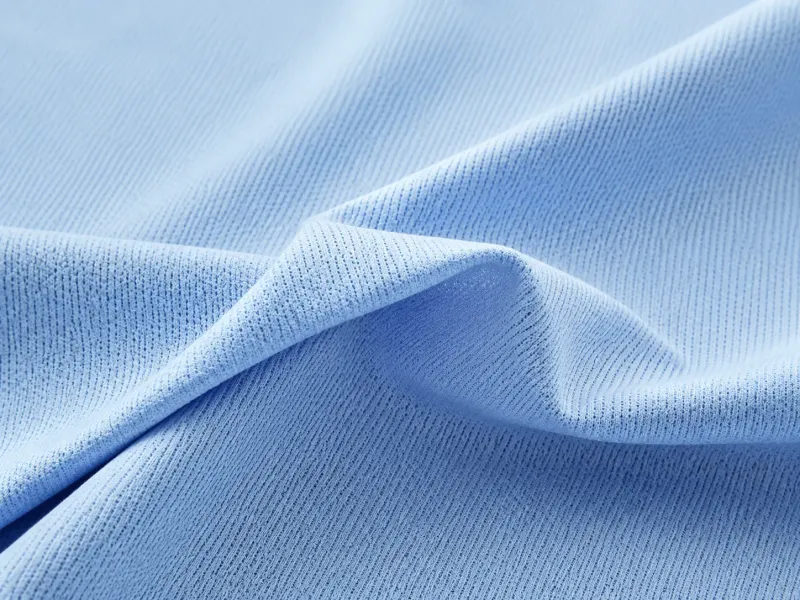
UPF 50+ Fabric
High-performance UPF 50+ fabric engineered to provide maximum ultraviolet protection for outdoor apparel and sun protection garments.
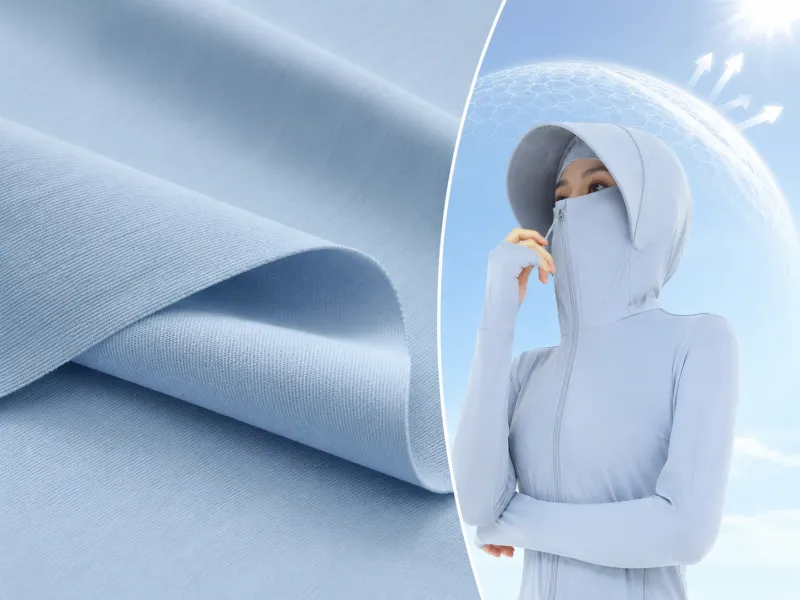
UV Protection Stretch Fabric
Stretch performance fabric combining flexibility, comfort and advanced UV protection.
Related Categories
Related Applications
Related Industries
Fabric That Survives the Pool, Season After Season
Request Free Swatches