
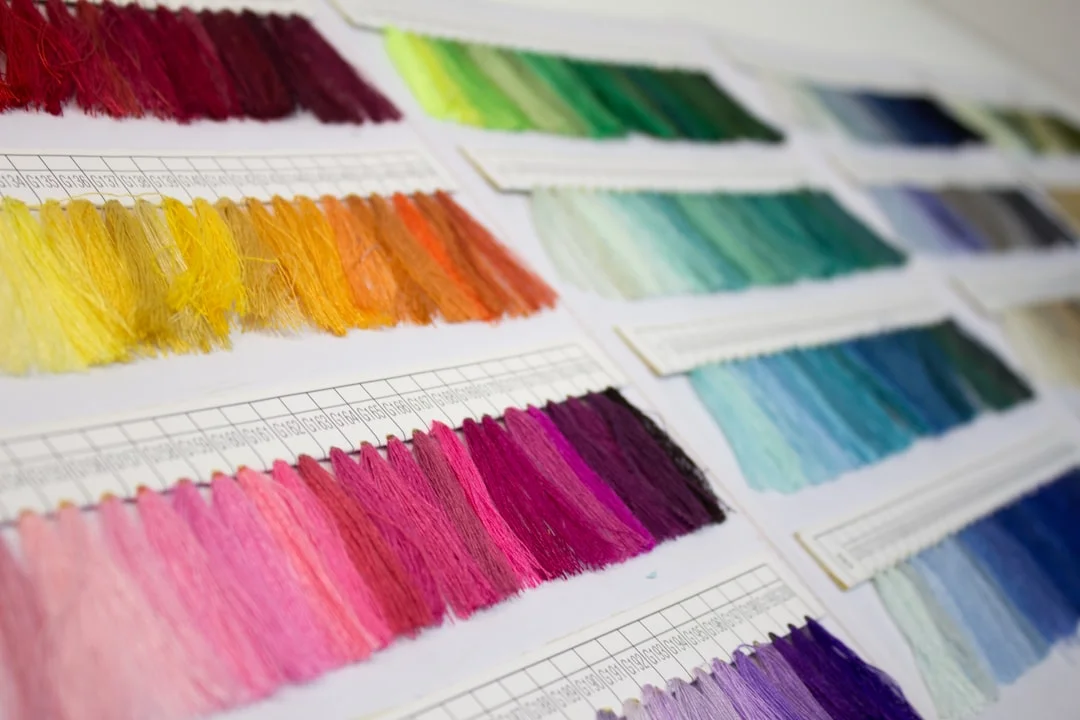
Every year we field the same sourcing question from safety managers and PPE buyers: should the program run on treated flame retardant (FR) cotton or inherent FR fibers like meta-aramid? The two approaches solve the same problem — self-extinguishing fabric that resists ignition and afterflame — but they get there through different chemistry, and that difference shows up in cost tiers, wash life, and end-use suitability. As of 2026, the industrial safety market still splits roughly evenly between the two, and picking wrong means re-outfitting a crew mid-contract. Below we break down how treated and inherent FR fabrics are built, what each one actually withstands, and where each fits — grounded in the specs we run on our own production floor for global workwear and industrial safety programs.
The Core Problem: Not All FR Fabric Is Built the Same Way
Two Different Paths to Flame Resistance
Buyers often assume "FR fabric" is a single category. It isn't. There are two fundamentally different manufacturing routes, and confusing them leads to compliance gaps on the plant floor.
- Treated FR fabric: a base fiber (usually cotton) is finished with a phosphorus-based chemical treatment, such as our Cotton Flame Retardant Fabric, engineered to be self-extinguishing with afterglow under 2 seconds.
- Inherent FR fabric: flame resistance is built into the polymer chain itself — meta-aramid, PBI, or modacrylic blends like our Inherent Flame Retardant Fabric (95% Meta-Aramid / 5% PPTA, Nomex-type), which never relies on a coating.
We see the failure mode most often with treated fabrics that were laundered with the wrong detergent for 50+ industrial cycles — the phosphorus finish degrades faster than crews expect, and QC starts catching afterglow times creeping past spec. That's the risk this guide helps you plan around.
Treated Flame Retardant Fabric: How It Works and Where It Holds Up
Chemistry Applied to the Fiber
Treated FR fabric starts as a conventional textile — cotton, or a cotton blend — and is dosed with an FR finish (Indura-type phosphorus chemistry) during finishing. The fiber itself is not flammable-resistant on its own; the coating does the work.
- Weight range: 200gsm – 340gsm (twilled, poplin, or canvas weave)
- Afterglow: < 2 seconds, self-extinguishing (SE)
- Color fastness: Grade 4-5 (washing & rubbing)
- Dimensional stability: shrinkage < 3% warp / < 2% weft
In our experience running bulk workwear orders, treated cotton FR is the more economical entry point per unit compared to aramid-based fabrics — but the FR finish is a topical layer, so improper laundering (bleach, fabric softener, or hard-water minerals) can measurably shorten its protective life. We recommend crews validate afterglow performance at the 50-wash mark if the program runs beyond a single season.
Inherent Flame Retardant Fabric: How It Works and Where It Holds Up
Flame Resistance Built Into the Fiber
Inherent FR fabric uses fibers — meta-aramid, PBI, or modacrylic — whose molecular structure resists ignition permanently. There is no finish to wash out, which is the single biggest operational difference from treated fabric.
- Composition: 95% Meta-Aramid / 5% PPTA (Nomex-type) or PBI/modacrylic blends
- Weight range: 180gsm – 320gsm, customizable
- Heat resistance: withstands sustained exposure up to 360°C (680°F)
- Compliance: EN ISO 11612, EN ISO 11611, NFPA 2112, ASTM F1506
- Anti-static: conductive fiber or finish to prevent electrical discharge
Because the flame resistance is permanent, inherent FR fabric does not degrade with laundering the way a topical finish can — that's the trade our clients make: a higher per-unit tier for fabric that doesn't require re-testing after repeated industrial washes. Our Inherent Flame Retardant Fabric is used in multi-year rotation programs where retreatment logistics simply aren't practical.
Treated vs Inherent: Side-by-Side Spec Comparison
Direct Comparison
| Attribute | Treated FR (Cotton) | Inherent FR (Aramid/PBI) |
| Flame resistance source | Chemical finish (phosphorus-based) | Built into fiber polymer |
| Weight | 200-340 gsm | 180-320 gsm |
| Afterglow / heat tolerance | < 2 sec afterglow | Stable to 360°C (680°F) |
| Wash-life durability | Finish can degrade over repeated cycles | No degradation — permanent |
| Typical compliance | Self-extinguishing (SE), NFPA-aligned | EN ISO 11612, EN ISO 11611, NFPA 2112, ASTM F1506 |
| Best-fit use case | High-volume, budget-driven workwear | Long-duration, high-heat, arc-rated environments |
Compared to treated cotton, inherent FR fabric holds its protective rating for the life of the garment rather than the life of the finish — but treated cotton remains the more accessible option for programs prioritizing volume and lower unit tiers over multi-year fiber permanence.
How to Choose Between Treated and Inherent FR Fabric
Matching Fabric to Application
1. Define exposure severity. Sparks and short arc events suit treated cotton or FR Workwear Fabric (220-350gsm, self-extinguishing/carbonizing, NFPA 2112 / EN ISO 11612 / EN ISO 11611 compliant). Sustained radiant heat or molten splash calls for inherent fiber.
2. Check ATPV requirements. For arc-flash-rated PPE, our Arc Flash Protection Fabric delivers ATPV 12-45+ cal/cm² with zero afterflame — a spec treated cotton alone typically cannot match at the higher end.
3. Factor in oil, gas, or welding environments. Our Oil & Gas Protective Fabric (ATPV 8-25 cal/cm², AATCC 118 Grade 8-9 oil/water repellency) and Welding Protective Fabric (EN ISO 11611 Class A1/A2, self-extinguishing under 2 seconds) are built for spark and chemical splash specifically.
4. Plan wash-cycle economics. If a program runs more than 50 industrial launder cycles per garment, inherent FR generally protects the compliance rating better than a topical treatment.
We prep bulk FR fabric orders every week for industrial safety and workwear programs serving North America and Europe, and our QC checks each batch against the compliance standard specified — NFPA 2112, EN ISO 11612, or EN ISO 11611 — before it ships. For most crews, the decision comes down to exposure severity versus wash-cycle budget, not brand preference. Explore the full Flame Retardant Fabric range for export-quality options across both fiber types.
Frequently Asked Questions
Is inherent flame retardant fabric always better than treated FR fabric?
Not necessarily — it depends on the application. Inherent FR fabric like our Inherent Flame Retardant Fabric (rated to 360°C) holds its protective rating permanently, but treated FR cotton is typically the more accessible option for high-volume workwear programs where budget per unit matters more than multi-year fiber permanence.
Does treated flame retardant fabric wash out over time?
The FR finish on treated cotton is a topical chemical treatment, so improper laundering — bleach, fabric softener, or hard water — can degrade performance faster than expected. Our Cotton Flame Retardant Fabric is engineered for afterglow under 2 seconds, and we recommend validating performance at the 50-wash mark for extended-duration programs.
What compliance standards apply to inherent FR fabric?
Our Inherent Flame Retardant Fabric line is built to meet EN ISO 11612, EN ISO 11611, NFPA 2112, and ASTM F1506 — the current industry standards as of 2026 for thermal protective clothing and arc-related hazard environments.
Which fabric is better for welding or arc flash environments?
For welding, our Welding Protective Fabric is EN ISO 11611 Class A1/A2 certified with self-extinguishing performance under 2 seconds. For arc flash hazards, our Arc Flash Protection Fabric delivers ATPV ratings from 12 up to 45+ cal/cm², a threshold that typically requires inherent or modacrylic-blend fiber rather than treated cotton alone.
Can flame retardant fabric be customized for bulk or wholesale orders?
Yes. Both treated and inherent FR fabrics are available with customizable weight ranges (180gsm-360gsm depending on product) and widths from 150cm-180cm, supporting export and wholesale programs. We process bulk FR fabric requests regularly for industrial safety and workwear clients globally.
Related Resources
Related Products (4)
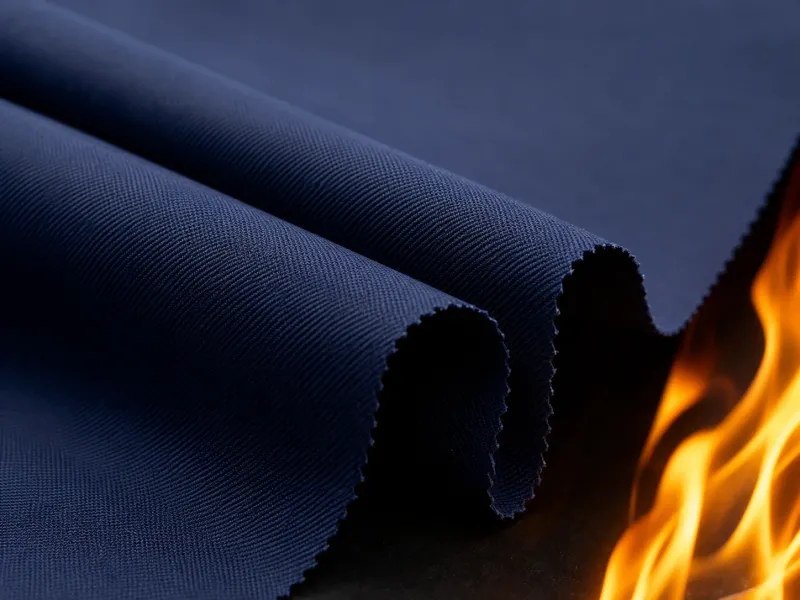
Inherent Flame Retardant Fabric
Permanent flame retardant fabric engineered with inherent FR fibers for industrial protective clothing.
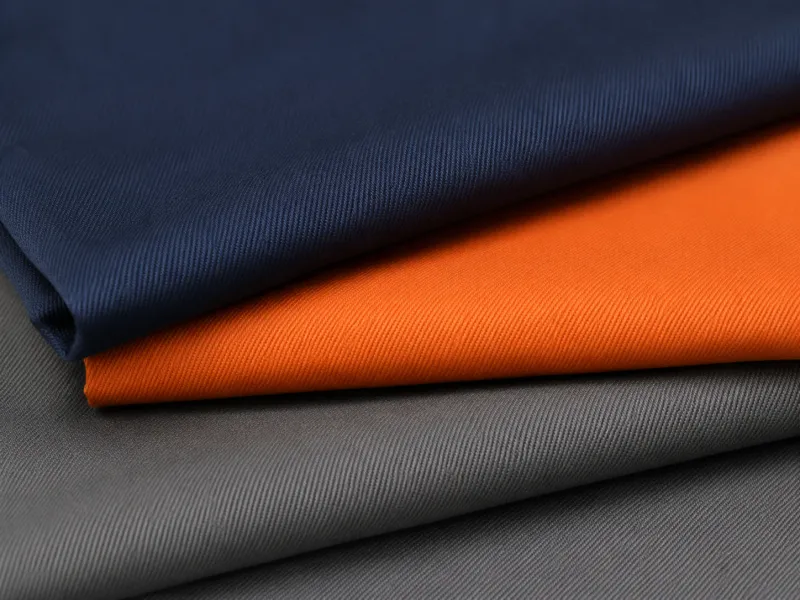
Cotton Flame Retardant Fabric
Comfortable FR cotton fabric designed for industrial uniforms and protective workwear.
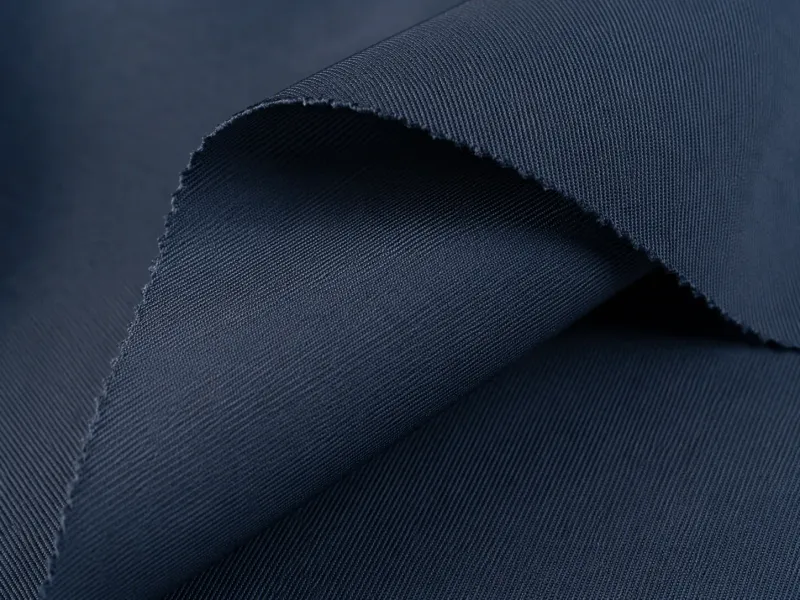
FR Workwear Fabric
Durable flame resistant fabric developed for industrial workwear and PPE applications.
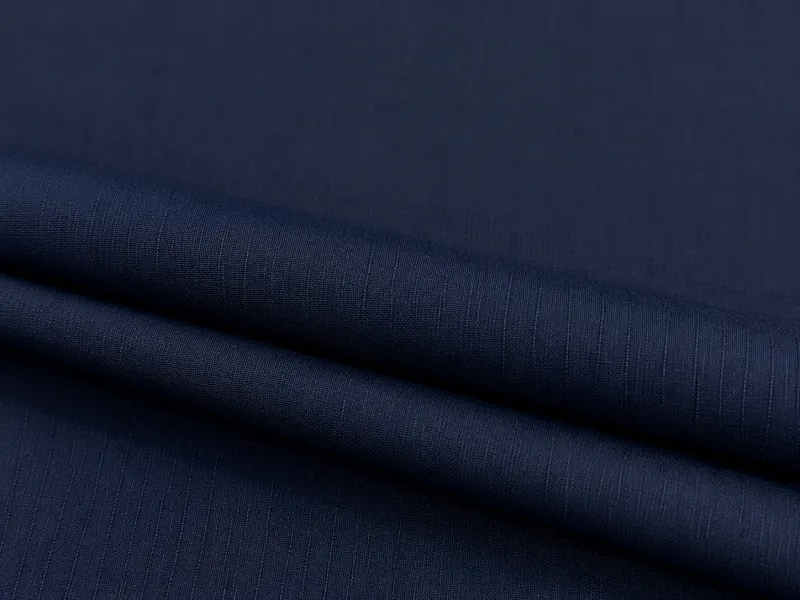
Arc Flash Protection Fabric
Advanced arc flash protective fabric for electrical safety clothing and utility uniforms.
Related Categories
Related Industries
A technical, spec-based comparison to help you choose the right FR fabric for your program
Request FR Fabric Specs and Quote