
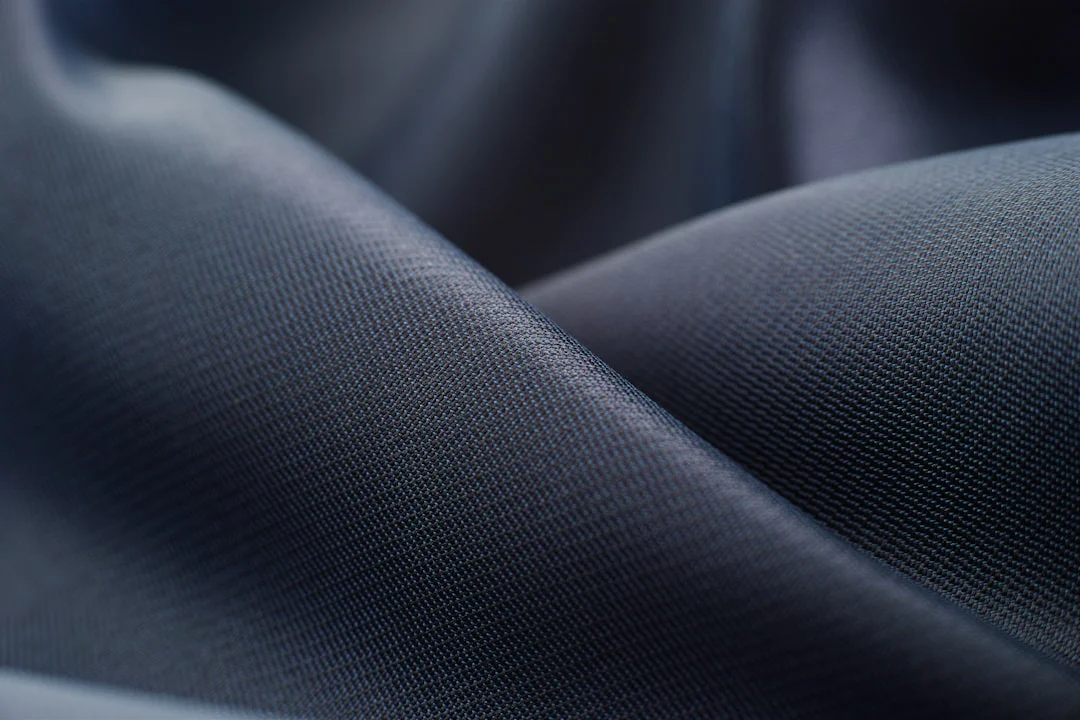
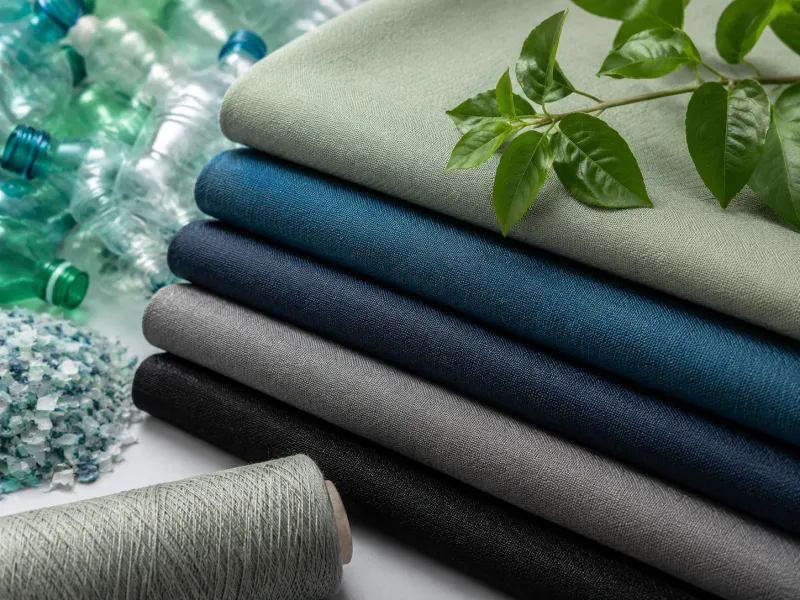
What is recycled polyester fabric used for in sportswear? It is used across performance apparel where brands need moisture management, quick drying, durability, and scalable recycled-content options. Made from post-consumer PET bottles, recycled polyester (RPET) can be engineered into jerseys, mesh panels, leggings, training tops, team uniforms, swim layers, and lightweight outerwear. For sourcing teams in North America, Europe, and other export markets, the key is not simply choosing RPET: it is matching knit or woven construction, weight, stretch, and documentation to the garment’s actual use. As of 2026, traceable recycled material specifications are central to many sportswear development briefs.
Why Sportswear Uses Recycled Polyester
The performance problem RPET solves
Sports garments must manage repeated movement, perspiration, laundering, and exposure to sun or abrasion without relying on a single generic fabric. Recycled polyester is widely selected because it can be made in lightweight, durable knit and woven structures while using recycled feedstock.
- Moisture management: suitable for next-to-skin training layers and team jerseys.
- Fast drying: useful when athletes train, wash, and rewear garments frequently.
- Construction flexibility: available in jersey, interlock, mesh, technical woven, rib, and ripstop structures.
- Scalable widths: relevant recycled ranges are available from 150 cm to 180 cm, with some certified constructions reaching 250 cm.
| Requirement | Why it matters in sportswear | Relevant RPET option |
| Sweat transfer | Helps reduce wet-cling discomfort | Moisture-wicking jersey or mesh |
| Movement | Supports dynamic exercise patterns | 4-way-stretch-compatible knit |
| Surface durability | Supports repeated training use | Interlock or technical woven |
| Recycled-content reporting | Supports material documentation needs | GRS-certified, traceable fabric |
Unlike a loose, one-specification fabric approach, selecting the construction by garment zone lets designers use breathable mesh where heat builds up and more stable interlock where coverage and shape matter.
Sportswear Applications for Recycled Polyester
From training tops to technical outer layers
Recycled polyester fabric is used throughout the Sportswear & Activewear supply chain. The end use determines the right weight, texture, stretch system, and finish rather than recycled content alone.
- Running and gym shirts: single jersey and open-mesh knits support airflow and rapid moisture transfer.
- Football, basketball, and team jerseys: lightweight recycled polyester provides a practical base for performance tops and panelled uniforms.
- Leggings, fitted tops, and cycling layers: recycled polyester blends with elastane are selected where recovery and 4-way movement are needed.
- Warm-up jackets and tracksuits: interlock, French terry, and technical woven constructions add coverage and surface stability.
- Outdoor fitness apparel: recycled woven shells can be specified for wind, light rain, abrasion, or UV-focused requirements.
- Swim and watersport apparel: recycled options are available within Swimwear Fabric, which has 82% polyester / 18% elastane, 180–240 GSM, 4-way stretch, and UPF 50+ protection.
| Garment application | Typical construction | Practical weight range |
| Race tee or training top | Single jersey or mesh | **90–200 GSM** |
| Team jersey | Jersey or interlock | **130–240 GSM** |
| Activewear set | Interlock, rib, or stretch knit | **140–260 GSM** |
| Outdoor training shell | Technical woven or ripstop | **120–320 GSM** |
For high-airflow zones such as underarms or back panels, Moisture Wicking Mesh Fabric offers air permeability above 500 mm/s. Compared with a solid knit used across the entire garment, mapped mesh panels can give a more application-specific ventilation strategy.
Selecting the Right RPET Fabric Specification
Build the specification around use conditions
For wholesale and bulk sportswear development, start with activity, fit, climate, and garment construction. A fabric that works for a relaxed team tee may not provide the recovery expected in a compression-oriented legging.
- Choose 130–200 GSM for lightweight tops where quick drying is the primary requirement.
- Consider 140–260 GSM Sustainable Activewear Fabric for activewear styles needing 4-way stretch, moisture wicking, and quick-dry performance.
- Specify 150–220 GSM Antibacterial Moisture Wicking Fabric when recycled polyester and silver-ion treatment are appropriate; its stated wicking speed is under 25 seconds.
- Use technical woven or higher-weight options up to 280 GSM when abrasion resistance or a structured shell hand is more important than drape.
- Confirm whether the garment requires 85%–100% GRS-certified recycled content, as available for Sustainable Activewear Fabric, or a 20%–100% certified-content range in GRS Certified Recycled Fabric.
| Decision point | Lower-intensity training top | High-movement fitted garment |
| Preferred structure | Jersey or open mesh | Interlock or stretch knit |
| Key performance focus | Airflow and fast drying | Stretch and shape recovery |
| Common material route | 100% RPET | RPET blend with elastane |
| Useful range | **90–200 GSM** | **140–260 GSM** |
A buying brief should also identify roll or folded delivery preference, target width, color requirements, and any testing or chain-of-custody documentation needed before bulk approval.
Traceability and Bulk Sportswear Sourcing
Documentation matters alongside performance
For recycled sportswear programs, the material claim should be supported by the product specification. GRS Certified Recycled Fabric is available with 20%–100% independently audited and verified recycled content and full chain-of-custody documentation from post-consumer waste to fabric roll. This can help sourcing teams evaluate material inputs for export-quality apparel programs serving North America and Europe.
- Request the exact recycled-content percentage for each fabric SKU.
- Match the stated certification scope to the fabric ordered, not merely a generic recycled-material statement.
- Confirm construction: woven, jersey, interlock, mesh, non-woven, or technical blend.
- Review weight tolerance, usable width, color, and finishing requirements during sampling.
- Keep approved material records aligned with finished-garment specifications.
| FuncFabric fabric option | Recycled composition | Sportswear-relevant attributes |
| Recycled Performance Fabric | 100% RPET or recycled nylon blends | **140–280 GSM**, moisture wicking, 4-way stretch, abrasion resistance |
| RPET Sports Fabric | 100% RPET from post-consumer PET bottles | **130–240 GSM**, quick dry, open mesh options |
| Recycled Polyester Fabric | 100% RPET from post-consumer PET bottles | **120–280 GSM**, jersey, mesh, woven, quick dry |
For bulk programs, use sampling to compare hand feel, opacity, stretch, and drying behavior before confirming the production construction. This is more reliable than choosing fabric only by a recycled-content target.
Frequently Asked Questions
What is recycled polyester fabric used for in sportswear?
Recycled polyester fabric is used for performance T-shirts, jerseys, shorts, leggings, tracksuits, warm-up layers, mesh ventilation panels, swimwear components, and lightweight outdoor training apparel. Depending on construction, it can provide moisture wicking, quick drying, abrasion resistance, and 4-way-stretch compatibility.
Is recycled polyester suitable for moisture-wicking sportswear?
Yes. Recycled polyester can be engineered into moisture-wicking jersey and mesh fabrics. Moisture Wicking Jersey Fabric, for example, is available in 100% RPET or virgin polyester at 140–220 GSM, with stated wicking height above 8 cm in 30 minutes. Performance depends on yarn, knit structure, finish, and garment design.
What GSM is best for recycled polyester activewear?
The suitable GSM depends on the garment. Lightweight mesh may be 90–150 GSM, training jerseys often fall around 130–240 GSM, and more opaque activewear knits are commonly specified from 140–260 GSM. For structured or abrasion-focused sports layers, recycled polyester options can reach 280 GSM or higher depending on the product.
Can recycled polyester sports fabric be GRS certified?
Yes. GRS Certified Recycled Fabric is offered with 20%–100% GRS-certified recycled content and chain-of-custody documentation from post-consumer waste to fabric roll. Confirm the required recycled-content level and documentation for the specific fabric and order before production.
Related Resources
Related Products (4)
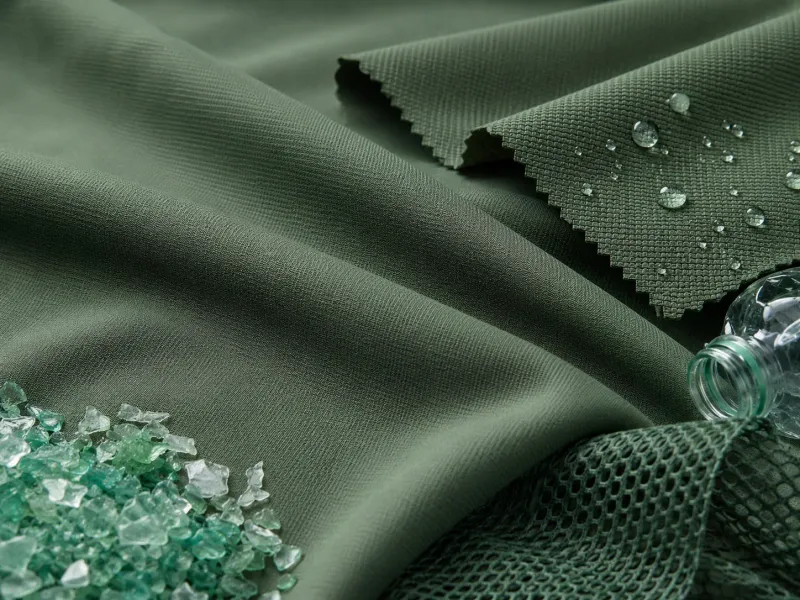
Recycled Performance Fabric
Advanced recycled performance fabric combining sustainability with technical textile functionality.
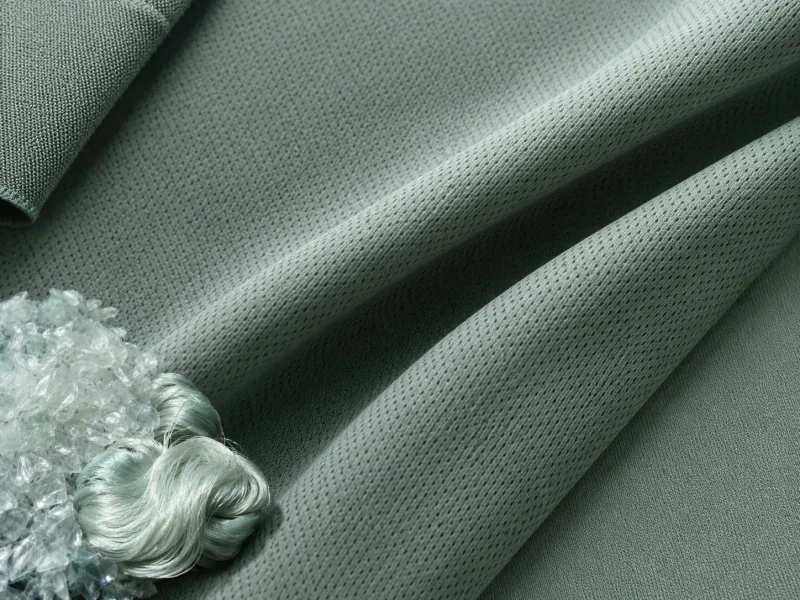
Sustainable Activewear Fabric
Sustainable performance fabric combining recycled materials with modern athletic apparel requirements.
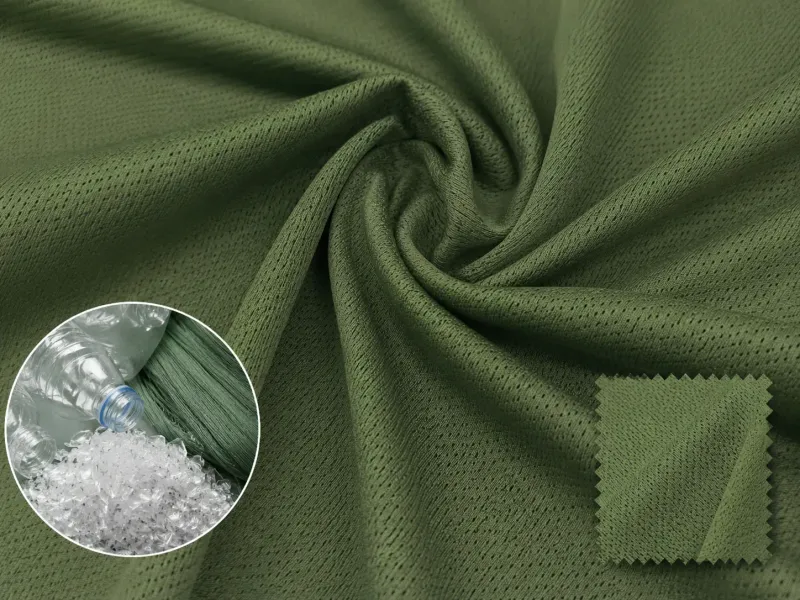
RPET Sports Fabric
Eco-friendly RPET sports fabric designed for activewear brands seeking sustainable performance textiles.
GRS Certified Recycled Fabric
Global Recycled Standard certified fabric providing traceable sustainability for international brands.
Related Applications
Related Industries
A practical material guide for performance-focused activewear sourcing
Request Recycled Sports Fabric Specifications